The Growing Popularity of Mobile Game Subscriptions
25 June 2026
Mobile gaming has come a very long way from the days of pixelated Snake on old-school Nokia phones. Fast forward to today, and the landscape has dramatically transformed. Mobile games now boast console-level graphics, captivating storylines, and multiplayer experiences that rival what you’d find on a PlayStation or Xbox. With that massive leap in quality, it’s no surprise that the business model around mobile games has evolved, too.
One of the biggest shifts we're seeing right now? Mobile game subscriptions.
Yep, instead of dropping a few bucks here and there on individual games or being bombarded by ads and in-app purchases, gamers are now turning to subscription models. But what's really driving this trend? And is this the future of mobile gaming?
Let’s dive into what’s fueling the rise of mobile game subscriptions and why everyone’s jumping on this bandwagon.
What Are Mobile Game Subscriptions, Anyway?
Before we dive deep, let’s get one thing straight. A mobile game subscription is a service where players pay a recurring fee (weekly, monthly, or annually) to access a wide range of mobile games without ads, in-game purchases, or other paywalls.Think of it like Netflix, but for games. You pay once and get access to an entire library of mobile games. Some popular examples include:
- Apple Arcade
- Google Play Pass
- Netflix Games
- Xbox Game Pass for mobile-compatible titles
You don’t have to deal with microtransactions every five seconds. No more annoying pop-ups asking you to buy extra lives or coins. Just pure, uninterrupted gameplay.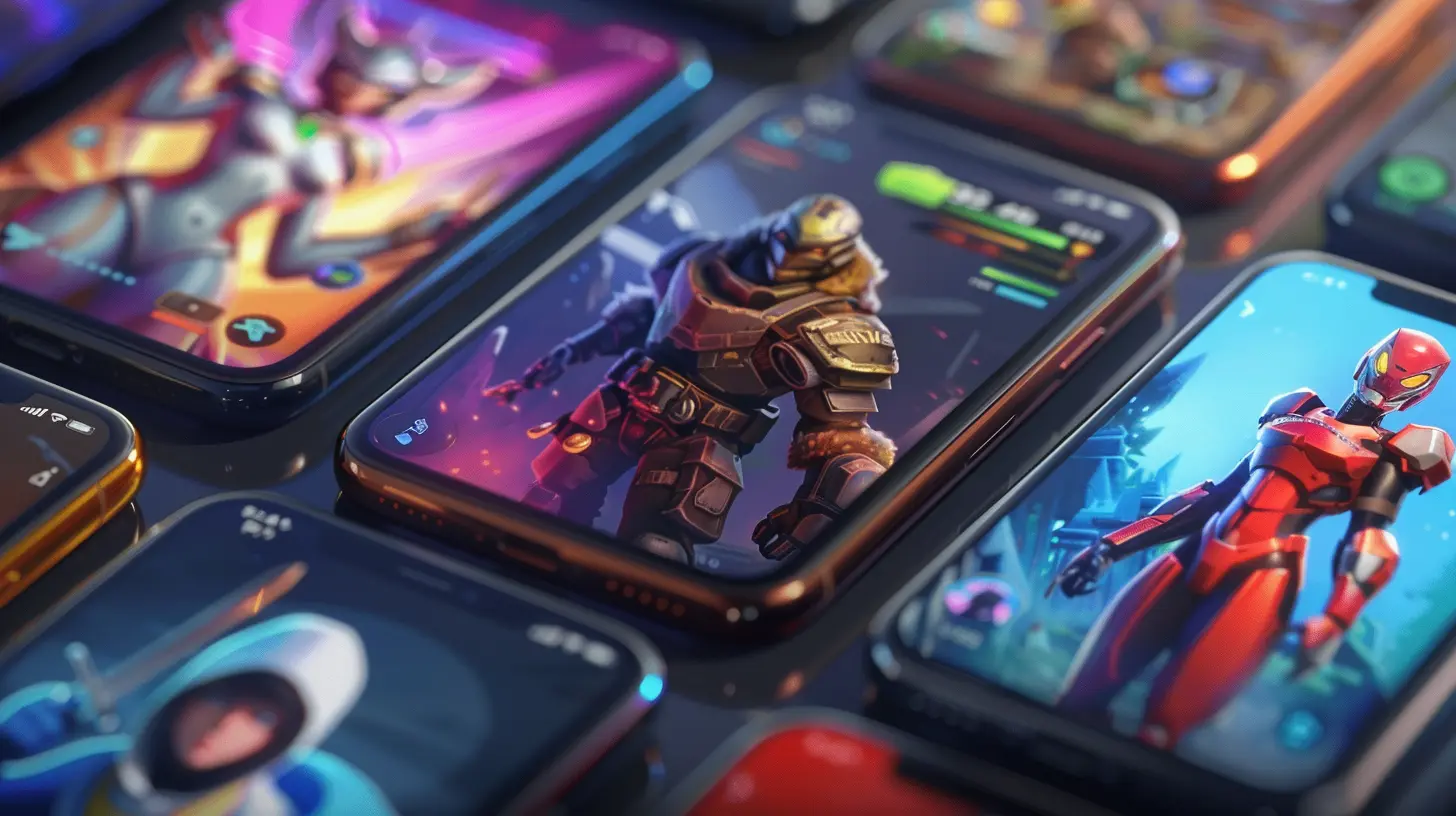
Why Are Mobile Game Subscriptions Becoming So Popular?
Let’s be real—nobody enjoys being interrupted mid-game by an ad or being nudged into spending money on digital coins. The subscription model offers a breath of fresh air. Here's why it's catching on like wildfire:1. Ad-Free Gaming
Ads kill immersion, plain and simple. Imagine being in the middle of a nail-biting boss battle and—BAM!—an ad for toothpaste ruins your flow. Subscriptions remove that headache completely.2. Cost Savings
If you're someone who regularly buys games or makes in-app purchases, subscription services can actually save you money in the long haul. Pay $5 a month and get access to hundreds of premium-level games? That’s cheaper than buying two or three individual games.3. Premium Experience
With subscriptions, you often get access to games developed without the pressure of monetizing every little thing. That means better storytelling, smoother gameplay, and more thoughtful game design.4. Family Sharing and Parental Controls
Many subscription services offer family sharing. You can share a single subscription among multiple users. Even better? Some services come with built-in parental controls so your kids can enjoy age-appropriate games without risk.5. Offline Availability
Yep, some platforms let you download games and play offline. Perfect for long flights, road trips, or when you're stuck with bad reception.
Major Players in the Subscription Game (Pun Intended ?)
? Apple Arcade
Launched in 2019, Apple Arcade was one of the first major subscription services that truly changed the game. For $4.99/month, subscribers get access to 200+ high-quality games, all without ads or in-app purchases. It's tightly curated, and many titles are exclusive.? Google Play Pass
Not one to be left behind, Google launched its own version—Play Pass. It supports Android devices and covers a broad range of apps (not just games). It's a little more inclusive in terms of content variety, but the appeal to gamers is still strong.? Xbox Game Pass & Cloud Gaming
While geared more toward console and PC, Xbox’s Game Pass is expanding its reach toward mobile through cloud gaming. It allows users to stream console-level games directly on their smartphones. That’s crazy powerful and incredibly convenient.? Netflix Games
Wait, Netflix? Yup, the streaming giant is now venturing into gaming. If you have a Netflix subscription, you already have access to a small but growing lineup of mobile games—no extra charge. It's early days, but they’re clearly in it for the long haul.
Impact on Game Developers
So what does this mean for the people behind the scenes—the developers?Well, it’s a mixed bag, but mostly good news.
✔️ Better Monetization for Indies
Indie developers, historically hammered by app store algorithms and drowned out by bigger competitors, now have a better shot. Platforms like Apple Arcade and Google Play Pass often offer upfront payments or revenue shares, giving indie developers a more stable income stream.❌ Less Reliance on Freemium Traps
Freemium models often mean designing games around getting users to spend money instead of having fun. With subscriptions, devs aren’t forced to build in dark UX patterns like paywalls or loot boxes.? Creative Freedom
With financial stress reduced, developers are free to experiment. This leads to more innovative, daring, and creative games. It’s a win for both gamers and creators.Benefits for Gamers
Alright, let’s circle back to us—the ones holding the phones and crushing candies (or zombies, depending on your flavor).Here’s what we get out of mobile game subscriptions:
- Access to Massive Libraries: One sub, hundreds of games.
- No Ads or Microtransactions: Bliss.
- Curated Content: Especially in Apple Arcade, where every game is handpicked for quality.
- Cross-Platform Play: Some games allow you to jump from your phone to your tablet or even TV.
- Early Access & Exclusives: Be the first to play new titles.
It’s like having an all-you-can-eat buffet—except instead of food, it’s awesome games.
Are There Any Downsides?
Okay, nothing’s perfect. Let’s keep it real—there are a few drawbacks.? Ownership Issues
You technically don’t own any of the games. If the game gets removed or you cancel your subscription, it’s gone. Poof.?️ Overwhelming Choices
Too many choices can actually be... a little overwhelming. Ever spend 30 minutes scrolling Netflix and then just rewatch something you've already seen? Same deal here.? Discoverability
With so many games crammed into one place, even great titles can get lost in the shuffle. Smaller gems may go unnoticed unless the service highlights them.The Future of Mobile Game Subscriptions
Looking ahead, the future of mobile game subscriptions seems nothing short of exciting.? Integration with Cloud Gaming
Expect to see more cloud gaming integrations so you can jump seamlessly between devices. Play on your phone in the morning, pick up where you left off on your TV at night.? AI-Powered Personalization
Platforms might soon use AI to recommend games tailored to your preferences. Think "You might also like…" but actually useful.? Global Reach
With expanding internet access and better smartphones, people in emerging markets are becoming new gamers every day. Subscriptions offer them a low-barrier, high-quality way to get into the gaming world.Final Thoughts: Is It Worth Subscribing?
So, is jumping into a mobile gaming subscription worth it?If you’re someone who enjoys trying out multiple games, hates ads, and isn't a fan of constant upsells, then the answer is a loud YES. It's great for families, casual gamers, hardcore fans—you name it.
But if you only play the occasional round of Solitaire, maybe stick to the freebies.
Either way, mobile game subscriptions are shaping up to be one of the most transformative trends in the gaming industry. They’re leveling the playing field—pun totally intended—and changing how we discover, play, and enjoy mobile games.
So grab your phone, load up your favorite subscription, and dive into a new world. Who knows what game you'll fall in love with next?
all images in this post were generated using AI tools
Category:
Mobile GamingAuthor:

Jerry Graham
Discussion
rate this article
1 comments
Runeveil Williams
So, mobile game subscriptions are rising? Great! Now my phone can empty my wallet while I somehow still find time to level up my virtual pet... multitasking at its finest!
June 25, 2026 at 11:18 AM