How VR Headsets Are Changing the Way We Shop Online
31 May 2026
Online shopping has come a long way from static images and customer reviews. What if you could step into a virtual store, pick up items, inspect them closely, and even try them on—all from the comfort of your home? Thanks to Virtual Reality (VR) headsets, that futuristic vision has become a reality.
VR is revolutionizing e-commerce, making online shopping more immersive, interactive, and, let’s be honest, a lot more fun. But how exactly is this tech transforming our shopping habits? Let’s dive in.
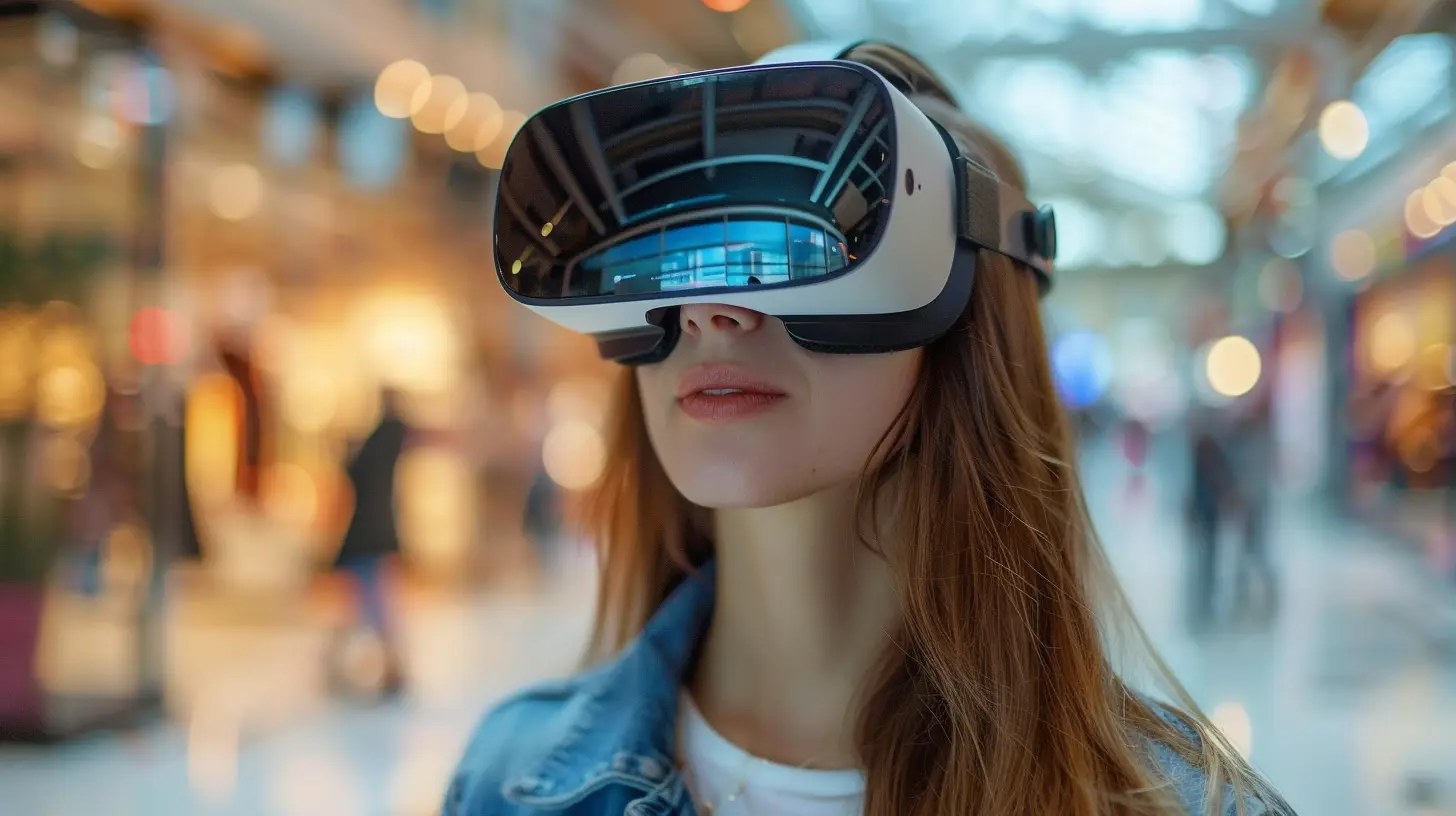
The Rise of Virtual Shopping
Traditional online shopping has always had one big drawback—you can’t physically experience the product before buying it. Ever ordered a shirt online only to find out it doesn’t fit right? Or purchased furniture that looks perfect in pictures but is completely off in real life?VR eliminates these frustrations by creating a digital shopping space where customers can interact with products as if they were in a physical store. Think of it as an upgraded version of online shopping, blending the best of both retail and digital convenience. 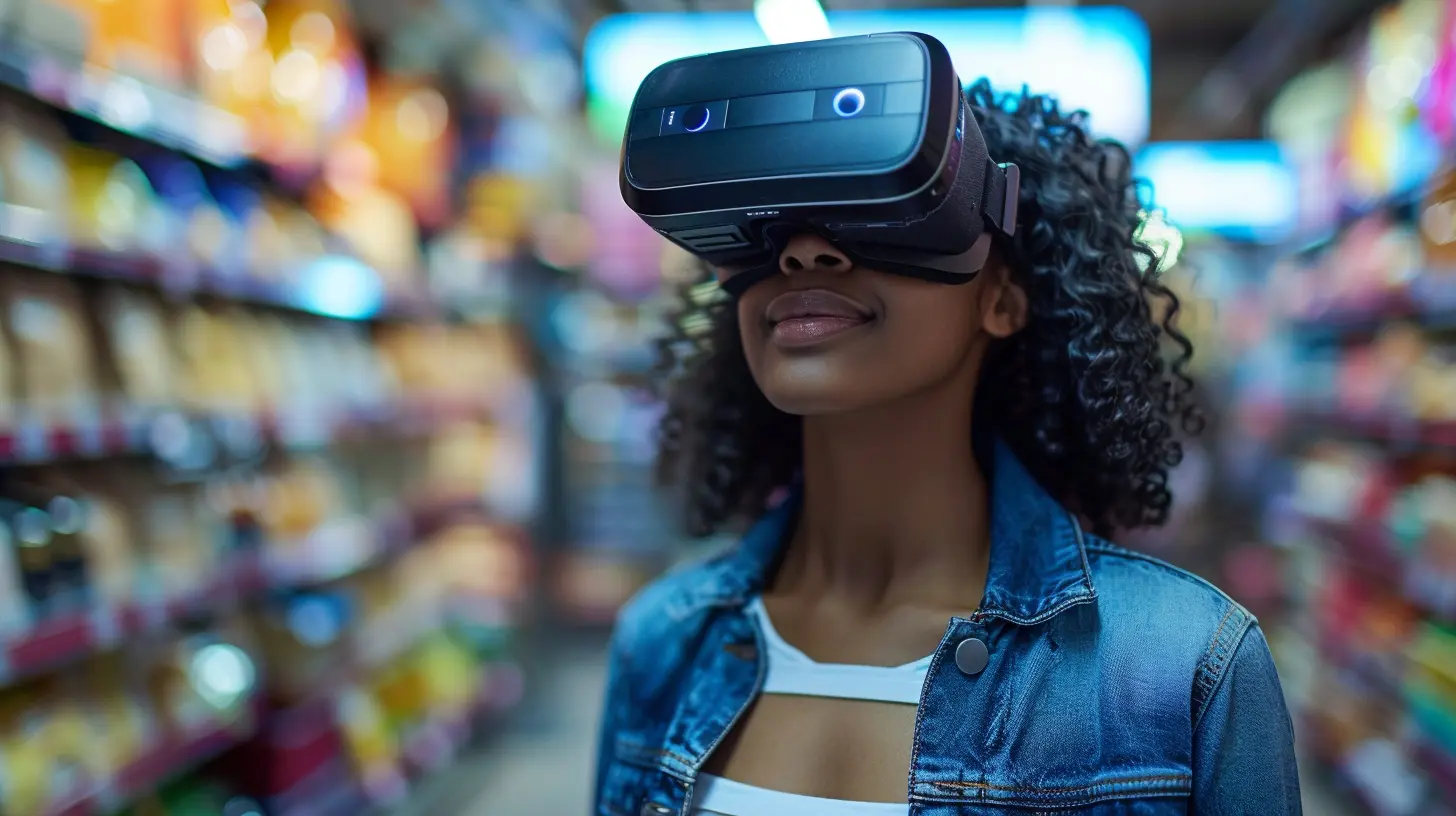
How VR Headsets Are Enhancing the Shopping Experience
1. Virtual Storefronts: The Future of Retail
Gone are the days when you had to scroll endlessly through product galleries. With VR, brands can create virtual stores that simulate the experience of shopping in a real boutique or mall.Picture yourself walking into a digital Nike store—browsing sneakers as if they were right in front of you. Or stepping into IKEA’s virtual showroom and testing out how a couch looks in your living room before making a decision. It’s like teleporting straight to the store without leaving your couch.
2. Try Before You Buy: Virtual Fitting Rooms
One of the biggest game-changers is virtual try-ons. VR headsets use augmented reality (AR) to allow customers to "wear" clothes, shoes, or even makeup before purchasing.Apps like Zara’s VR fitting room or Sephora’s Virtual Artist let users see how a dress fits or how lipstick shades look on them—all without stepping into a store. This leads to fewer return hassles and more confident buying decisions.
3. Immersive Product Testing
Ever wondered how a new car feels before buying it? With VR, you don't have to visit a dealership. Companies like Tesla and BMW now offer virtual test drives, giving customers a realistic experience of their latest models.Even electronics brands are hopping on board—Samsung and Sony let users test out their gadgets in a VR setting before they buy. Instead of just looking at specs and reviews, you get hands-on virtual interaction with the product.
4. Social Shopping: Shop With Friends in VR
Shopping has always been a social experience, and VR makes sure that doesn’t change. Some VR platforms allow you to bring friends into virtual stores, where you can shop together, discuss items, and even get real-time feedback.Imagine strolling through a VR clothing store with your bestie—even if they live in another country. It's like bringing back the fun of mall outings, but in a futuristic way.
5. Personalized Shopping Assistants
AI-powered virtual assistants are becoming smarter, and in VR shopping, they play a big role. These assistants can suggest products based on your preferences, guide you through a virtual store, or even offer styling advice based on what suits you best.Think of them as a mix between a personal shopper and an AI concierge—helping you find exactly what you need without the pushy sales tactics. 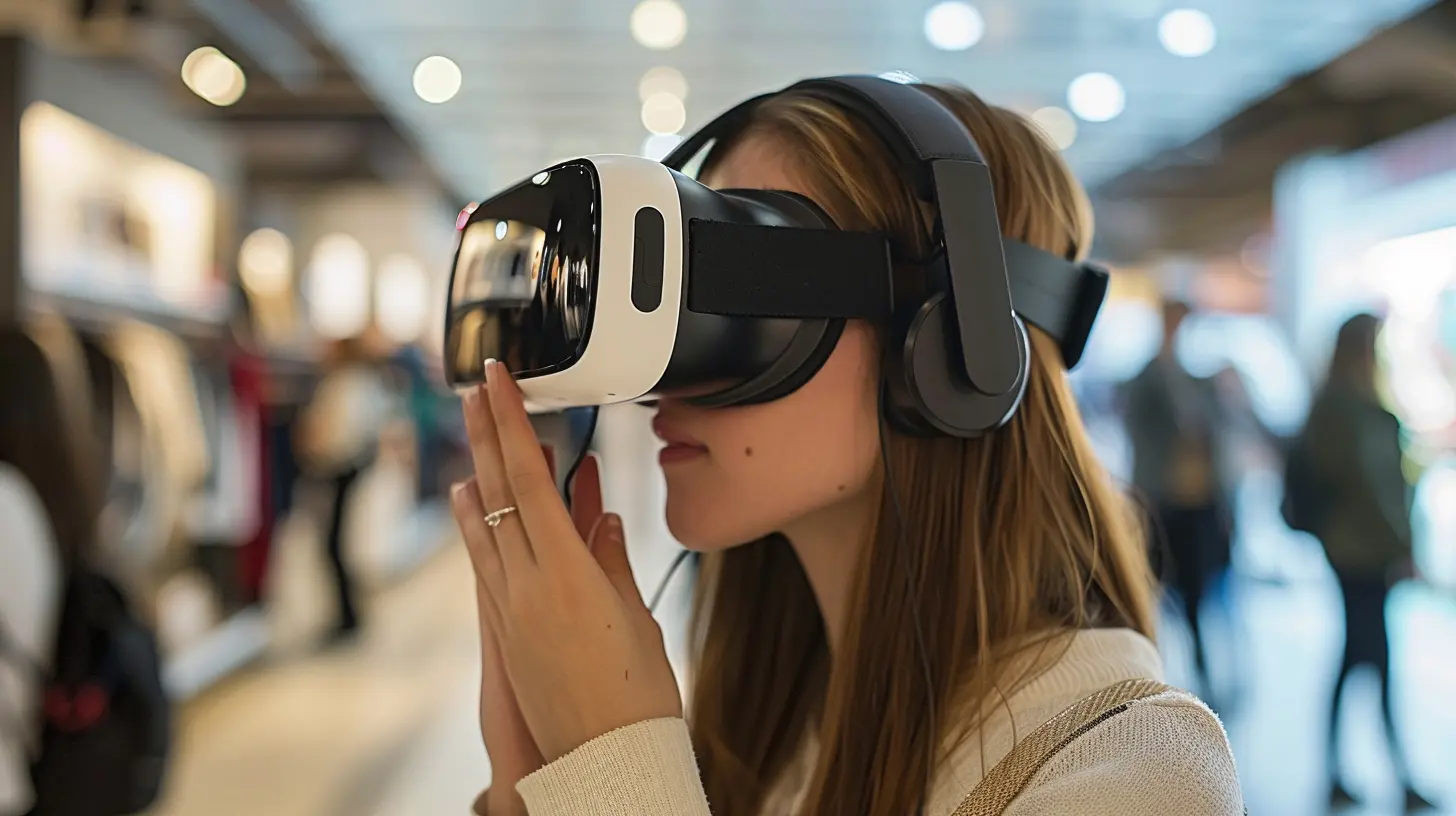
The Impact of VR Shopping on Businesses
Increased Customer Engagement
When shopping becomes interactive, customers spend more time engaging with products. A study by PwC found that VR shopping experiences increase customer engagement by up to 40% compared to traditional online browsing. The more engaged customers are, the higher the chances of a purchase.Reduced Return Rates
One of the biggest challenges in e-commerce is product returns. Since VR allows customers to try products virtually before buying, they have a better idea of what to expect. This leads to fewer returns, saving both customers and businesses time, money, and frustration.Competitive Advantage for Brands
Companies adopting VR shopping early are setting themselves apart from competitors. Just like mobile-friendly websites became essential for retail, VR shopping is quickly becoming the next big trend businesses can’t ignore.
The Challenges of VR Shopping
While VR shopping is exciting, it’s not without hurdles.1. Expensive Hardware
VR headsets are still relatively pricey. While devices like Meta Quest 2 and HTC Vive are becoming more accessible, not everyone owns one yet.2. Internet Limitations
VR shopping requires a stable, high-speed internet connection. Not all regions have the infrastructure to support seamless VR experiences, which limits accessibility.3. Adoption Resistance
Some shoppers still prefer the physical experience of touching and feeling products before buying. Change takes time, and mass adoption might take a few more years.What’s Next for VR Shopping?
With tech evolving rapidly, VR shopping is only going to get more advanced. Brands are already experimenting with haptic feedback, allowing users to "feel" textures in VR. Others are integrating AI-driven recommendations to make shopping even more intuitive.Soon, we might see VR shopping malls, where multiple brands come together in a single digital ecosystem. You could wander from store to store, grab a coffee in a virtual café, and even attend a live fashion show—all in a digital environment.
Final Thoughts
VR headsets are changing the way we shop online in ways we never imagined. They bring the convenience of e-commerce and merge it with the immersive, interactive experience of in-store shopping. From virtual fitting rooms to 3D product trials, this technology is making online shopping more engaging, personalized, and fun.While there are still hurdles to overcome, one thing is clear—VR shopping isn’t just a trend; it's the future of retail. So, are you ready to step into the virtual store of tomorrow?
all images in this post were generated using AI tools
Category:
Vr HeadsetsAuthor:

Jerry Graham
Discussion
rate this article
2 comments
Cynthia Carey
This article brilliantly highlights how VR is revolutionizing online shopping, making it more immersive and engaging for everyone.
August 13, 2026 at 3:10 AM
Jerry Graham
Thank you! I'm glad you found the discussion on VR's impact on online shopping insightful. It's an exciting time for retail innovation.
Solenne Rosales
Virtual reality is transforming online shopping in exciting ways. With immersive experiences, we can explore products like never before, making decisions easier and more engaging. This innovation not only enhances convenience but also brings a new level of excitement to our shopping journeys. The future looks bright!
June 9, 2026 at 4:35 AM
Jerry Graham
Absolutely! VR is revolutionizing how we shop, making it interactive and fun. It's exciting to see these advancements reshape our experiences. Exciting times ahead!