How AI is Enhancing the Capabilities of Robots in Manufacturing
3 August 2026
Imagine walking into a modern factory. Instead of rows of workers manually assembling parts, you see robots—sleek, efficient machines—working side-by-side with humans. They don’t just move blindly or follow dull, repetitive commands. These robots are learning, adapting, and making smart decisions on the fly. How’s that possible? The answer lies in the powerful synergy between artificial intelligence (AI) and robotics.
We’re not just talking about futuristic dreams anymore. The fusion of AI and robotics is reshaping manufacturing right before our eyes. Let’s dive deep and see how AI is amping up the game for robots in the manufacturing world.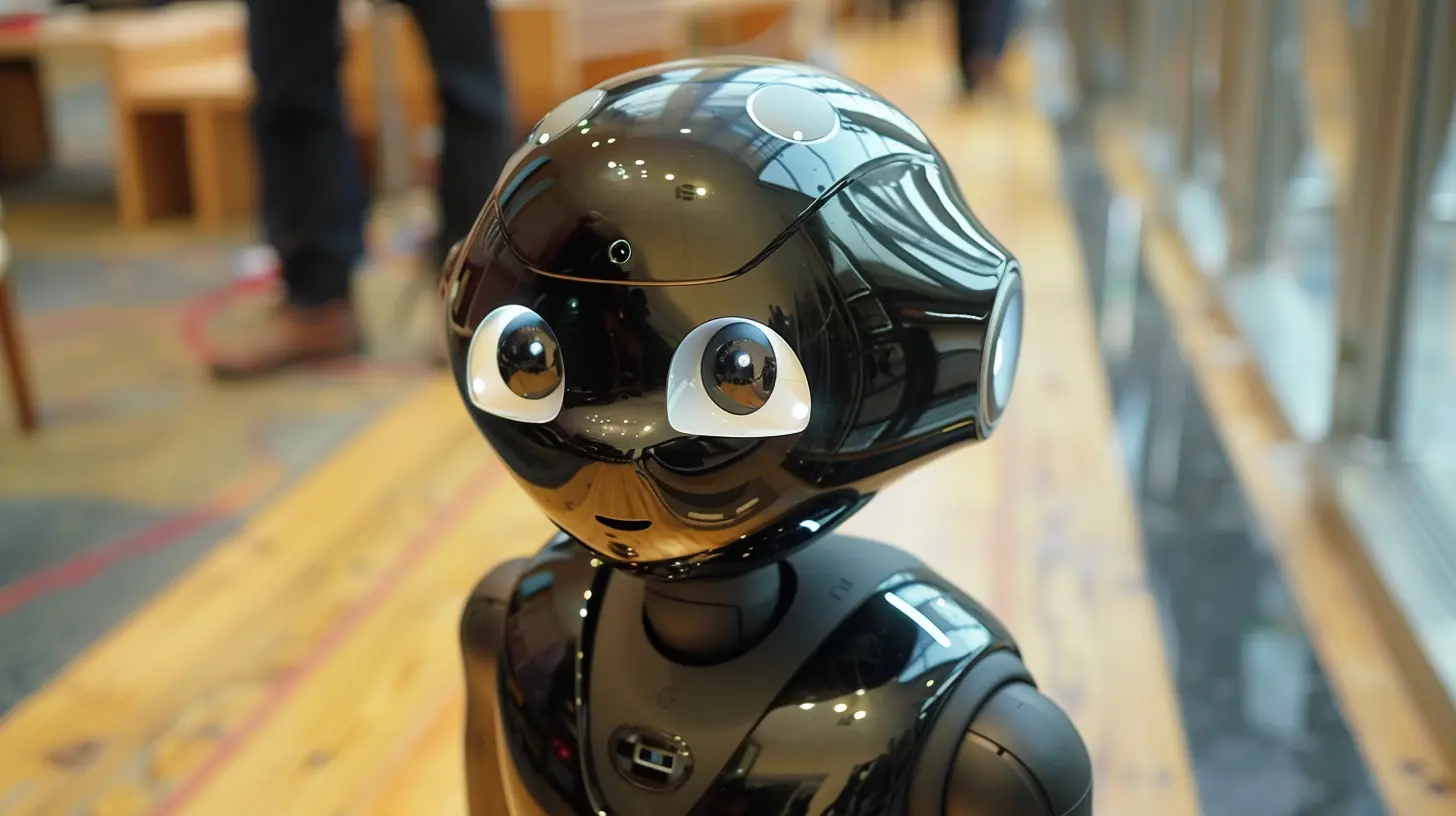
What Happens When Robots Get Smart?
Okay, so robots have been a part of manufacturing for decades now. Think of those big arms on automotive assembly lines—super strong, fast, and precise. But here’s the thing: they were kinda “dumb.” They could perform tasks, but only the tasks they were programmed for. If you asked them to do something slightly different, you might as well be talking to a brick wall.Enter AI.
With AI onboard, robots aren't just following orders—they're thinking, learning, and even predicting. AI gives these machines the ability to understand their environment, recognize patterns, and adapt in real-time. That’s like giving a calculator the brain of a chess grandmaster.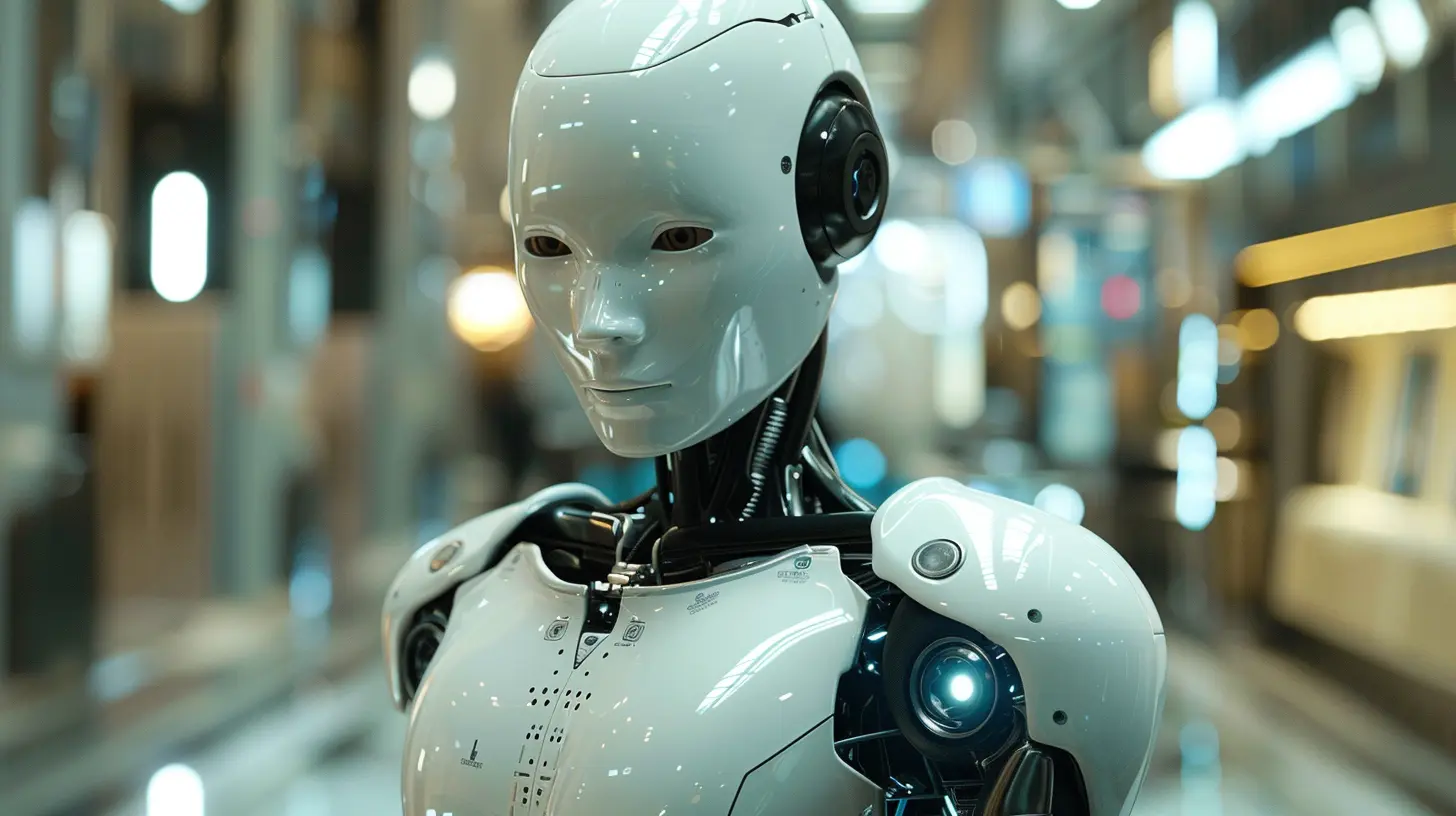
Smarter Robots = More Efficient Manufacturing
1. Predictive Maintenance: Fix It Before It Breaks
Ever had your car break down out of nowhere? Most people have. It’s frustrating, expensive, and usually happens at the worst possible time. Now, imagine that happening in a factory. One broken machine could cost thousands of dollars in downtime.This is where AI-powered robots shine. With built-in sensors and machine learning algorithms, they can predict when something is about to go wrong. Instead of waiting for a breakdown, they issue alerts ahead of time. Boom—problems fixed before they even happen.
2. Real-Time Quality Control
Let’s be honest—humans make mistakes. We get tired, distracted, or just miss things. AI-enhanced robots, on the other hand? They’ve got eagle eyes. Literally.Using computer vision and deep learning, these robots can detect the tiniest defects in products as they come off the line. They spot flaws faster and way more accurately than any human ever could. And that means fewer defective products, happier customers, and reduced waste. Win-win-win.
3. Greater Precision and Flexibility
Traditional robots are awesome at doing the same thing over and over. But what happens when you need to switch it up?AI makes robots flexible. They can learn how to handle different shapes, sizes, and materials. Some even learn by watching humans do a task once—and then they replicate it perfectly. It’s like having a super employee who never forgets, never complains, and always nails it.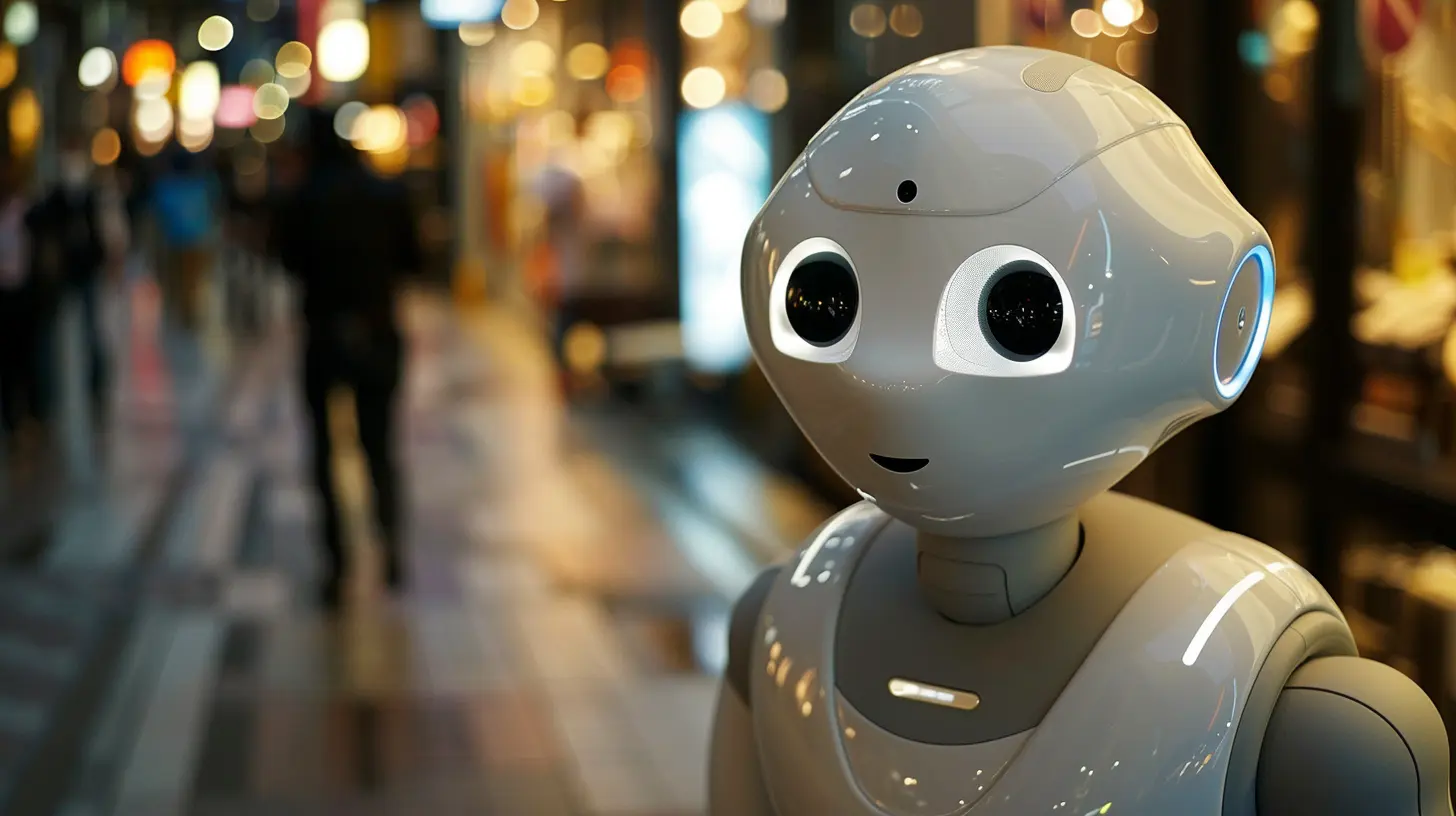
Collaborative Robots (Cobots): Working Hand-in-Hand with Humans
AI isn’t just making robots better at working alone—it’s making them great teammates too.“Cobots” are robots designed to work alongside humans. But they’re not just standing there doing half the job. Thanks to AI, they’re understanding human gestures, anticipating needs, and learning from experience.
Imagine you're assembling a product and the cobot hands you the next part before you even ask. It’s like working with someone who reads your mind (in a non-creepy way).
This collaboration reduces strain on workers, boosts productivity, and creates a safer, more engaging workplace.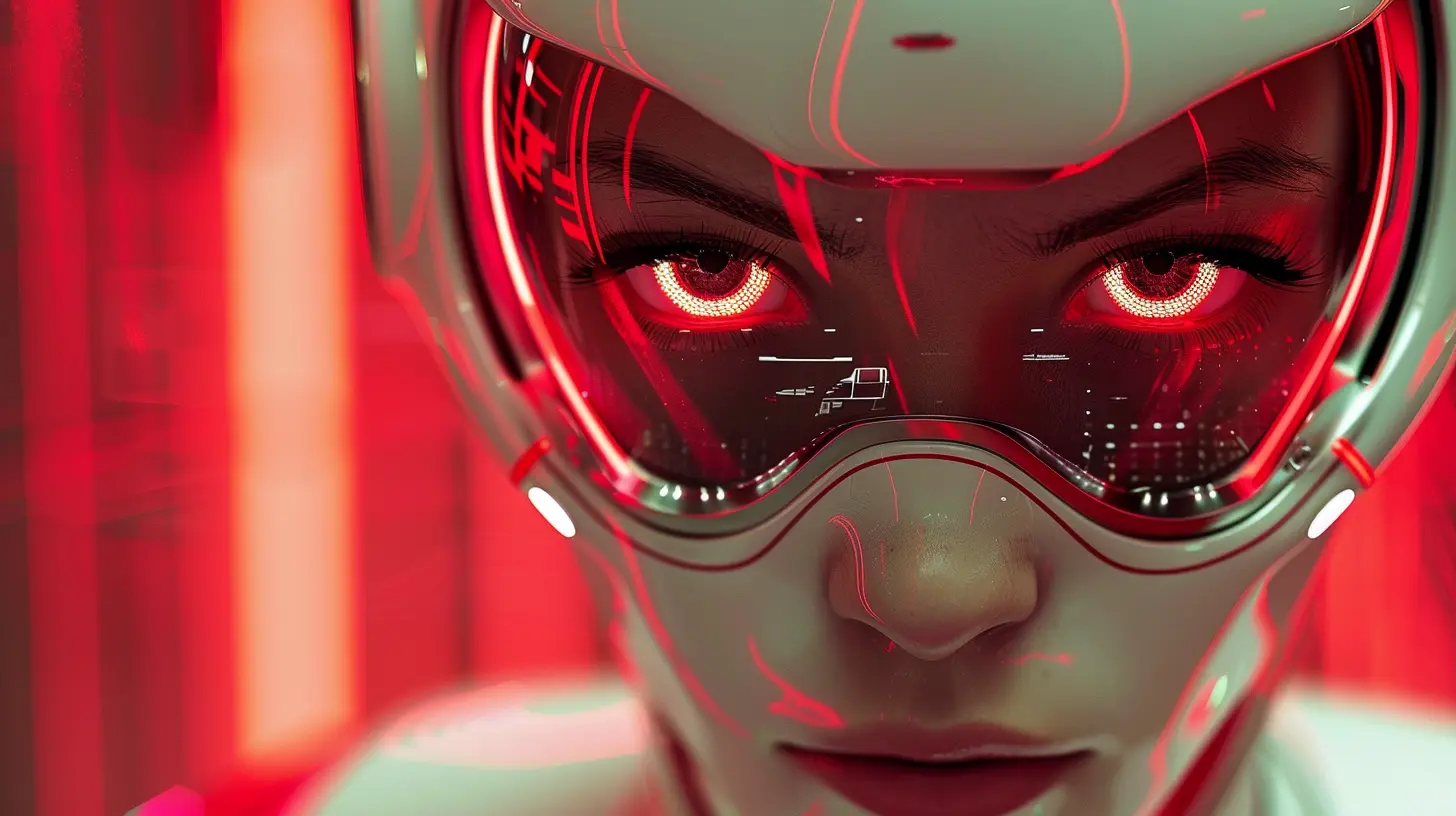
AI + Robotics = A Safer Factory Floor
One of the biggest concerns in manufacturing? Safety. Heavy machinery, fast-moving parts, and sharp tools—it’s a recipe for accidents.But now, AI-infused robots are stepping in to make factories safer.
They can:
- Detect when a human is nearby and slow down or stop.
- Analyze loads and movements to prevent tipping or slipping.
- Spot potential hazards and report them before an accident happens.
So yeah, they’re kind of like robotic guardian angels.
Adapting to Changing Demands
If we’ve learned anything in the past few years, it’s that change is constant. From global supply chain issues to sudden spikes in demand, manufacturing needs to be flexible.Old-school factory setups? Not so adaptable.
But AI-powered robots? They can pivot quickly. Machine learning lets them analyze data and tweak production workflows in real-time. Whether you're producing 100 widgets or 10,000, they adjust without missing a beat.
The Rise of Autonomous Mobile Robots (AMRs)
Let’s talk about movement. In traditional factories, materials often get shuffled around by conveyer belts or fork-lifts. Not exactly thrilling, right?Now, meet AMRs—autonomous mobile robots. These little guys are like self-driving cars for the factory floor. With AI guiding them, they map out the best routes, dodge obstacles, and deliver parts wherever they’re needed. No tracks, no cables, just smart navigation.
It’s not just cool—it’s efficient. And it frees up workers to focus on more important stuff.
Reducing Waste and Promoting Sustainability
Here’s a benefit we don’t talk about enough: AI-driven robots can actually help save the planet.By improving precision, tracking inventory in real-time, and reducing errors, these systems cut down on material waste. Fewer mistakes = less scrap. Plus, robots don’t need heating, cooling, or long commutes.
When paired with AI, factories become cleaner, leaner, and greener. It’s like turning your energy-hungry factory into a lean, mean green machine.
Challenges? Of Course. But They're Not Deal-Breakers
Now, let’s keep it real. The road to AI-powered robotics isn’t all smooth sailing. There are challenges:- High upfront costs: Yeah, it’s an investment.
- Data privacy and security: More tech = more data risks.
- Workforce fears: “Are robots taking my job?”
These are valid concerns. But the good news? Solutions are being developed. Many companies are looking at AI and robotics as tools to enhance the human workforce, not replace it. Training programs, upskilling, and stronger cybersecurity are all part of the bigger picture.
The future? It’s collaborative.
Real-World Examples: AI and Robots Playing Nice
Let’s bring this to life with a few real-world cases:- BMW uses AI-powered robots to detect paint defects. They find tiny imperfections even a seasoned worker might miss.
- Foxconn, the electronics giant, uses AI robots on its assembly lines to improve precision and reduce errors.
- Amazon has gone all-in on AI and robotics, using them in warehouses to pick, pack, and ship with crazy efficiency.
These companies aren’t just experimenting—they’re leading the charge.
What’s Next? The Future Is Bright (And Smart)
We’ve only scratched the surface here. As AI gets more advanced—think natural language processing, emotional recognition, and real-time decision-making—robots will only get smarter. We're headed toward factories that almost run themselves, where humans and machines work in harmony.Will robots ever fully replace humans? Probably not. But will they make our jobs easier, safer, and more efficient? Heck yes.
It's not man vs. machine. It's man and machine.
Final Thoughts
Manufacturing isn't just about bolts and gears anymore. It’s about brains—digital ones, powered by AI. Whether you’re a factory worker, a manager, or just someone fascinated by tech, there’s no denying that AI is the secret sauce making robots smarter, faster, and more capable.AI is transforming manufacturing from the inside out, making it more agile, resilient, and human-friendly. And the best part? We’re just getting started.
all images in this post were generated using AI tools
Category:
Artificial IntelligenceAuthor:

Jerry Graham
Discussion
rate this article
1 comments
Lilith Bass
If robots start brewing coffee and telling dad jokes, we might just have the ultimate manufacturing team. Just imagine: perfectly made products and puns that will knock your socks off... or at least your shoes!
August 4, 2026 at 3:19 AM
Jerry Graham
That sounds like a fun future! Who wouldn't want a robot that can make great coffee and keep us laughing while working? It's all about blending productivity with personality.