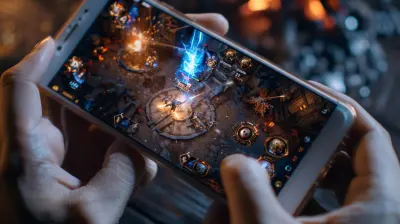
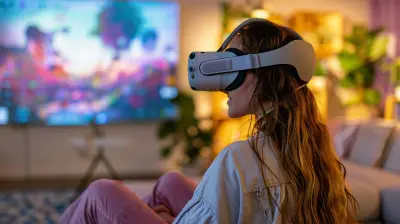
Will Smart Wearables Redefine E-Commerce Entry Points?
22 August 2026
The checkout page is dying. Not literally, of course, but its role as the primary gateway to a purchase is being quietly dismantled by the devices strapped to our wrists, clipped to our collars, and wrapped around our fingers. For the past two decades, e-commerce has operated on a simple model: a user opens a browser or app, browses a catalog, adds items to a cart, and completes a transaction. That funnel is linear, deliberate, and requires active attention. Smart wearables break that model because they introduce a new reality: commerce can happen in the background, triggered by context, biometrics, or simple voice commands, without the user ever looking at a screen.
The question is not whether wearables can process payments. They already do. The question is whether they can become a genuine entry point for discovery, consideration, and purchase, rather than just a faster way to confirm a transaction that started elsewhere. The answer is more nuanced than a simple yes or no, and it depends heavily on how retailers, platform developers, and consumers navigate a set of very real constraints.
The Shift from Pull to Push
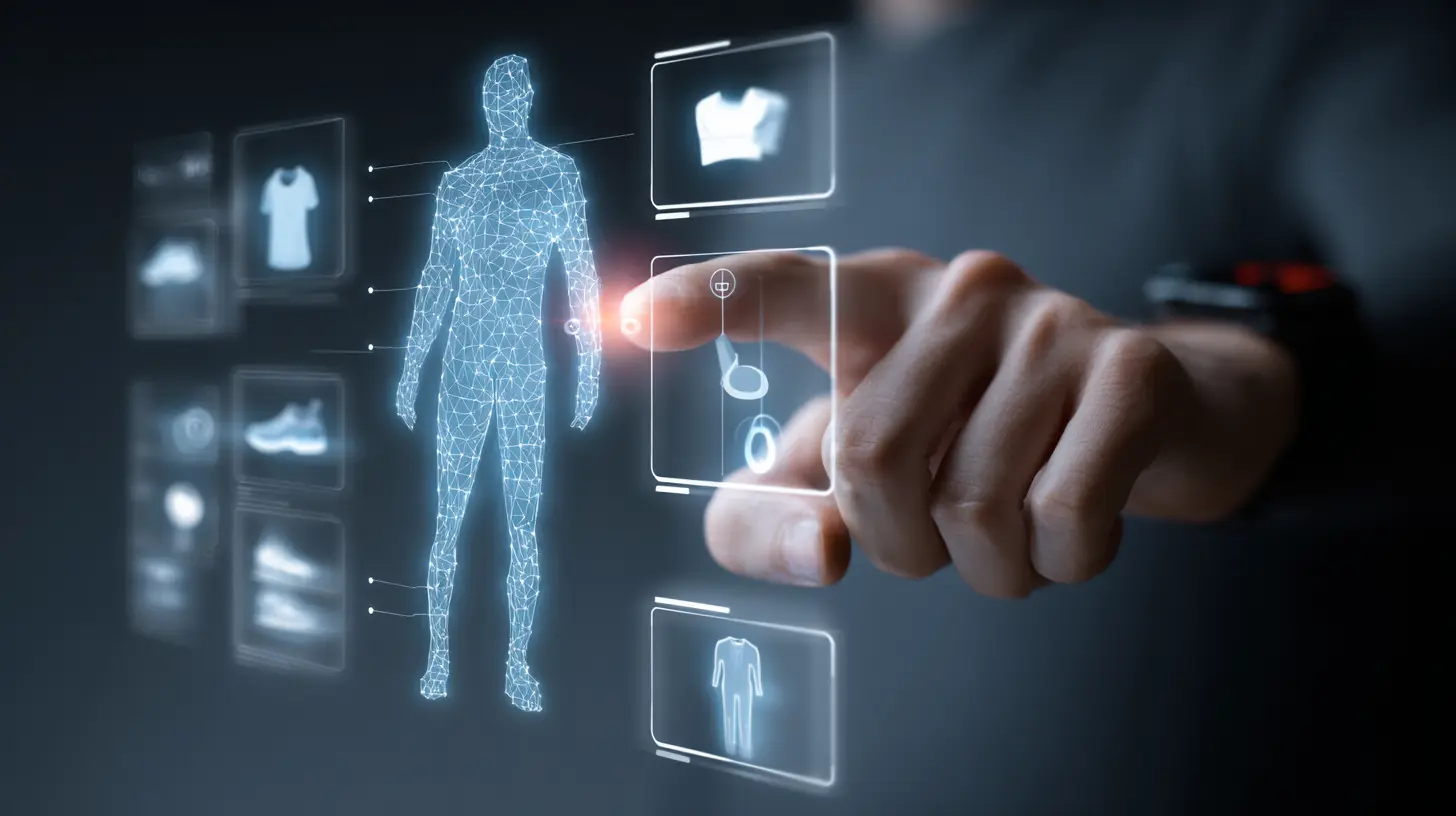
Traditional e-commerce is pull-based. The consumer feels a need, searches for a solution, and pulls a product into their life. Wearables flip this dynamic. They are inherently push-based. A smartwatch buzzes with a notification, a fitness tracker identifies a pattern, or a voice assistant hears a conversation and offers a suggestion. The purchase intent is not generated by the user's active search; it is generated by the device's interpretation of context.This is a fundamental change. When a user searches for "running shoes" on a phone, they have already decided they want running shoes. When a wearable suggests a hydration pack because your heart rate and sweat level indicate a long workout, the device is creating a need you did not articulate. That is a much harder sell, but it is also a much more powerful one. The entry point is no longer a search bar; it is a moment of physiological or environmental relevance.
Consider the practical implications for a retailer. A push-based entry point requires a different kind of data infrastructure. You are no longer waiting for the customer to come to you. You are sending a signal to a device that is already on their body, and that signal must be timely, unobtrusive, and genuinely useful. If it is not, the user will disable notifications, and the entry point closes permanently. This is the first major trade-off: the convenience of proactive commerce is directly proportional to the user's tolerance for interruption.
The Payment Layer Is Already Here
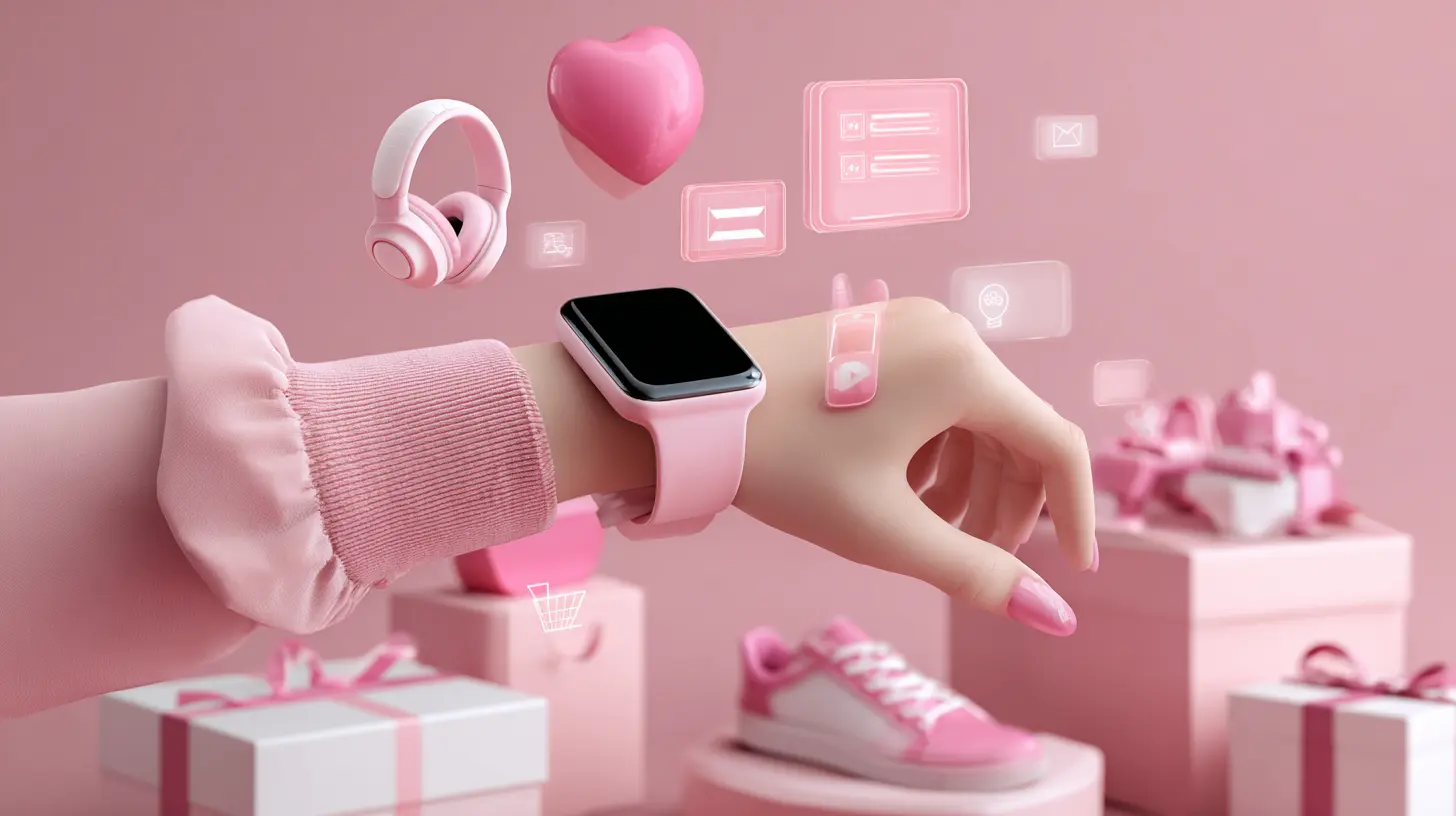
The technical barrier to wearable commerce has been solved for years. NFC chips in smartwatches and fitness bands allow for contactless payments at physical terminals. The same chips can be used for in-app purchases or peer-to-peer transfers. The infrastructure is mature, secure, and widely accepted. What is missing is not the ability to pay, but the ability to decide.On a phone, the decision to buy is supported by a rich interface: product images, reviews, comparison tables, and detailed specifications. On a watch face, you have a few square centimeters of screen space and a limited set of interaction gestures. You can show a product image and a price, but you cannot show a 360-degree view or a customer review with a photo of the item in use. This forces a simplification of the purchase decision, which is either a blessing or a curse depending on the product category.
For low-cost, high-replenishment items like coffee, snacks, or transit tickets, the wearable is an ideal entry point. The decision is low-risk, the user has bought the item before, and the speed of checkout is the primary value proposition. For high-consideration items like electronics, furniture, or apparel, the wearable is a terrible place to make a final decision, but it is an excellent place to initiate a transaction that will be completed elsewhere. The watch can say, "Your preferred headphones are on sale for 20% off. Want to add them to your cart?" The user can confirm with a tap, and the actual purchase happens on the phone or laptop later. This is the hybrid model, and it is likely the dominant pattern for the next few years.
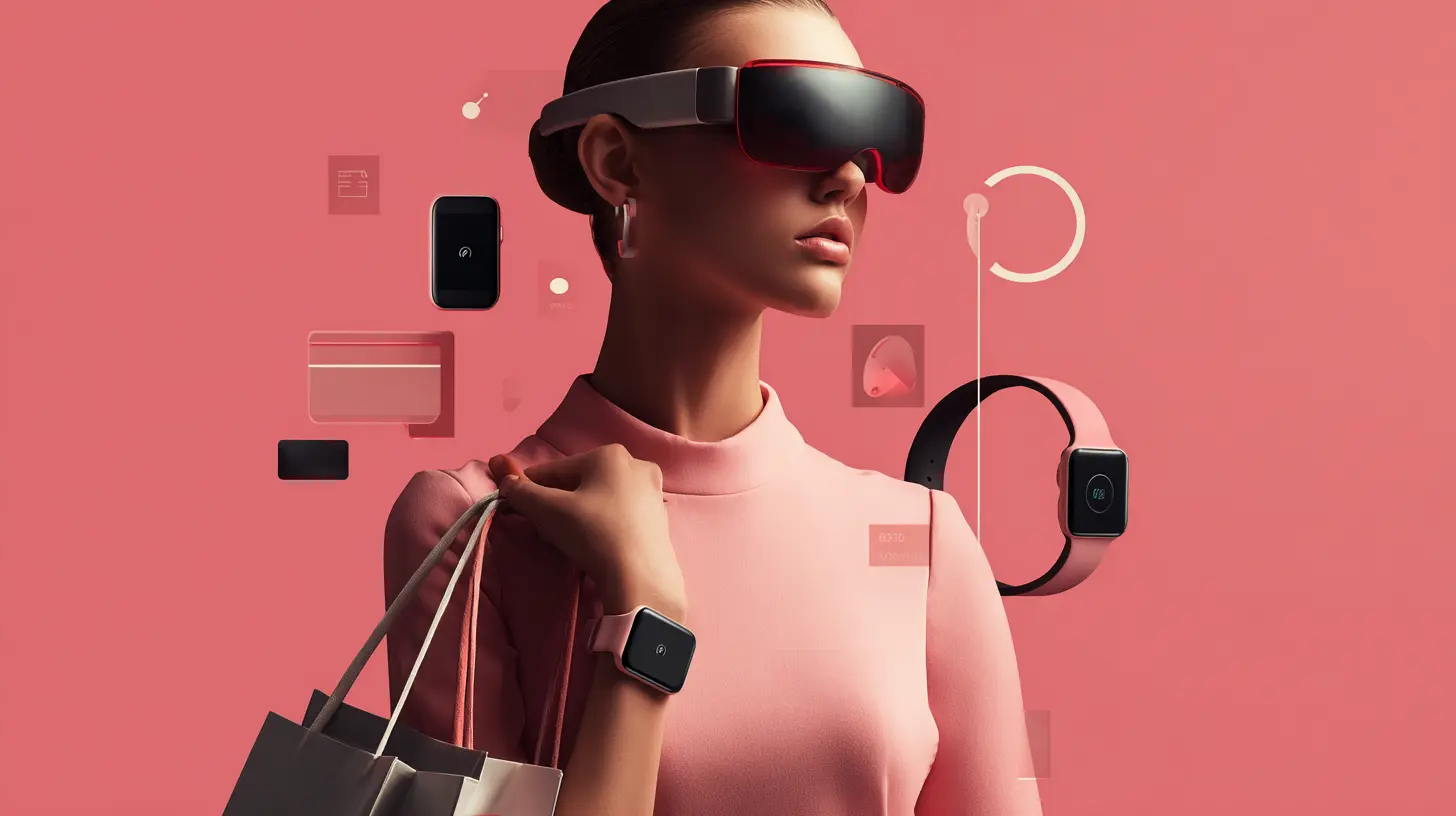
Voice as the Primary Interface
The most underrated aspect of wearable commerce is voice. A smartwatch with a microphone and a speaker is, first and foremost, a voice interface. The screen is for confirmation, not exploration. This changes the language of commerce. Instead of typing "wireless charger" into a search field, the user says, "Order the same wireless charger I bought last month." The entry point is a spoken command, and the device must interpret intent, match it to a past purchase, and execute a transaction with minimal friction.Voice commerce has a notorious problem with trust. Users are reluctant to say "buy" out loud because they fear accidental purchases or misinterpretation. This is a legitimate concern, and it is why the best voice commerce implementations use a two-step confirmation: the device states what it will buy, and the user must explicitly confirm. This adds a second of friction, but it builds confidence. The mistake many early voice commerce systems made was trying to reduce friction to zero. That backfired. The user needs to feel in control, even if the control is just a verbal "yes" after the device makes its case.
For the wearable to be a genuine entry point, the voice interface must be proactive but not pushy. It should offer suggestions based on context, but it should never assume intent. A fitness watch that says, "You usually drink a recovery shake after your run. Want me to order one?" is helpful. The same watch saying, "You are low on protein bars. Buy more?" after a single missed meal is annoying. The difference is the quality of the contextual signal and the frequency of the suggestion. Over-suggestion is the fastest way to kill the channel.
The Role of Biometrics and Contextual Data
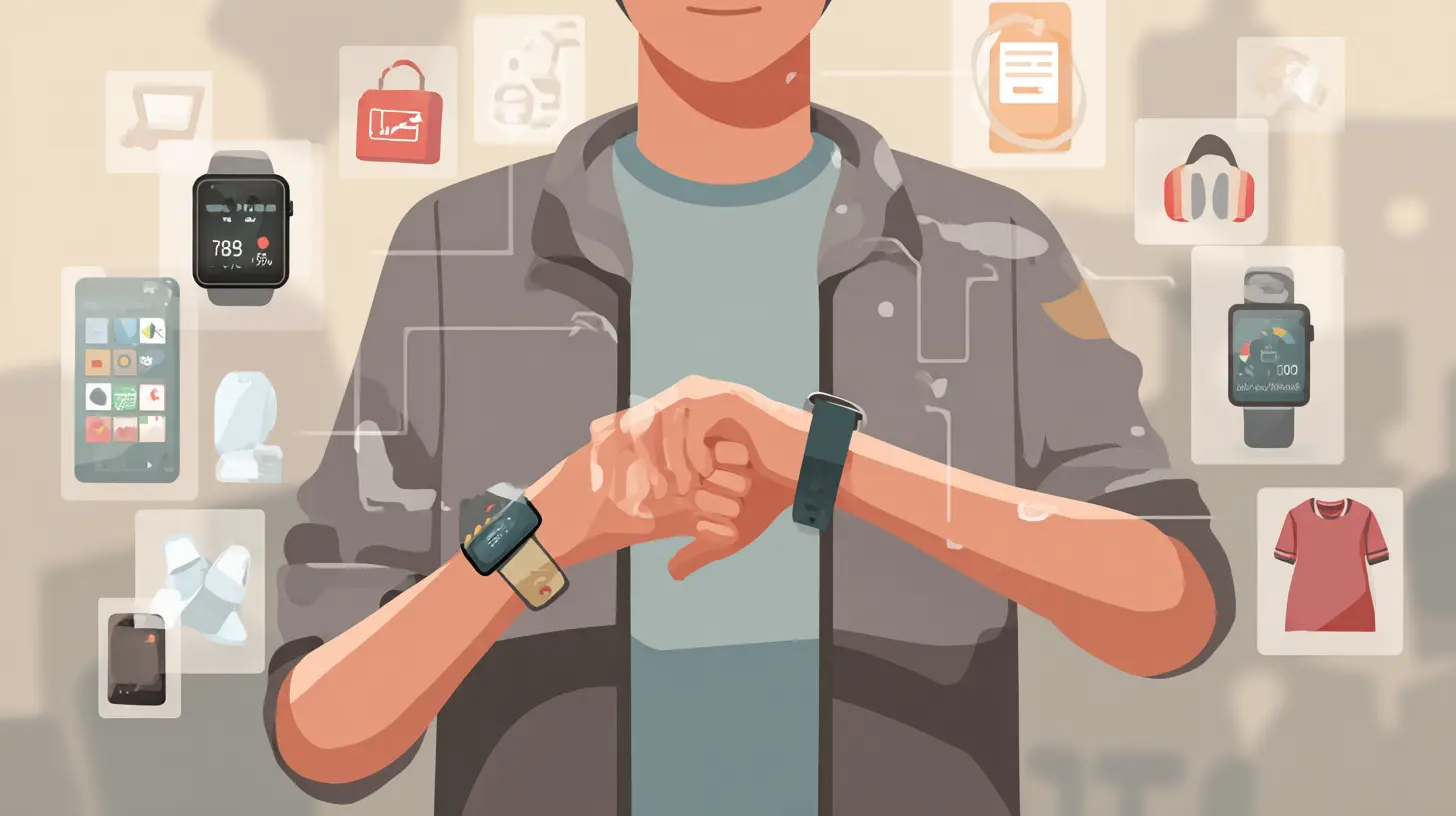
Here is where wearables have an advantage that no other device can match: they are attached to your body. They know your heart rate, your sleep patterns, your activity levels, your location, and even your stress levels. This data, when used ethically and transparently, can create entry points that are not just convenient but genuinely valuable.Imagine a smart ring that detects a rise in body temperature and suggests a hydration electrolyte mix. Or a watch that notices you have been sitting for two hours and offers a discount on a standing desk accessory. These are not gimmicks; they are solutions to problems the user may not have consciously recognized. The key is that the suggestion must be framed as a service, not a sales pitch. The wearable is acting as an assistant that happens to have a store attached.
The ethical line here is thin. Using biometric data to trigger a purchase can easily cross into manipulation. If a device detects that you are sad and suggests a comfort purchase, that is predatory. If it detects that you are dehydrated after a workout and suggests a drink, that is helpful. The difference is the intention and the transparency. Retailers who want to use biometric data for commerce must be explicit about what data is being used and why. The user must be able to opt out without losing the core functionality of the device. Any attempt to hide the data collection will destroy trust, and without trust, the wearable becomes a paperweight.
The Friction of Setup and Onboarding
A major misconception is that wearables are easy to adopt because they are small and unobtrusive. The opposite is true. The initial setup of a smartwatch or a fitness tracker is notoriously painful. You have to pair it with a phone, install an app, create an account, grant permissions, and configure notifications. Then you have to link a payment method, set up biometric authentication, and decide which apps can send alerts. This is a lot of friction, and it happens before the user has experienced any value.For e-commerce entry points to work, the onboarding process must be streamlined to the point of invisibility. The user should not have to think about linking a payment card to the watch; the watch should inherit the payment methods from the phone automatically. The user should not have to manually enable purchase notifications; the device should ask once, with a clear explanation of what it will do, and then respect the user's choice.
The companies that succeed in wearable commerce will be the ones that treat onboarding as a design problem, not a technical one. The goal is to get the user from unboxing to first purchase in under five minutes. Every extra step in the setup process is a potential dropout point. And once a user abandons the setup, they rarely come back.
Comparing Wearables to Other Entry Points
To understand the potential of wearables, it helps to compare them to the entry points we already have. The phone app is the current gold standard. It offers a full-screen experience, persistent login, and a rich history of past purchases. The web browser is more open but less personalized. Voice assistants like smart speakers are useful for replenishment but lack the mobility and biometric context of a wearable. The physical store is still the best for high-touch products but requires travel and time.Wearables sit somewhere between voice assistants and phones. They have the mobility of a phone but the limited interface of a voice assistant. They have the biometric context of a fitness tracker but not the screen real estate of a laptop. This means they are not a replacement for any existing entry point; they are a complement. The best strategy is to use the wearable as a trigger and a confirmation device, while the phone or desktop handles the heavy lifting of comparison and finalization.
For example, a user might see a notification on their watch that a product they viewed on their phone is now in stock. They tap the watch to reserve it, and the phone opens the checkout page with the item pre-loaded. The watch did not complete the purchase; it initiated it. This division of labor is practical, and it respects the strengths and weaknesses of each device.
The Problem of Screen Size and Product Discovery
Product discovery is the hardest problem in wearable commerce. On a phone, you can scroll through a feed, see recommendations, and browse categories. On a watch, you can see a list of maybe three items at a time, and scrolling is awkward. This makes the wearable a poor tool for exploration. The user cannot "browse" in the traditional sense.The solution is to shift discovery to other devices and use the wearable as a filter. The phone or desktop is where the user discovers new products. The wearable is where the user acts on those discoveries. This means the wearable entry point is not about generating new interest; it is about converting existing interest into a transaction with minimal effort. The watch is the last step in a journey that started elsewhere.
This has a strategic implication for retailers. You cannot treat the wearable as a standalone channel. You have to integrate it with your existing e-commerce ecosystem. The user's cart must sync across devices. The recommendations on the watch must be based on the user's browsing history on the phone. The watch is an extension of the store, not a separate store. Retailers who try to create a unique wearable-only catalog will fail because the user has no way to discover those products.
The Security and Trust Barrier
Security is the elephant in the room. A device on your wrist that can authorize payments is a tempting target for thieves and hackers. The physical security is actually decent: most wearables require the device to be on your wrist to authenticate, and they use biometric sensors to confirm it is you. But the digital security is more complex. The wearable communicates with the phone, which communicates with the cloud, and each link in that chain is a potential vulnerability.The best practice is to use tokenization. The wearable does not store your actual card number; it stores a token that is useless outside the specific transaction context. The token is refreshed regularly, and it is tied to the device's unique identifier. This is the same technology used by Apple Pay and Google Pay, and it is proven to be secure. The user should be educated about this, because the fear of a hacked watch is often based on a misunderstanding of how the payment system works.
Another trust issue is the accidental purchase. A user might bump their wrist against a terminal and trigger a payment, or a voice command might be misheard. This is why most wearable payment systems require a double-tap or a verbal confirmation. The user should always have to explicitly authorize a transaction, even if the authorization is a single tap. The moment a wearable can authorize a purchase without user input, it becomes a liability.
The Future: From Transaction to Relationship
The most interesting potential of wearables is not the transaction itself but the ongoing relationship. A wearable can track the usage of a product after purchase. A smartwatch can tell a retailer that a user has worn a specific pair of shoes 50 times, or that a smart home device is being used more than expected. This post-purchase data is invaluable for retention marketing, replenishment, and product improvement.For example, a coffee subscription service could use a wearable to detect when the user is running low on energy and suggest a reorder. A clothing brand could use a fitness tracker to understand the user's activity level and recommend more appropriate apparel. This is the shift from selling a product to managing an outcome. The wearable is the bridge between the product and the user's daily life.
This is also where the trust issues become most acute. Users are comfortable sharing biometric data with a health app, but they are less comfortable sharing it with a retailer. The retailer must earn the right to that data by providing clear value in exchange. The value cannot be just a discount; it has to be a genuine improvement in the user's experience. If a wearable can make a user's life easier, they will share data. If it just wants to sell them more stuff, they will turn it off.
Practical Recommendations for Retailers
If you are a retailer or a platform developer, the first step is to stop thinking of wearables as a new sales channel and start thinking of them as a new interface for your existing channel. The backend infrastructure, the inventory, the pricing, and the customer service are all the same. What changes is the frontend interaction model.Start with a simple use case. Pick a product category that is low-cost, high-frequency, and easy to describe. Coffee, snacks, toiletries, and transit passes are good candidates. Implement a voice or tap-to-order flow that is limited to that category. Measure the adoption rate, the error rate, and the user feedback. Do not try to sell everything through the watch. The wearable is not a department store; it is a vending machine for the things you buy on autopilot.
Second, invest in the notification design. The notification is the entry point, and it must be contextual, timely, and rare. A user should receive no more than one or two purchase suggestions per day. Anything more is spam. The notification should always include a clear reason for the suggestion, such as "You usually buy this on Fridays" or "Your last order was three weeks ago." The user should be able to dismiss the suggestion with a single swipe, and the system should learn from that dismissal.
Third, integrate the wearable with your loyalty program. The wearable is a natural fit for loyalty because it is always with the user. A store can send a notification when the user is near a physical location, offering a personalized discount based on their purchase history. The wearable can also track points and rewards without requiring the user to open an app. This creates a seamless loop between online and offline commerce, which is something no other device can do as effectively.
The Realistic Timeline
We are not going to see a world where everyone buys everything through a smartwatch. The screen is too small, the input methods are too limited, and the trust barrier is too high. What we will see is a gradual expansion of the wearable's role from payment confirmation to purchase initiation. The first wave will be replenishment and low-consideration items. The second wave will be contextual suggestions based on biometrics and location. The third wave, which is further out, will be predictive commerce, where the wearable anticipates a need before the user is even aware of it.The companies that win will not be the ones with the most advanced hardware. They will be the ones that understand the user's tolerance for interruption and the importance of trust. A wearable is an intimate device. It is on your body, and it knows your habits. That intimacy is a privilege, not a right. The brands that treat it with respect will find that the wearable is not just an entry point to e-commerce; it is the most powerful relationship-building tool they have ever had. The ones that abuse it will find that the user takes the watch off and never puts it back on.
all images in this post were generated using AI tools
Category:
E Commerce TechnologyAuthor:

Jerry Graham
Discussion
rate this article
2 comments
Trixie McGrath
Smart wearables could transform shopping by integrating convenience and personalization seamlessly.
September 13, 2026 at 4:05 AM
Rivera Jackson
This article raises important points about how smart wearables can transform e-commerce. It's exciting to think about the new opportunities and connections these devices could create.
September 8, 2026 at 4:06 AM
Jerry Graham
Thanks for your thoughts! I agree, the potential for smart wearables to shape e-commerce is truly exciting. Looking forward to seeing how these innovations unfold.