The Role of Social Features in Today’s Mobile Games
23 July 2026
Let’s face it—mobile gaming isn’t what it used to be. Gone are the days when we played endless rounds of Snake on tiny monochrome screens. Now, mobile games are complex ecosystems, often rivaling console and PC titles in terms of player engagement and revenue potential. But what’s fueling this meteoric rise?
One major factor: social features.
From sharing scores on social media to full-blown multiplayer matchmaking, social functionality is transforming how we play, why we play, and even how long we stick around. So, let’s dig into how social features are reshaping mobile games—and why game developers can’t afford to ignore them.
Why Social Features Matter in Mobile Gaming
Let’s start with the big picture. Mobile gaming is no longer a solo sport. In fact, the most successful mobile games today are the ones that make you feel like you're part of something bigger—a community, a squad, or even a global leaderboard.It’s All About Human Connection
We humans are wired to connect. It’s in our DNA. So when a game taps into that fundamental need, it’s no surprise that we stick around longer. Just think about it—how many times have you kept playing a game just because your friends were into it too?Social features add that sticky layer of emotional investment. We’re not just playing for fun anymore—we’re playing for connection.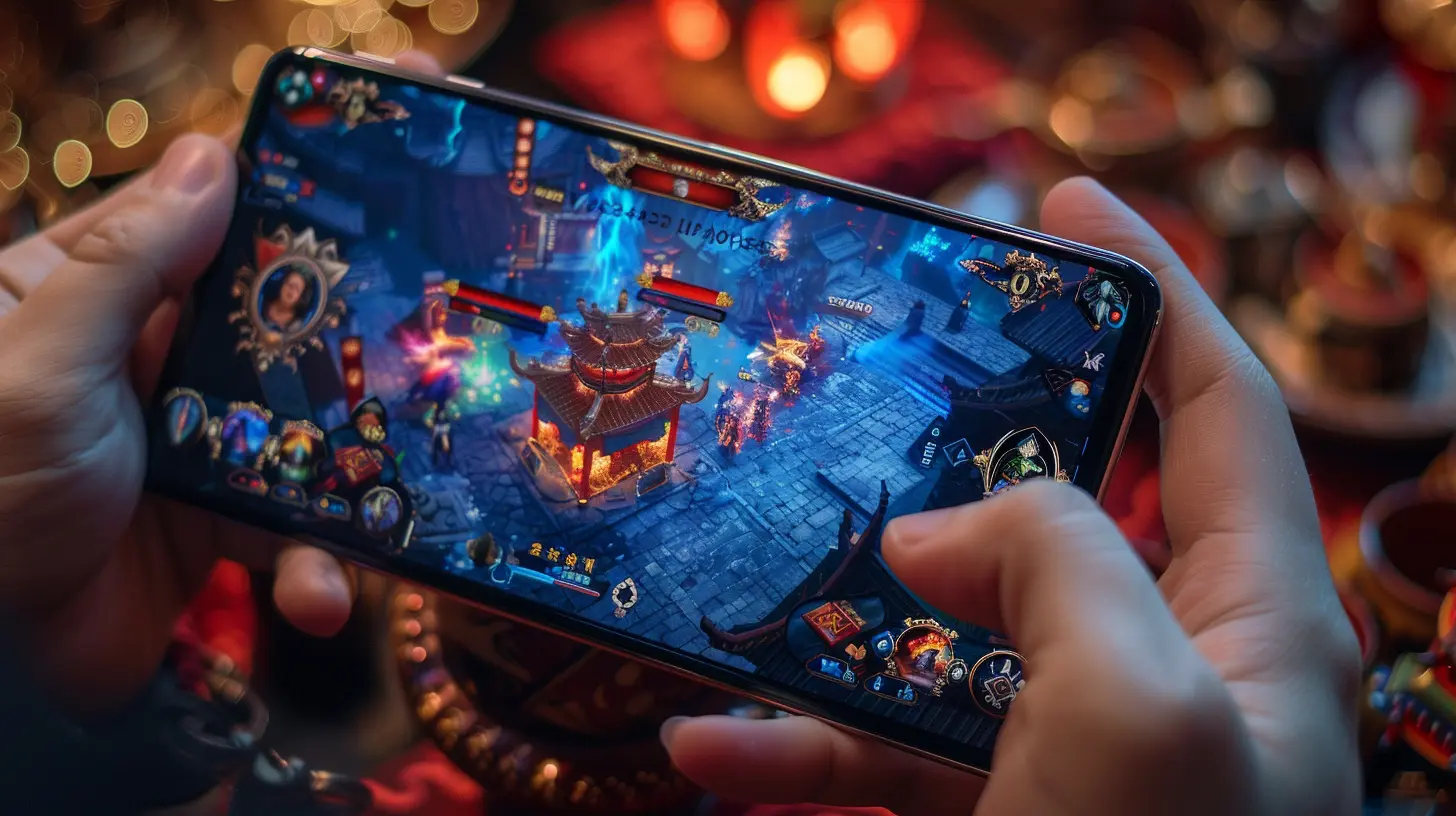
Social Features: The Game-Changing Elements
Let’s break it down. Social features in mobile games typically fall into a few categories. Each plays a unique role in keeping players engaged and invested.1. Social Login and Friend Invites
Ever noticed how most games ask you to log in with Facebook or Google? That’s not just for saving progress—it’s a foot in the social door. The moment you sync your account, the game knows who your friends are, and instantly you’re invited to challenge them, gift them, or beat their high scores.Friend invites are gold for viral growth. One player invites three friends, who invite three more... and boom—the game goes viral without spending a dime on ads.
2. Leaderboards and Score Sharing
There’s something addictive about seeing your name on a leaderboard, isn’t there? It scratches that competitive itch we all have. And when you can share your achievements with just a tap? Even better.These features turn passive players into active promoters. Just by sharing a high score on Twitter or a new badge on Instagram, players are indirectly advertising the game.
It’s modern-day word of mouth—and it works.
3. Multiplayer and Co-op Modes
Real-time multiplayer in mobile games used to be a luxury. Now, it’s almost expected. Whether it’s PvP battle arenas or cooperative boss fights, teaming up with or against other players adds that extra thrill.It’s not just about winning either. It’s the shared experience, the camaraderie (or rivalry) that keeps people coming back.
Games like Call of Duty: Mobile or PUBG Mobile have capitalized on this masterfully. And guess what? They’re dominating because of it.
4. Guilds, Clans, and Alliances
If you’ve ever been part of an in-game clan, you know how seriously people take it. These social structures act like mini-communities inside the game. You chat, strategize, and support each other—which basically turns the game into a digital social club.Guilds also create long-term engagement. Players hesitate to leave a game when it means abandoning their in-game family.
5. In-Game Chat and Emojis
Communication is key, even if it’s just spamming emojis after a win. In-game chat, whether text or voice, deepens the social layer. It helps players form bonds, joke around, or coordinate strategies in real time.If you can talk to someone, you’re more likely to feel connected to them—and by extension, to the game.
Social Features Drive Retention Like Crazy
Let’s talk numbers (don’t worry, I’ll keep it simple). Retention is a big deal in mobile gaming. Developers don’t just want downloads—they want players who stick around for weeks or even months. And you know what keeps people coming back?Social features.
According to various industry studies, games with social features can increase retention rates by 20–50% compared to those without them. Why? Because leaving isn't just quitting a game—it’s leaving a community. That’s a much harder decision.
Monetization and Social: The Perfect Pairing
Okay, let’s talk money. Free-to-play games might be free to install, but they still need to make money. Enter social monetization.The Power of Peer Influence
When you see a friend flexing a cool skin or a rare item, what’s your first thought? “I want that too.” That’s peer pressure in action—and it works beautifully in games.Social comparison drives in-app purchases like nothing else. Cosmetic items, VIP statuses, or premium passes—these become must-haves when your clanmates are flaunting them.
Gifting and Microtransactions
Some games let you gift items or power-ups to friends. It’s a clever mechanic. Not only does it encourage spending, but it also strengthens social bonds.It’s like the digital version of buying coffee for a friend. Small gesture, big impact.
How Social Features Fuel Virality
Going viral isn’t just luck—it’s a strategy. And social features are a massive part of that strategy in the mobile gaming world.When you can easily invite friends, share highlights, or challenge others through social media, you're turning players into marketers.
Think of it this way: Every social interaction inside the game has the potential to become a public post. And every post is a free ad.
Games like Among Us and Words With Friends exploded because of this “share-and-challenge” culture. The more people play together, the more visibility the game gets. It’s a snowball effect.
The Role of Social Events and Live Ops
Developers are getting smart. Many mobile games now include live events tied to social mechanics. Maybe it’s a clan war. Maybe it’s a weekend challenge that requires teaming up. Either way, it keeps the game fresh and players engaged.Live ops + social events = an absolute retention machine.
They create urgency (“limited-time only!”) and community participation, making players feel FOMO if they miss out.
Challenges of Implementing Social Features
Now, it’s not all sunshine and rainbows. Adding social layers to a game comes with its own set of headaches.Privacy Concerns
Not everyone wants to link their Facebook or dig through contact lists. Developers need to balance social features with privacy and give players control over what they share and with whom.Toxic Behavior and Moderation
Where there’s chat, there’s a chance for toxicity. Without proper moderation, your chat channels can quickly turn into dumpster fires.Smart use of filters, mute/block options, and community guidelines is essential.
Feature Overload
Adding social components just for the sake of it can backfire. They need to serve a real purpose. Otherwise, they feel like clutter—and nobody likes clutter in their UI.Best Practices for Developers
Alright devs, if you’re looking to add (or improve) social features in your mobile game, keep these tips in mind:- Start Simple: Don’t throw in every social feature under the sun. Test what works with your audience.
- Prioritize Usability: Social features should be intuitive, not buried in menus.
- Encourage But Don’t Force: Players should want to engage socially, not feel obligated.
- Celebrate User Content: Let players share their stories, achievements, and gameplay moments easily.
- Moderate Effectively: Invest in good moderation tools to keep the community healthy.
The Future of Social Gaming on Mobile
Looking ahead, social features will only get more advanced. Think AI-driven friend suggestions, deeper integrations with social platforms, and even cross-game social profiles.We’re heading toward a future where the line between social media and gaming continues to blur. Mobile games won’t just be games—they’ll be digital hangout spots, interactive chat rooms, and even workspaces (hello, metaverse!).
Final Thoughts
Social features aren’t just a cool add-on anymore—they’re central to the mobile gaming experience. They drive retention, boost monetization, and build passionate communities.If you’re a player, you’ve probably felt the pull already. If you’re a developer, it’s time to lean into it. Because in today’s crowded app stores, building a great game isn’t enough.
You need to build a social world too.
all images in this post were generated using AI tools
Category:
Mobile GamingAuthor:

Jerry Graham
Discussion
rate this article
1 comments
Spike Hines
In the realm of mobile games, connections blossom like wildflowers. Social features weave a tapestry of laughter, teamwork, and rivalry, transforming solitary play into shared adventures. Each notification sparks joy, each chat brings camaraderie, and together, we navigate virtual worlds, forging bonds that echo beyond the screen...
July 23, 2026 at 11:37 AM
Jerry Graham
I appreciate your insight! Social features truly elevate the gaming experience, turning solo players into a community. It's amazing how these connections can enrich our adventures.