How Digital Twins Could Revolutionize Online Retail by 2027
26 April 2026
Picture this: You’re shopping online for a new sofa. You’ve been scrolling for hours, but you can’t quite picture how that velvet teal monstrosity will look next to your beige walls and your cat’s scratching post. Frustrating, right? Now imagine a different world. You click a button, and a perfect, 3D replica of your living room appears on screen. The sofa drops in. You rotate it. You change the fabric to linen. You even see how the afternoon light hits it—all before you hit “buy.” That’s not science fiction. That’s a digital twin, and by 2027, it’s going to flip online retail on its head.
Let’s be real: e-commerce has come a long way. But it’s still clunky. We’re stuck with flat images, size charts that lie, and return rates that make retailers cry. Digital twins—virtual replicas of physical objects, spaces, or even entire supply chains—are about to change that. By 2027, these twins won’t just be for engineers or architects. They’ll be your shopping buddy, your fitting room, and your warehouse manager all in one. Sound wild? Stick with me. I’ll walk you through exactly how this tech will reshape online retail, and I’ll keep it practical.
What Even Is a Digital Twin? (No, It’s Not a Fancy Avatar)
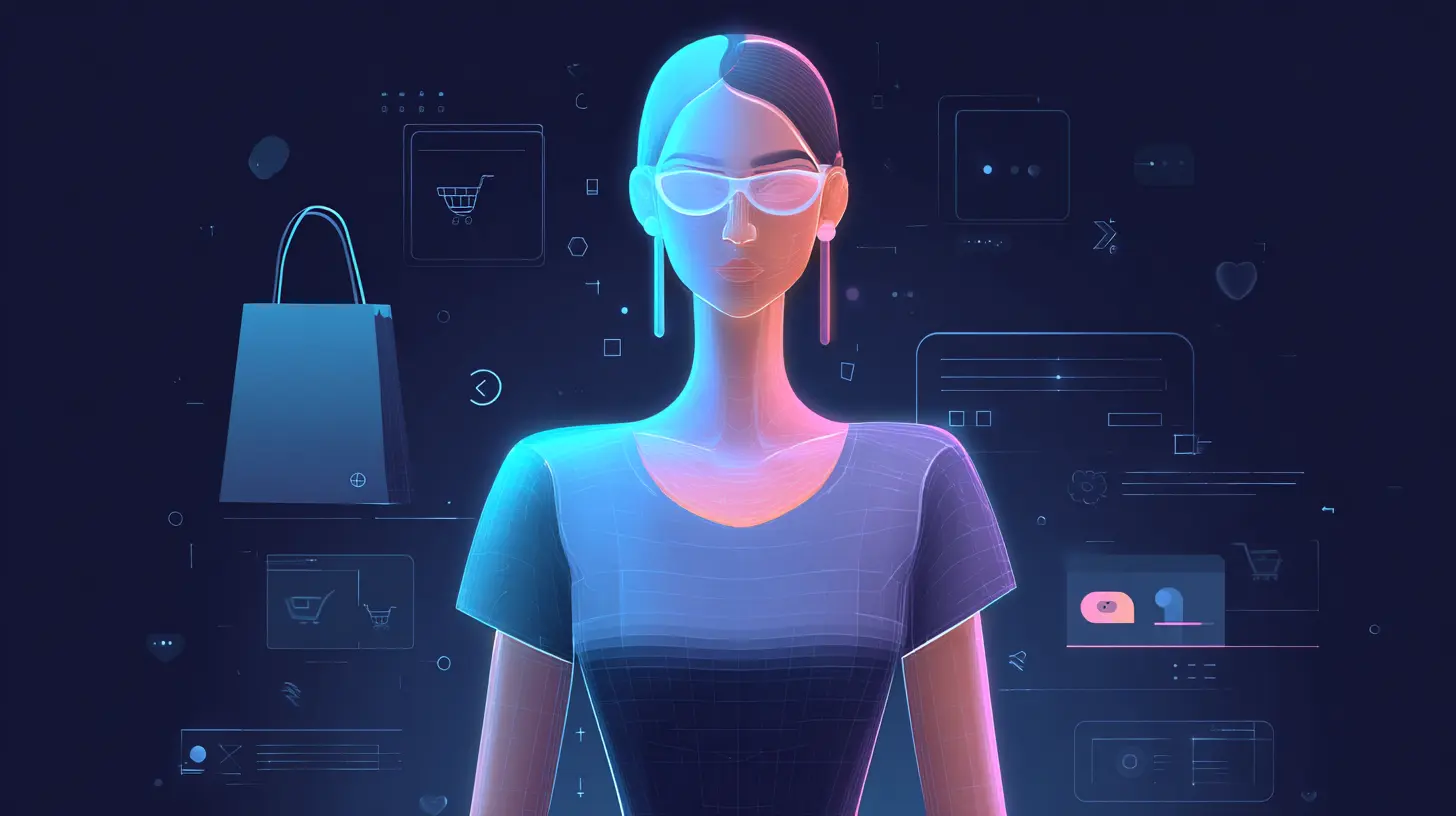
Before we dive into the retail revolution, let’s clear the air. A digital twin isn’t just a 3D model. It’s a living, breathing digital copy of a real-world thing that updates in real time using data from sensors, IoT devices, and AI. Think of it like a mirror—but a magic one that tells you not just how you look, but how your reflection feels, moves, and behaves.For example, a digital twin of a warehouse doesn’t just show shelves. It tracks inventory levels, temperature, foot traffic, and even predicts when a forklift will break down. For a product, a digital twin knows its weight, texture, how it fades under sunlight, and how it behaves when dropped. By 2027, these twins will be so detailed that buying a jacket online will feel like trying it on in a store—except the store is your own living room.
Why does this matter? Because online retail has a trust problem. You can’t touch, feel, or test products. Digital twins bridge that gap. They give you sensory information without the sensory experience. And retailers? They get data that’s worth its weight in gold.
The Fitting Room of the Future (That Fits You Perfectly)
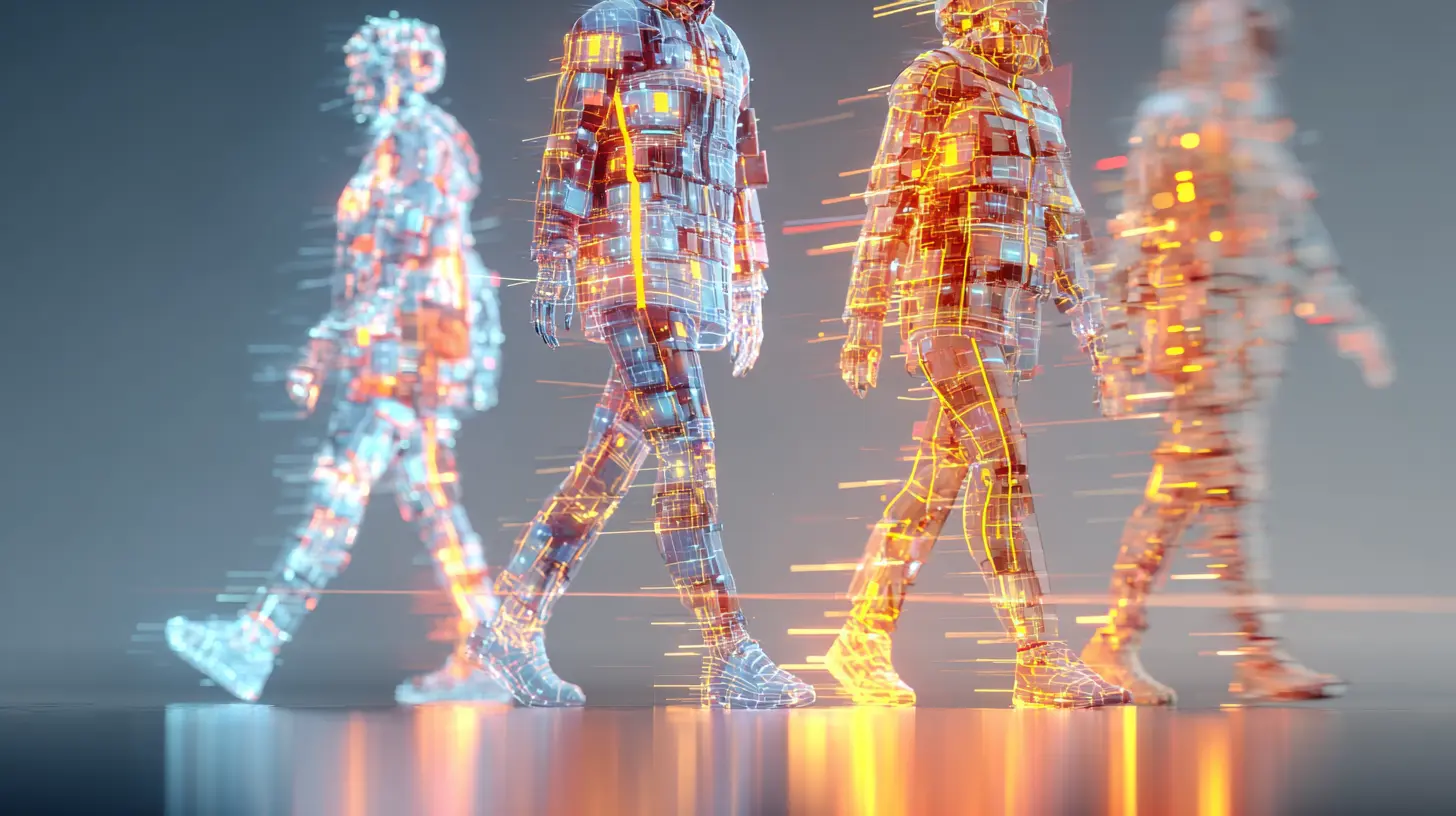
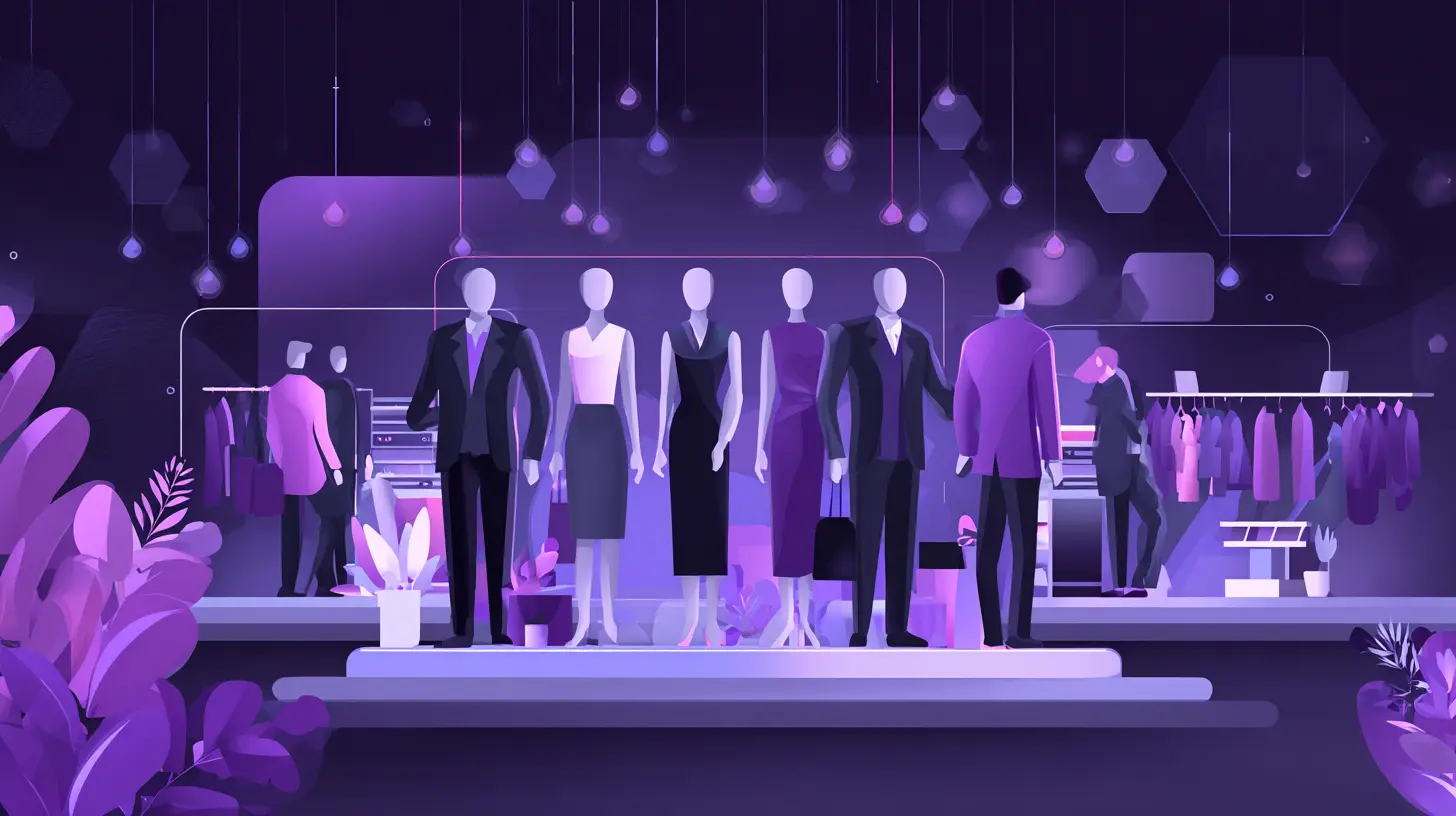
Let’s start with the most obvious game-changer: apparel. Online clothing returns are a nightmare. Up to 40% of clothes bought online get sent back, mostly because of fit issues. That’s billions of dollars in shipping waste and lost revenue. Digital twins are the cure.By 2027, you’ll have your own digital twin—a hyper-accurate 3D scan of your body. No, you don’t need a fancy scanner. Your phone’s camera will do the job. You’ll step in front of it, turn around once, and boom—a virtual you is born. Then, when you shop, you’ll see clothes draped on your digital twin, not a generic mannequin. The fabric will stretch, wrinkle, and hang exactly as it would on your real body.
But here’s the kicker: the twin updates. Gained a few pounds? Lost muscle? Your twin adjusts. It learns your posture, your proportions, even how you move. You’ll be able to virtually walk, sit, and stretch in those jeans to see if they’re truly comfy. No more guessing between size M and L. No more “this looked better on the model.” By 2027, the return rate for apparel could drop to single digits. Retailers will save millions, and you’ll stop feeling like a human pinata.
Furniture and Home Goods: No More “It Looked Smaller Online”
If you’ve ever bought a coffee table that turned out to be the size of a helicopter pad, you know the pain. Furniture is notoriously hard to sell online because scale and context are everything. Digital twins solve this by letting you place products in your actual space.Imagine this: You’re eyeing a bookshelf. You open the retailer’s app, point your phone at your empty wall, and a digital twin of the bookshelf appears in real time. It’s not just an image—it’s a 3D object that respects lighting, shadows, and even the texture of your wall. You can walk around it, open its virtual doors, and see if it blocks your outlet. By 2027, this won’t be a gimmick. It’ll be standard for any home goods retailer worth their salt.
And it gets better. Retailers will create digital twins of entire rooms. You’ll be able to swap out a rug, change wall colors, and rearrange furniture—all before spending a dime. This isn’t just about avoiding buyer’s remorse. It’s about inspiration. You might start looking for a lamp and end up redesigning your whole living room. That’s upsell on steroids.
The Supply Chain Twin: Where the Real Magic Happens
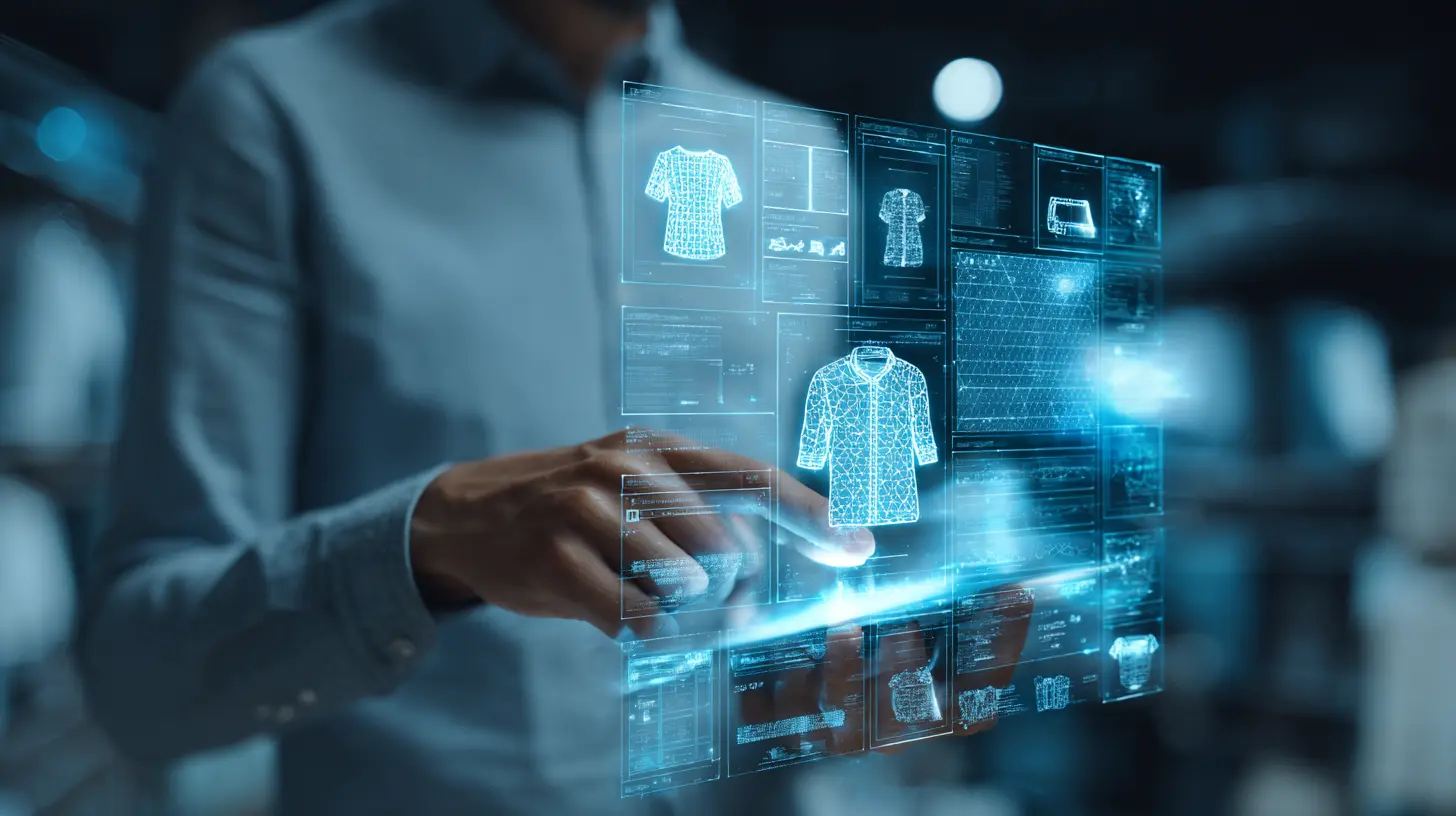
Now, let’s talk about the behind-the-scenes stuff that most shoppers never see. By 2027, digital twins of entire supply chains will be the norm. Imagine a massive, living map of every warehouse, truck, ship, and store. This twin updates in real time, tracking weather, traffic, port delays, and even local demand spikes.For retailers, this means they’ll know exactly where a product is, when it’ll arrive, and if it’s at risk of going out of stock—before it even happens. For you, the shopper, this translates to accurate delivery windows, fewer “out of stock” messages, and faster shipping. Ever ordered something that said “in stock” but then got a “sorry, we oversold” email? Digital twins kill that nonsense.
Here’s a concrete scenario: You order a limited-edition sneaker. The digital twin of the supply chain sees that a storm is delaying the shipment at a port. It automatically reroutes inventory from a closer warehouse, updates your delivery estimate, and even sends a notification before you’ve finished your coffee. By 2027, supply chain twins will be so predictive that retailers will ship products before you order them—based on your browsing history. Creepy? Maybe. Efficient? Absolutely.
Personalized Product Twins: The End of “One Size Fits All”
Mass customization is a buzzword that’s never quite taken off. Why? Because it’s expensive and slow. Digital twins change that. By 2027, you’ll be able to create digital twins of products that are tailored to you—not just in size, but in function.Take shoes. You scan your feet (again, with your phone). The brand’s digital twin engine generates a shoe model that matches your arch, gait, and pressure points. The twin is then sent to a 3D printer or a robotic assembly line. The result? Shoes that fit like they were made for you—because they were. Same for headphones, glasses, even bike seats. The digital twin acts as a blueprint for production, eliminating the guesswork.
This isn’t just about comfort. It’s about sustainability. Custom products mean less waste. No one returns a shoe that fits perfectly. No one throws away a jacket that’s the wrong size. Digital twins let you buy exactly what you need, and that’s a win for your wallet and the planet.
The Virtual Try-On Revolution (Beyond Clothes)
We’ve talked about clothes and furniture, but digital twins will infiltrate every corner of retail. Makeup? By 2027, you’ll have a digital twin of your face that can try on lipstick shades in real time, accounting for your skin tone, lighting, and even your phone’s screen calibration. No more “this looks different in the mirror” disappointment.Electronics? You’ll be able to place a digital twin of a new TV in your living room, see how it looks from different angles, and even simulate your viewing habits—like whether the glare from your window is a problem. Groceries? Yes, even food. Digital twins of produce will show you ripeness, origin, and shelf life. You’ll scan a virtual apple, see its sugar content, and decide if it’s worth buying.
The key is that these twins are interactive. They respond to your inputs in real time. You’re not just looking at a static image—you’re manipulating a digital object that behaves like the real thing. This level of engagement is what will make online shopping feel less like browsing a catalog and more like playing in a sandbox.
Why Retailers Are All In (Hint: It’s the Data)
You might wonder: why would retailers invest in this expensive tech? Simple: data. Digital twins generate a firehose of information. Every interaction you have with a twin—how long you look at it, what angle you rotate it to, which features you zoom in on—tells the retailer what you care about.By 2027, this data will feed AI models that predict trends before they happen. A digital twin of a handbag might show that 60% of users zoom in on the stitching. The retailer then improves the stitching on the real product. Or, a twin reveals that users spend more time looking at a red version of a sofa than a blue one. The retailer orders more red units. This isn’t guesswork anymore. It’s retail by evidence.
And here’s the kicker: digital twins reduce costs. Fewer returns mean less shipping and handling. Better inventory forecasting means less overstock. Custom production means less waste. For retailers, the ROI on digital twins will be undeniable by 2027. If you’re not using them, you’re leaving money on the table.
The Social Shopping Spin-Off
Shopping has always been social, but online retail has been a solo sport. Digital twins change that. By 2027, you’ll be able to share your digital twin with friends. Imagine trying on a dress, then sending a link to your bestie. They open it, and your digital twin appears in their living room, wearing the dress. They can spin you around, suggest a different color, or even put the twin on themselves to see how it fits.This isn’t just fun—it’s powerful. Social proof is a huge driver of purchases. Digital twins make it easy to get feedback without awkward selfies or video calls. Retailers will build entire social platforms around this. You’ll be able to browse “outfits of the day” created by other users’ digital twins. You’ll see how a jacket looks on someone with your body type, not just a model.
And for influencers? They’ll have their own digital twins that followers can “try on.” Imagine Kylie Jenner’s digital twin wearing a new lipstick. You put it on your twin to see if it suits you. That’s the future, and it’s closer than you think.
The Tech That Makes It Possible (No, You Don’t Need a PhD)
You might be thinking: “This sounds expensive and complicated.” It is—for now. But by 2027, the underlying tech will be cheap and accessible. Here’s what’s driving it:- LiDAR and 3D Scanning: LiDAR sensors are already in iPhones and iPads. By 2027, they’ll be in every smartphone. Scanning a room or an object will take seconds.
- Real-Time Rendering: Game engines like Unreal and Unity are already photorealistic. By 2027, they’ll run on your phone, rendering digital twins in real time without lag.
- Edge Computing: Processing happens locally on your device, not in the cloud. That means instant updates and no internet dependency.
- AI and Machine Learning: AI will automatically generate digital twins from photos or videos. You won’t need to manually model anything. Just point and click.
The bottom line? The barriers are falling. By 2027, creating a digital twin will be as easy as taking a selfie.
The Dark Side: Privacy and the “Twin Tax”
I’d be lying if I said this was all sunshine and rainbows. Digital twins raise serious privacy questions. Your body scan, your home layout, your browsing behavior—all that data lives somewhere. If a retailer’s database gets hacked, someone could do more than steal your credit card. They could steal your digital identity.By 2027, we’ll need strong regulations. Think GDPR for twins. Retailers will have to ask for explicit consent, let you delete your twin data, and prove they’re not selling it to third parties. Some brands might even offer a “twin tax” discount—lower prices if you let them use your twin data for research. It’s a trade-off, and consumers will need to be savvy.
But here’s the thing: most people will probably opt in. Why? Because the convenience is addictive. Once you’ve experienced the magic of a perfect fit or instant room visualization, going back to flat images will feel like using a flip phone. The key is transparency. Retailers that are upfront about data use will win trust. The ones that hide it? They’ll get left behind.
Will Digital Twins Kill Physical Stores?
Short answer: no. But they’ll change them. By 2027, physical stores will become showrooms for digital twins. You’ll walk in, scan a product, and have its twin sent to your phone. You can then buy it online or have it delivered. Stores will have fewer items on shelves and more interactive screens. The role of a salesperson will shift from “selling” to “helping you explore your digital twin.”Think of it like this: digital twins don’t replace reality. They enhance it. You still want to touch a fabric or smell a candle. But once you do, the twin remembers that experience. It knows you liked the texture of cashmere. Next time you shop online, it’ll prioritize cashmere items. That’s a retail ecosystem that blends the physical and digital seamlessly.
The 2027 Timeline: What to Expect
Let’s get practical. Here’s a rough timeline of how digital twins will roll out in retail:- 2024-2025: Early adopters (think Nike, IKEA, Sephora) launch basic digital twins for flagship products. Expect clunky experiences with limited functionality.
- 2026: Mainstream brands jump in. Smartphones with built-in 3D scanning become standard. Digital twins for apparel and furniture become common. Return rates start falling.
- 2027: Digital twins are the default. Every major retailer uses them for product visualization, supply chain management, and personalized production. Shoppers expect them. If a product doesn’t have a twin, you’ll wonder why.
By the end of 2027, digital twins won’t be a novelty. They’ll be as normal as product photos are today. And honestly, we’ll look back at current online shopping and laugh. How did we ever buy a sofa without seeing it in our living room?
Final Thoughts: The Revolution Is Already Starting
You might be thinking: “This sounds great, but will it actually happen?” Look at the trends. 3D modeling is getting cheaper. AI is getting smarter. Consumer demand for personalization is exploding. The pieces are all in place. Digital twins aren’t a maybe—they’re a when.For retailers, the message is clear: start experimenting now. Build a digital twin of one product. Test it. Learn from the data. For shoppers, get ready. Your phone will soon be a portal to a world where products come to life before you buy them. It’s not just about convenience. It’s about confidence. And by 2027, you’ll never second-guess an online purchase again.
So, what’s the holdup? The future is already knocking. Digital twins are just the door opening.
all images in this post were generated using AI tools
Category:
E Commerce TechnologyAuthor:

Jerry Graham
Discussion
rate this article
2 comments
Trixie Benton
So, by 2027, we might just be shopping with our digital doppelgangers. Imagine my twin nabbing all the good deals while I sit back and sip my coffee... now that's teamwork!
June 1, 2026 at 4:43 AM
Rachael Sanders
Great insights! Excited to see how digital twins will enhance online shopping experiences. It’s like having a personal shopper right in our homes!
April 29, 2026 at 12:19 PM
Jerry Graham
Thanks for your thoughts! Digital twins really could change the game for online shopping. Exciting times ahead!