Integrating Smart Speakers for a Seamless Home Experience
20 May 2026
Have you ever walked into your home, juggling groceries, keys, and your phone, only to wish you could just say, “Turn on the lights and play my favorite playlist”—and bam, it's done? That’s the magic of integrating smart speakers into your home. We're talking about turning your house into a smarter and more responsive space that learns your habits, responds to your voice, and simplifies life in ways you didn’t even know you needed.
In this post, we’re diving deep into how you can make that happen. From choosing the right smart speaker to syncing all your devices like a tech-savvy orchestra, we’ve got you covered. So, grab a coffee, get comfy, and let’s break down the path to a seamless smart home experience.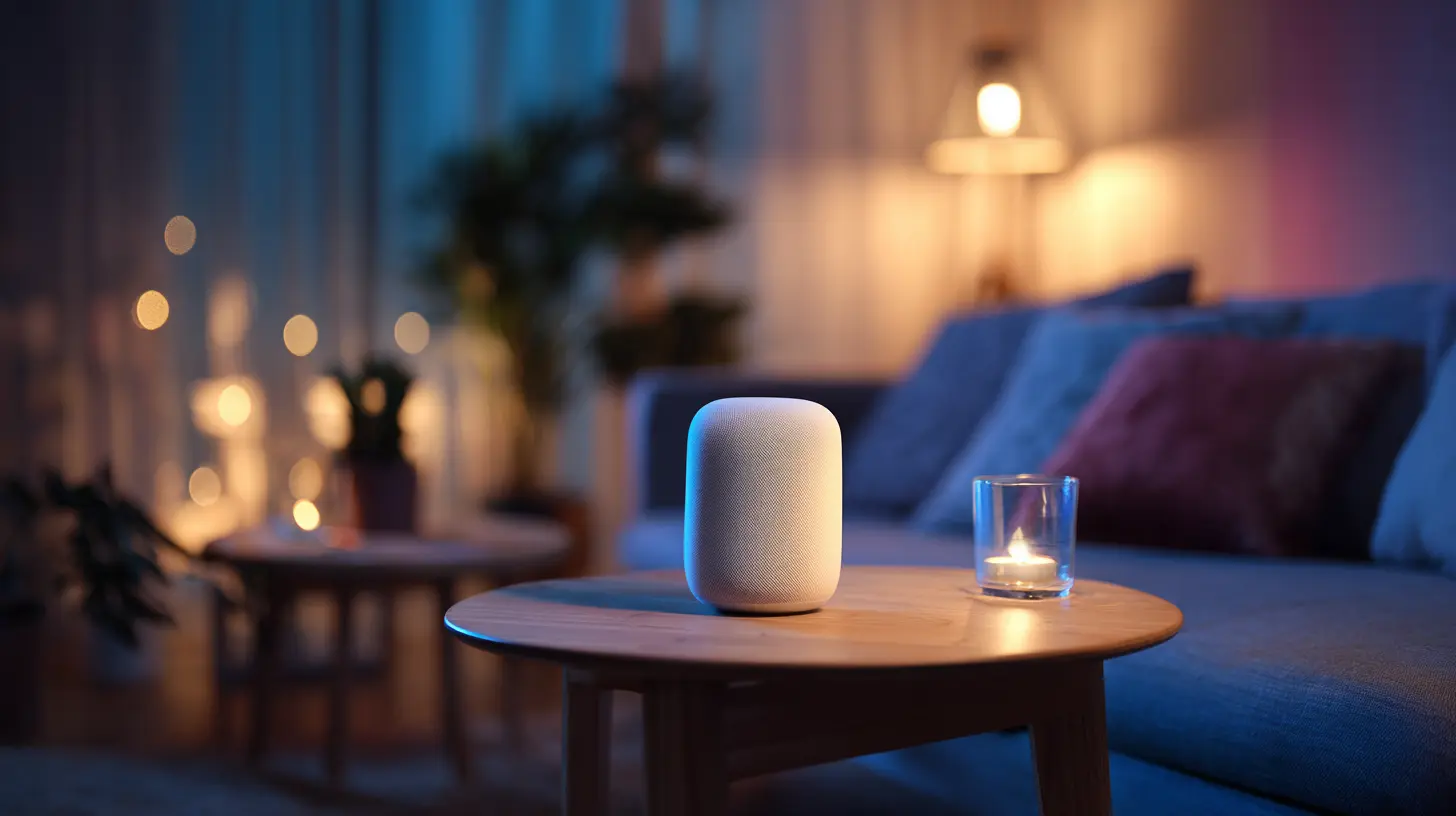
What Are Smart Speakers, Anyway?
Let’s start with the basics. Smart speakers are voice-activated devices equipped with virtual assistants like Amazon’s Alexa, Google Assistant, or Apple’s Siri. They’re not just Bluetooth speakers anymore—they're like your home's command center. Think of them as your new tech-savvy roommate who’s always listening (in a non-creepy way).They can answer questions, control smart home devices, play music, set timers, give you weather updates, and so much more. The real fun starts when you integrate them with other smart home gadgets—and that's where the magic happens.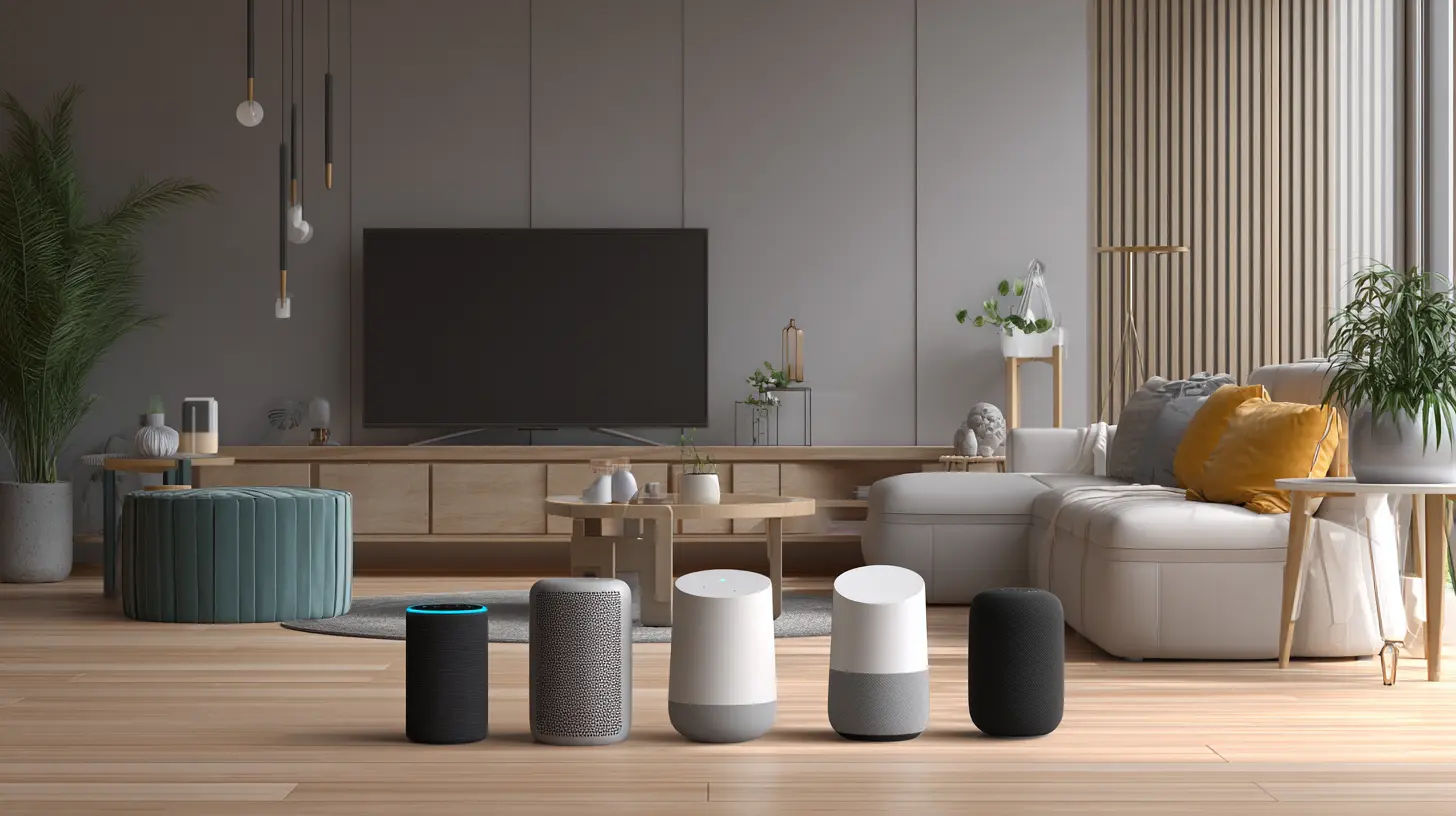
Why Bother Integrating Smart Speakers?
You might be wondering, “Isn’t it enough that I can ask my smart speaker about the weather or play Spotify?” Sure, those are perks, but integration is what takes your smart speaker from a cool gadget to a full-blown lifestyle upgrade.Here’s what you unlock when you integrate smart speakers with your home:
- ? Hands-free control of lights, thermostats, TVs, and even your coffee machine.
- ? Multi-room audio to keep your house grooving in sync.
- ? Automation routines that work like magic—like saying “Goodnight” and having the lights dim, doors lock, and white noise kick in.
- ? Increased security, knowing you can check cameras or lock doors with a voice command.
It’s convenience, comfort, and peace of mind rolled into one smart system.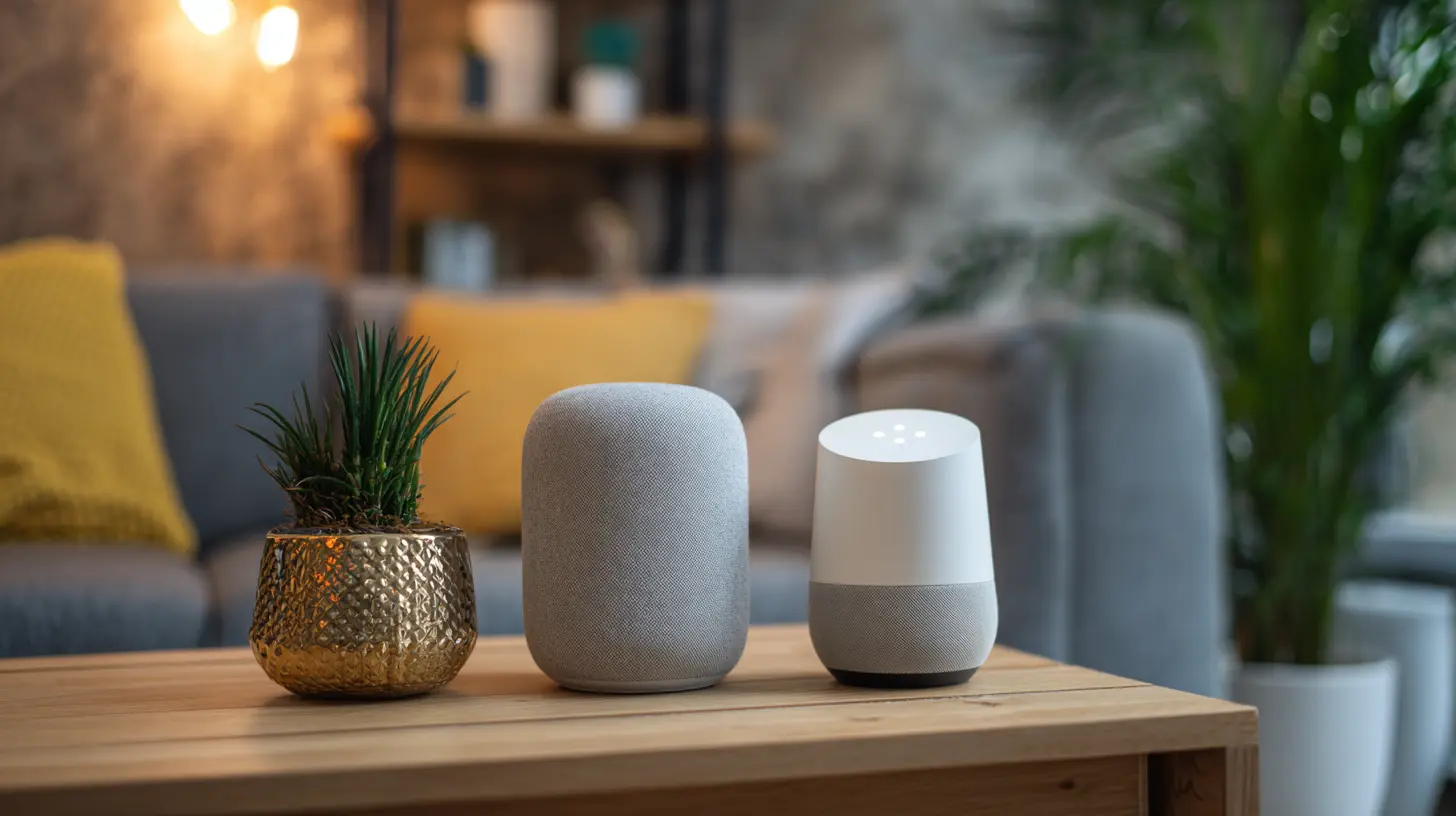
First Steps: Choosing the Right Smart Speaker
Before you go full Iron Man-mode, you need to choose your voice assistant wisely. Each ecosystem has its own strengths, so let’s break it down:? Amazon Alexa
- Pros: Wide compatibility, strong third-party support, tons of skills (think of them as apps for Alexa).- Products: Echo Dot, Echo Show, Echo Studio.
- Best For: People who want flexibility and lots of device options.
?️ Google Assistant
- Pros: Superior natural language processing, excellent integration with Google services.- Products: Google Nest Mini, Nest Audio, Nest Hub.
- Best For: Android users and Google ecosystem fans.
? Apple Siri (HomePod)
- Pros: Tight integration with Apple devices and strong privacy features.- Products: HomePod mini, HomePod.
- Best For: Die-hard Apple users who live in the Apple ecosystem.
Choose based on what you already use. If you’re mostly an iPhone and Mac user, Apple’s HomePod might make the most sense. If you’ve got Android devices or use Google services heavily, Nest speakers will be your jam. And Alexa offers the most integration options if you’re starting from scratch.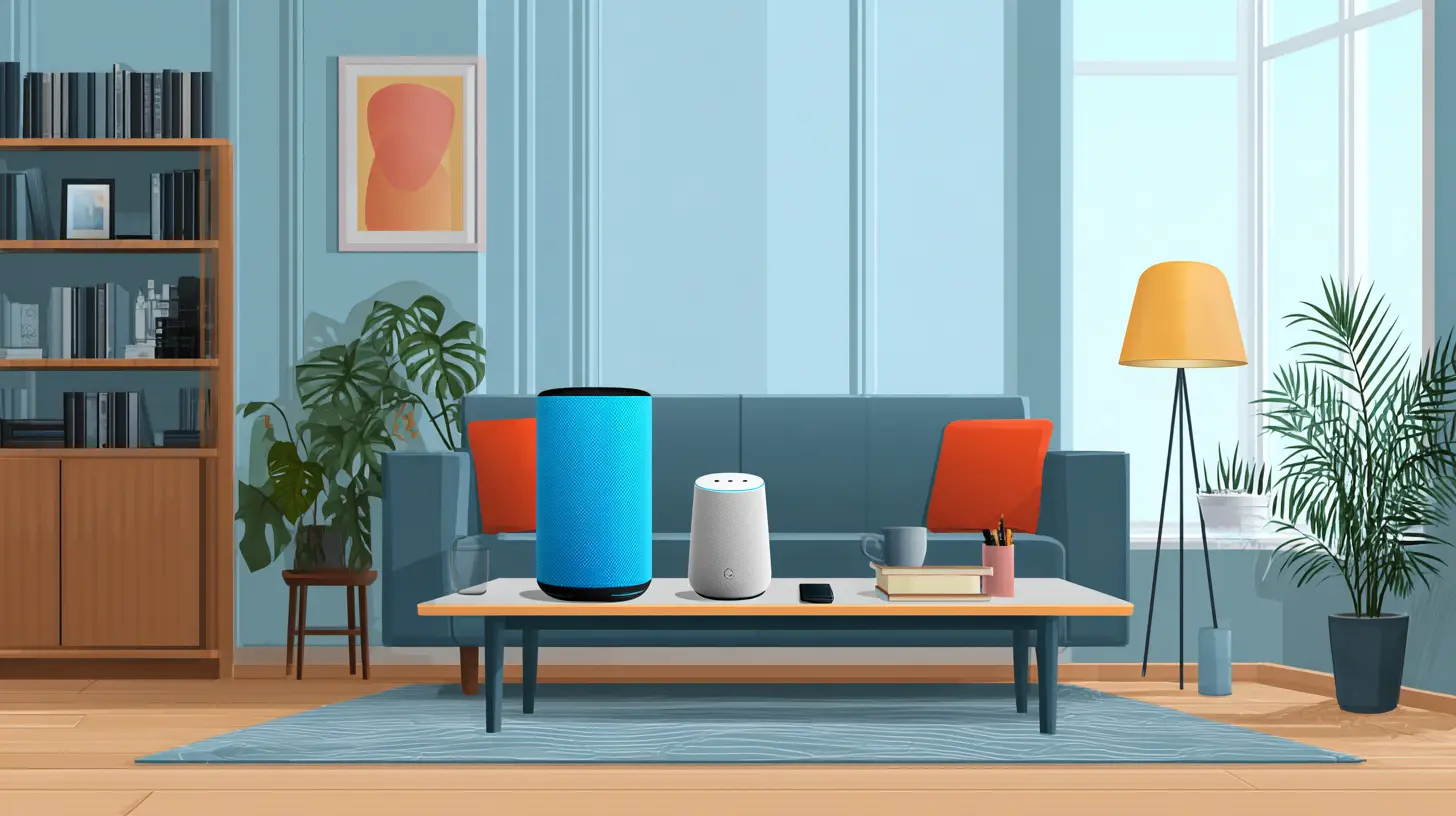
Bringing It All Together: Device Compatibility
Here’s where the rubber hits the road. Integrating smart speakers into your home means getting them to play nice with other devices.Look for “Works With” Labels
Always check for labels like:- “Works with Alexa”
- “Hey Google compatible”
- “Apple HomeKit enabled”
These labels mean the gadget can easily communicate with your chosen speaker system.
Common Devices to Integrate:
- Smart lights (Philips Hue, LIFX, TP-Link)- Smart thermostats (Nest, Ecobee)
- Smart plugs (Wemo, Kasa)
- Smart locks (August, Schlage)
- Security Cameras (Ring, Arlo)
- TV and streaming devices (Roku, Fire TV, Chromecast)
- Speakers for multi-room audio (Sonos)
You don’t have to buy everything at once. Start small—maybe with a couple of smart bulbs or a smart plug—and build from there.
The Power of Routines and Automation
This is where things get exciting. Routines are pre-set sequences that trigger multiple actions with a single command.A Few Examples:
- “Good Morning” could:- Turn on the lights
- Read the news
- Brew your coffee
- “Leaving Home” might:
- Turn off all lights
- Lock the doors
- Adjust thermostat to eco mode
- “Movie Night” could:
- Dim the lights
- Lower the blinds
- Turn on the TV and fire up Netflix
The beauty? YOU set the rules. With just your voice—or via an app—you can make your house respond exactly how you want, when you want.
Tips for a Seamless Smart Home Experience
Ready to start building your smart home empire? Here are some practical tips to keep everything running smoothly.1. Stick to One Ecosystem (At First)
When you’re starting out, it's easier to avoid device confusion by sticking to one platform. Mixing Google, Amazon, and Apple too early can feel like getting caught in a three-way text debate with no resolution.2. Use a Central Hub or App
Many smart homes run smoother when powered by a central app like:- Amazon Alexa App
- Google Home
- Apple Home App
These apps let you manage devices, create groups (like “Living Room”), and build routines easily.
3. Label Your Devices Clearly
Name your devices something simple and intuitive. Instead of “TP-Link Switch 20394,” rename it to “Bedroom Lamp.” This makes voice commands way easier to remember and avoids awkward conversations with your speaker.4. Keep Your Wi-Fi Strong
A smart home without solid Wi-Fi is like a sports car with no gas. Invest in a mesh Wi-Fi system or, at the very least, make sure your router is up to the task. The more devices you add, the more bandwidth you’ll need.5. Update Your Devices Regularly
Yes, updates can be annoying, but they often include security patches and new features. Set devices to auto-update if possible, or schedule regular checks.Privacy Considerations (Because Not Everyone Wants To Be Listened To)
Let’s address the elephant in the room: Do smart speakers spy on you?The truth? They are always listening—for their wake word (like “Alexa” or “Hey Google”). But they’re not recording until activated.
Still, if you’re privacy-conscious, you can:
- Mute the microphone when not in use.
- Review and delete voice history regularly.
- Customize what data your assistant stores.
- Use smart speakers from companies with strong privacy policies (Apple wins here).
Think of it like having a butler—you want them helpful, but not snooping through your diary.
Smart Speaker Integration and Energy Efficiency
Did you know smart home integration can help you save energy—and money?How?
- Automate thermostats based on time of day or when you leave the house.- Turn off unnecessary lights and appliances from anywhere via voice or app.
- Use motion sensors to activate lighting only when needed.
Tiny changes can mean big savings on your utility bills—and give the planet a break too.
The Future Is Voice-Activated
Voice control isn't just a cool party trick—it’s becoming the standard way we interact with technology. As AI assistants get smarter, they’ll anticipate your needs, offer proactive suggestions, and even recognize individual voices to customize responses.Imagine walking in and hearing, “Hey Alex, welcome home. I’ve set the lights to warm white, pre-heated the oven, and your favorite playlist is ready to roll.” That future? It’s closer than you think.
Wrapping It All Up
Integrating smart speakers for a seamless home experience isn’t just about convenience—it’s about crafting a lifestyle that works for you. From waking up in a cozy, pre-lit room to winding down with voice-activated playlists and bedtime routines, smart technology is turning our houses into responsive, personalized habitats.Start small, dream big, and before you know it, your home won’t just be smart—it'll feel like it gets you.
all images in this post were generated using AI tools
Category:
Home AutomationAuthor:

Jerry Graham
Discussion
rate this article
2 comments
Kevin Holland
Integrating smart speakers can revolutionize home automation, allowing effortless control over devices and enhancing daily routines. The potential for personalized experiences makes them a must-have in modern living spaces.
July 23, 2026 at 11:37 AM
Isabella Moses
Smart speakers redefine convenience, but privacy concerns linger...
May 21, 2026 at 11:52 AM
Jerry Graham
You're right. While smart speakers enhance convenience, it's crucial to balance that with strong privacy measures.