How AI is Streamlining Supply Chain Management
10 July 2026
Let’s be honest—supply chain management isn’t exactly the sexiest topic in the room. Until, of course, everything hits the fan. You know what I’m talking about: delays, stockouts, missed shipments, unhappy customers, and a whole lot of finger-pointing.
Enter AI. Not the “machines-take-over-the-world” kind, but the smart, data-crunching, problem-solving kind that’s making life a whole lot easier for businesses. From predictive analytics to smart inventory decisions, AI is streamlining supply chains like never before.
In this guide, we’re diving deep into how AI is revolutionizing the way we manage supply chains—one algorithm at a time.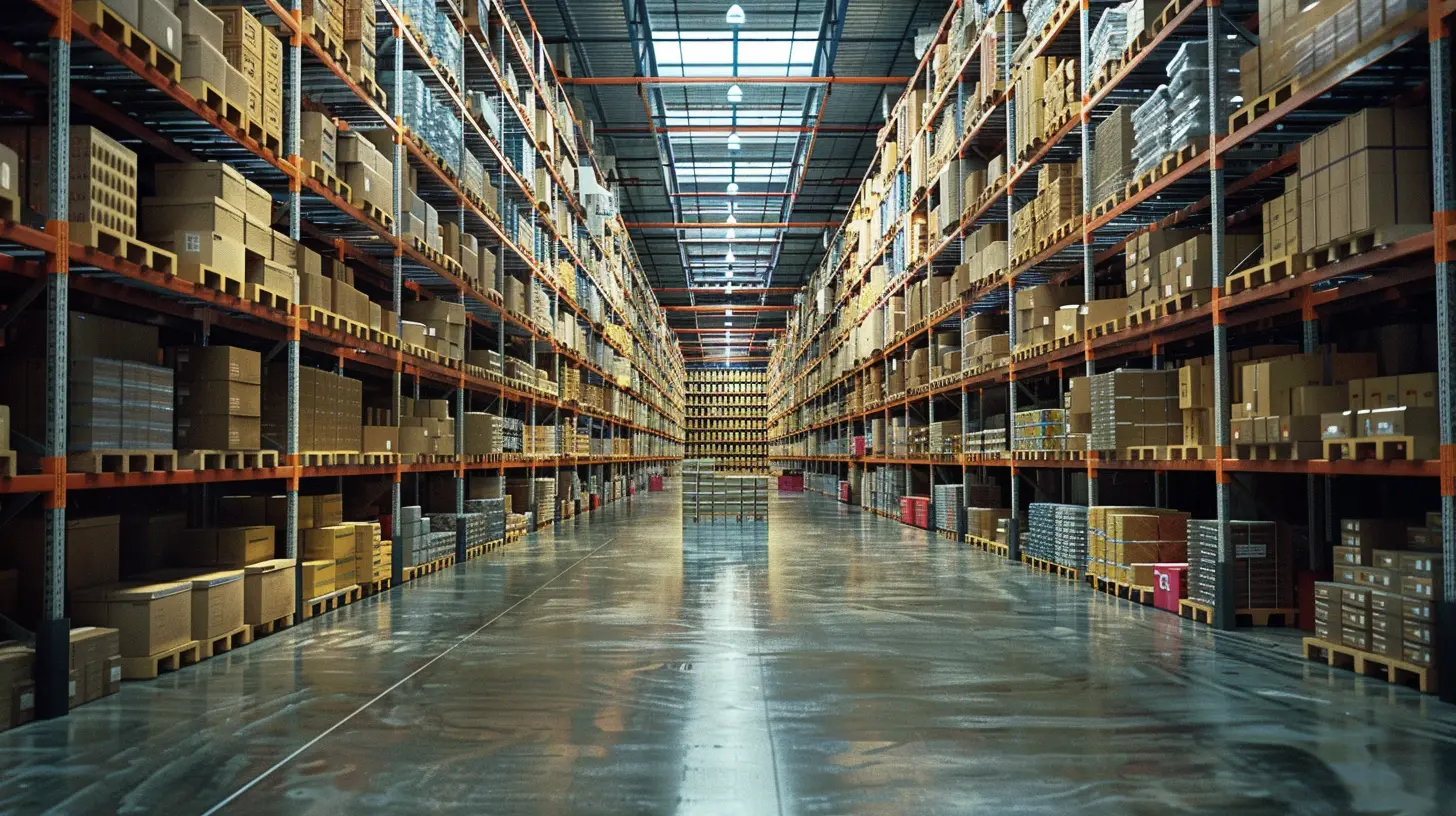
Why Supply Chains Are a Hot Mess (And Why AI Is the Fix)
First off, let’s paint a picture. Traditional supply chains are kind of like a game of Jenga. One wrong move—say, a shipment stuck at customs or a supplier running late—and the whole tower gets wobbly.What causes the chaos?
- Human error
- Lack of real-time data
- Inventory mismanagement
- Poor demand forecasting
- Disconnected systems across suppliers, manufacturers, and logistics
Now, imagine you have a super-assistant that never sleeps, analyzes data in real time, predicts problems before they happen, and suggests fixes. That’s AI in a nutshell.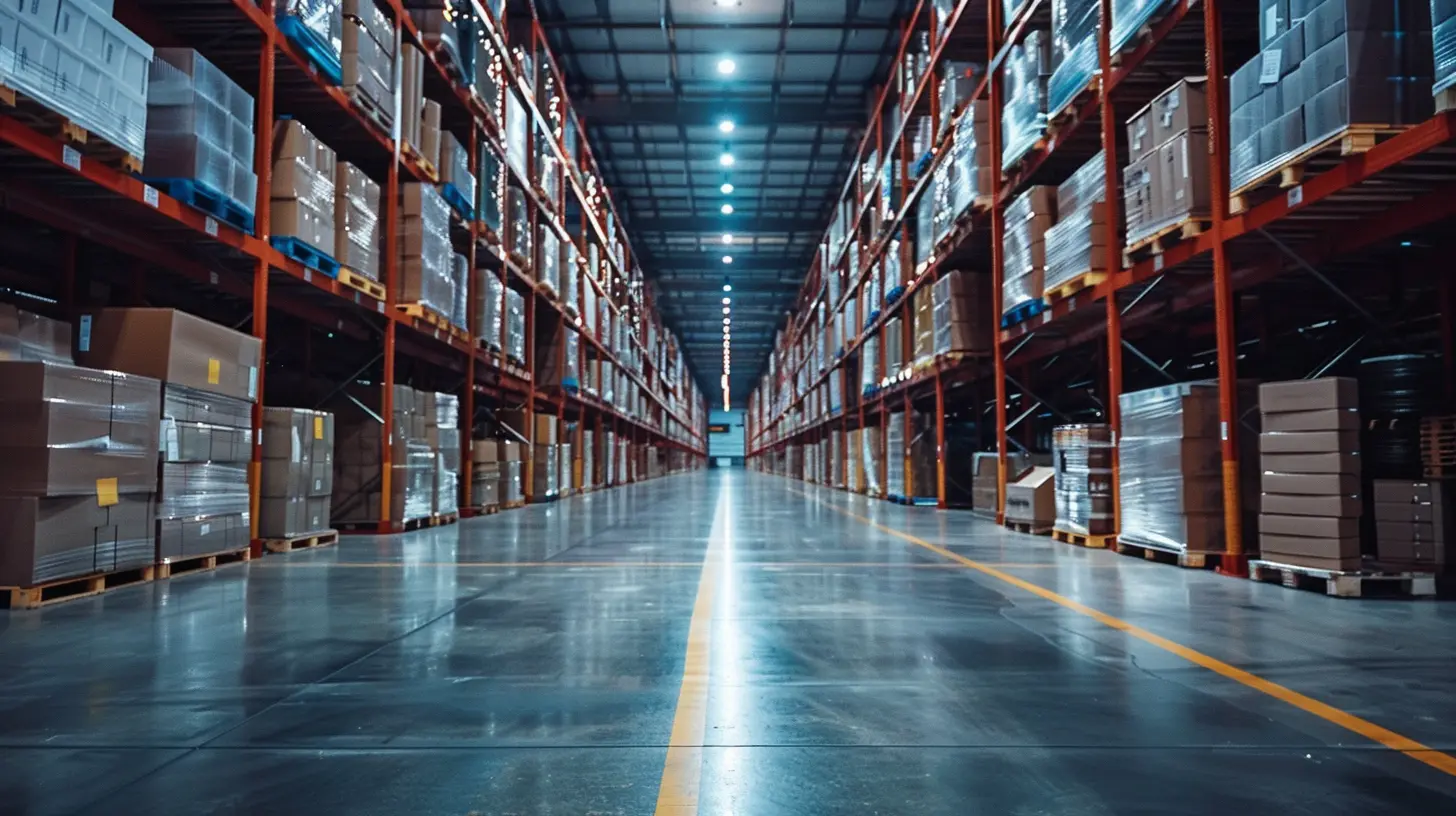
AI in Supply Chain Management: What’s the Big Deal?
AI (Artificial Intelligence) is all about using machines to do things that humans usually do—only faster, more accurately, and without complaining about Mondays. In supply chains, AI taps into vast oceans of data, finds patterns, and makes smart decisions. Not guesses. Informed decisions.It's not just hype. Businesses that have embedded AI into their supply chains are seeing real, measurable improvements. We’re talking about fewer disruptions, reduced costs, better customer service, and way less stress.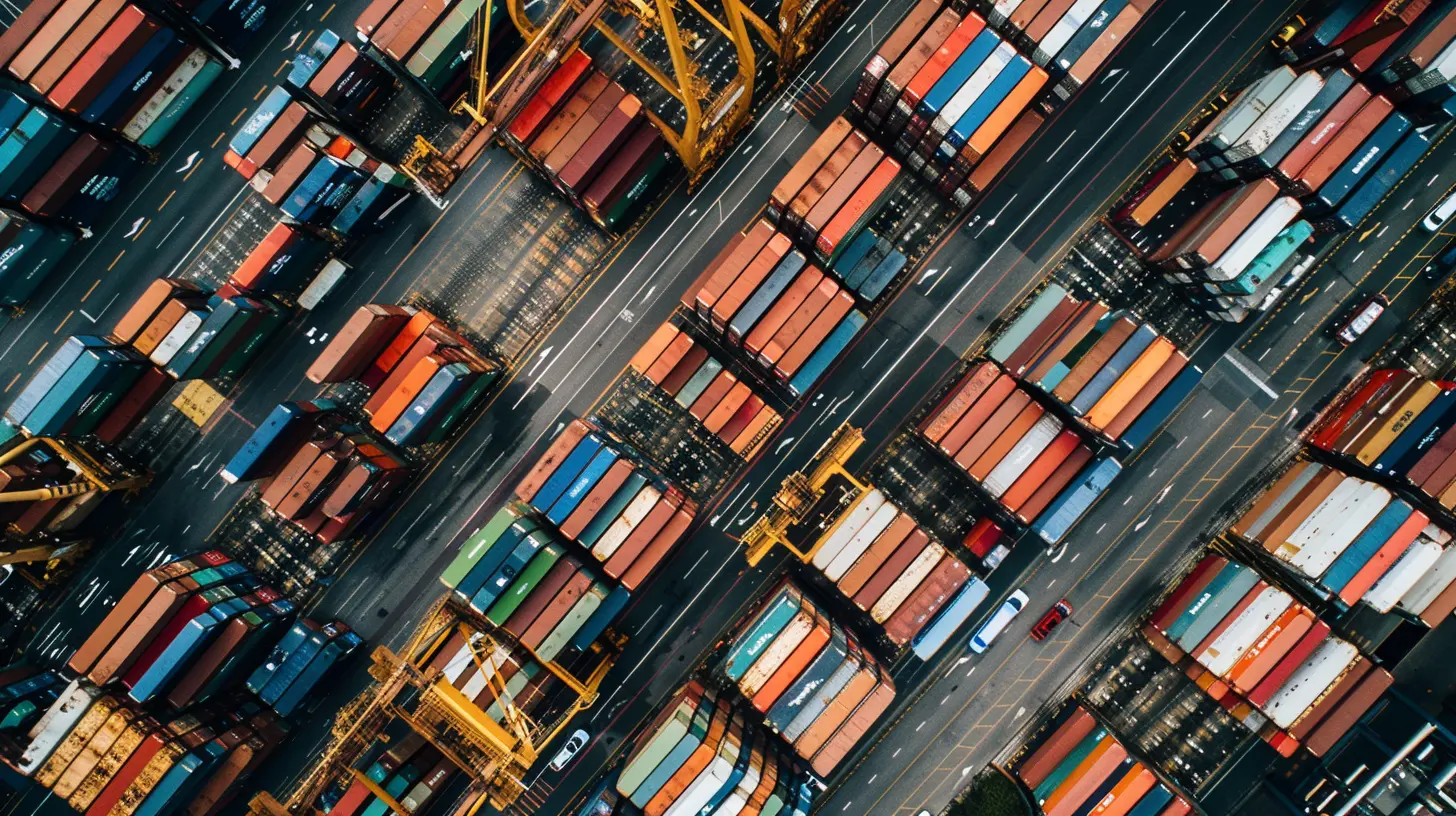
Key Areas Where AI Is Changing the Game
Alright, let’s break down exactly where AI is stepping in and making life easier.1. Predictive Analytics: Playing the Future Game
Remember crystal balls? AI is like that, only based on data instead of wizardry. Predictive analytics uses machine learning to analyze past trends and current data to forecast what’s likely to happen next.For instance, AI can predict:
- Sudden spikes or drops in product demand
- Weather-related shipping delays
- Supplier bottlenecks before they occur
Which means? Businesses can react before problems even happen. Think of it as turning your supply chain from reactive to proactive.
2. Inventory Management: No More Overstock Panic or Empty Shelves
Ever walked into a store to buy something, only to find it’s out of stock? Annoying, right?AI helps prevent those awkward moments by tracking inventory in real time and analyzing what needs to be restocked, when, and how much.
Plus, it learns over time. So if there's a run on pumpkin spice everything every October, AI won't be surprised. It’ll make sure shelves are stocked before the craze begins.
3. Warehouse Automation: Robots with Brains
You’ve probably seen those awesome videos where robots zoom around huge warehouses, picking products faster than any human could. That’s AI-powered warehouse automation in action.But it’s not just about speed. AI also:
- Chooses the best picking route
- Organizes inventory efficiently
- Reduces errors
This translates to faster order fulfillment and lower operational costs. Win-win.
4. Logistics Optimization: Smart Routing in Real-Time
Shipping delays? Traffic jams? Fuel costs through the roof? AI’s got it covered.Using real-time traffic data, weather reports, and delivery schedules, AI helps logistics teams plan the most efficient routes. Even better—if there’s a hiccup (say an unexpected storm), AI adjusts on the fly.
Faster deliveries, fewer delays, and happier end customers? Yes, please.
5. Supplier Relationship Management: Red Flags Early On
Suppliers are like the backbone of the supply chain. If one falters, the ripple effect can be huge.AI tools can monitor supplier performance, delivery times, compliance rates, and even scan news reports for any warning signs (like labor strikes or financial issues). That way, businesses can switch gears before it’s too late.
6. Dynamic Pricing and Procurement Decisions
AI doesn't just streamline the physical flow of goods—it helps with pricing strategies too.Imagine an AI system that notices a raw material’s price is about to spike due to an international event. It can suggest buying in bulk now to avoid higher costs later. Or, it can recommend alternative suppliers with better deals.
This kind of insight gives businesses a serious competitive edge.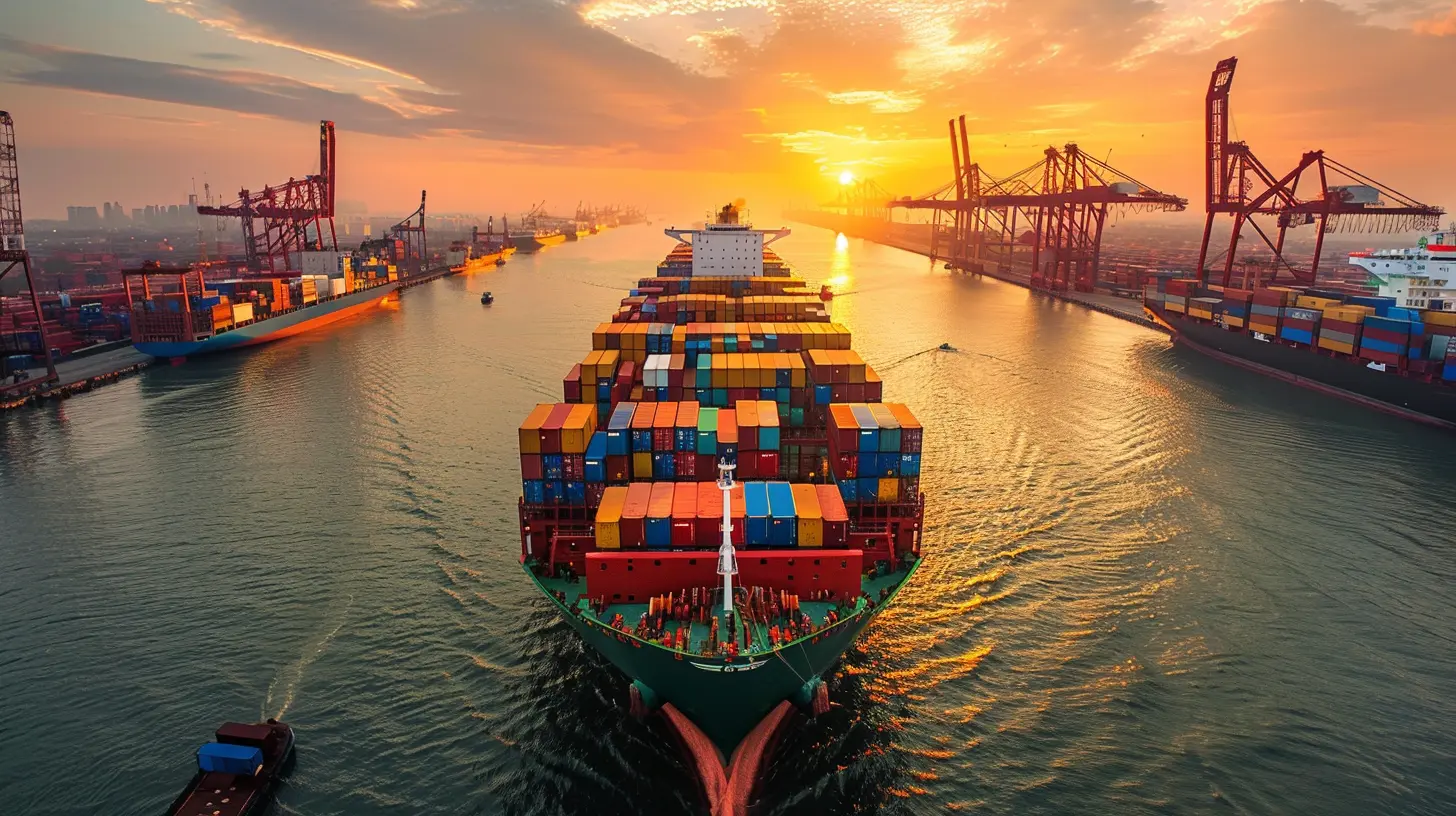
How AI Identifies and Fixes Bottlenecks
Don’t you hate it when something goes wrong, and no one knows where the problem started?Well, AI acts like a detective—analyzing every step in the supply chain to find where delays, errors, or inefficiencies are happening. Whether it's a factory that's underperforming or a shipping route that's consistently delayed, AI shines a light on it.
Even better, it doesn't just point fingers. It offers solutions—like rerouting shipments or adjusting inventory levels at the right location.
Real-World Examples: Who’s Getting It Right?
Let’s talk about folks who are walking the talk.Amazon
Of course, the king of logistics. Amazon uses AI-driven robotics, real-time data analysis, and predictive algorithms to optimize everything from inventory to delivery routes. It’s how they make 1-day shipping look easy.Walmart
Walmart uses AI to manage inventory with remarkable precision. They use machine learning to predict shopping patterns, restock items, and manage suppliers.DHL
The logistics giant has embraced AI for route optimization, predictive risk analysis, and even customer service chatbots that keep customers informed every step of the way.Pretty cool, right?
Challenges of Using AI in Supply Chain Management
Okay, let's not pretend it’s all roses. There are some challenges involved in rolling out AI in supply chains:- Data Quality: Garbage in, garbage out. AI is only as good as the data it's fed.
- Integration with Legacy Systems: Many companies still run on old tech that doesn't play nice with AI.
- Cost of Implementation: It’s an investment, no doubt about it.
- Skill Gaps: Not all teams are ready to use AI effectively. There’s a learning curve.
But here's the thing—businesses that take the plunge are seeing solid returns. As the tech matures and becomes more accessible, these hurdles are becoming easier to overcome.
The Future: What’s Coming Next?
We’re just scratching the surface. The future of AI in supply chain management looks incredibly promising.Expect to see:
- More autonomous supply chains — ones that practically run themselves with minimal human input
- AI + IoT combos, providing even richer real-time data via sensors and connected devices
- Blockchain integrations to boost transparency and traceability
- Sustainable supply chain optimization, reducing waste by predicting demand more accurately
Wrapping It Up: Is AI the Supply Chain Superhero?
Absolutely. AI is like the behind-the-scenes MVP of modern supply chains. It's not replacing humans—it’s empowering them to make smarter, faster, and more effective decisions.When used right, AI reduces costs, improves reliability, speeds up delivery, and keeps customers smiling. It’s not just the future—it’s the now.
So if your business isn’t already riding the AI wave, the question isn’t should you adopt it—it’s how fast can you start?
all images in this post were generated using AI tools
Category:
Artificial IntelligenceAuthor:

Jerry Graham
Discussion
rate this article
1 comments
Ingrid Henderson
Oh great, AI is fixing supply chains now. Just what we needed-robots deciding when our coffee gets delivered. Next, they'll be optimizing my snack breaks too. Can't wait for that innovation...
July 10, 2026 at 2:28 AM
Jerry Graham
I get it-it can feel a bit over the top. But when AI helps reduce delays and improve efficiency, it actually makes life easier. Less waiting for coffee means more time for you to enjoy it.