What Really Happens If China Wins the AI Race?
August 18, 2026 - 23:49
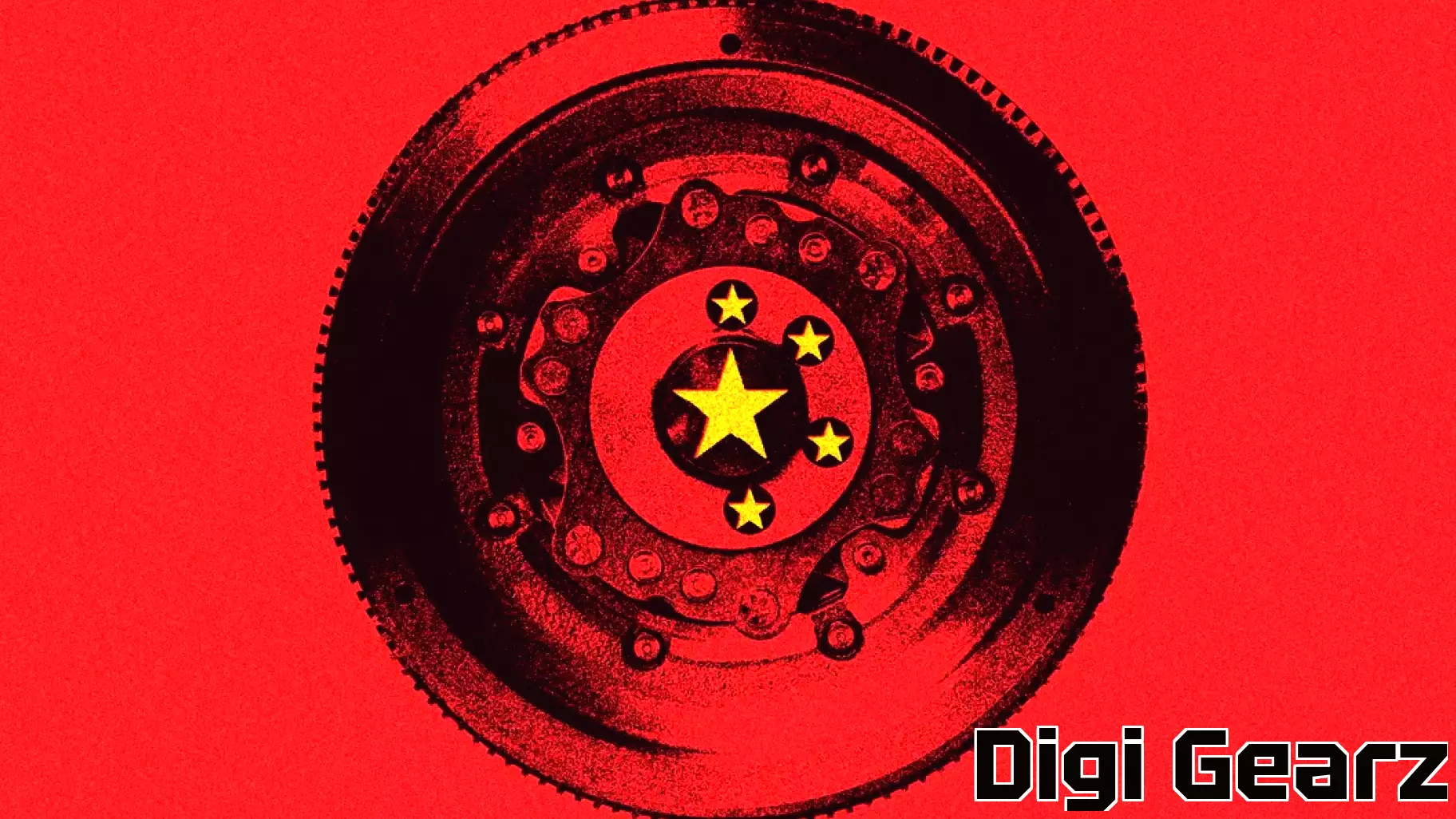
For years, the tech industry has painted Chinese artificial intelligence as a looming danger. Headlines warn of surveillance states, job losses, and a shift in global power. But the reality is far more complicated than a simple winner-take-all story.
If China takes the lead in AI, the first visible change would be in hardware and manufacturing. Chinese firms already control much of the global supply chain for batteries, solar panels, and now advanced chips. An AI edge would likely mean cheaper automation tools for factories worldwide, not just in Shenzhen or Shanghai. That could lower production costs for everything from cars to clothing, which might actually help consumers in other countries.
On the software side, Chinese AI models are already competitive with American ones in areas like language translation and image recognition. If those models become the default standard, developers everywhere would build on top of them. That means the next wave of apps, from medical diagnostics to logistics planning, could rely on Chinese infrastructure. Western companies would then have to adapt or partner, rather than assume their own platforms dominate.
There is also the question of governance. China's approach to AI regulation is different, with more state oversight and data collection. If Chinese AI becomes the global benchmark, other nations might adopt similar rules to stay compatible. That would shift the balance between privacy and convenience in ways that are hard to predict. Some countries might welcome the efficiency, while others would push back hard.
But here is the catch: winning the AI race does not mean one country controls everything. AI development is deeply interconnected. Chinese researchers publish in the same journals, use the same open-source tools, and collaborate with international teams. Even if Beijing sets the pace, breakthroughs in Europe or the US still influence the field. The real outcome is likely a messy, overlapping landscape where no single nation holds all the cards.
So what actually happens if China wins? Probably not a dystopia, and probably not a utopia either. More likely, it means a world where the center of gravity shifts east, and everyone else has to learn to work with that reality. The threat narrative oversimplifies a complex, fast-moving situation. The honest answer is that nobody knows for sure, and anyone claiming certainty is selling something.
MORE NEWS

August 19, 2026 - 05:02
Robin Williams' Kids Fight Against AI Slop Reactivating His Instagram: "As Technology Evolves, We Want This To Be A Safe, Trusted Place"Robin Williams` three kids are taking a stand against unauthorized use of their father`s image. They have reactivated his Instagram account, but not for nostalgia or tribute posts. Instead, they...

August 18, 2026 - 01:20
Marvell Technology, FormFactor, and Applied Materials Shares Are Soaring, What You Need To KnowShares of Marvell Technology, FormFactor, and Applied Materials all posted strong gains in afternoon trading on Wednesday, driven by a fresh wave of optimism around artificial intelligence...
August 17, 2026 - 04:34
The next China shock will come from open-source AIFor years, the phrase `China shock` described the flood of manufactured goods that reshaped Western supply chains. That era was about physical exports. The next shock, however, may not arrive in a...
August 16, 2026 - 17:09
Zhejiang Leapmotor Technology (SEHK:9863) Could Be 40% Undervalued If Margin Gains HoldZhejiang Leapmotor Technology (SEHK:9863) is getting a fresh look from investors after a stretch of uneven trading. The stock last closed at HK$40.06, and while the past week brought a gain of 2.51...