Roundup of California’s 2026 technology bills
August 11, 2026 - 12:06
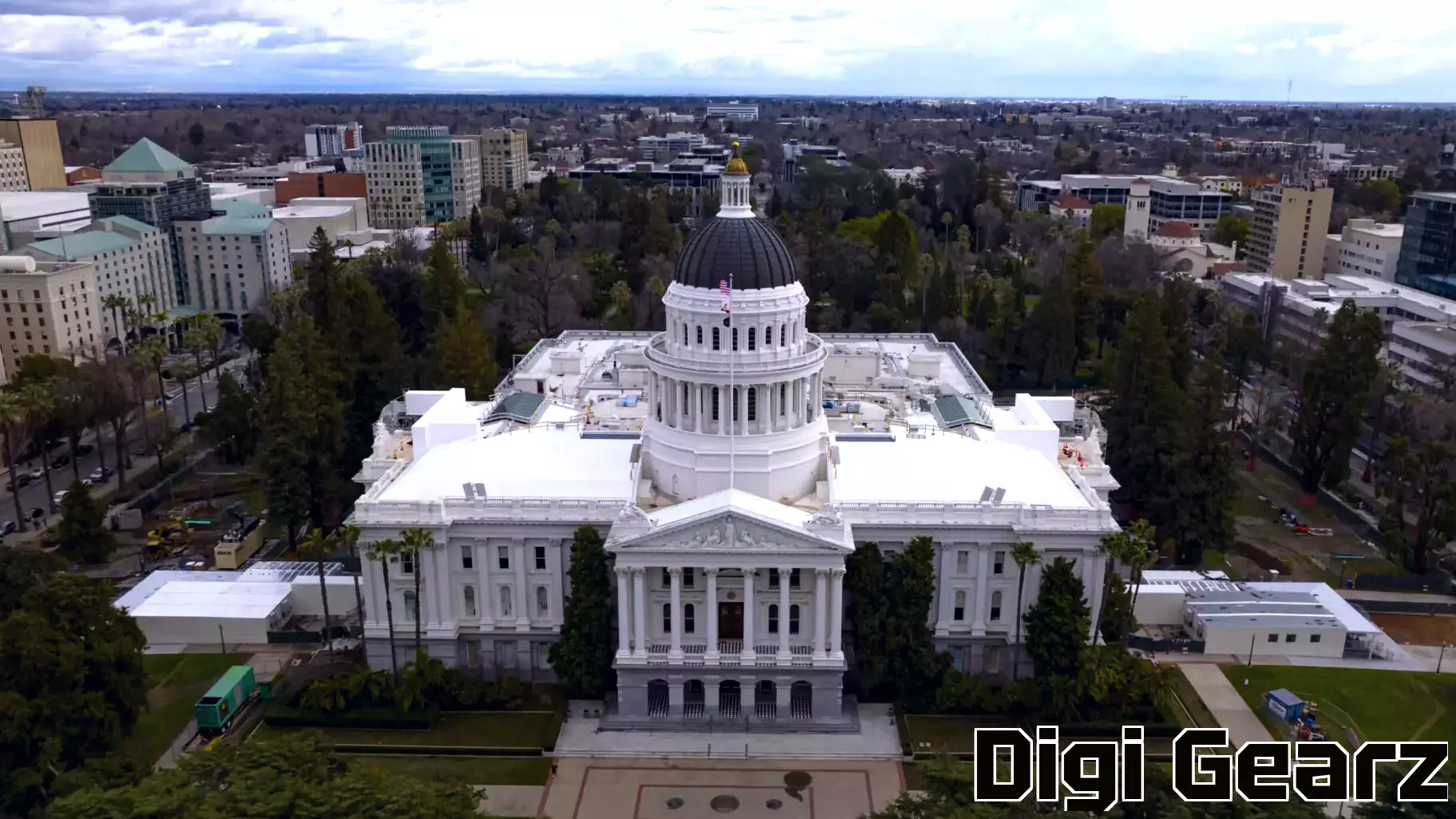
California lawmakers wrapped up a busy year of technology policy, and the final tally is a mix of aggressive regulation and cautious restraint. The state's tech committees considered over 120 bills, but only a fraction made it to the governor's desk. Here is a rundown of the most significant ones.
The biggest headline is the passage of the AI Transparency Act. Starting in January 2027, any company using an AI system to interact with consumers must clearly disclose that a machine is speaking. This covers chatbots, voice assistants, and even AI-generated video. The bill survived heavy lobbying from tech giants who argued it would slow innovation. Supporters say it is a basic consumer right.
Another major win for privacy advocates was the expansion of the state's data broker registry. The new law forces data brokers to register with the state and pay a fee based on their revenue. It also gives residents the right to request a full deletion of their data from any broker within 48 hours. This is a stricter timeline than the current 45-day window.
On the other hand, the controversial bill to hold social media platforms liable for algorithmic amplification of harmful content failed to pass. The measure would have allowed parents to sue platforms if their child was harmed by content recommended by an algorithm. Opponents argued it would break end-to-end encryption and force platforms to censor speech. The bill died in the appropriations committee.
A separate bill on autonomous vehicles also stalled. It would have required all self-driving trucks to have a human safety driver on board for the next five years. The trucking industry supported it, but tech companies and the governor's office pushed back, citing safety data from pilot programs. The issue is likely to return next year.
One surprising success was the digital right-to-repair expansion. The new law requires manufacturers of smartphones and laptops to sell spare parts and provide repair manuals for seven years after a product's release. This extends the previous three-year requirement. Small repair shops are celebrating, while manufacturers warn of higher costs.
Finally, a bill on deepfake political ads passed. It requires any video, audio, or image that is digitally altered and used in a campaign ad to carry a visible watermark. The rule applies to state and local elections. The bill also creates a fast-track process for candidates to sue over fake content.
the session showed California still wants to lead on tech regulation, but it is picking its battles. The AI transparency and data broker laws are strong, but the more contentious measures on algorithmic liability and autonomous trucks will have to wait. For now, companies operating in the state should start preparing for the new disclosure and deletion requirements.
MORE NEWS

November 2, 2026 - 02:04
Insurers Face Growing Pressure as Tech Firms Push Into Retail MarketInsurance companies are confronting a moderate risk of business disruption from artificial intelligence over the next five years, according to industry analysis, as technology firms increasingly...

November 1, 2026 - 04:32
5 insightful analyst questions from Align Technology’s Q3 earnings callAlign Technology`s third quarter results reflected a mix of steady Clear Aligner demand and changes in product mix, especially a shift toward lower-priced scanner configurations. Management pointed...

October 31, 2026 - 01:48
Field Set for World Wide Technology Championship at DiamanteThe FedExCup Fall wraps up its two-week run in Mexico with the World Wide Technology Championship at El Cardonal at Diamante in Los Cabos. As the sixth event of the fall series, the tournament...

October 30, 2026 - 02:15
Rivian Expands Volkswagen Partnership with AI Voice Assistant LicensingRivian announced on October 29, 2026, that it has broadened its joint venture with Volkswagen Group to include licensing of key components from its AI Voice Assistant technology. The move is part...