Insights from Economic History on the AI Boom
December 20, 2025 - 01:50
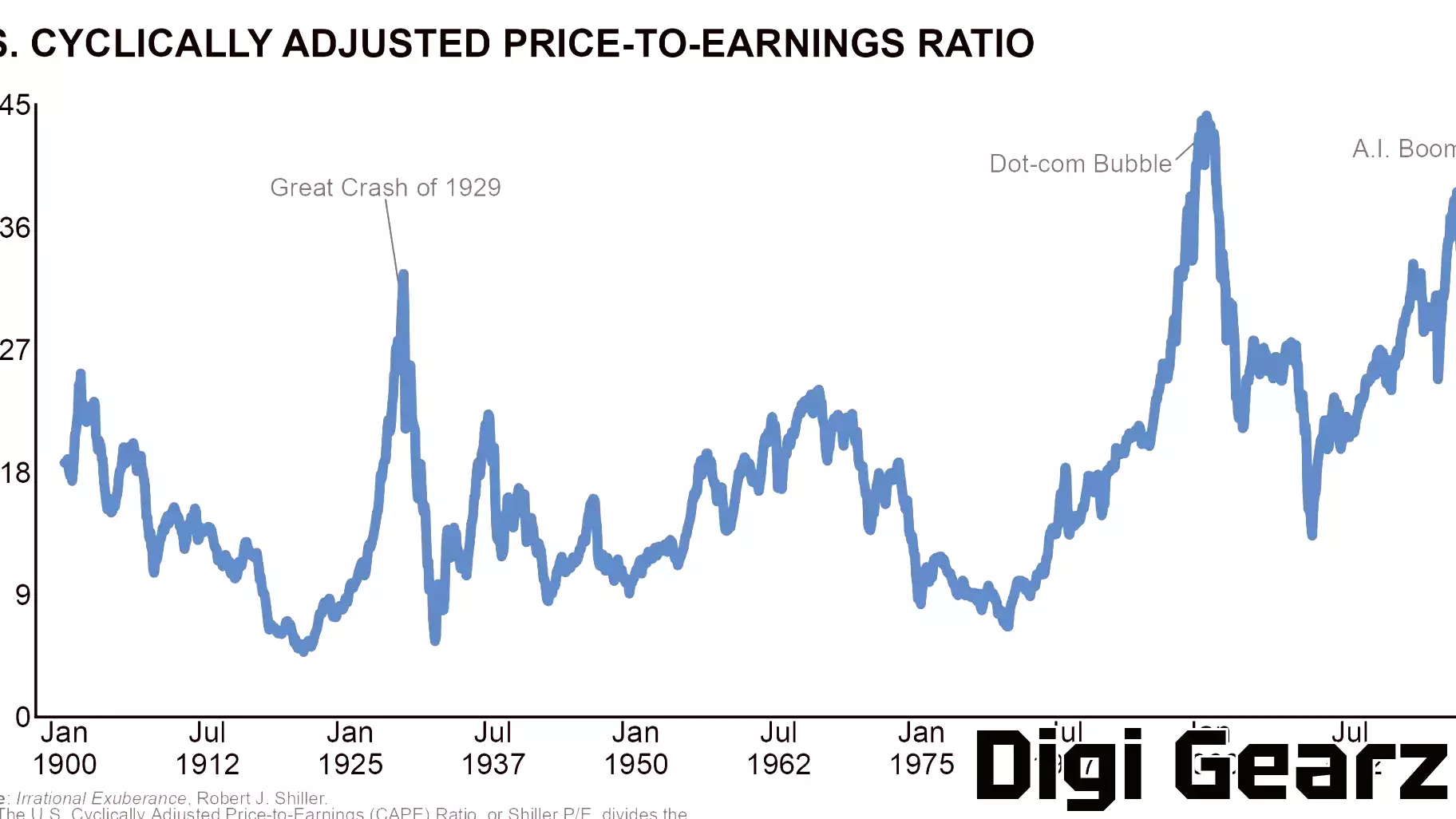
As the AI boom progresses, examining historical economic cycles can provide valuable insights into its trajectory and potential outcomes. Each technological revolution has its unique characteristics, yet patterns from the past can serve as indicators for the future.
Historically, periods of rapid technological advancement often lead to speculative investment and market volatility. The dot-com bubble of the late 1990s serves as a cautionary tale, where exuberance over internet technologies resulted in significant economic repercussions when the bubble burst.
Monitoring key signals such as investment trends, regulatory responses, and public sentiment can help stakeholders gauge the sustainability of the AI boom. Additionally, understanding the impact of labor market shifts and productivity gains associated with AI can provide context for its long-term effects on the economy.
As we navigate this transformative period, it is crucial to remain vigilant and learn from past economic patterns to better anticipate the potential challenges and opportunities that lie ahead in the realm of artificial intelligence.
MORE NEWS

September 18, 2026 - 08:50
Marvell Technology (MRVL) Deepens Its AI Infrastructure FootprintMarvell Technology (NasdaqGS:MRVL) has announced a set of collaborations with GlobalFoundries, Microsoft and Utimaco, signaling a broader push into advanced connectivity and payment security. The...

September 17, 2026 - 18:55
Shapiro Calls for AI Rules While Rejecting Doom Predictions at Pittsburgh SummitGovernor Shapiro delivered the keynote speech at the AI Horizons 2026 Summit in Pittsburgh Thursday. Shapiro started out noting AI technology has the potential to reshape industries, improve public...

September 17, 2026 - 06:02
Rapid Innovation Shows Benefits of Cross-Industry CollaborationAdvancements originally developed for sailing and marine environments are finding new life in sectors far removed from the water. Technologies designed to withstand harsh conditions at sea are now...

September 16, 2026 - 20:59
Rural Educator Uses MIT Skills to Build Apps for Students Who Cannot Attend SchoolAn educator based in rural India is using skills he picked up through MIT Open Learning to create mobile applications that help students who are unable to attend school in person. Mohammad Imran...