AI and same-day delivery are now the two forcing functions reshaping U.S. ecommerce operations
August 9, 2026 - 09:13
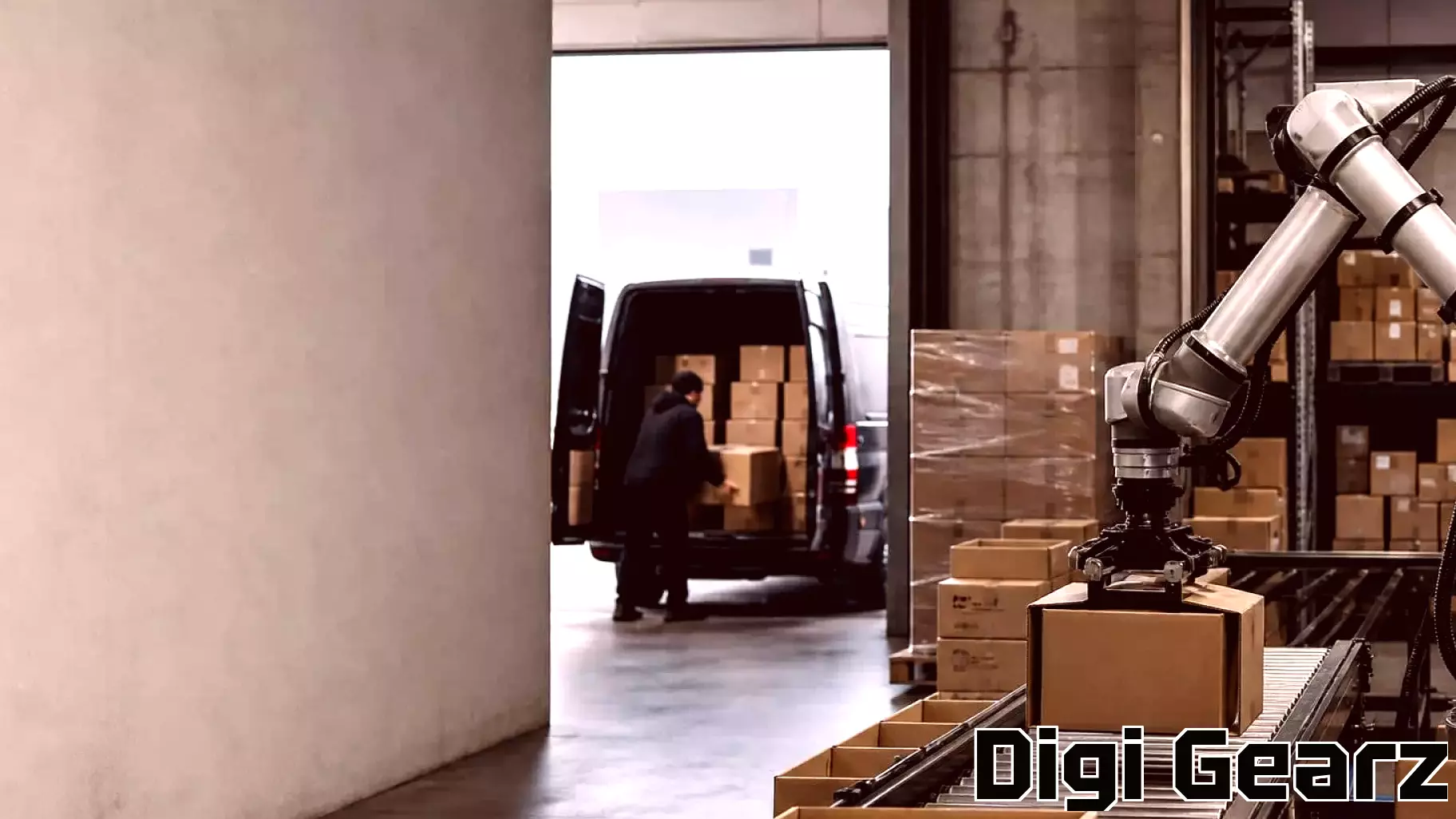
Retailers across the United States are overhauling their supply chains as artificial intelligence and same-day delivery become the twin engines of modern ecommerce. Companies like Lululemon, Albertsons, DoorDash, and robotics firm Robust.AI are leading this operational shift, moving away from traditional warehouse models toward faster, more intelligent fulfillment networks.
The pressure is clear: consumers now expect orders to arrive within hours, not days. That expectation has forced brands to rethink everything from inventory placement to last-mile logistics. Lululemon, for example, has integrated AI-driven demand forecasting into its stores, turning physical locations into mini fulfillment hubs. Albertsons is using machine learning to optimize grocery picking routes, cutting down the time between an online order and a shopper's doorstep. DoorDash, already a leader in rapid delivery, is expanding its logistics platform to handle retail goods beyond restaurant meals, while Robust.AI is deploying collaborative robots in warehouses to speed up packing and sorting.
What makes this shift different from earlier automation pushes is the combination of speed and intelligence. AI does not just track inventory; it predicts where demand will spike, reroutes deliveries in real time, and adjusts staffing on the fly. Same-day delivery, meanwhile, is no longer a premium perk but a baseline requirement for many categories. Together, they force a level of agility that legacy systems simply cannot provide.
Smaller players are feeling the squeeze. Without the capital to build micro-fulfillment centers or train custom AI models, they risk falling behind. Industry analysts say the gap between tech-forward retailers and the rest will widen over the next two years, with consolidation likely as mid-sized brands partner with logistics firms or adopt off-the-shelf AI tools.
The result is a more fragmented, faster-moving market. Warehouses are shrinking in size but multiplying in number, located closer to urban centers. Algorithms decide which items sit on shelves and which stay in trucks. And the old 5-to-7-day shipping promise is becoming a relic, replaced by a race to deliver in under 24 hours. For consumers, that means convenience. For operators, it means constant adaptation, with no end in sight.
MORE NEWS

August 8, 2026 - 17:18
Silicon Motion Technology (SIMO) Stock Looks Fair On Earnings But Stretched After 377% RunSilicon Motion Technology has been on an incredible run, with shares delivering a total return of roughly 377% over the past three years. That kind of performance turns heads, but it also raises a...

August 8, 2026 - 01:28
Closed-door AI framework blindsides tech policy communityThe Trump administration`s move to develop its new artificial intelligence governance framework behind closed doors has caught the technology policy community off guard, leaving many experts...

August 7, 2026 - 18:15
'Plasma gun' technology could transform space laundry and sanitation for future missionsResearchers at The University of Alabama in Huntsville are working on a novel approach to keep astronauts clean and healthy on long-duration spaceflights. The team is developing a handheld device...

August 7, 2026 - 01:41
Infrared glasses could push the boundaries of human eyesightA new prototype for eyewear could let people see infrared light, something the human eye is not built to handle. While some animals like snakes and certain insects can naturally detect infrared...