Will Decentralized Marketplaces Go Mainstream by 2027?
27 September 2026
The short answer is: partly, and not in the way most people imagine. Decentralized marketplaces will not replace Amazon or eBay by 2027. They will, however, become a normal part of how certain communities buy, sell, and trade. The mainstreaming will be uneven. Some categories will tip. Others will stay on the fringe for years.
This article breaks down what "mainstream" actually means for decentralized marketplaces, which forces are pulling them forward, which forces are holding them back, and what a realistic 2027 looks like. I'll also cover the practical decisions you face if you are a builder, a seller, or a buyer considering these platforms.

What Counts as a Decentralized Marketplace
Before predicting anything, define the thing. The term gets stretched to cover several different models, and lumping them together leads to bad forecasts.A decentralized marketplace is a platform where the core functions of listing, matching, transacting, and settling are not controlled by a single company. That usually means one or more of the following:
- Open protocols for listings and reputation. Anyone can read the data, and no single operator can delete a seller's history at will.
- Peer-to-peer settlement. Payments move directly between parties, often via crypto, stablecoins, or escrow smart contracts, rather than through a central payment processor.
- Community or token governance. Rules about fees, disputes, and upgrades are set by token holders or a cooperative rather than a corporate board.
- Censorship resistance. The marketplace cannot easily block a legal seller because of pressure from a payment provider or a hosting company.
Real examples span a wide range. OpenBazaar tried a fully peer-to-peer model and struggled with usability and liquidity. Marketplaces built on blockchains like Ethereum, Solana, and others host NFT trading, digital goods, and some physical goods. There are also "hybrid" models: centralized interfaces built on top of decentralized settlement, which is where a lot of the practical activity sits today.
The distinction matters because the barriers to mainstream adoption are different for each model. A hybrid marketplace with a friendly app and stablecoin payments faces very different obstacles than a fully peer-to-peer system with no customer support.

The Case for Mainstream Adoption by 2027
Several trends point toward real growth in the next few years. None of them guarantee mainstream status, but together they create a plausible path.Stablecoins solve the volatility problem
One of the oldest objections to crypto-based marketplaces was that prices swing wildly. That objection has weakened. Stablecoins pegged to the dollar or other fiat currencies now handle a large share of on-chain payments. For a seller who wants to receive $50 for a used camera, a stablecoin transfer is functionally similar to a bank transfer, minus the bank.This matters because it removes a major reason ordinary users stayed away. You no longer need to believe in a token's long-term value to use it for a purchase. You just need a wallet and a few minutes of setup.
Payment rails are getting cheaper and faster
Layer 2 networks and newer blockchains have cut transaction fees dramatically compared to the early Ethereum days. When a transaction costs a few cents and settles in seconds, the economics of small peer-to-peer trades start to work. A $12 sale can absorb a $0.02 fee. It cannot absorb a $15 fee.Creator and community commerce is growing
Creators, gaming communities, and niche interest groups increasingly want direct relationships with their audiences. Platforms that take 30 percent and control the customer list are less attractive than they used to be. Decentralized marketplaces offer an alternative, even if the user experience is rougher.Regulatory clarity is improving in some regions
Rules around crypto assets, stablecoins, and digital ownership have become clearer in several major markets. Clarity is not the same as friendliness, but it reduces the legal risk for builders. When founders can plan around known rules instead of guessing, more products ship.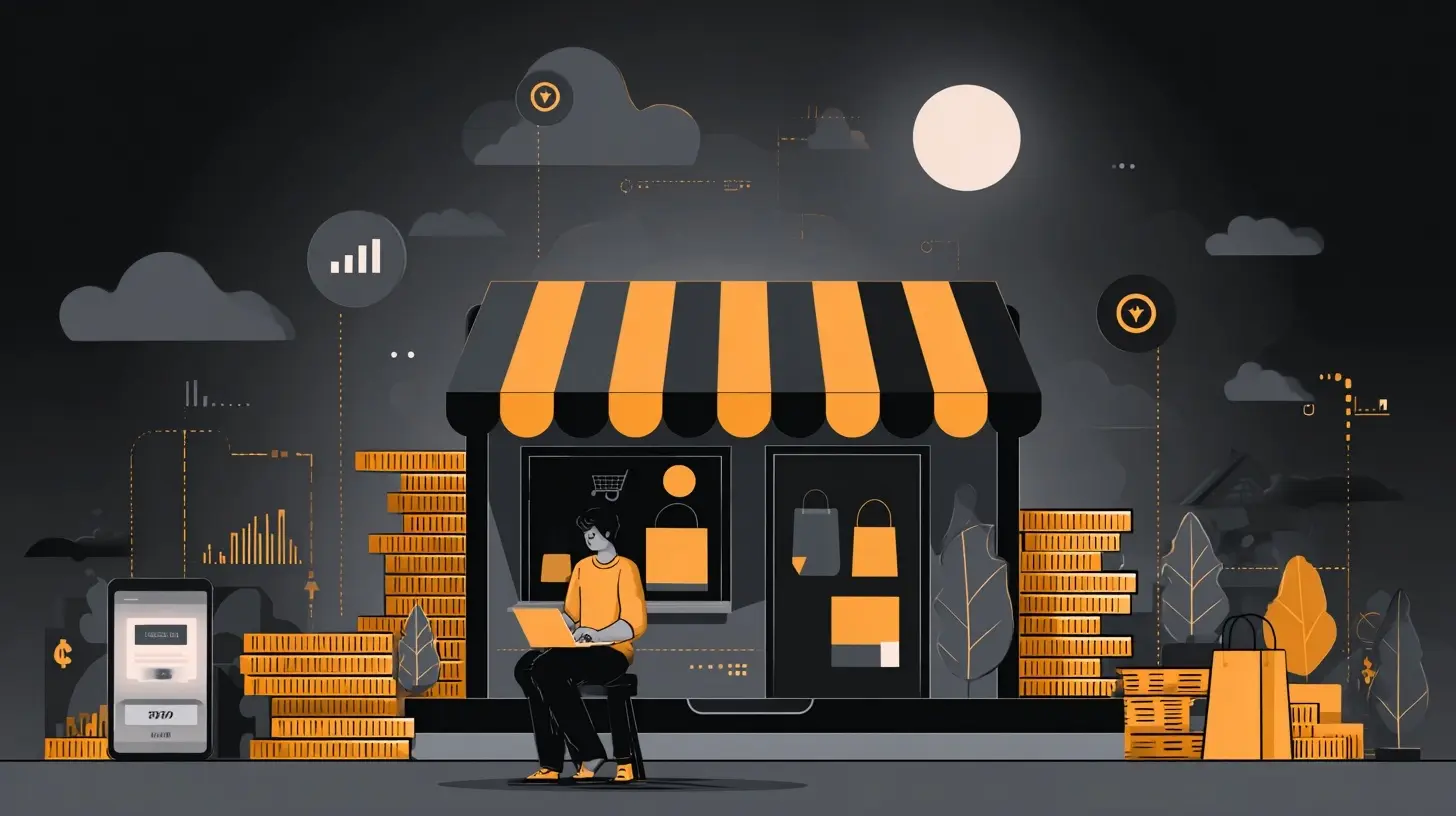
The Case Against Mainstream Adoption by 2027
The headwinds are just as real. Ignoring them produces the kind of hype that has burned crypto users for a decade.User experience is still the biggest problem
Ask anyone who has tried to onboard a non-technical friend to a decentralized app. The friction is brutal. Seed phrases, gas fees, network switching, wallet approvals, bridge risks, and confusing error messages all add up. Mainstream users expect a checkout button, not a signing prompt.Some teams have papered over this with custodial wallets and social login. That helps, but it also reintroduces the centralization the model was supposed to avoid. You end up with a centralized app that happens to use a blockchain underneath. That can be a fine product, but it is not what purists mean by decentralized.
Liquidity is a chicken-and-egg problem
Marketplaces live or die on liquidity. Buyers go where sellers are. Sellers go where buyers are. A decentralized marketplace starting from zero has to bootstrap both sides without the marketing budget of a venture-backed competitor.This is why so many decentralized marketplaces end up as ghost towns. The tech works. Nobody shows up.
Consumer protection is genuinely hard
If a buyer pays a seller and the item never arrives, who fixes it? On a centralized platform, a support agent issues a refund. On a decentralized one, you rely on escrow contracts, arbitration pools, or reputation systems. These can work, but they are slower, more complex, and often require the user to understand mechanisms they have no interest in learning.Mainstream buyers do not want to be their own bank or their own dispute resolution system. They want the problem to go away. Until decentralized marketplaces solve this in a way that feels invisible, they will struggle with everyday consumers.
Regulatory pressure cuts both ways
Decentralized marketplaces can attract scrutiny around money laundering, sanctions, and tax reporting. A platform with no central operator is hard to regulate, which makes regulators uncomfortable. That discomfort can translate into rules that make legitimate use harder, or into pressure on the fiat on-ramps and off-ramps that most users need.
What "Mainstream" Actually Means
The word mainstream does a lot of work in these conversations, and it is usually undefined. Let's define it in three tiers.Tier 1: Niche mainstream. A few million active users worldwide, concentrated in specific categories like digital collectibles, gaming items, and cross-border freelance services. This is already happening in some segments.
Tier 2: Category mainstream. A decentralized marketplace becomes a default option in a specific vertical. For example, a meaningful share of independent musicians sell directly to fans through decentralized tools. Or a chunk of online gaming item trading happens on-chain.
Tier 3: Broad mainstream. Ordinary consumers use decentralized marketplaces without thinking about the underlying tech, the way they use Venmo or PayPal today. This is the hardest tier and the least likely by 2027.
Most realistic forecasts land at Tier 1 for several categories and Tier 2 for a handful. Tier 3 is a 2030s conversation at best, and even then it depends on breakthroughs in usability and trust that have not happened yet.
Where Decentralized Marketplaces Will Likely Win First
Not all categories are equal. The ones that tip first share a few traits: digital delivery, global buyers and sellers, weak incumbent trust, and users who already understand crypto.Digital collectibles and in-game assets
These are already largely on-chain in some ecosystems. The items are digital, ownership is verifiable, and the audience is crypto-native. The main question is whether the broader gaming industry adopts interoperable standards or keeps assets locked inside individual games. History suggests locked-in assets will dominate commercially, with open standards serving a passionate minority.Freelance and cross-border services
Sending money across borders is slow and expensive. Stablecoins fix a real problem here. A designer in one country working for a client in another can get paid in minutes instead of days, with lower fees. The trade-off is tax complexity and the learning curve for both parties. For freelancers who already deal with multiple currencies, the math can work.Niche physical goods with trust issues
Some communities distrust centralized platforms for ideological or practical reasons. Think independent artists, privacy-focused buyers, or sellers in regions with unreliable banking. Decentralized marketplaces offer an alternative, though logistics and shipping remain centralized bottlenecks that no protocol can fix.Creator monetization
Musicians, writers, and visual artists increasingly want direct relationships with fans. Decentralized tools let them sell access, memberships, or limited editions without a platform taking a cut. The catch is discovery. Centralized platforms solve discovery. Decentralized ones often do not, which is why many creators use both.
What Has to Change Before 2027
If you want a concrete checklist for mainstream adoption, here is what actually has to improve. These are the levers that matter.Onboarding must become boring
No seed phrases for casual users. No network switching. No gas token management. Account abstraction and similar techniques are moving in this direction, but the experience is still uneven across wallets and chains. By 2027, some apps will feel normal. Many will not.Dispute resolution must feel invisible
Buyers need a "get my money back" button that works. Whether that is handled by an escrow contract, a bonded arbitration pool, or an insurance layer does not matter to the user. What matters is that it works fast and does not require a tutorial.Fiat on-ramps and off-ramps must be frictionless
Most people earn in fiat and spend in fiat. If moving money in and out of a decentralized marketplace is slow, expensive, or scary, adoption stalls. Stablecoin regulation and better integration with banks and payment apps will determine how smooth this gets.Discovery must improve
Centralized platforms are great at showing you things you did not know you wanted. Decentralized marketplaces often are not. Without better search, recommendations, and curation, sellers will struggle to find buyers. Some projects are working on decentralized reputation and discovery layers, but this is early.Fees must be predictable
Variable fees, especially on congested networks, are a dealbreaker for small transactions. Users tolerate a known 2 percent fee. They do not tolerate a fee that might be $0.10 or $40 depending on the hour.Common Mistakes and Misconceptions
A few myths keep circulating. Addressing them directly saves time.Myth: Decentralized means no rules. In practice, decentralized marketplaces have rules, often enforced by code, token votes, or community norms. The difference is who makes and enforces them, not whether they exist.
Myth: Decentralization automatically means lower fees. It can, but not always. Someone still pays for hosting, development, dispute resolution, and discovery. If those costs are subsidized by a token, the "low fee" may be temporary.
Myth: If the tech is good, users will come. They will not. Distribution, trust, and liquidity matter more than protocol elegance. Many technically impressive projects have died from lack of users.
Mistake: Ignoring the off-chain world. Shipping, customer support, taxes, and legal compliance do not disappear because the marketplace is decentralized. Builders who pretend otherwise create products that break the moment a real user tries them.
Mistake: Assuming crypto natives represent the mainstream. They do not. Designing for the 5 percent who already understand wallets produces products the other 95 percent cannot use.
Practical Advice for Different Readers
If you are a builder, focus on one category and one geography. Solve the dispute problem before you solve the governance problem. Ship a product that a non-crypto friend can use without your help. Consider a hybrid model where the user-facing layer is familiar and the settlement layer is decentralized. That combination is more likely to reach real users than a purist approach.If you are a seller, test a decentralized marketplace as a secondary channel, not a replacement. Keep your customer list portable. Use stablecoins if you operate across borders, and get advice on tax reporting in your jurisdiction. Do not assume the platform will protect you the way a large centralized one might.
If you are a buyer, treat decentralized marketplaces like any other marketplace. Check reputation, use escrow when available, and start with small transactions. The absence of a central support desk means you carry more of the risk.
If you are an investor or analyst, watch the boring metrics: active sellers, repeat buyers, dispute resolution times, and fiat on-ramp success rates. Token prices and developer activity tell you much less about real adoption.
A Realistic 2027 Scenario
By 2027, decentralized marketplaces will be mainstream in a few narrow slices and peripheral everywhere else.Expect stablecoin payments to be common in cross-border freelance work and digital goods. Expect at least one major gaming ecosystem to support tradable on-chain items as a standard feature. Expect a handful of creator platforms to offer decentralized payouts and ownership without making a big deal of the underlying tech.
Do not expect the average shopper to buy groceries or sneakers through a decentralized marketplace. The user experience, consumer protection, and logistics are not there, and there is no clear path to getting them there in two years.
The more interesting shift may be invisible. Centralized platforms will adopt decentralized features, like wallet-based logins, stablecoin payouts, and portable reputation, because users and regulators push them that way. In that sense, decentralization may go mainstream by being absorbed rather than by winning outright.
Final Thoughts
The question is not whether decentralized marketplaces are good or bad. It is whether they solve problems that enough people have, in a way that is easier than the alternatives. Right now, they solve real problems for specific groups: cross-border sellers, crypto-native communities, and people who value censorship resistance. For everyone else, the trade-offs are still too steep.By 2027, that will change for some categories. Not all. And the change will come from unglamorous work: better onboarding, reliable dispute resolution, and smooth fiat ramps. The projects that win will be the ones that make decentralization feel like a background detail rather than a lifestyle.
all images in this post were generated using AI tools
Category:
E Commerce TechnologyAuthor:

Jerry Graham