Why Micro-Fulfillment Centers Will Surge in Online Retail
4 November 2026
The landscape of online retail is evolving rapidly, driven by changing consumer expectations, technological advancements, and the need for efficiency. One of the most significant developments in this space is the rise of micro-fulfillment centers (MFCs). These facilities, often situated in urban areas, are designed to streamline the order fulfillment process, reduce delivery times, and enhance the overall shopping experience. In this article, we will delve into the reasons behind the anticipated surge in micro-fulfillment centers, analyze their implications for online retail, and provide practical insights for businesses considering their implementation.
Understanding Micro-Fulfillment Centers
Definition and Functionality
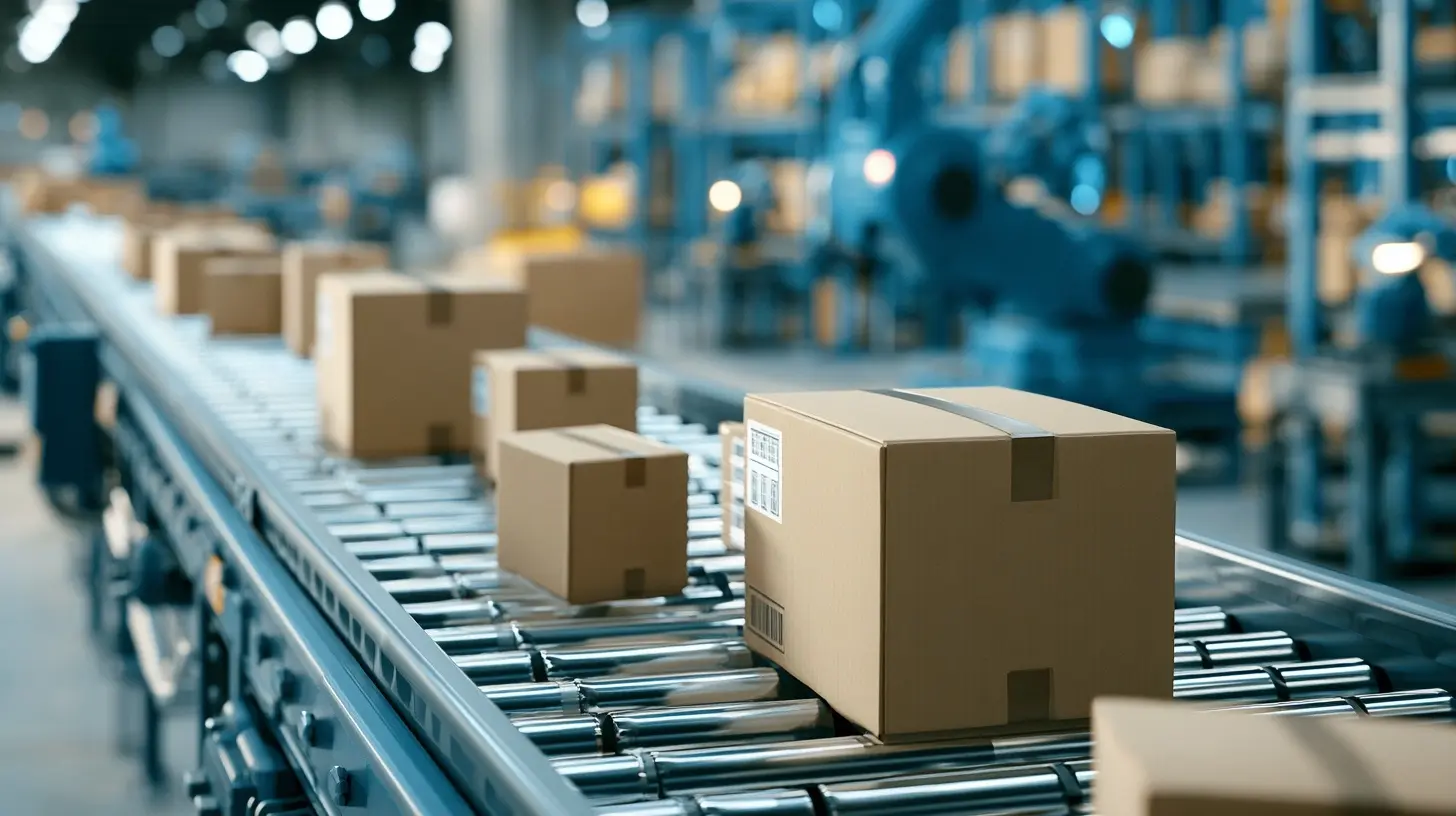
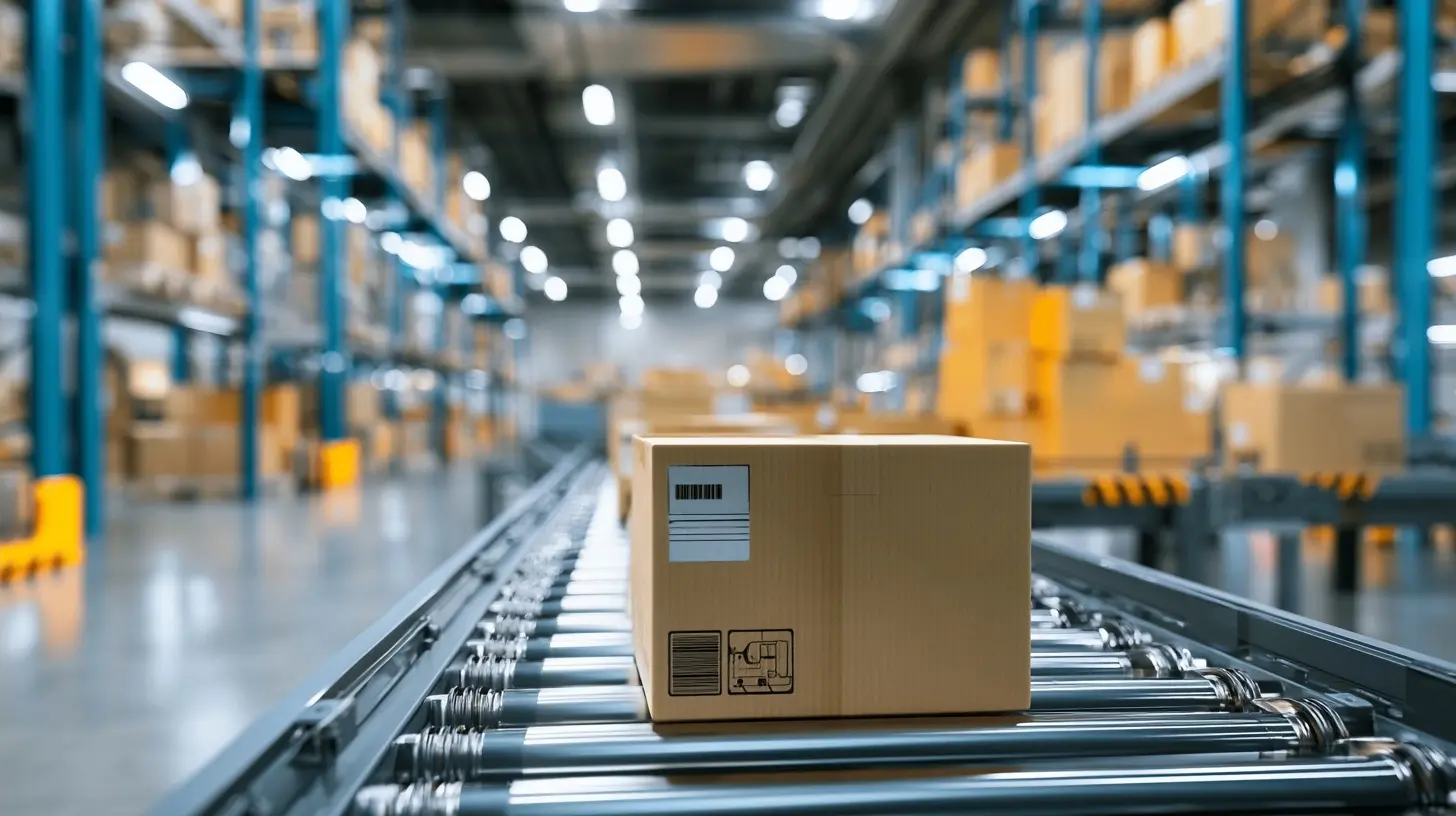
Micro-fulfillment centers are small-scale warehouses strategically located within or near urban centers. They are designed to handle online orders with speed and efficiency, often leveraging automation and advanced technology to optimize the fulfillment process. Unlike traditional fulfillment centers, which are typically large and located on the outskirts of cities, MFCs focus on serving local markets, thereby reducing the distance products must travel to reach customers.Key Characteristics
- Size: MFCs are generally smaller than conventional warehouses, often ranging from 10,000 to 50,000 square feet.- Location: Positioned in urban areas, they allow for quicker delivery times and lower shipping costs.
- Technology: Many MFCs utilize automation, robotics, and artificial intelligence to streamline operations and improve accuracy.
- Inventory Management: These centers often hold a curated selection of fast-moving consumer goods, allowing for rapid order processing.
The Drivers of Growth in Micro-Fulfillment
Changing Consumer Expectations
The rise of e-commerce has fundamentally altered consumer expectations. Shoppers now demand faster delivery times, often within hours, and a seamless shopping experience. Micro-fulfillment centers address these demands by enabling retailers to deliver products quickly and efficiently. For instance, companies like Walmart and Kroger have begun implementing MFCs to enhance their online grocery delivery capabilities, responding to the growing consumer preference for convenience.The Impact of COVID-19
The COVID-19 pandemic accelerated the shift toward online shopping, forcing retailers to adapt quickly to changing consumer behavior. As more people turned to e-commerce for their shopping needs, the demand for quick and reliable order fulfillment surged. Micro-fulfillment centers emerged as a solution to meet this demand, allowing retailers to fulfill orders locally and reduce reliance on traditional supply chains.Technological Advancements
Advancements in technology have made it easier for retailers to implement micro-fulfillment centers. Automation, robotics, and artificial intelligence are transforming the way products are stored, picked, and packed. For example, companies like Takeoff Technologies and Fabric are providing automated solutions that allow MFCs to operate with minimal human intervention. These technologies not only increase efficiency but also reduce labor costs, making MFCs a more attractive option for retailers.Competition in the E-Commerce Space
As the e-commerce landscape becomes increasingly competitive, retailers are seeking innovative ways to differentiate themselves. Micro-fulfillment centers offer a strategic advantage by enabling faster delivery times and improved customer service. Retailers that can fulfill orders quickly and accurately are more likely to retain customers and gain market share. Amazon, for example, has invested heavily in its fulfillment infrastructure, including MFCs, to maintain its competitive edge.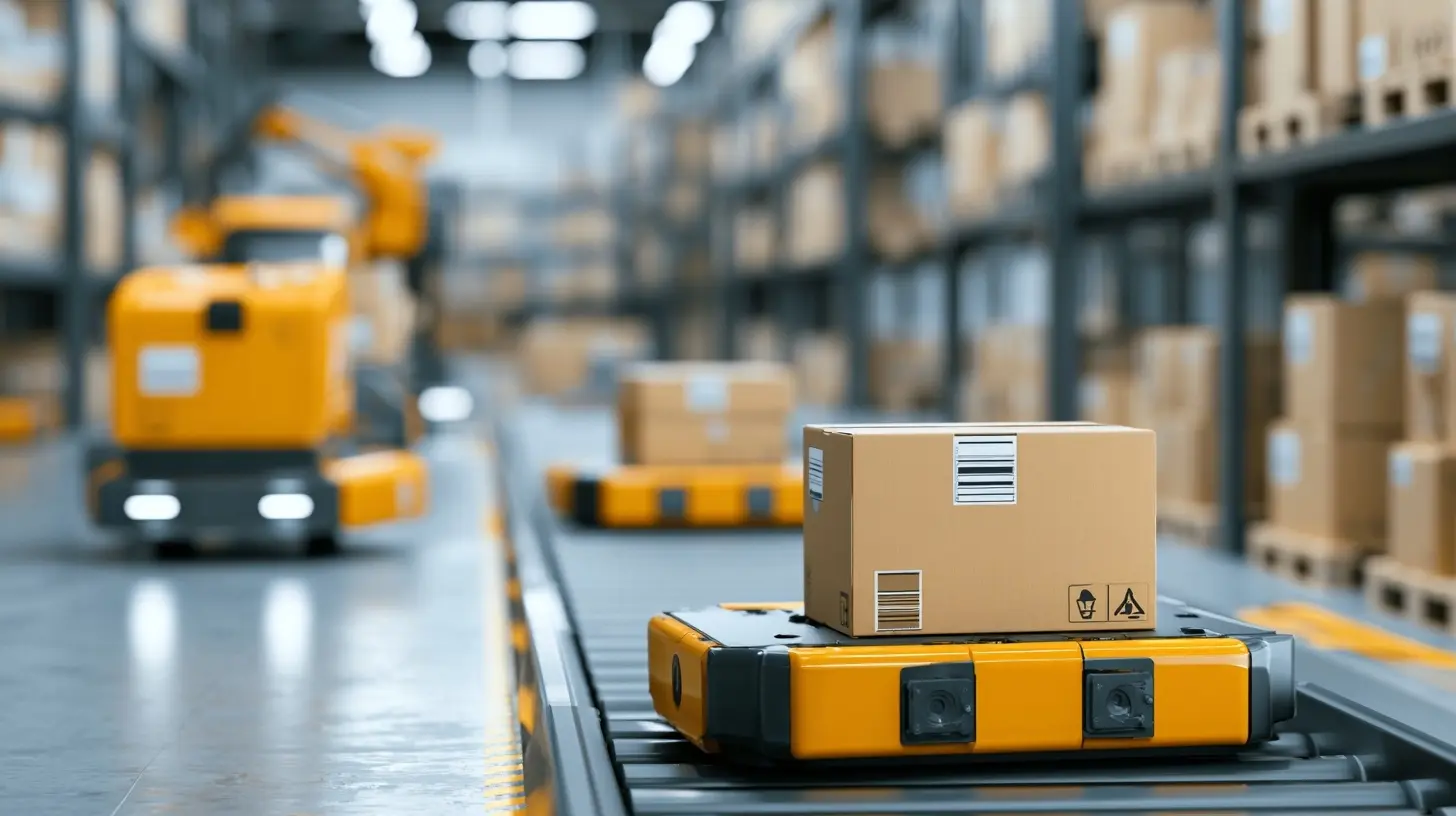
Advantages of Micro-Fulfillment Centers
Speed and Efficiency
One of the primary advantages of micro-fulfillment centers is their ability to fulfill orders quickly. By positioning these centers closer to consumers, retailers can significantly reduce delivery times. This speed is particularly important for perishable goods, such as groceries, where freshness is a critical factor in customer satisfaction.Cost-Effectiveness
While the initial investment in technology and infrastructure for MFCs can be substantial, the long-term cost savings can be significant. By reducing transportation costs and improving labor efficiency, MFCs can lower overall fulfillment costs. Retailers can also benefit from reduced inventory holding costs, as MFCs allow for just-in-time inventory management.Enhanced Customer Experience
Micro-fulfillment centers can lead to a better overall shopping experience for customers. With faster delivery times and improved order accuracy, retailers can enhance customer satisfaction and loyalty. MFCs can support a broader range of delivery options, including same-day and on-demand delivery, further improving the shopping experience.Flexibility and Scalability
MFCs provide retailers with the flexibility to adapt to changing market conditions. As demand fluctuates, retailers can scale their operations up or down more easily than with traditional fulfillment centers. This adaptability is crucial in today's fast-paced retail environment, where consumer preferences can shift rapidly.
Challenges and Considerations
Initial Investment
One of the primary challenges of implementing micro-fulfillment centers is the initial investment required. Retailers must consider the costs associated with technology, infrastructure, and staffing. While the long-term benefits can outweigh these costs, businesses need to conduct a thorough cost-benefit analysis to determine if MFCs are the right fit for their operations.Technological Integration
Integrating new technologies into existing systems can be complex and time-consuming. Retailers must ensure that their MFCs are compatible with their current supply chain and inventory management systems. This integration is critical for maintaining operational efficiency and ensuring a seamless customer experience.Workforce Management
While automation can enhance efficiency, it also raises questions about workforce management. Retailers must consider how to balance automated processes with human labor, particularly in areas where customer service and personal interaction are essential. Training employees to work alongside new technologies is crucial for maximizing the benefits of MFCs.Location Selection
Choosing the right location for a micro-fulfillment center is critical to its success. Retailers must consider factors such as proximity to their customer base, access to transportation networks, and local regulations. Conducting a thorough market analysis can help retailers identify optimal locations for their MFCs.Real-World Examples of Micro-Fulfillment Centers
Walmart's Investment in MFCs
Walmart has been at the forefront of implementing micro-fulfillment centers to enhance its online grocery delivery capabilities. The retail giant has begun testing automated fulfillment centers in various locations, allowing it to offer same-day delivery and improve order accuracy. By leveraging its existing store network and integrating MFCs, Walmart can fulfill online orders more efficiently while maintaining competitive pricing.Kroger's Approach to Urban Fulfillment
Kroger, one of the largest grocery chains in the United States, has also embraced micro-fulfillment centers. The company has partnered with technology providers to develop automated fulfillment solutions that can be implemented in urban areas. By strategically locating these centers, Kroger aims to reduce delivery times and enhance customer satisfaction.Target's Urban Distribution Strategy
Target has recognized the importance of micro-fulfillment in its online retail strategy. The company has invested in urban distribution centers that serve as MFCs, allowing it to fulfill online orders more quickly. Target's approach focuses on leveraging its existing store network to support online sales, creating a seamless omnichannel experience for customers.
Best Practices for Implementing Micro-Fulfillment Centers
Conduct a Feasibility Study
Before investing in micro-fulfillment centers, retailers should conduct a thorough feasibility study. This study should include an analysis of market demand, potential locations, and the financial implications of implementing MFCs. Understanding the local market dynamics can help retailers make informed decisions.Invest in Technology
To maximize the benefits of micro-fulfillment centers, retailers should invest in the right technology. This includes automation solutions, inventory management systems, and data analytics tools. By leveraging technology, retailers can enhance operational efficiency and improve order accuracy.Focus on Location
Selecting the right location for an MFC is critical to its success. Retailers should consider factors such as proximity to customers, access to transportation networks, and local regulations. A well-located MFC can significantly reduce delivery times and enhance customer satisfaction.Train Employees
As automation becomes more prevalent in micro-fulfillment centers, training employees to work alongside new technologies is essential. Retailers should invest in training programs that equip employees with the skills needed to operate and maintain automated systems.Monitor Performance
Once MFCs are implemented, retailers should continuously monitor their performance. This includes tracking key performance indicators such as order accuracy, fulfillment speed, and customer satisfaction. Regularly reviewing performance metrics can help retailers identify areas for improvement and optimize their operations.Conclusion
Micro-fulfillment centers represent a significant opportunity for retailers looking to enhance their online operations. As consumer expectations continue to evolve, the demand for faster, more efficient order fulfillment will only grow. By leveraging the advantages of MFCs, retailers can position themselves for success in the competitive e-commerce landscape. However, careful planning and consideration of challenges are essential for effective implementation. Retailers that embrace this trend will likely find themselves better equipped to meet the needs of modern consumers and thrive in the ever-changing world of online retail.
all images in this post were generated using AI tools
Category:
E Commerce TechnologyAuthor:

Jerry Graham
Discussion
rate this article
1 comments
Leo McKee
Micro-fulfillment centers redefine convenience for shoppers.
November 4, 2026 at 5:22 AM


