VR Headsets for Remote Work: A New Frontier in Telecommuting
23 May 2026
Let’s face it—remote work has come a long way, hasn't it? From awkward video calls and clunky project management tools to entire virtual offices, we've watched the concept of “going to work” morph into something that would’ve blown our minds a decade ago. But hold on—this evolution isn't stopping anytime soon.
Now enter VR headsets. Yep, virtual reality, the stuff we used to associate with gaming and sci-fi movies, is carving out a serious role in the remote work landscape. And it’s not just hype. Virtual reality is shaping up to be the next big upgrade in how we collaborate, brainstorm, and interact across distances.
So, buckle up. Because we’re about to dive deep into what VR headsets can really do for remote work, why more companies are starting to pay attention, and whether or not it has a seat at your digital work desk.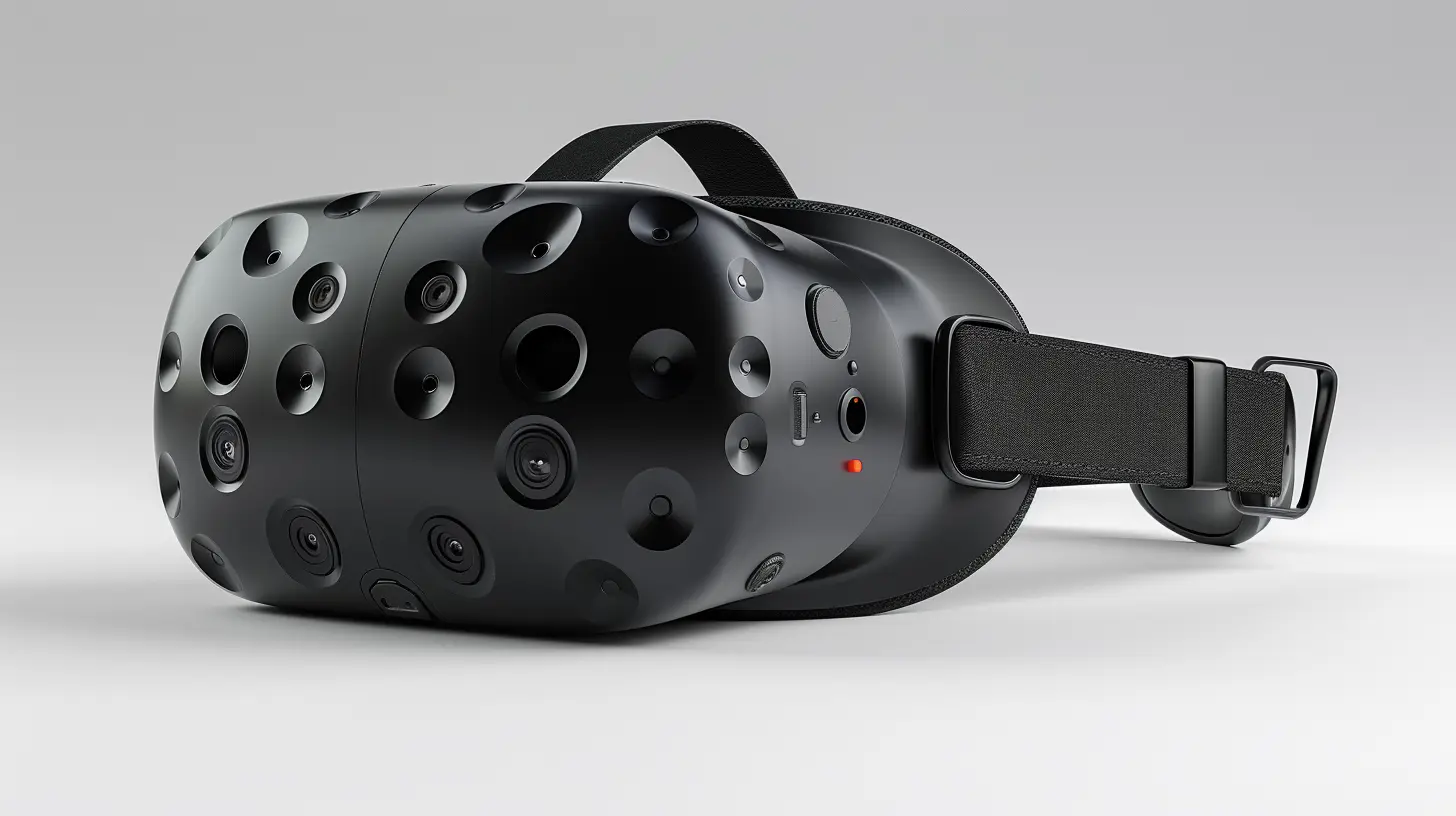
Why VR Headsets for Remote Work Even Makes Sense
It may sound futuristic, but if you stop and think about it, VR as a tool for remote work makes total sense.Ever feel disconnected on Zoom calls? Like you're all just little boxes on a screen rather than actual people in a room? That’s the problem VR aims to fix.
Picture this: Instead of staring at a screen, you put on a lightweight headset and boom—you’re in a 3D virtual office. You see your coworkers’ avatars walking around, working, even grabbing virtual coffee. It feels real. It feels tangible. And that feeling of presence? Total game-changer for remote teams.
The Power of Presence
Presence is the secret sauce. VR creates that weirdly real sense of “being there,” even when you're not. This opens up new possibilities for collaboration. Imagine huddling in a virtual conference room, brainstorming ideas around a digital whiteboard. You’re not just watching—you're part of the action.Traditional conference calls don’t hold a candle to communicating in a shared virtual space. No laggy video. No talking over each other. Just natural conversations in environments that simulate real workplaces.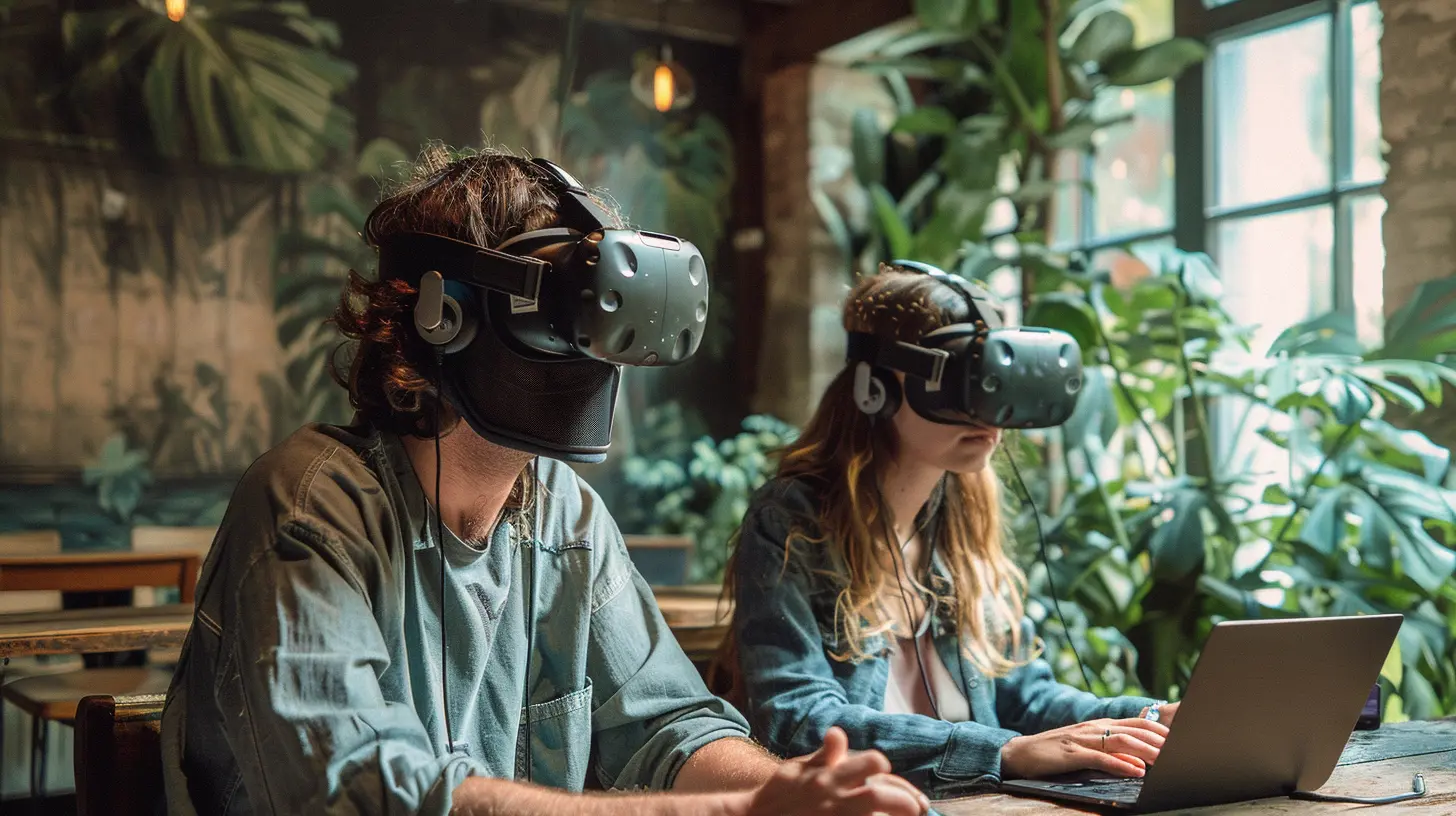
Benefits of Using VR Headsets for Remote Work
Let’s talk perks—because the benefits of bringing VR into your daily grind are more than just novelty. Here are some real, tangible upsides.1. Enhanced Collaboration and Communication
VR platforms like Spatial, Horizon Workrooms, or MeetinVR give you a space where coworkers can interact naturally. You can literally walk up to someone’s desk and start a chat. Or hold a team meeting where people gesture, write on whiteboards, and move freely.Basically, it makes working together less robotic and more human.
2. Better Focus, Less Distraction
Ever tried working from home while your neighbor’s dog barks or your kids are launching their own space station in the living room? VR helps isolate you from real-world distractions. Pop on the headset, and you’re in a focused digital workspace where it’s just you and your work.Kind of like putting on noise-canceling headphones... but for your whole visual environment.
3. Immersive Training and Onboarding
Training new hires remotely is a challenge. But with VR, you can walk them through simulated tasks, give interactive demos, or tour a 3D office—all without anyone needing to leave the house.And let’s not forget muscle memory. VR training sticks better because it takes advantage of physical interaction, not just passive reading or watching videos.
4. Cost Savings for Companies
Think of how much money businesses spend on travel, office space, or relocation packages. With VR-enabled remote work, those costs go way down. Need a quarterly strategy meeting? Just host it in a virtual boardroom. Everyone shows up—no flights necessary.
Popular VR Headsets Making Remote Work Possible
Not all VR headsets are created equal. Some are tailor-made for serious productivity, others are more on the fun, consumer side. Here are a few major players making waves in the remote work scene.Meta Quest 2 & Quest Pro
Meta's VR headsets are leading the charge. The Quest 2 is affordable, wireless, and has access to plenty of productivity apps. The newer Quest Pro? Even better for work settings—it features eye tracking, face tracking, and higher-end visuals. Perfect for reading body language in virtual meetings.HTC Vive Focus 3
HTC’s Vive Focus 3 is a premium pick. It’s all about comfort, clarity, and professional use. Great for virtual training, design collaboration, and immersive meetings. It does cost more, but companies looking for high-end performance find it worth it.Pico 4 Enterprise
This one's popular in Europe and Asia, offering a sleek design, enterprise-level security, and robust performance. It’s gaining traction among companies that need a reliable and user-friendly solution for remote collaboration.Apple Vision Pro (Coming Soon)
Apple's stepping into the game with the Vision Pro, and if their past gadgets are any clue, it’s going to be a big deal. With a focus on MR (Mixed Reality), it's set to blend physical and virtual workspaces in seamless ways. It's still early—but eyes are definitely on this one.
Real-World Use Cases of VR in Remote Work
Still skeptical? Let’s talk about the companies already jumping into the VR workspace.Accenture
Global consulting firm Accenture bought 60,000 Meta Quest 2 headsets to onboard new employees via a virtual campus. Yes, you read that right—60k. Clearly, they see something valuable here.PwC
PricewaterhouseCoopers tested VR training compared to traditional methods. They found employees learned up to 4 times faster using VR. Faster, more effective training = better outcomes.Microsoft Mesh and AltspaceVR
Microsoft is developing Mesh, a mixed-reality platform that integrates with Teams. You’ll be able to join meetings as avatars and collaborate like you're in the same room. Who said Teams was boring?The Challenges of Adopting VR for Work
Let’s not paint a perfect picture just yet—bringing VR into your work life isn’t all smooth sailing. There are some hurdles to consider.Tech Fatigue
Wearing a headset for long hours? Not everyone’s cup of tea. Some people get motion sickness. Others just find it weird or isolating.Until headsets get more comfortable (and they will), this could be a sticking point.
Steep Learning Curves
Let’s be honest—our parents struggle to mute themselves on Zoom. Hand them a VR headset, and things might spiral. Onboarding teams to use VR tools takes time, training, and patience.Security and Privacy Concerns
Remote work already has enough security headaches. Add immersive tech, and you’re opening a new can of worms. Companies need to ensure data stays protected in these virtual spaces.Is VR the Future of Remote Work?
So, is this where we’re all headed? Are we going to start every workday by sliding on a headset and checking into a virtual office?Honestly… maybe.
We’re not fully there yet. But the momentum is real. As VR hardware gets cheaper and software gets smarter, we’ll see more businesses experimenting with immersive workspaces.
Think about how weird video calls used to be. Now they’re normal. VR might be on a similar trajectory. First, it’s the innovators. Then it’s the early adopters. Eventually, it’s everyone.
Tips for Getting Started with VR for Remote Work
Ready to dip your toes into this brave new world? Here’s how to ease into VR for work without going full sci-fi.1. Start Small
You don’t need to build a Metaverse version of your company. Try hosting one team meeting a week in VR. Or use VR for remote training and workshops.2. Choose the Right Platform
Platforms like Horizon Workrooms, Spatial, and Engage are beginner-friendly and packed with features tailored for work.3. Prioritize Comfort
Pick a headset that’s lightweight and has adjustable options. Your eyes (and neck) will thank you.4. Set Clear Guidelines
Just like with email and Slack, you’ll need communication norms for your virtual workspace. Otherwise, it gets chaotic fast.The Bottom Line
VR headsets aren’t just for gamers anymore. They’re finding a home in our digital offices, helping us feel closer, collaborate better, and work smarter. Yes, there are challenges. But the potential? Wildly exciting.The world is changing—again. And remote work isn’t just about working from home. It’s becoming a digital experience where location barely matters and collaboration thrives in 3D.
If you're curious or just plain tired of staring at flat screens, maybe it’s time to take a peek into the future. And who knows? Your next office might not have walls—but it’ll still feel like home.
all images in this post were generated using AI tools
Category:
Vr HeadsetsAuthor:

Jerry Graham
Discussion
rate this article
2 comments
Derek McLemore
This article sheds light on an exciting development in remote work. VR headsets could really change how we connect and collaborate from home. It's refreshing to see technology pushing boundaries and offering new ways to enhance our work experience. Looking forward to seeing how this evolves.
July 27, 2026 at 12:17 PM
Jerry Graham
Thanks for the thoughtful comment! I share your excitement about how VR could transform remote work. It will be interesting to see the impact as this technology advances.
Elijah Gomez
Finally, I can attend meetings in pajamas while exploring virtual worlds. Multitasking level: expert!
May 24, 2026 at 7:15 PM
Jerry Graham
Sounds like the perfect setup! Enjoy the blend of comfort and creativity.