VR Headsets for Art and Creativity: Unlocking New Worlds
27 May 2026
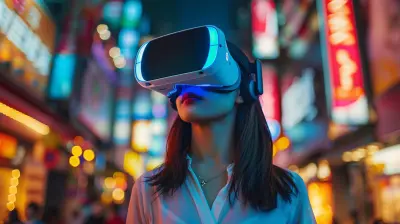
Technology is constantly pushing boundaries, and nowhere is that more evident than in the world of Virtual Reality (VR). Once the stuff of science fiction, VR has now become a powerful tool, not just for gaming or entertainment, but for art and creativity as well. Imagine, for a second, strapping on a VR headset and stepping into a blank 3D canvas where the only limit is your imagination. Sounds cool, right? That’s because it is!
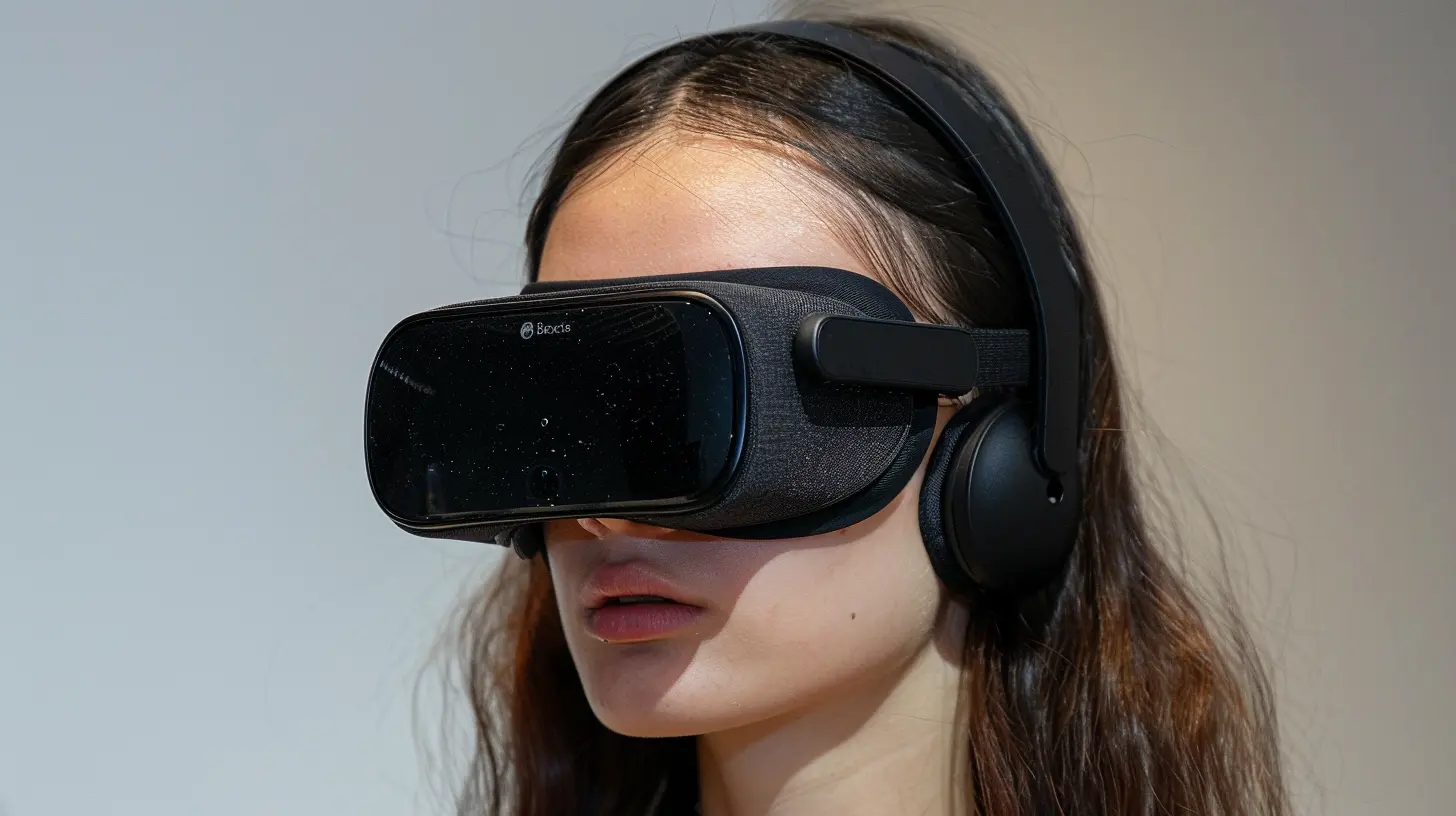
VR headsets are opening up new dimensions for artists, designers, and creators, enabling them to explore their creativity in ways that were simply impossible just a few years ago. Whether you’re a professional artist, a hobbyist, or someone who's just curious about the potential of VR, this article will guide you through how VR headsets are revolutionizing the creative landscape.
The Evolution of Art in the Digital Age
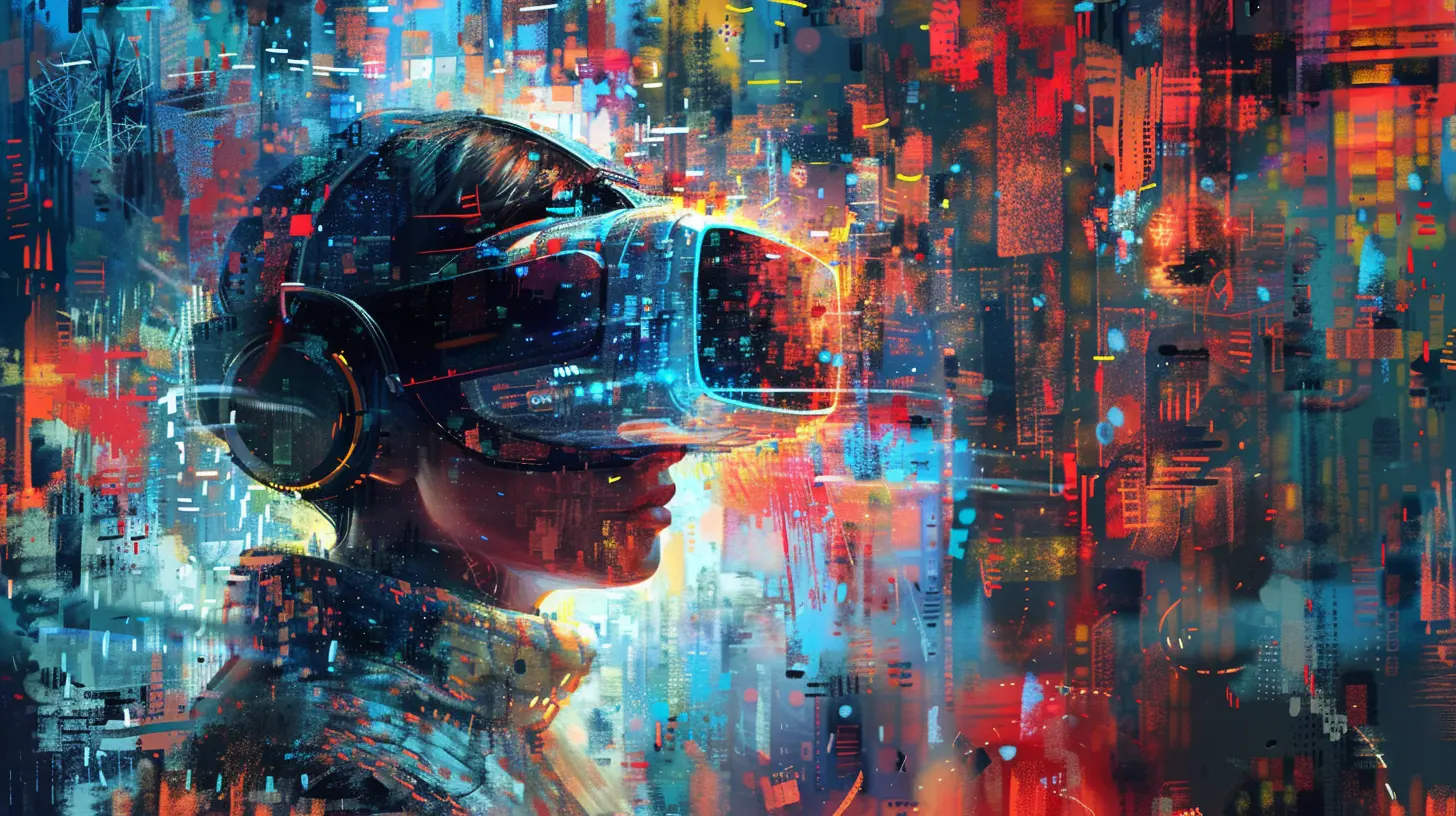
Before we dive into VR, let’s take a quick trip down memory lane. Art has always evolved with technology. From the invention of the paintbrush to the introduction of photography, every leap forward in tech has opened up new mediums and ways to express creativity. In recent years, we’ve seen digital art become mainstream, with tablets, styluses, and software like Photoshop and Procreate becoming essential tools for modern artists.But VR? It’s a whole different ball game. While digital art brought the canvas to the screen, VR has taken it off the screen and placed it around, above, and below us. It’s like trading in your easel for an entire universe where you can paint with light, build sculptures in mid-air, or design immersive environments with the flick of your wrist.
How VR Headsets Are Changing the Game for Artists
So, what’s the big deal with VR headsets? Why are they such a game-changer for artists and creators?1. 3D Creation in a 360° World
The most obvious benefit of VR for creativity is the ability to work in a 3D space. When you're wearing a VR headset, you’re not confined to a flat surface anymore. You can move around, look at your work from every angle, and manipulate it in real-time. Imagine building a sculpture and being able to walk around it, make adjustments as you go, or even create a painting that surrounds you entirely, like stepping into a dream.This isn’t just about making art; it's about experiencing it. And that's something traditional mediums simply can't offer.
2. Breaking Down Barriers Between Mediums
VR blends the boundaries between different forms of art. Want to create a painting that you can also walk through? Go for it. How about designing a futuristic cityscape and then exploring it as if it were real? Absolutely.With VR, artists can combine elements of painting, sculpture, architecture, and even video game design in ways that were previously impossible. It’s a multi-medium tool that doesn’t limit you to one form of expression. It’s like giving a painter the tools to become a sculptor, an architect, and a filmmaker all at once.
3. Immersive Storytelling
Storytelling is one of the oldest forms of art, and VR takes it to the next level. Imagine creating an immersive story where the viewer isn’t just watching—they’re inside the world you’ve created. They can look around, explore, and interact with the story in ways that were never possible before.For filmmakers and writers, VR allows for interactive narratives, where the audience becomes part of the story. This opens up new possibilities for storytelling that go beyond the traditional boundaries of film and literature.
4. Collaborative Art in Real-Time
VR can also bring creators together from all over the world. Think about it: Two artists on different continents could step into the same virtual room and collaborate on a piece of art in real-time. They could each use their tools, adding their unique touches, and see the work evolve before their eyes. This kind of real-time collaboration is another way that VR is blurring the lines between individual and collective creativity.5. Infinite Workspace and Tools
Ever run out of space on your canvas or your desk? Not in VR. The virtual world is limitless. Your workspace can be as large or as small as you want it to be, and you can use tools that simply don’t exist in the real world. Want to paint with fire? Sculpt with clouds? You can. The only boundary in VR is your imagination.Moreover, you don’t have to worry about running out of materials, paint, or clay. Everything you need is virtually available, making VR an incredibly accessible platform for experimentation and creation.
6. Accessibility for All Artists
Speaking of accessibility, VR is opening up the world of art to people who may not have had the chance to create in traditional mediums. For those with physical disabilities, VR offers tools that can adapt to different needs. You don’t need to hold a paintbrush or mold clay with your hands if you can gesture in the air or use intuitive controllers to bring your vision to life.7. Learning and Skill Development
VR is also an incredible platform for learning. Whether you’re a seasoned artist looking to master a new skill or a beginner just starting, VR-based art apps come with tutorials and easy-to-use interfaces that make learning feel like play. You can practice techniques in a risk-free environment, where nothing is wasted, and you can undo mistakes with a quick motion.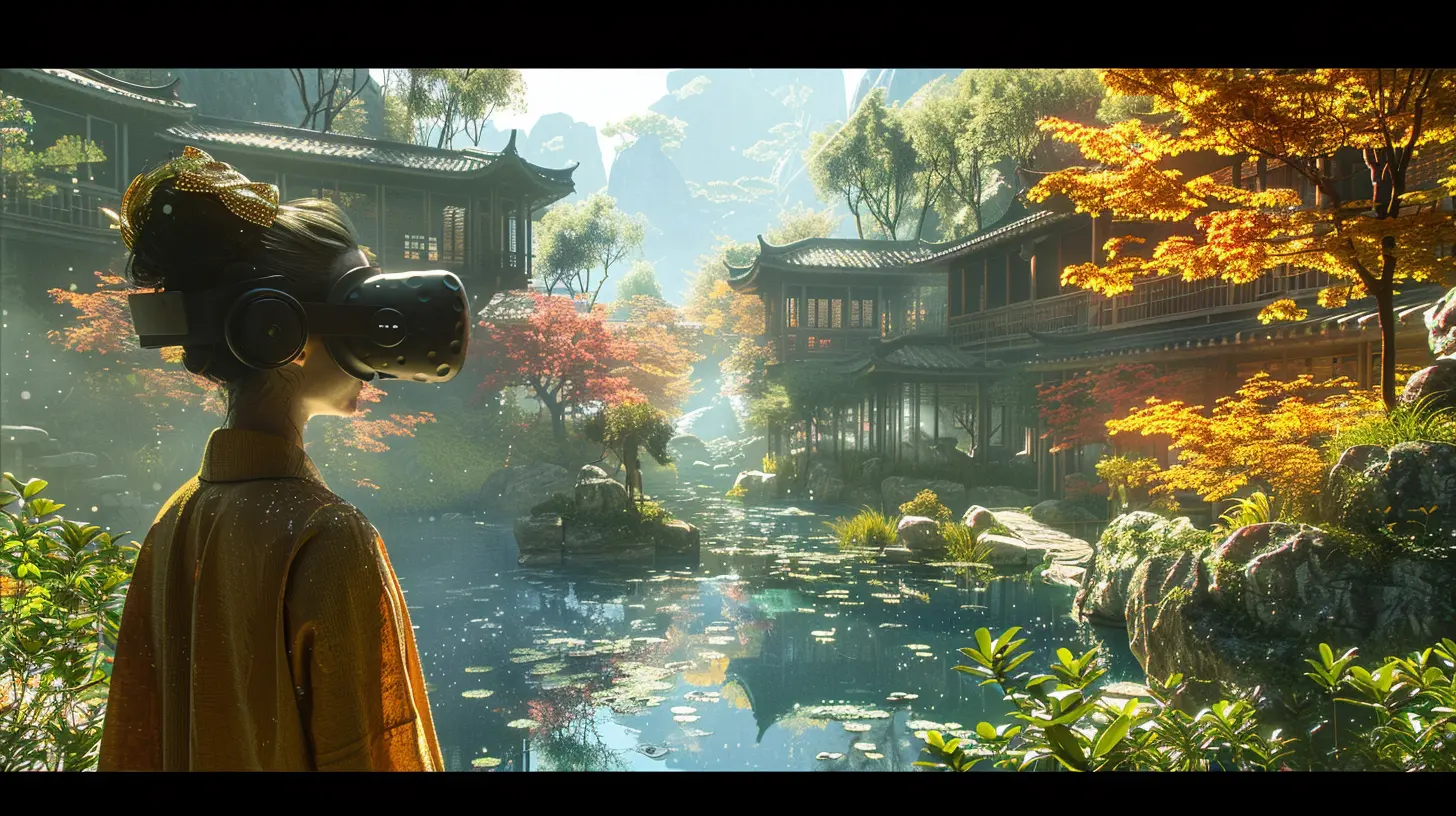
Top VR Headsets for Art and Creativity
Now that we’ve talked about how VR is revolutionizing art, let’s look at some of the top VR headsets that are perfect for artists and creators.1. Oculus Quest 2
The Oculus Quest 2 is one of the most popular VR headsets on the market, and for good reason. It’s wireless, affordable, and has access to a wide range of creative apps. For artists, apps like Tilt Brush (which lets you paint in 3D) and Gravity Sketch (a powerful tool for 3D modeling and design) make the Quest 2 a fantastic choice.The freedom of a wireless headset means you can move around without being tethered to a computer, which is especially useful when you’re creating in a large 3D space.
2. Valve Index
For those looking for a high-end experience, the Valve Index offers top-of-the-line graphics and incredibly precise controllers that track even the smallest movements of your fingers. This level of precision is crucial for artists who need fine control over their creations.While it’s more expensive and requires a more powerful computer, the Valve Index is ideal for professional artists and designers who demand the best.
3. HTC Vive Pro 2
The HTC Vive Pro 2 is another high-end option, with excellent resolution and a wide field of view. It’s known for its comfort and durability, making it a great choice for artists who might be spending long hours in VR.It also supports a range of creative applications, from painting and sculpting to architectural design and animation.
4. Sony PlayStation VR
If you’re a console gamer, the PlayStation VR offers a more affordable option that’s still robust enough for creative work. While it may not have the same level of precision or graphical power as the Quest 2 or Valve Index, it still supports apps like SculptrVR, which lets you create sculptures and environments in 3D.5. Pico Neo 3
A lesser-known but increasingly popular option, the Pico Neo 3 offers a wireless experience similar to the Quest 2, with a focus on professional and enterprise applications. It’s a good choice for artists who want something more business-oriented, especially in fields like architecture or product design.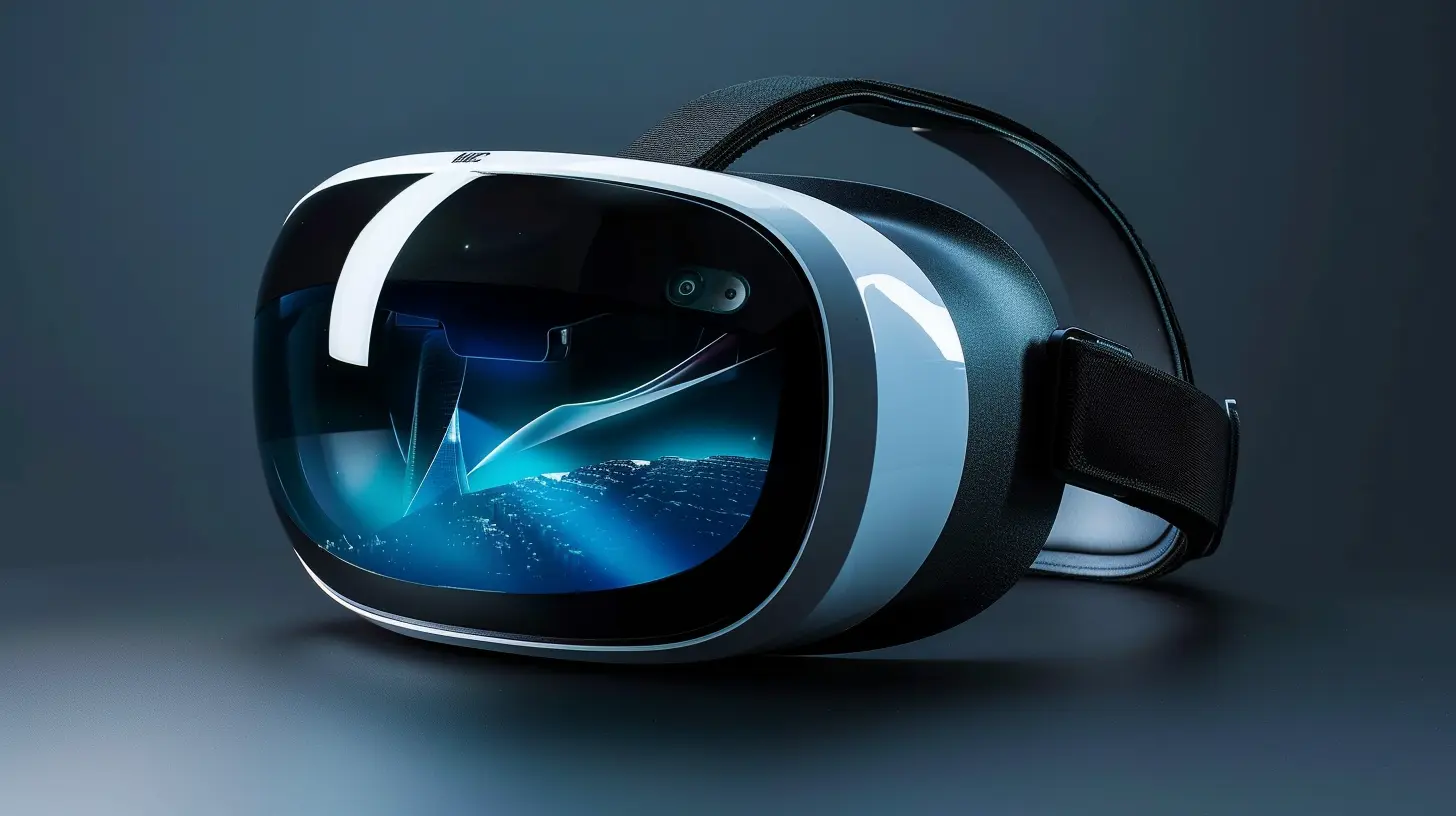
Popular VR Art and Design Apps
Now that you know which headsets are ideal for creative work, let’s talk about some of the apps that are pushing the boundaries of art in VR.Tilt Brush
Tilt Brush is probably the most well-known VR art app. It allows you to paint in 3D space using a variety of brushes and effects. You can create anything from simple sketches to complex, immersive environments. Tilt Brush is intuitive, fun to use, and a great entry point for anyone new to VR art.Gravity Sketch
For those interested in 3D modeling, Gravity Sketch is a powerful tool that's used by professionals in design, architecture, and product development. It allows you to create complex 3D models with ease, and its intuitive interface makes it accessible to beginners as well.Kingspray Graffiti Simulator
If you’ve ever wanted to try your hand at graffiti without getting into trouble, Kingspray is the app for you. It lets you create street art in VR, with realistic spray paint effects and a variety of surfaces to paint on. It’s a fun and unique way to express yourself creatively.SculptrVR
SculptrVR is all about creating 3D sculptures. You can start with a basic shape and mold it into anything you want, from characters to entire landscapes. It’s a great tool for anyone interested in sculpture or 3D design.Conclusion: A New Era of Creativity
VR headsets are more than just the next step in technology—they’re a new frontier for creativity. Whether you’re painting in 3D, sculpting in mid-air, or designing immersive environments, VR offers endless possibilities for artistic expression. The only limit is your imagination.As VR technology continues to evolve, we’re likely to see even more innovative tools and applications for artists and creators. So, if you’ve been thinking about diving into the world of VR, there’s never been a better time. It’s time to put on that headset, step into a new world, and see where your creativity takes you.
all images in this post were generated using AI tools
Category:
Vr HeadsetsAuthor:
Jerry Graham
Discussion
rate this article
2 comments
Lillian Webster
This is a fantastic exploration of how VR can expand artistic boundaries. Excited to see where creativity goes next!
August 6, 2026 at 2:41 AM
Jerry Graham
Thanks for your enthusiasm! It's exciting to see how VR is pushing artistic limits. Let's see what innovative ideas emerge next!
Madison McTigue
Virtual reality is transforming how we experience and create art. It opens doors to immersive environments where imagination knows no bounds. As artists embrace these tools, we may witness a new renaissance, blending technology with creativity in ways we have yet to fully explore.
May 28, 2026 at 4:23 AM
Jerry Graham
Absolutely! VR is redefining artistic expression, allowing us to dive deep into our imaginations and explore new realms of creativity. Exciting times ahead!