Virtual Reality Stores: Innovation or Gimmick by 2026?
13 September 2026
Let's cut the nonsense right away. Someone in a boardroom saw a sci-fi movie, slapped a headset on an intern, and called it the future of retail. That is basically how a lot of virtual reality store pitches go. But writing the whole thing off as a stunt would be just as lazy. By 2026, VR retail will not be a single story. It will be a messy split between genuinely useful tools and expensive theater. Your job is to tell the difference before you burn a budget.
I have watched enough tech cycles to know the pattern. A platform gets hyped, vendors flood in, reality hits, and what survives is the boring stuff that actually solves a problem. VR commerce is walking that exact path right now. So the real question is not whether VR stores are innovative or a gimmick. The real question is where, for whom, and under what conditions they earn their place.
What a "VR Store" Actually Means in 2026
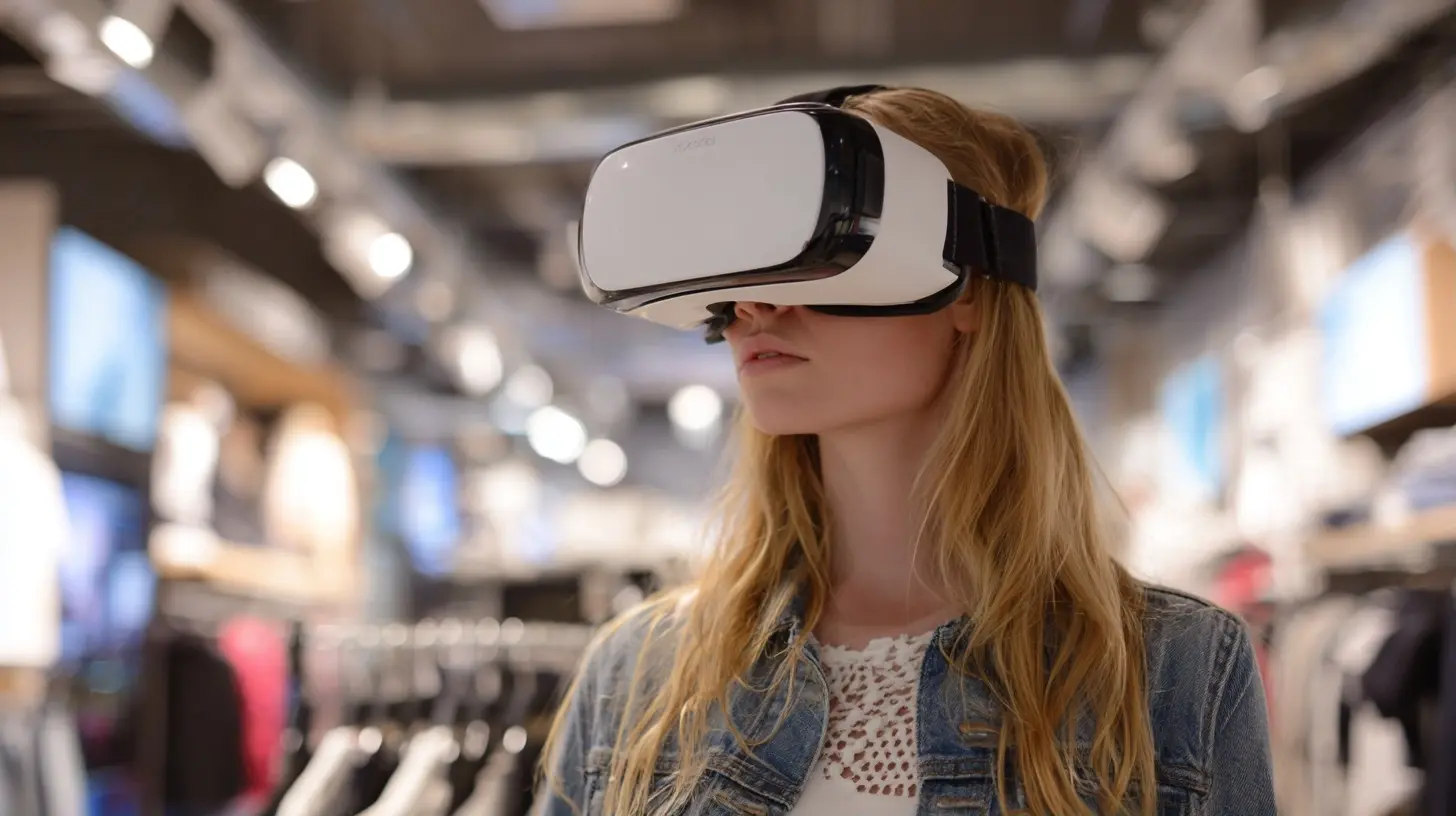
The term gets thrown around like it is one thing. It is not. There are at least four distinct models, and they live or die for completely different reasons.The Headset-Based Immersive Showroom
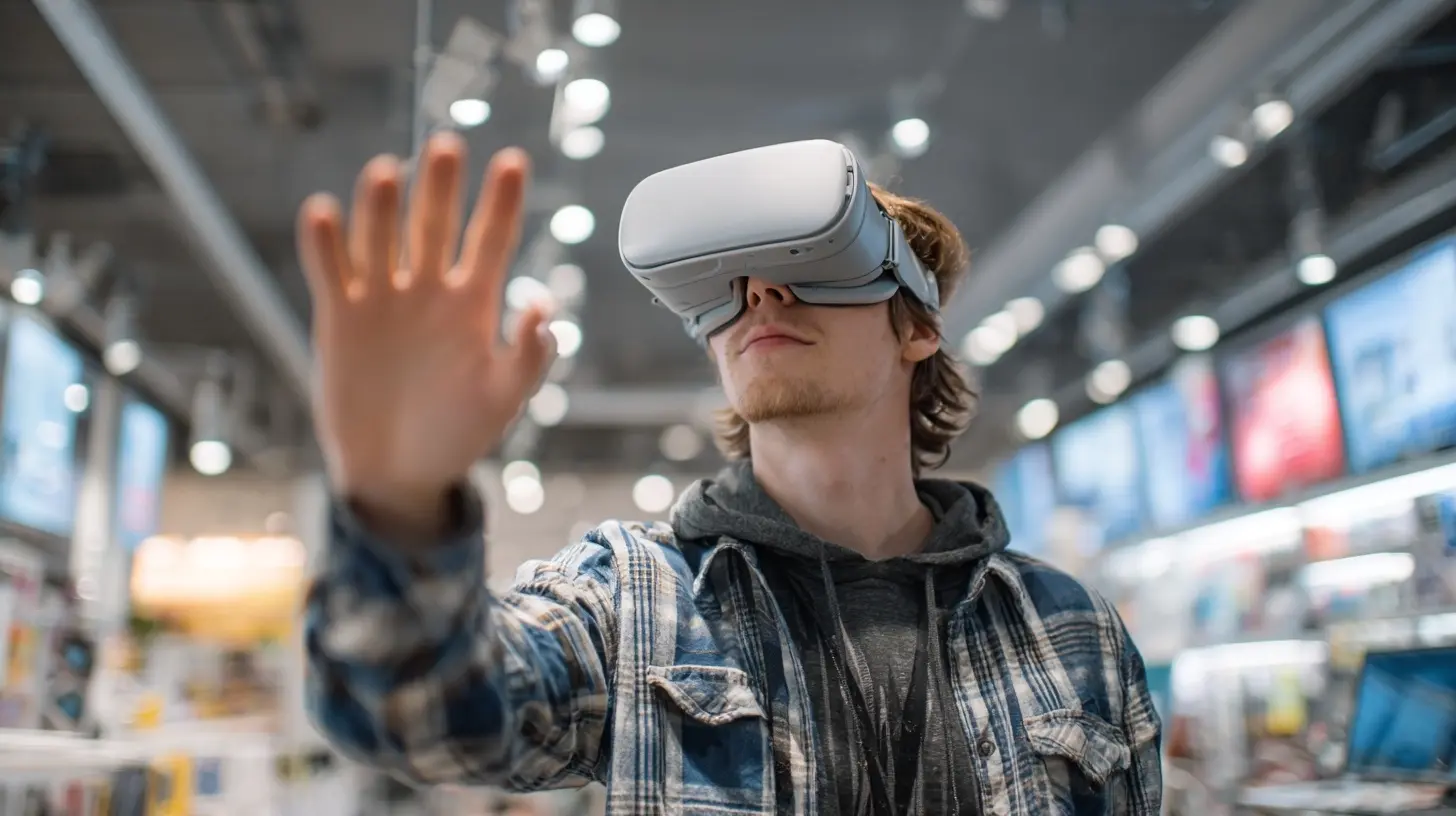
This is the version everyone pictures. A customer puts on a headset, walks through a virtual space, picks up products, and inspects them from every angle. Furniture, cars, appliances, and industrial equipment fit here. The value is spatial understanding. You cannot judge how a sofa fills a room from a flat photo, but you can in a 3D scene scaled to your actual living room.The Browser-Based 3D Store
No headset required. You open a link, move through a 3D environment on a laptop or phone, and click to buy. Think of it as a website that gained a third dimension. This is the most commercially realistic model because it removes the hardware barrier. Conversion still depends on speed, clarity, and trust, not novelty.The Mixed Reality Try-On
Here the virtual object lands in your real environment through a phone camera or a lightweight headset. Eyewear, watches, makeup, and sneakers are the obvious candidates. This model works because it answers one specific question: does this look right on me, in my space, right now?The Social Shopping Space
Multiple people meet inside a shared virtual world, browse together, and talk in real time. It mimics a mall trip with friends. It is also the hardest model to justify commercially, because coordinating avatars is a logistical headache and the social thrill fades fast without a real reason to stay.Each of these models has a different cost structure, a different customer, and a different definition of success. Treating them as one category is the first mistake companies make.
Why the Skepticism Is Justified
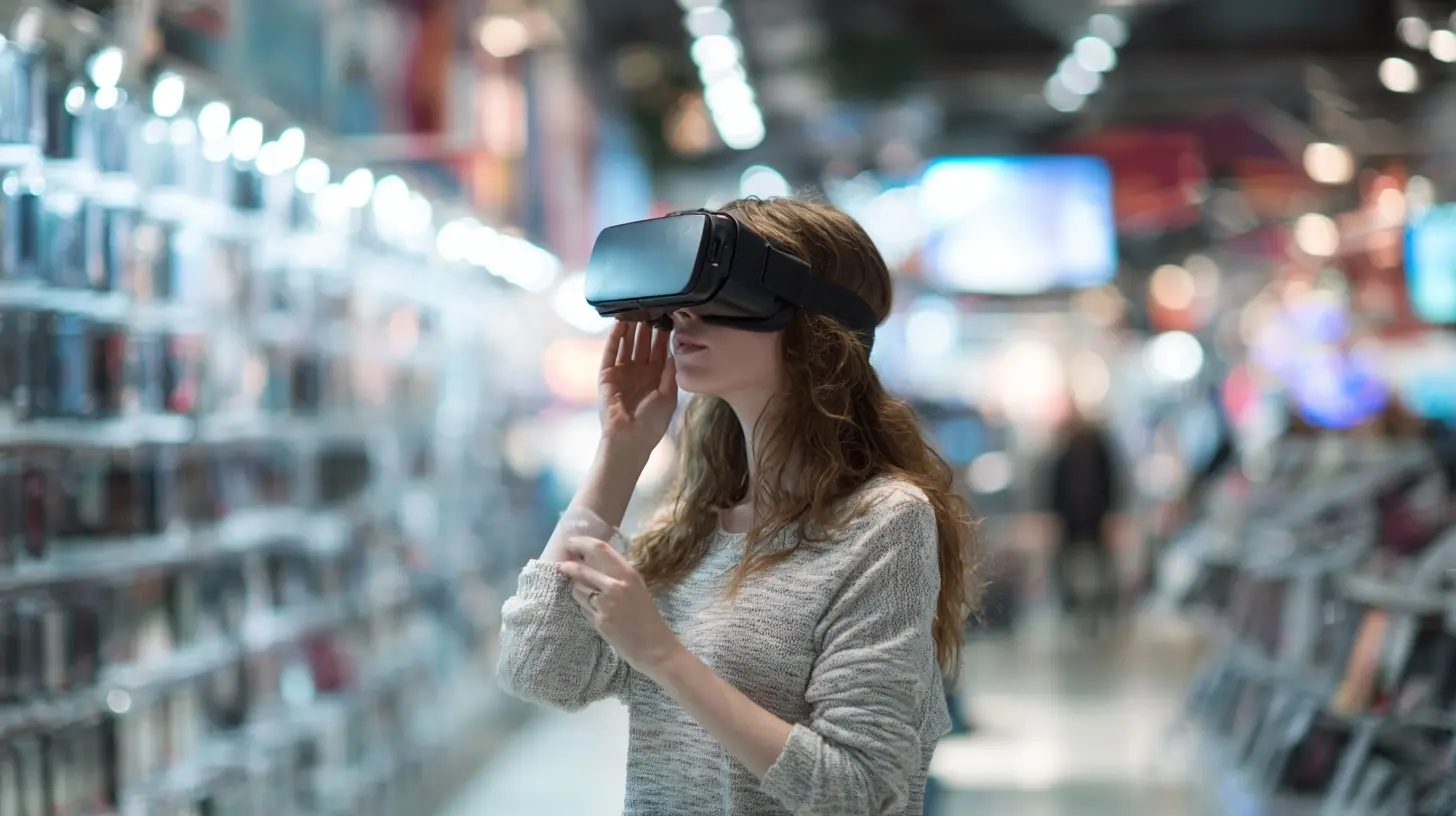
Plenty of VR retail experiments have flopped, and the reasons are predictable.Headsets are still uncomfortable for long sessions. Battery life is limited. Motion sickness affects a meaningful share of users. Setup friction kills casual browsing. If a customer has to find a headset, charge it, calibrate it, and learn the controls before seeing a product, you have already lost most of them.
Then there is the content problem. Building a high-quality 3D product catalog is expensive. Photogrammetry, manual modeling, texture work, and lighting all cost money. A single detailed product can take days to prepare properly. Multiply that by thousands of SKUs and the math gets ugly fast.
There is also the novelty cliff. Early users try VR stores because they are new. Then the thrill wears off, and the store has to compete on the same terms as every other channel: selection, price, convenience, and trust. Most VR stores have not built anything that survives that comparison.
Where VR Retail Genuinely Earns Its Place
Here is the part the hype merchants miss. VR stores are not a universal upgrade. They are a targeted tool for specific problems.High-Consideration, High-Ticket Products
When a purchase is expensive and hard to visualize, VR pays off. A kitchen remodel, a custom vehicle interior, a complex piece of machinery. The cost of a wrong decision is high, and returns are painful. A virtual walkthrough reduces uncertainty in a way that photos cannot.Products With Fit and Scale Problems
Anything that depends on how it fits your body or your room benefits. Glasses, helmets, ergonomic chairs, modular furniture. The value is not entertainment. The value is fewer returns and higher confidence at checkout.Configurators That Need Depth
If a product has dozens of options, a flat configurator becomes a spreadsheet with pictures. A 3D or VR configurator lets buyers see combinations in context. Car manufacturers and furniture brands have used this logic for years, and it holds up.Training and Sales Enablement
Not every VR store faces consumers. Some face sales teams. Letting a rep walk a client through a virtual product line in a headset can be more persuasive than a slide deck, especially for industrial and B2B sales.Notice the pattern. VR works when the decision is complex, the stakes are high, and visualization genuinely changes the outcome. It fails when it is bolted onto simple purchases for the sake of looking modern.
The Economics Nobody Wants to Talk About
Let's do the uncomfortable math. A basic browser-based 3D store can cost anywhere from a modest build to a six-figure project, depending on catalog size and interactivity. A headset-based experience adds hardware, distribution, sanitation, staffing, and support costs on top.Then you have to measure return. If VR lifts conversion by a small percentage but costs ten times more than a standard product page, the math does not work. If it cuts returns significantly on high-ticket items, it can pay for itself quickly. The difference is entirely in the category.
I have seen teams celebrate engagement metrics while ignoring revenue. Time spent in a VR store means nothing if people leave without buying. The metrics that matter are conversion rate, return rate, average order value, and cost per acquisition. Vanity metrics like session length are how projects get funded and then quietly killed.
Common Mistakes That Sink VR Retail Projects
Chasing the Headset
Teams obsess over which headset to support before they define the customer problem. Hardware should be the last decision, not the first. Start with the question: what decision is the customer struggling to make?Rebuilding the Whole Catalog
You do not need every product in 3D. Pick the twenty percent that drives most of the revenue and most of the returns. Model those. Leave the rest as standard pages.Ignoring Load Times
A beautiful 3D scene that takes thirty seconds to load is a dead store. Performance is not a technical detail. It is the product.Skipping the Fallback
Some customers will never use VR. Some will try it and hate it. Always provide a standard path to purchase. If the VR experience is the only door, you are locking people out.Treating It as a Marketing Stunt
If the VR store exists for a press release, it will die after the press release. It needs an owner, a budget, and a clear business metric from day one.
Misconceptions Worth Killing
"VR replaces the store." No. It replaces a specific part of the decision journey, usually the evaluation stage. It rarely replaces the entire path."Young people love VR." Some do. Many do not. Age is a weak predictor. Comfort with technology and patience for friction matter more.
"It is cheaper than a physical store." Upfront, maybe. Over time, content maintenance, hardware refresh, and support add up. It is a different cost structure, not a free one.
"If we build it, they will come." Nobody wanders into a VR store by accident. You have to drive traffic to it, and that costs money just like any other channel.
Best Practices That Actually Hold Up
Design around one decision. A VR store that tries to do everything does nothing well. Pick the single question the customer needs answered and build the experience around it.Keep sessions short. Most useful VR interactions take two to five minutes. Long journeys lose people.
Make the first ten seconds effortless. No account creation, no tutorial wall, no download before the value appears.
Measure against a real baseline. Compare VR users to similar customers on standard pages. Without a control group, you are guessing.
Plan for content decay. Products change. Prices change. A 3D catalog needs a maintenance pipeline, not a one-time build.
Offer a human exit. A chat or call option inside the experience catches people who get stuck and keeps them from abandoning.
When You Should Not Build a VR Store
Skip it if your products are simple, cheap, and easy to understand. Skip it if your margins cannot absorb the build and maintenance cost. Skip it if your customers are price-driven and impatient. Skip it if you cannot name the specific decision the experience improves.That is not defeatism. That is discipline. The companies that win with VR retail are the ones that say no most of the time.
When It Is Worth the Investment
Build it when visualization changes the buying decision. Build it when returns are expensive and confidence is low. Build it when you have a catalog small enough to model well and valuable enough to justify the cost. Build it when you can measure the impact against a clear baseline.In those conditions, VR stops being a gimmick and becomes a tool. In every other condition, it is an expensive demo.
The 2026 Verdict
By 2026, VR stores will not take over retail. They will settle into a narrower, more honest role. The headset-first dream will remain niche, limited by comfort, cost, and friction. Browser-based 3D and mixed reality try-on will quietly become normal parts of product pages, often without anyone calling them VR at all. That is how real innovation hides. It stops being a headline and becomes a feature.So is it innovation or a gimmick? Both, depending on execution. A VR store built to solve a real decision problem is innovation. A VR store built to look futuristic is a gimmick with a headset. The technology is not the variable. The thinking behind it is.
all images in this post were generated using AI tools
Category:
E Commerce TechnologyAuthor:

Jerry Graham
Discussion
rate this article
1 comments
Fenris Jimenez
Virtual reality stores? More like a digital distraction. Innovation or gimmick? I'll stick to real shopping, thanks.
September 13, 2026 at 4:05 AM