Virtual Reality and the Role of Immersive Sound: Enhancing the Experience
15 May 2026
Virtual Reality (VR) has revolutionized the way we interact with digital content. It’s no longer just about seeing a screen—it's about being inside the experience. But have you ever wondered why some VR experiences feel so real while others fall flat? The secret ingredient often lies in immersive sound.
Sound in virtual reality isn’t just background noise—it’s a fundamental part of the illusion. Close your eyes and listen to your surroundings. You can tell where sounds are coming from, how far they are, and even what kind of space you're in. In VR, sound works the same way to trick your brain into believing you're in a different world.
In this article, we’ll break down how immersive sound enhances VR, why it's crucial for realism, and where the technology is heading. 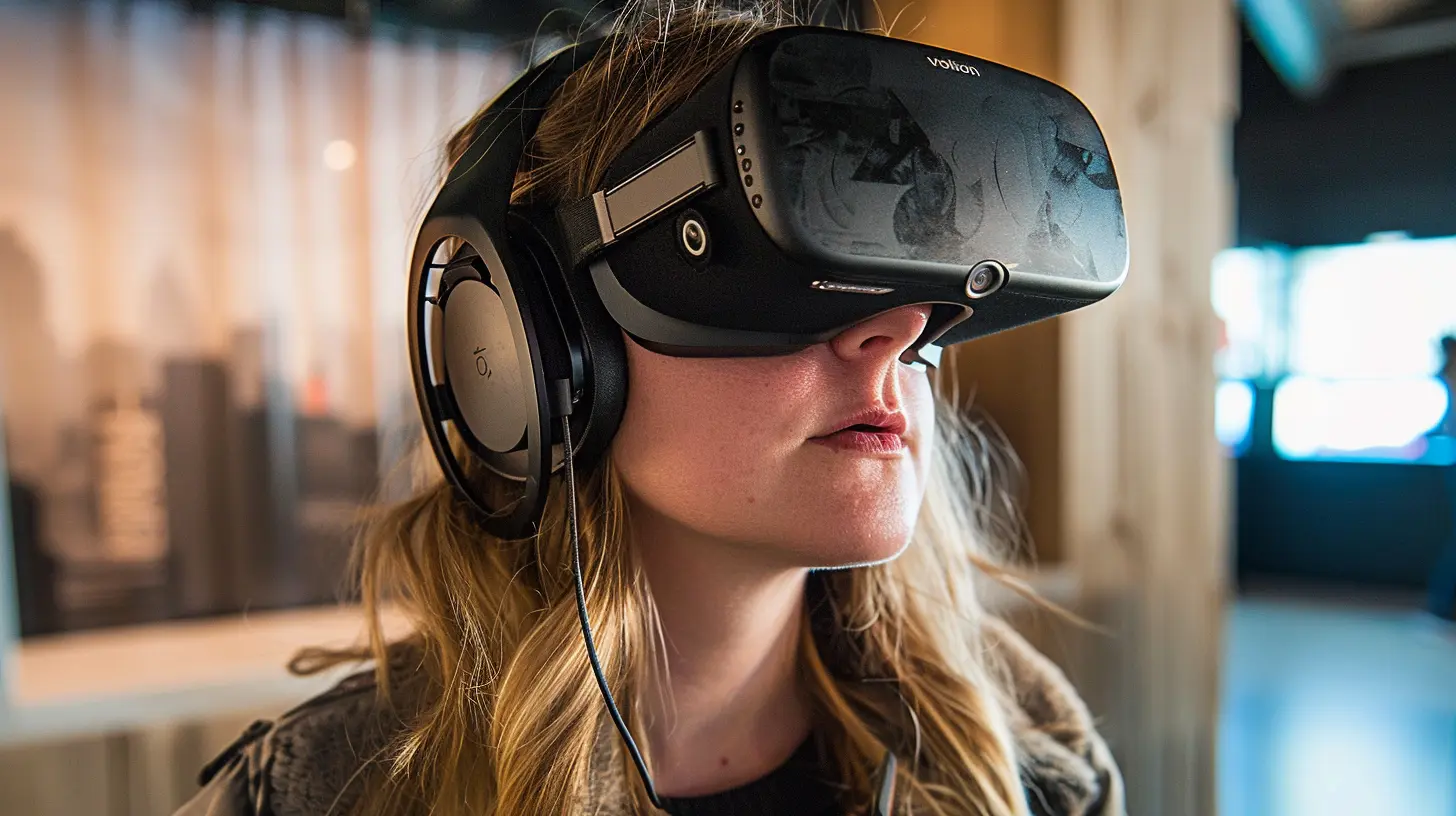
Why Sound Matters as Much as Visuals in VR
When people think about VR, they usually focus on the visuals—high-resolution displays, realistic textures, and smooth frame rates. But without proper audio, the experience feels incomplete.Imagine playing a VR horror game. You see a dark corridor ahead, but what truly sends chills down your spine is the distant sound of slow, creeping footsteps behind you. The tension builds because of what you hear, not just what you see.
Immersive sound adds depth, realism, and emotional impact to virtual worlds. It helps your brain interpret the environment just as it does in the real world. 
The Science Behind Immersive Sound in VR
To understand why immersive sound is so effective, let's dive into the science behind it.1. 3D Spatial Audio
Traditional stereo sound only gives you left and right channels. But VR uses 3D spatial audio, which replicates how we hear in real life. This means sounds can come from above, below, behind, and all around you.For example, if a helicopter flies overhead in a VR game, spatial audio ensures that the sound moves realistically from one side to the other, depending on your head position.
2. Binaural Audio & Head-Related Transfer Function (HRTF)
Binaural recording captures sound the way human ears do. When combined with HRTF technology, VR systems can modify sound based on your ear shape and head movement, making everything feel incredibly lifelike.Ever noticed how sounds change when you turn your head slightly? VR replicates this effect, ensuring you hear things differently depending on your direction and distance from the source.
3. Reverberation & Occlusion Effects
In the real world, sound doesn't just travel in straight lines—it bounces off walls and changes based on materials. VR simulates these effects with reverberation and occlusion.- If you're in a small room, voices might sound echoey.
- If you're behind a wall, sound will muffle.
- If you're in a vast canyon, voices will echo and stretch out.
These subtle details make a VR environment feel truly immersive. 
How Immersive Sound Enhances Different VR Experiences
Let’s look at how immersive audio transforms various virtual experiences.1. Gaming: Creating Atmosphere & Tension
- In action games, 3D audio lets you locate enemies based on footsteps or gunfire.- In horror games, whispers behind you or distant screams make the experience terrifying.
- In adventure games, the sound of the wind, birds chirping, and water flowing create a rich world.
VR gaming is no longer just about what you see—it's what you hear that makes it believable.
2. Virtual Tourism: Bringing Destinations to Life
Picture yourself in a VR simulation of the Amazon rainforest. The immersive sound of rustling leaves, monkeys howling in the distance, and a small stream trickling nearby makes you feel like you're truly there.Without these sounds, you'd just be looking at a 3D model of a jungle. It’s the audio that truly sells the experience.
3. Training & Simulations: Improving Realism
VR is widely used for training—whether it's pilots, doctors, or military personnel. In these high-stakes environments, sound plays a crucial role.- Pilots need to recognize engine sounds and warning alarms.
- Surgeons simulate the environment of an operating room, hearing surgical tools and heart monitors.
- Soldiers practice tactical missions where every footstep and gunshot direction matters.
The accuracy of these sounds can mean the difference between life and death in real-world scenarios.
4. Social VR: Making Conversations Feel Natural
Social VR platforms like VRChat or Meta Horizon Worlds rely heavily on audio to make conversations engaging.- Directional audio helps you identify who’s speaking in a crowded virtual room.
- Volume changes based on distance, just like in real life.
- Echo effects make voices sound different in a large hall versus a small room.
All these elements make VR interactions feel more like face-to-face conversations. 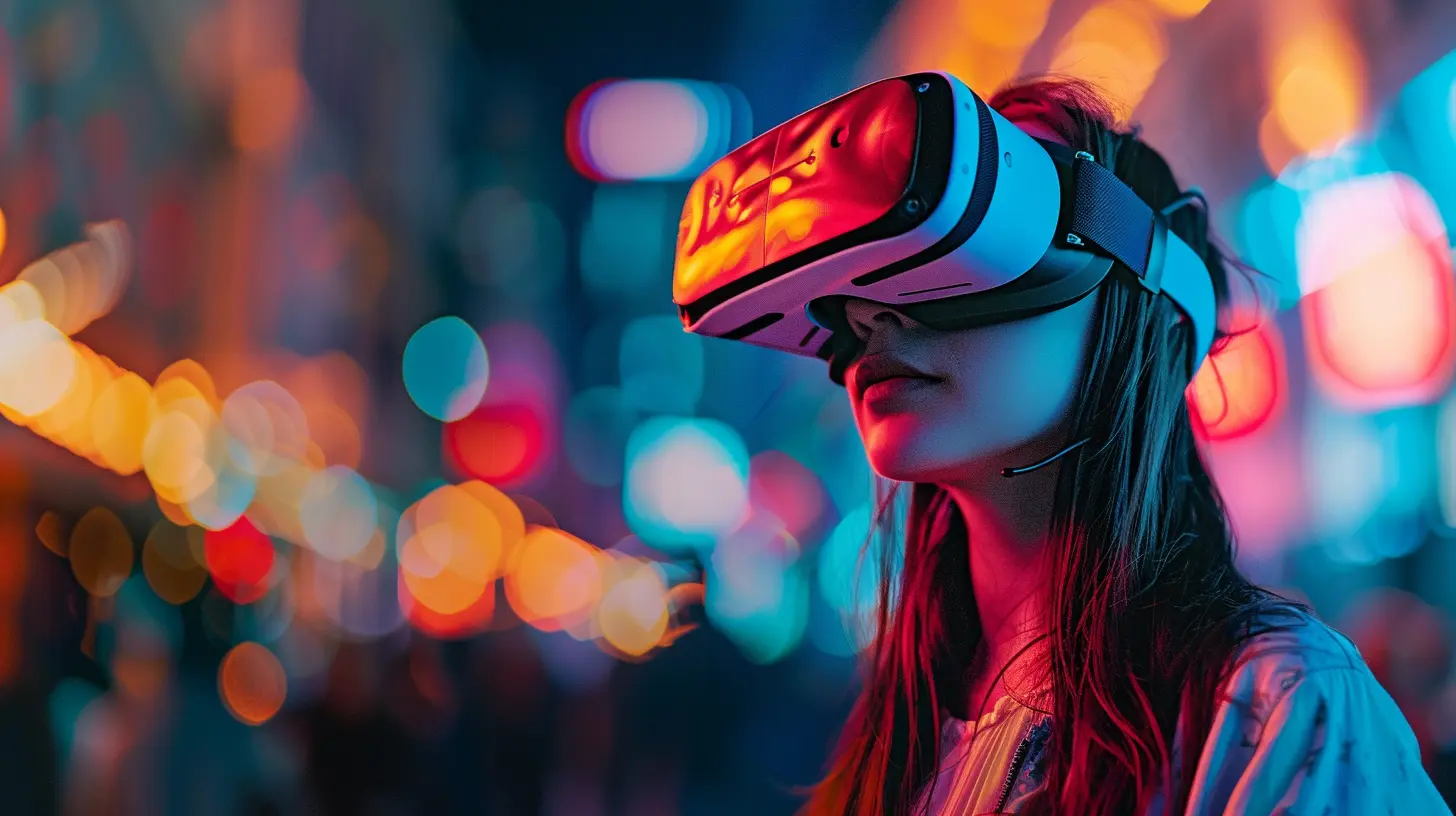
The Future of VR Audio: Where Are We Headed?
Technology is evolving fast, and immersive sound is getting even better. Here’s what’s coming next:1. AI-Generated Soundscapes
Artificial intelligence is being used to create real-time, dynamic soundscapes. Instead of looping pre-recorded sounds, AI can generate unique audio based on your interactions.For example, if you walk through a forest, the rustling of leaves beneath your feet will change depending on your speed and direction.
2. Personalized Audio Based on Ear Shape
Just like fingerprints, every person’s ears are unique. Future VR headsets might scan your ear shape to fine-tune the audio for a more personalized sound experience.3. Haptic Sound Integration
Imagine feeling the vibration of a deep bass in your chest or sensing the impact of an explosion through your VR gloves. Haptic technology is merging with sound to make VR even more immersive.4. 360° Real-Time Audio Capturing
With advancements in microphone technology, VR experiences will soon feature real-time, 360-degree audio capturing, allowing more realistic live concerts, events, and social interactions.Final Thoughts
Immersive sound isn’t just an add-on for virtual reality—it’s a necessity. Without it, even the most visually stunning VR worlds can feel empty and disconnected.Whether you're dodging bullets in a VR shooter, exploring ancient ruins, or chatting with strangers in a virtual café, sound brings these experiences to life. It’s what makes VR truly feel real.
As technology advances, we can expect even more realistic, adaptive, and personalized audio experiences. The future of VR isn’t just about high-resolution visuals—it’s about hearing, feeling, and truly living the experience.
all images in this post were generated using AI tools
Category:
Virtual RealityAuthor:

Jerry Graham
Discussion
rate this article
2 comments
Parisa Kirk
Immersive sound is a game changer in virtual reality. It not only adds depth but creates a more authentic experience. When visuals are paired with precise audio cues, users can truly feel present in virtual worlds, making every interaction more meaningful and engaging. It's an exciting frontier for developers.
July 23, 2026 at 11:37 AM
Jerry Graham
You're absolutely right. Immersive sound transforms virtual reality by enhancing presence and engagement. It's an exciting time for developers to explore this frontier.
Genevieve Fields
Oh great, now we can hear the sound of disappointment in stunning virtual reality. Immersive sound will surely make those awkward moments feel like a blockbuster. Can't wait to be lost in the audio of my failures!
May 31, 2026 at 4:03 AM
Jerry Graham
I get what you mean! Immersive sound really does amplify every moment, even the awkward ones. Here's hoping for a few more blockbuster experiences ahead.