The Role of AI in Predictive Maintenance and Industry 4.0
30 July 2026
Hold onto your hard hats, folks, because artificial intelligence (AI) is shaking things up in industrial settings like never before. We’re officially living in the era of Industry 4.0, where smart factories, IoT-powered machines, and AI-driven insights are turning traditional manufacturing on its head.
But let’s talk about one of the unsung heroes of this revolution: Predictive Maintenance (PdM). Imagine if machines could predict their breakdowns before they happen—no more unexpected failures, no costly downtime, just smooth, efficient operations. Sounds like magic, right? Well, it’s not magic—it’s AI.
So, buckle in as we break down how AI is leading the charge in predictive maintenance and Industry 4.0, why it’s a game-changer, and how businesses can harness its power. 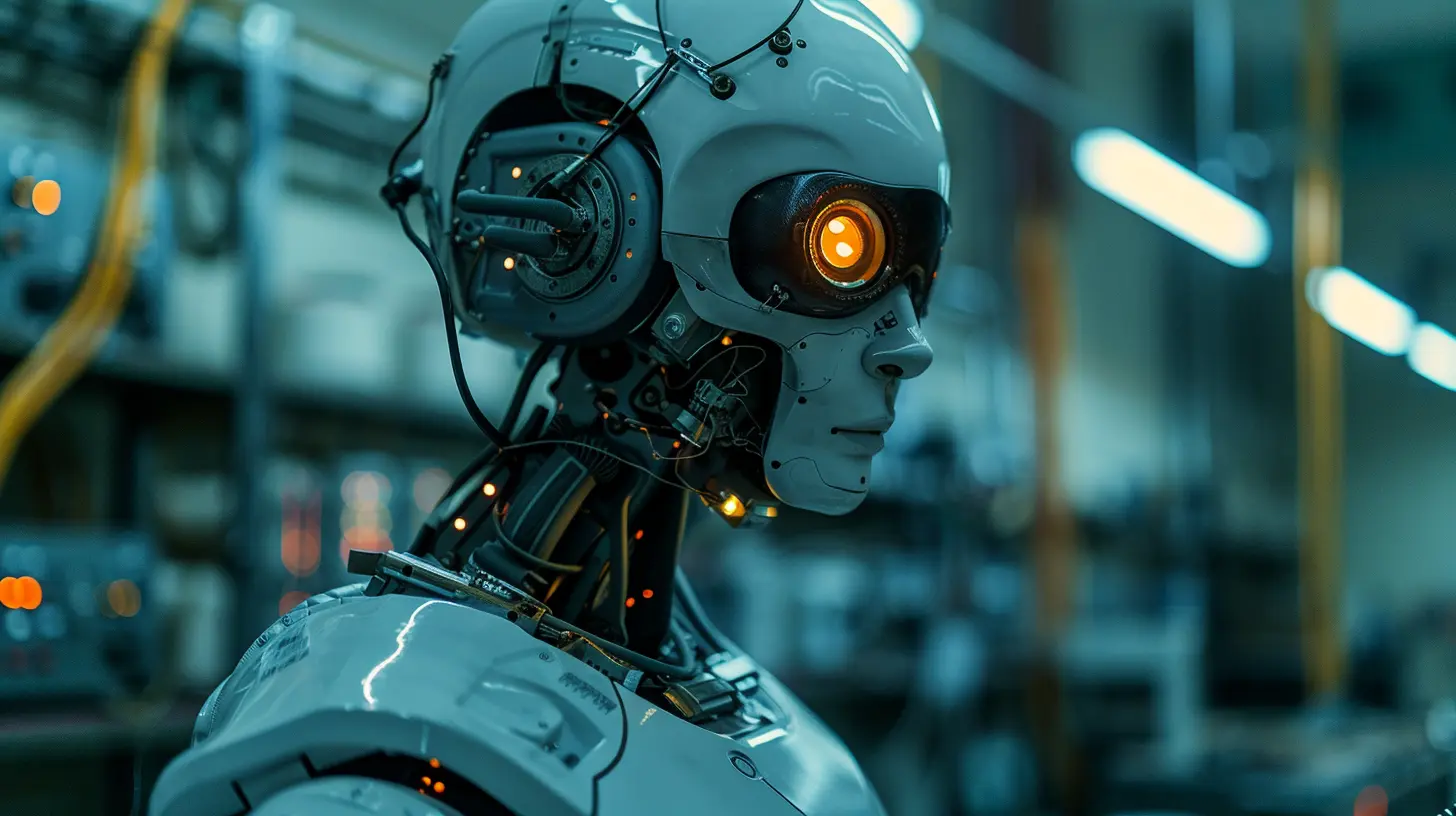
? What Is Predictive Maintenance and Why Should You Care?
Let’s face it—machines break down. It’s not a matter of if but when. Traditional maintenance plans usually fall into two categories:1. Reactive Maintenance – AKA, waiting for something to break before fixing it. (Expensive and chaotic.)
2. Preventive Maintenance – Regularly scheduling maintenance, whether the machine needs it or not. (Better, but still not efficient.)
Enter Predictive Maintenance (PdM)—the cool, sophisticated cousin that uses AI and IoT sensors to predict failures before they happen. Instead of following a fixed schedule, AI analyzes real-time data and tells you exactly when a machine needs attention. Result? Less downtime, fewer repairs, and major cost savings.
Still not convinced? Let’s put some numbers on the table:
- Unplanned downtime costs manufacturers an average of $260,000 per hour.
- Predictive maintenance can reduce maintenance costs by 30-40%.
- Businesses using AI-driven PdM report up to 50% reduction in equipment downtime.
Yeah, you read that right. AI in predictive maintenance is a big deal. 
? AI + Industry 4.0 = The Future of Smart Manufacturing
Industry 4.0 is all about smart factories, and AI is the backbone of this transformation. With AI-driven predictive maintenance, machines don’t just function—they communicate, adapt, and self-optimize.? How AI Powers Predictive Maintenance
So, how exactly does AI pull off this predictive magic? It all comes down to data—lots and lots of data. Here’s how it works:1. IoT Sensors Gather Data
- Machines are fitted with smart sensors that track temperature, vibration, pressure, and performance metrics in real time.
2. AI Algorithms Analyze Patterns
- AI takes all this data and uses machine learning to detect unusual patterns that indicate potential failures.
3. Predictive Insights Are Generated
- AI predicts exactly when and where a failure might occur, allowing maintenance teams to take action before disaster strikes.
4. Automated Alerts & Smart Decisions
- AI doesn’t just predict failures—it can also automate responses, optimize maintenance schedules, and even order replacement parts on its own.
The result? Maximum efficiency, fewer surprises, and a whole lot of saved money. 
?️ Real-World Applications of AI in Predictive Maintenance
Alright, let’s get real. Who’s actually using AI-driven PdM, and what difference is it making? Here are some real-world examples:? Manufacturing Plants
Big manufacturers like GE, Siemens, and BMW are already using AI-powered PdM. By reducing unexpected downtime, they keep their production lines running without interruptions.✈️ Aerospace Industry
Airlines like Boeing use AI to monitor engine performance. Instead of grounding planes for unnecessary inspections, they only perform maintenance when it's actually needed—saving billions!? Railway and Transportation
AI-powered PdM keeps trains running smoothly by detecting potential failures in tracks, brakes, and engines—ensuring safer travel without delays.⚡ Energy & Utilities
From wind turbines to power plants, the energy sector relies on AI to predict equipment failures and prevent costly outages.
? Why Businesses Should Invest in AI-Powered Predictive Maintenance
At this point, you’re probably wondering—is AI-powered PdM worth the investment?Short answer: Yes.
Long answer? Still yes, and here’s why:
⏳ Less Downtime, More Uptime
Every second of machine downtime means lost revenue. AI helps businesses maximize productivity and minimize losses.? Significant Cost Savings
Why spend money on unnecessary repairs and maintenance when AI can tell you exactly what needs fixing and when?⚙️ Optimized Asset Lifespan
Machines don’t last forever, but better maintenance = longer lifespan. AI helps businesses get the most out of their expensive equipment.? Proactive, Not Reactive
Waiting for things to break sucks. AI flips the script, letting companies tackle issues before they become big (and expensive) problems.? Sustainable & Eco-Friendly
AI-driven maintenance reduces waste, conserves energy, and promotes sustainability by making operations more efficient and less resource-intensive.? What’s Next? The Future of AI in Predictive Maintenance
We’re just getting started. As AI and machine learning continue to evolve, predictive maintenance will get even smarter. Here’s what the future holds:- More Advanced AI Models – AI will get better at analyzing even more complex data patterns, making predictions ridiculously accurate.
- Augmented Reality (AR) & AI Integration – Imagine repairing machines with AI-powered AR glasses guiding workers in real-time.
- AI-Driven Self-Maintaining Machines – Machines will diagnose and repair themselves without human intervention.
- Blockchain for Maintenance Records – Secure, tamper-proof digital maintenance logs powered by blockchain will become the industry standard.
The revolution isn’t coming—it’s already here.
? Final Thoughts
AI-powered predictive maintenance is transforming industries, saving millions, and making machines smarter than ever. If businesses want to stay competitive in the Industry 4.0 era, adopting AI-driven PdM isn’t an option—it’s a necessity.So, the real question is: Are you ready to future-proof your business?
Because AI is here to stay—and it’s only getting stronger.
all images in this post were generated using AI tools
Category:
Artificial IntelligenceAuthor:

Jerry Graham
Discussion
rate this article
1 comments
Greyson Rivera
If AI can predict when my coffee machine is about to die, I might finally stop living in fear of cold mornings. Here's hoping it can also anticipate my snack needs during those long work hours...
August 21, 2026 at 12:48 PM