The Role of AI in Language Translation and Global Communication
18 July 2026
Alright, let's talk about something that’s equal parts cool and crazy—AI and its amazing brainpower in breaking language barriers. We live in a time where you can literally talk into a phone in English and have it speak back in fluent Japanese. Magic? Nah, it’s all machine learning, algorithms, and heaps of data. But here’s the kicker—this isn’t just about ordering sushi in Tokyo. It’s about businesses going global, communities staying connected, and cultures blending without the awkward game of charades.
So, buckle up as we dive deep (but keep it chill) into the wild and ever-evolving world of artificial intelligence in language translation and global communication. Let’s decode how Siri, Google Translate, and a bunch of AI-powered tools are transforming the way we understand each other… even when we don’t speak the same lingo.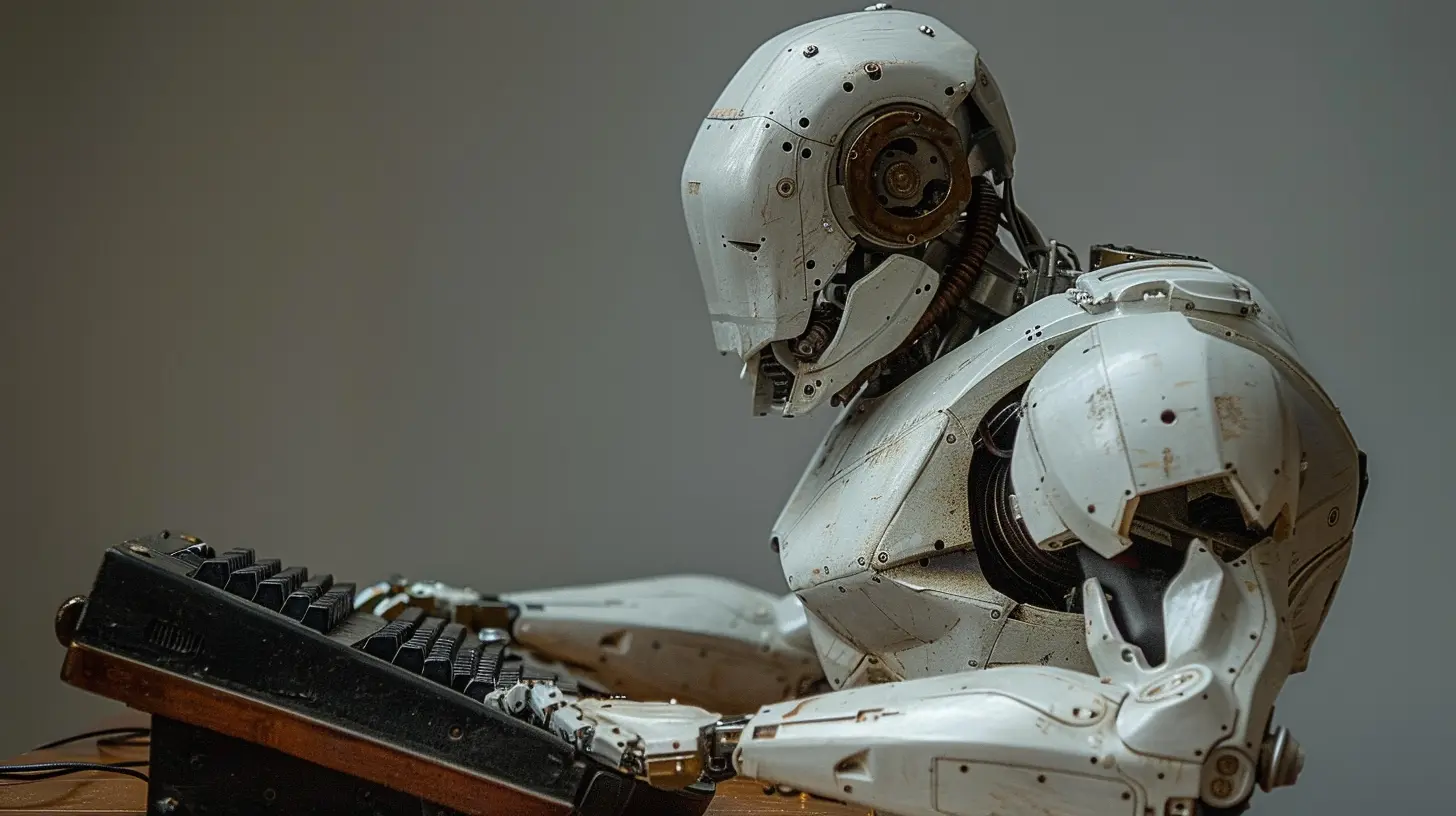
The Ancient Struggle With Tongues (Not Literally, Don’t Worry)
For as long as humans have wandered across borders, we’ve struggled with understanding each other’s languages. Historically, this meant relying on translators—actual humans with impressive multilingual skills. But let’s be honest, those translators couldn't be everywhere all the time. Plus, they charge by the hour. Fast forward to the 21st century, and AI said, “Hold my neural net.”Now, with AI sitting behind your favorite translation apps, real-time translation is not only possible—it’s becoming second nature. You speak. It listens. It translates. Boom.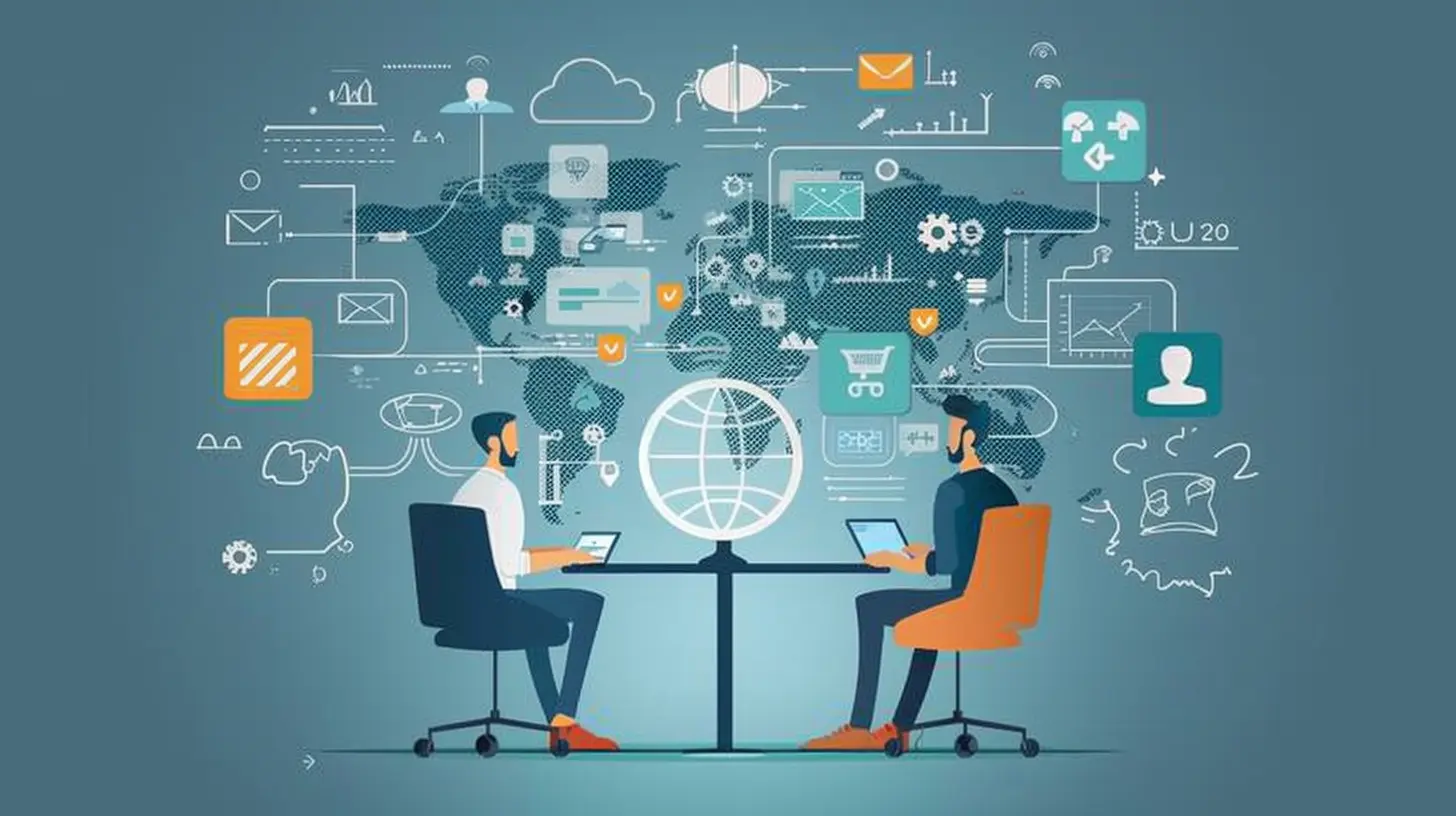
AI + Language = A Beautifully Complicated Relationship
Let’s get nerdy for a second (just a second, promise). At the core of AI translation is something called Natural Language Processing (NLP). Sounds fancy, right? NLP is basically how machines understand, interpret, and generate human language. It’s kind of like teaching a robot to read a book and then explain it to you in a different language… all while juggling flaming knives. It's chaotic, but surprisingly effective.Machine Translation vs Human Translation: Not a Cage Match
Is AI translation perfect? Nope. Can humans always understand context? Also nope. But here’s the thing—AI doesn’t get tired, and it's improving every millisecond. Neural Machine Translation systems (yep, that’s a thing) like the ones used by Google and DeepL are learning from billions of translated texts. They’re like super-sponges soaking up languages at warp speed.At the same time, human translators still rule when nuance and cultural context are critical—like translating idioms or sarcastic tweets (good luck with those, AI). So really, it’s more of a buddy-cop partnership than a boxing match between man and machine.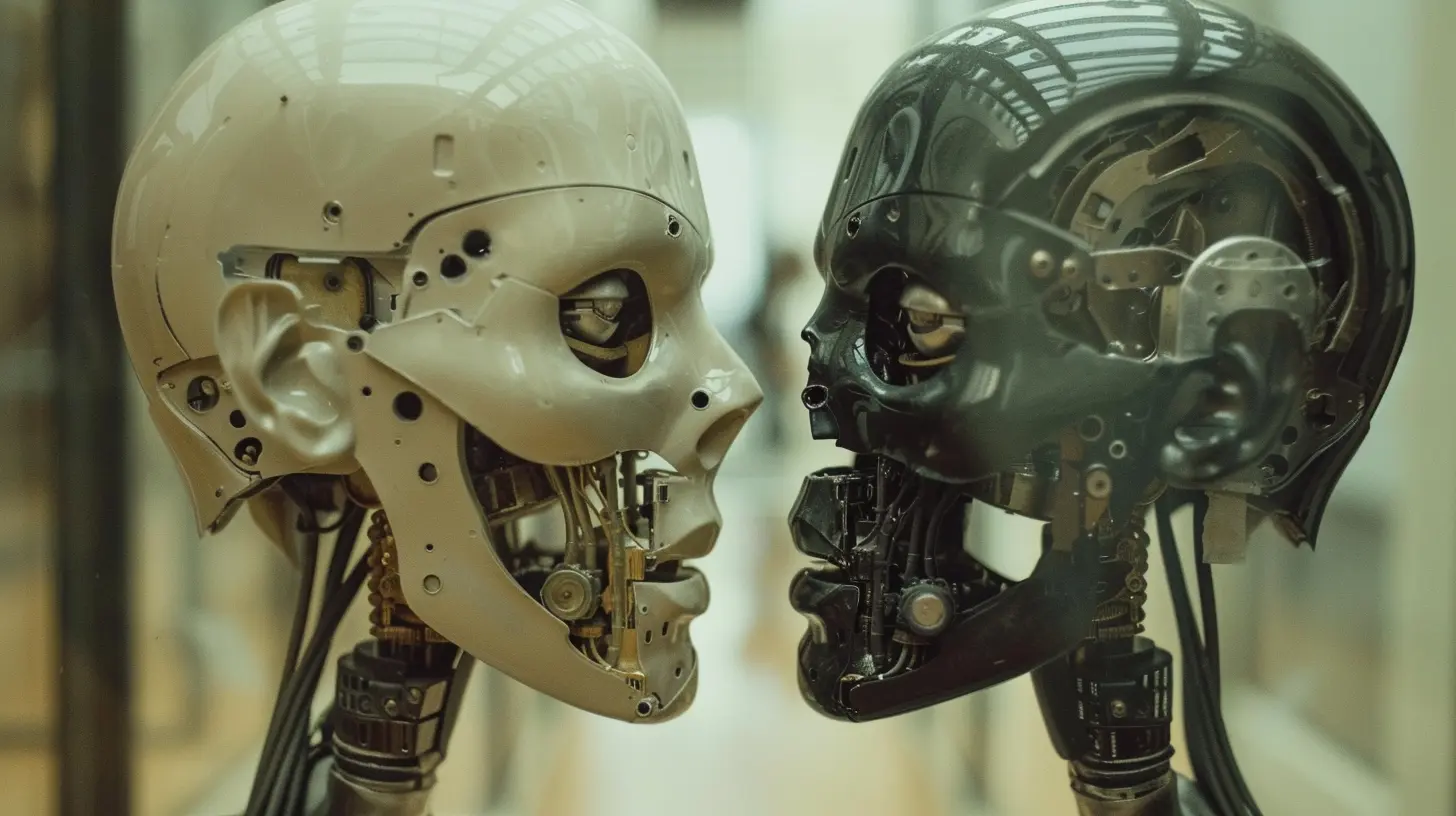
How AI Translation Is Breaking Down Borders (Without the Politics)
Real-Time Communication? You Got It
Ever used live translation features on your phone while ordering food abroad or chatting with a taxi driver who thinks Google Maps is optional? Then you’ve experienced the future. Tools like Google Translate's conversation mode and Microsoft's AI-powered Skype Translator offer real-time voice translation. It’s like having a mini-interpreter in your pocket—minus the awkward eye contact.Business Is Speaking Every Language Now
Companies are no longer limited to English-speaking markets. With AI translation, businesses can instantly convert websites, product descriptions, customer support chats, and marketing materials into multiple languages. Hello, global reach. Goodbye, language bottlenecks.AI isn’t just making translation faster—it’s making international business possible without huge translation budgets. Want to sell your handmade alpaca wool socks in Argentina and Norway? AI’s got your back (and your ankles).
Education Without Borders
Students from different corners of the globe can now access the same content thanks to AI-powered subtitles and language conversion tools. Language is no longer a barrier to learning. Whether you're watching a Ukrainian math tutorial or reading a French biochemistry blog, AI is quietly working behind the scenes to make it all make sense.Crisis Communication and Emergency Aid
Here's a big one. During emergencies—earthquakes, pandemics, political unrest—quick and accurate translation can save lives. AI tools help NGOs and governments communicate vital information to people in their native languages instantly and effectively. It’s not just productive—it’s life-saving.
Yeah, But AI Translation Still Has Some Hiccups
Alright, let’s not sugarcoat it. AI isn’t fluent in sarcasm. It struggles with context, humor, cultural idioms, and slang. Try telling a joke in English and asking AI to translate it into Mandarin. The result? Probably something that’ll get you weird looks instead of laughs.And then there's the “one-size-fits-all” issue. AI models are sometimes biased toward dominant languages and dialects. That means lesser-used languages or regional dialects might get left behind—or worse, misrepresented.
Plus, there’s a big ol' elephant in the room: privacy. When AI tools are translating your conversations, where does that data go? Is someone (or something) listening? It’s the kind of question that keeps privacy advocates up at night.
The Quirky Side of AI Translation (Oops… Did I Just Say "Banana"?)
Ever seen those hilarious translation fail memes? You know the ones—like a sign that says “Slip Carefully” or a restaurant menu offering “Roasted Children with Vegetables.” Yikes.These flubs are usually the result of literal translation and zero cultural context. AI has come a long way, but it still occasionally pulls a “what even is this?” moment. That said, these mistakes are becoming rarer as AI gets smarter with every “oops.”
The Future: Will AI Learn to Speak Human Fluently?
Let’s dream for a second. Imagine a world where you can travel anywhere, attend a conference in Tokyo, flirt in Paris, and do a business pitch in São Paulo—all without ever worrying about language barriers. That’s not far off. AI is evolving to understand not just words, but meaning, emotion, tone, and even intent.We’re heading toward a future of hyper-personalized, context-aware translation. Think of it as your own multilingual, emotionally intelligent companion who’s read every dictionary ever written.
And guess what? AI isn't stopping at just speech or text. With the rise of multimodal models (those that combine text, image, and even video inputs), future AI translators might be able to convert a gesture or facial expression into contextually appropriate speech in another language. Mind. Blown.
What Does This Mean for Actual Human Translators?
Here’s the good news: AI won’t replace human translators—it’ll empower them. Instead of translating routine, repetitive language, human translators can focus on areas that need creativity, nuance, and deep cultural knowledge. It'll be more about quality assurance, localization, and cultural consulting.Think of AI as a very fast, very eager intern who knows a lot but still needs some guidance. Human translators? They're still the bosses.
A Global-ish Wrap Up
So, here we are—sitting at the intersection of tech and language, watching AI become your very own Babel fish (shoutout to my Douglas Adams fans). Artificial intelligence has already shaken up the way we communicate across borders, and it’s only getting started.Yes, it’s got its quirks. Yes, those quirks are sometimes hilarious (and mildly terrifying). But the truth is, AI is helping us inch closer to a world where everyone can communicate clearly, instantly, and accurately—no matter where they are or what language they speak.
From business expansion to tongue-tied tourists, from disaster response to multilingual memes—AI is turning global communication into something that’s not just efficient... but kind of magical.
Now, the next time you hear someone grumbling about “robots taking over,” just smile and say, “Only if they’re translating your dog’s barks into Spanish.
all images in this post were generated using AI tools
Category:
Artificial IntelligenceAuthor:

Jerry Graham
Discussion
rate this article
1 comments
Chantal Gates
AI significantly enhances language translation, breaking down barriers and fostering global communication. However, it also raises concerns around accuracy and cultural nuance, reminding us of the need for human oversight in these technologies.
July 18, 2026 at 2:45 AM