The Road to Autonomous Checkout in Online Retail
11 November 2026
Welcome to the future of shopping, where you can fill your virtual cart and check out without ever having to interact with a cashier or navigate a cumbersome payment process. Autonomous checkout in online retail is not just a buzzword; it's becoming a reality, and it's revolutionizing how we shop. In this article, we'll take a humorous yet insightful journey down the road of autonomous checkout, discussing its evolution, technology, challenges, and what it means for the future of retail.
The Evolution of Checkout Processes
From the Cash Register to the Click-to-Pay
Remember the days when you had to wait in line at the grocery store, only to realize you forgot milk and had to go back? Those were not the best moments of our lives. Over the years, the checkout process has evolved significantly. Initially, cash registers ruled the roost. Then came credit cards, followed by mobile wallets and one-click purchasing. Each step made the process faster, but we still had to deal with some level of human interaction.Enter Autonomous Checkout
Now, autonomous checkout is here, and it's like a wizard waving a magic wand over the shopping experience. The idea is simple: make the checkout process seamless and instantaneous. Imagine being able to grab your items, scan them with your smartphone, and be on your way without ever standing in line. It's the dream of every shopper - no more awkward small talk with the cashier or fumbling with change.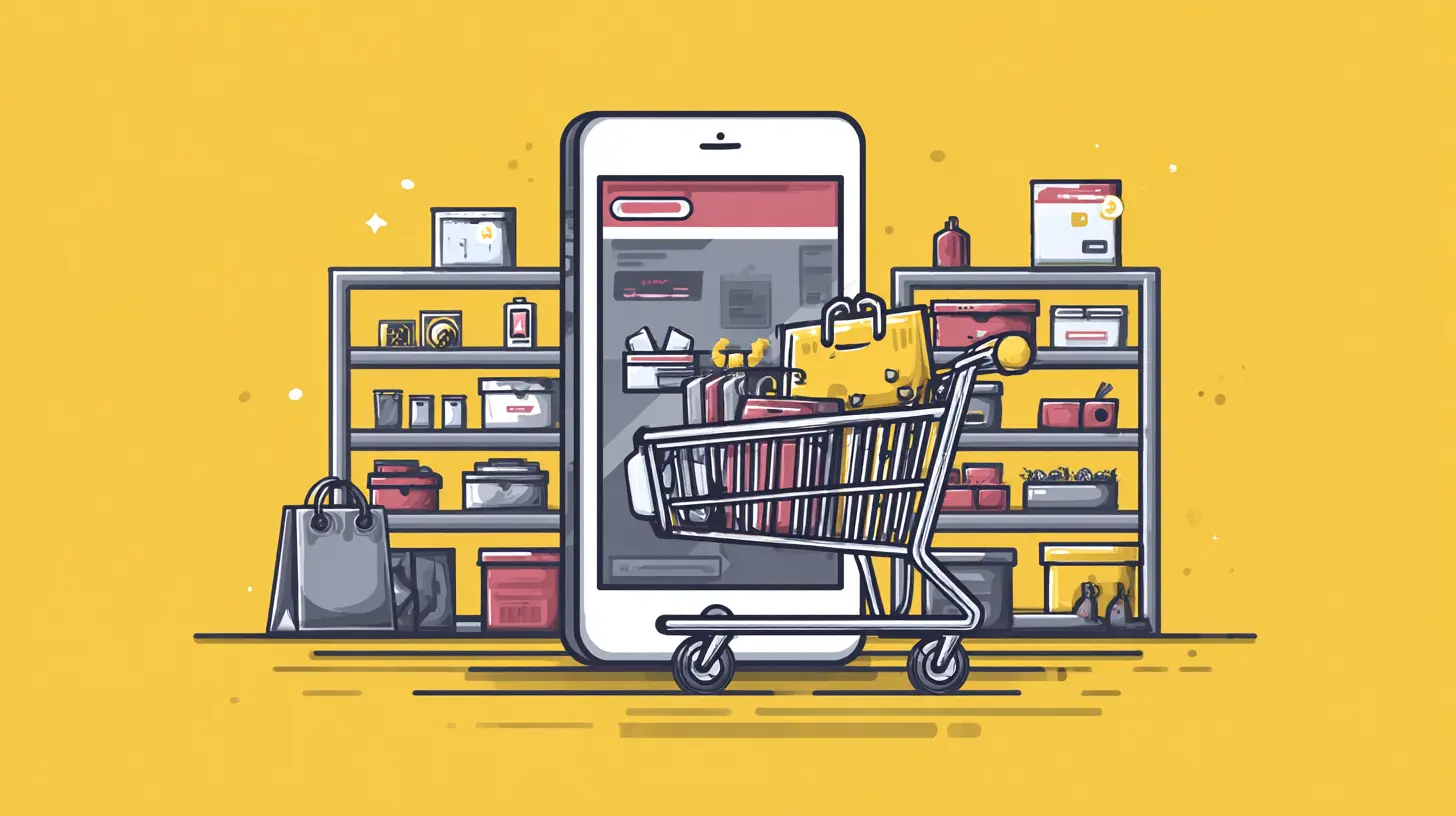
The Technology Behind Autonomous Checkout
Machine Learning and AI
At the heart of autonomous checkout is machine learning and artificial intelligence. These technologies enable systems to recognize products, understand buying patterns, and even predict what you might want next. It's like having a personal shopping assistant who knows you better than you know yourself.Real-World Application
Consider Amazon Go. You walk into the store, grab what you need, and walk out. The technology tracks your movements and interactions, automatically charging your account. It's a beautiful example of how AI can streamline the shopping experience.Computer Vision
Computer vision is another crucial component. It allows systems to identify items via cameras and sensors, ensuring that each product is accurately recognized. Picture this: you're in a store, and as you pick up a snack, the system instantly registers that item. No barcode scanning required!Mobile Integration
Let's not forget about mobile integration. Your smartphone plays a vital role in the autonomous checkout experience. With apps enabling you to view your cart, process payments, and even access loyalty rewards, it's like having a mini cash register in your pocket.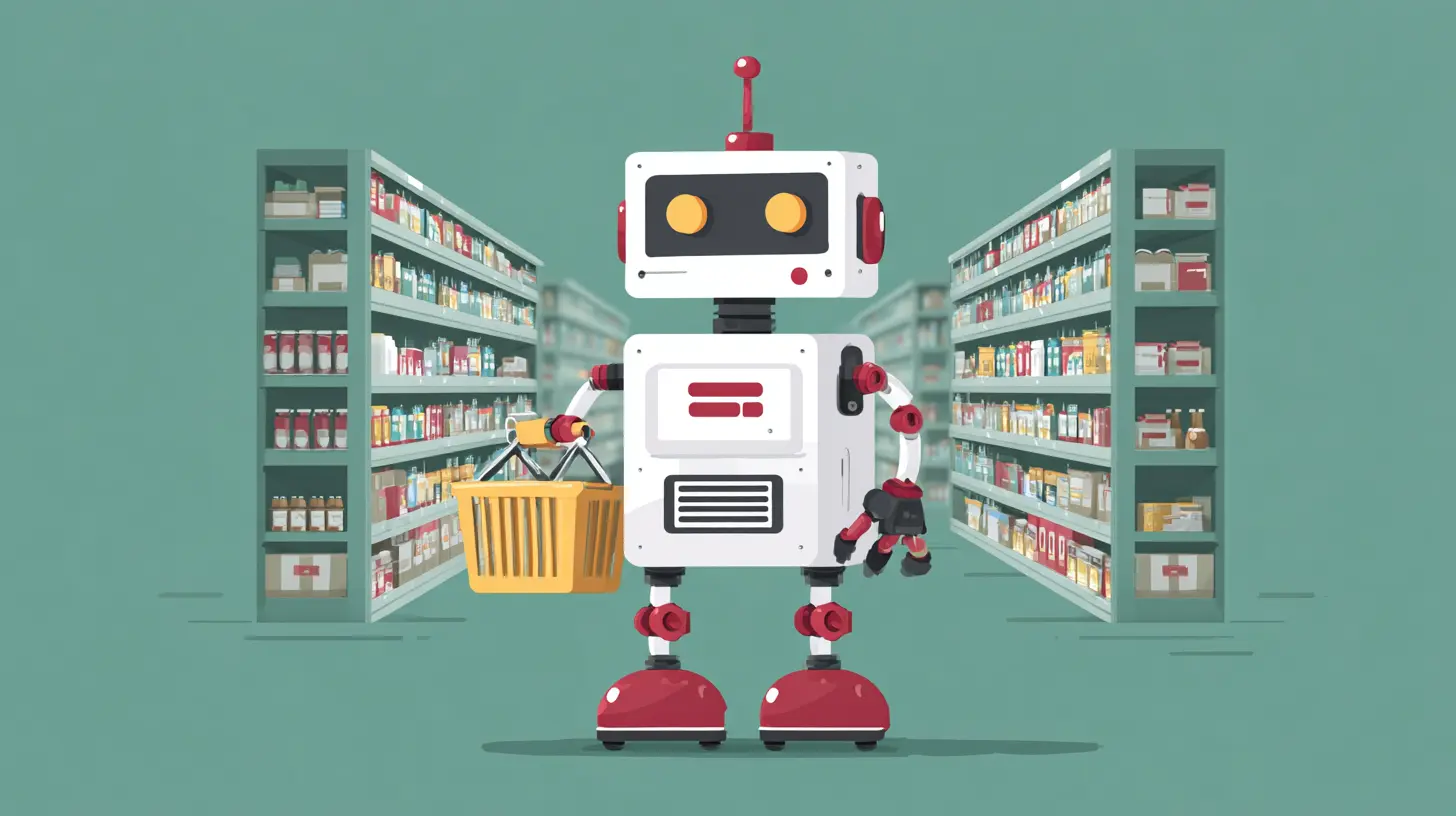
The Benefits of Autonomous Checkout
Convenience
The most apparent benefit is convenience. Who doesn't want to bypass long lines and checkout hassles? With autonomous systems, you can shop at your own pace and avoid the dreaded wait.Speed
Speed is another compelling advantage. Autonomous checkout typically reduces transaction times significantly. You can grab a snack on the go and complete your purchase in seconds. It's perfect for those busy days when every second counts.Data Insights
For retailers, autonomous checkout provides rich data insights. Understanding customer behavior, preferences, and purchasing patterns allows businesses to tailor their marketing strategies and inventory management. It's a win-win situation.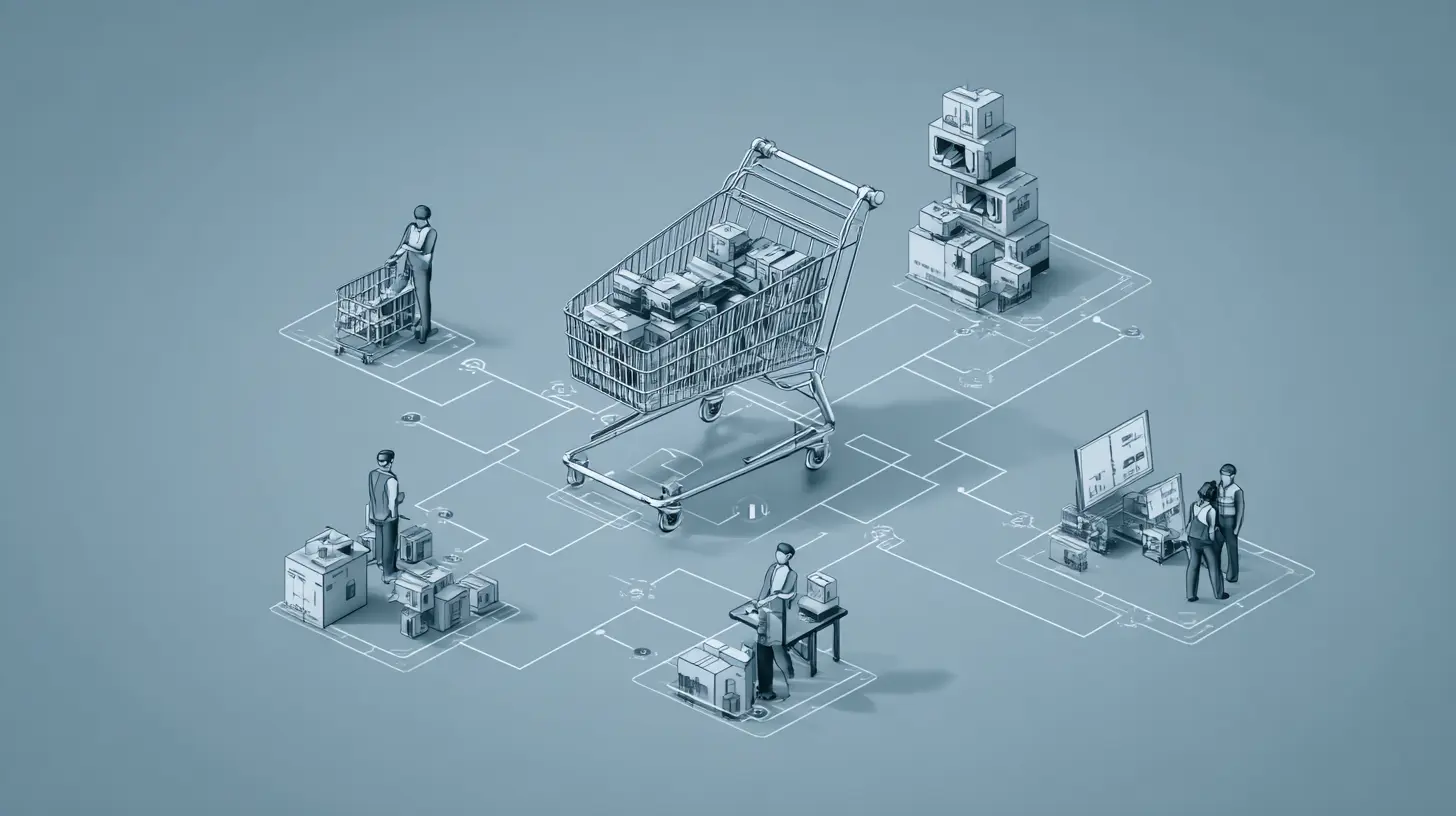
Challenges on the Road to Autonomy
Technical Hurdles
Despite the excitement, several technical challenges remain. Implementing robust computer vision systems that can accurately identify products in various lighting conditions and environments is no small feat. Retailers must invest in high-quality cameras and sensors, which can be costly.Security Concerns
Then there are security concerns. With any system that processes payments and personal data, cybersecurity is paramount. Retailers must ensure that their systems are secure to avoid data breaches and protect customer information.Customer Acceptance
Let's face it: not everyone is a fan of change. Some customers may be hesitant to embrace autonomous checkout due to concerns about technology, privacy, or simply a preference for the traditional shopping experience.Regulatory Challenges
Regulatory hurdles can also slow down adoption. In some regions, laws regarding data protection, payments, and customer interactions may impact how autonomous checkout systems can operate. Retailers need to navigate these regulations carefully.Common Misconceptions About Autonomous Checkout
"It Replaces Human Jobs"
A common misconception is that autonomous checkout will replace human jobs. While it may reduce the number of cashiers, it also creates new roles in tech support, system maintenance, and customer service. Technology tends to change job landscapes rather than eliminate them entirely."It's Only for Big Retailers"
Another myth is that autonomous checkout is only feasible for large retailers. In reality, small and medium-sized businesses are beginning to adopt these technologies. With the right tools and platforms, even local shops can offer a streamlined checkout experience."It's Just Another Trend"
Some skeptics view autonomous checkout as just another passing trend. However, the technology is advancing rapidly, and consumer demand for convenience is growing. This evolution is likely to stick around.
Best Practices for Implementing Autonomous Checkout
Start Small
If you're a retailer looking to implement autonomous checkout, consider starting small. Pilot programs can help you test the waters without a massive investment. Gather feedback and make adjustments before a full rollout.Invest in Quality Technology
Quality matters. Investing in reliable hardware and software is crucial. Poorly functioning systems can lead to frustrated customers and lost sales.Train Your Staff
Your employees are your front line. Even with autonomous systems, human interaction will remain important. Train your staff to assist customers with the new technology and address any concerns they may have.Prioritize Security
Make cybersecurity a priority. Ensure your payment systems are secure and comply with relevant regulations. A robust security framework protects both your business and your customers.Gather Customer Feedback
Finally, gather feedback from customers. Understand their experiences with the autonomous checkout process and make improvements based on their insights. Continuous improvement is key to success.Comparing Autonomous Checkout Solutions
In-Store vs. Online
When considering autonomous checkout, it's essential to differentiate between in-store and online solutions. In-store solutions focus on real-time recognition and payment systems, while online solutions often emphasize user interfaces and mobile integration. Each has its own set of challenges and benefits.Third-Party Platforms vs. In-House Development
Retailers also face the choice between using third-party platforms or developing in-house solutions. Third-party platforms can be quicker to implement and often come with built-in features. However, in-house solutions can be tailored to specific needs and provide more control over user data.
Looking Ahead: The Future of Autonomous Checkout
As technology continues to advance, we can expect even more innovative solutions in the realm of autonomous checkout. Here are a few possibilities:Enhanced Personalization
Imagine a system that not only recognizes your favorite products but also suggests new items based on your preferences. Enhanced personalization could elevate the shopping experience to new heights.Voice-Activated Checkout
Voice-activated checkout could soon become a reality. Just think about it: you could simply speak your order, and the system would handle the rest.Integration with Augmented Reality
Augmented reality may also play a significant role in future shopping experiences. Picture browsing products virtually, with the ability to see how they fit into your life before purchase. Autonomous checkout will likely evolve alongside these exciting developments.Conclusion
The road to autonomous checkout in online retail is paved with both opportunities and challenges. As technology progresses and consumer expectations evolve, retailers must adapt to stay competitive. Embracing autonomous checkout can lead to enhanced convenience, speed, and data insights. However, it's essential to approach implementation thoughtfully, considering security, customer acceptance, and potential misconceptions.With the right strategies, the journey toward autonomy can be rewarding, transforming how we shop for good. So, the next time you're filling your cart online, just think: with a little tech magic, a seamless checkout experience may be just around the corner.
all images in this post were generated using AI tools
Category:
E Commerce TechnologyAuthor:

Jerry Graham

