The Rise of Virtual Reality Esports: A New Era of Competitive Gaming
18 March 2026
In recent years, technological advancements have been pushing boundaries in ways we could only dream of a decade ago. One of the most exciting and dynamic shifts has been in the world of gaming, where virtual reality (VR) and esports are colliding to create an entirely new competitive landscape. If you're into gaming, you’ve probably noticed that esports is already a massive phenomenon, but now, VR is stepping in to take it to the next level.
Virtual reality esports isn’t just a trend that’s going to fade. It’s the start of a whole new era for competitive gaming, and, trust me, it’s going to change the way we play, compete, and enjoy games. So, let's dive deep into this new frontier and explore what makes VR esports so compelling, how it’s impacting the gaming world, and what the future may hold.
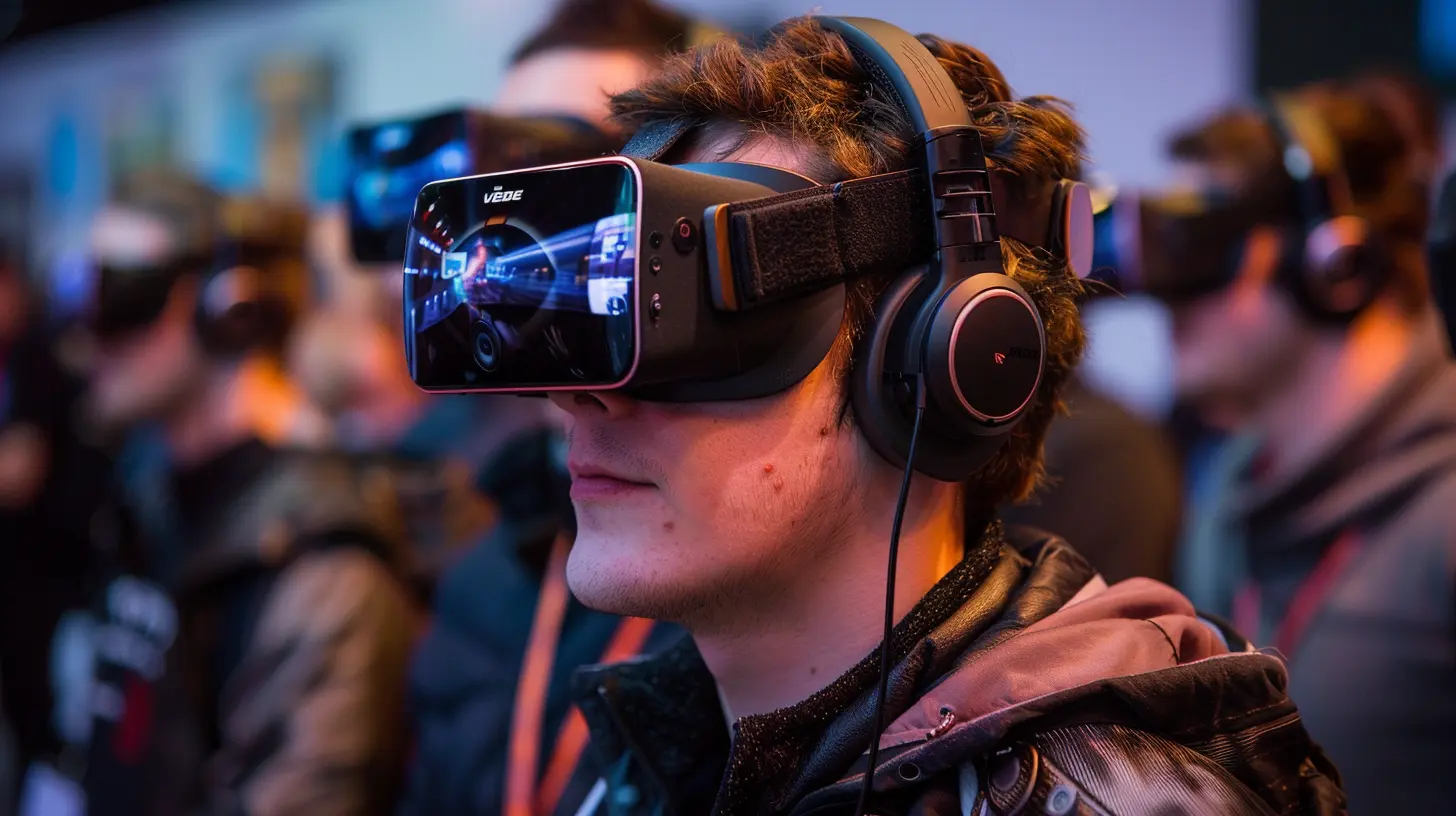
The Intersection of VR and Esports
First off, it’s important to understand that esports and VR have been growing independently for a while now. Esports, in its traditional sense, involves competitive gaming in titles like League of Legends, Counter-Strike, or Fortnite. Players sit at their computers or consoles, clicking away while their in-game avatars do the heavy lifting. VR, on the other hand, isn’t just about clicking buttons—it’s about immersing yourself in a whole new world. It’s hands-on, it’s motion-based, and it’s as close to real-life action as gaming has ever gotten.When you combine these two—esports and VR—you’re essentially merging the physicality of real sports with the digital domain of gaming. It’s no longer just about fast reflexes on a keyboard; now, your body is the controller. You’re making real physical movements, dodging, ducking, and swinging your arms. It’s like stepping into the game, rather than just watching it unfold on a screen. Sounds pretty exciting, right? Well, it is!

Why VR Esports is Gaining Traction
So, why is VR esports catching on? It’s actually pretty simple. Gamers and spectators alike are always looking for the next big thing, the next innovation that will shake things up. VR offers that in spades. But let’s break it down a bit more.1. Immersive Experience
Traditional esports can be thrilling, no doubt about it. But VR esports takes immersion to a whole new level. You’re not just a passive observer or a player controlling something from afar—you are the character. Whether it’s swinging a sword, shooting an arrow, or racing at breakneck speeds, you’re physically involved. And that’s something that offers a much deeper connection to the game.Imagine the difference between watching a football match on TV and actually being on the field. That’s what VR esports does. It turns passive gaming into active participation.
2. Physicality Meets Strategy
VR esports isn’t just about quick reflexes or strategy like traditional esports. It’s also about physical ability. Your movement, agility, and stamina play a role, just like in real sports. In titles like Echo Arena or Beat Saber, players have to be physically fit to compete at the highest levels. This blend of gaming and athleticism offers a unique challenge that attracts a whole new breed of players.For some, this is the ultimate evolution of gaming—where your body and mind work together in harmony. You’re not just thinking about the next move; you’re moving to execute it.
3. Spectator Appeal
Let’s face it: esports is as much about the spectators as it is about the players. The audience plays a huge role in the success of any esport. VR esports, with its dynamic and interactive nature, offers something far more engaging for viewers. Watching someone play a VR game is like watching a real-life athlete compete. The movements are real, the effort is visible, and the stakes feel higher.It’s almost like watching a futuristic sport unfold in real-time. And as VR technology improves, the viewing experience is going to get even better. Imagine watching a VR esports competition in 360 degrees, where you can switch to the viewpoint of any player in the game. It’s like you’re right there in the action!
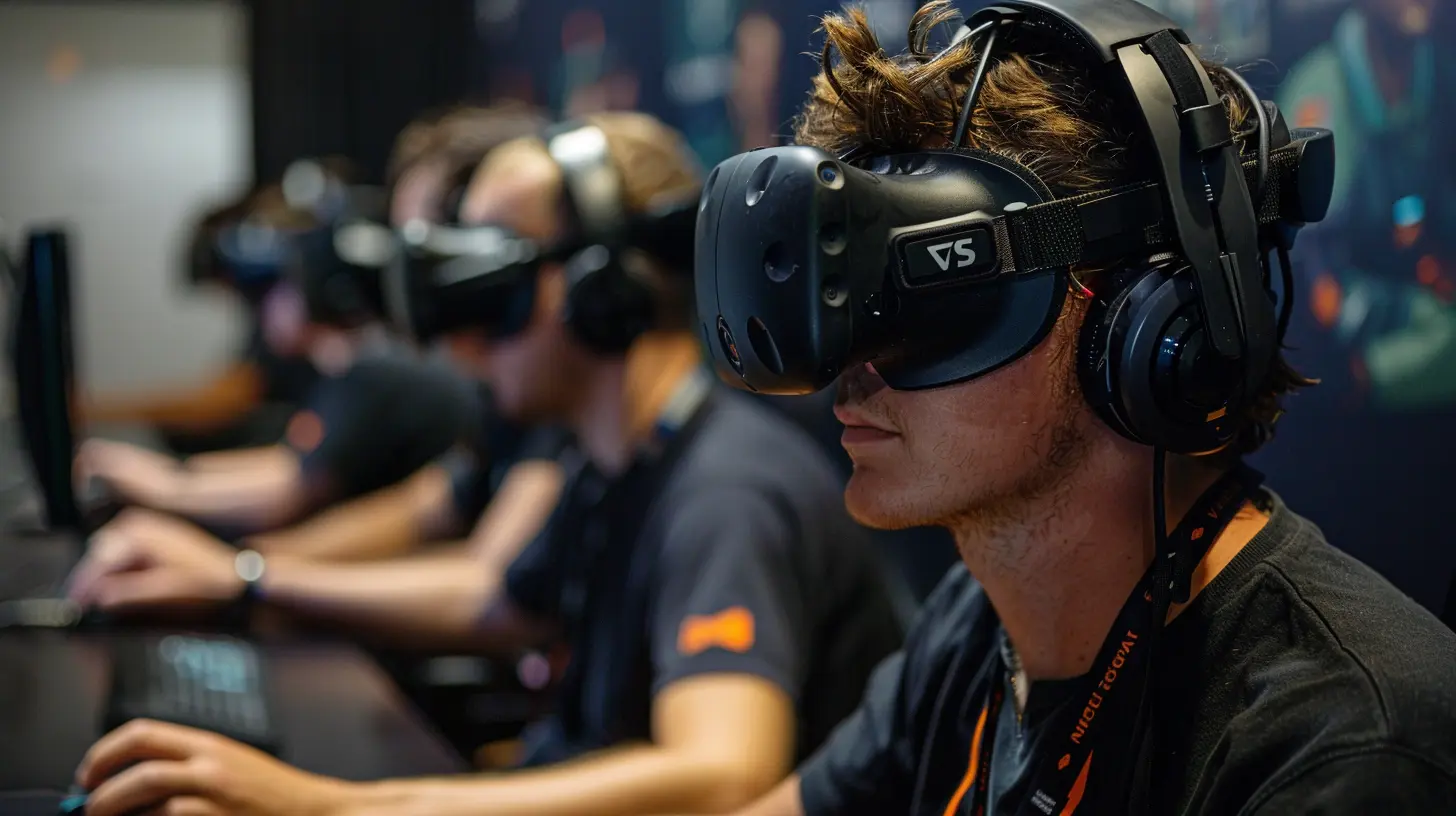
Popular VR Esports Games
VR esports is still relatively young, but there are already several games that are making waves in the competitive scene. Here’s a rundown of some of the most popular ones.1. Echo Arena
Developed by Ready At Dawn, Echo Arena is often referred to as the “VR version of ultimate frisbee.” Players float in a zero-gravity environment, using boosters and thrusters to navigate the arena. The goal is to grab a disc and throw it into the opponent’s goal. It’s fast-paced, strategic, and requires both mental and physical agility.2. Beat Saber
Beat Saber is one of the most iconic VR games out there. It’s a rhythm-based game where players slice through blocks in time with music using lightsaber-like swords. While it may not sound like a traditional esport, its competitive scene is growing fast. Players compete for high scores, and tournaments are held worldwide.3. Onward
If you’re into military-style first-person shooters, Onward is the VR esport for you. This tactical shooter game requires teamwork, strategic planning, and precision. Players use realistic weapons and tactics to outsmart their opponents in various combat scenarios. It’s one of the more intense and physically demanding VR esports out there.4. Racket: Nx
Combining elements of racquet sports with a futuristic twist, Racket: Nx is a VR game where players hit balls against a curved wall to score points. It’s fast, it’s fun, and it requires excellent hand-eye coordination. Plus, it’s a great workout if you’re looking to break a sweat while gaming.5. Population: One
Population: One is a VR battle royale game that takes cues from popular titles like Fortnite but adds a unique twist with vertical combat. Players can climb, fly, and shoot in an expansive battlefield, making for thrilling and unpredictable matches. It’s one of the most popular VR battle royale games in the competitive scene.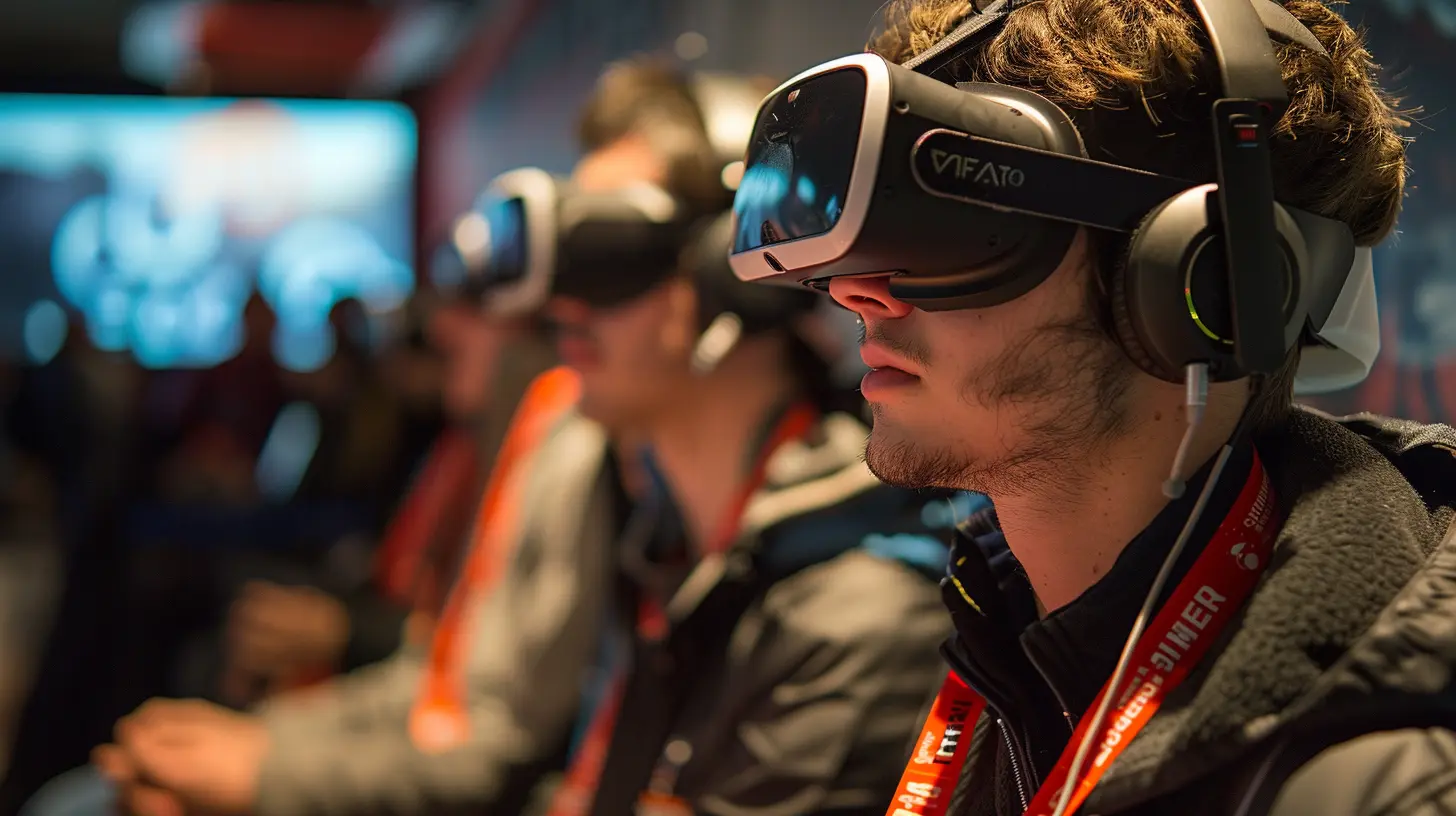
Challenges Facing VR Esports
While VR esports is gaining momentum, it’s not without its challenges. As with any new technology, there are hurdles to overcome before it can truly hit the mainstream.1. Accessibility
Let’s be real—VR isn’t cheap. The cost of a high-end VR headset, along with a powerful gaming PC, can be prohibitive for a lot of people. This limits the player base and makes it harder for VR esports to grow as quickly as traditional esports.However, prices are dropping, and standalone VR headsets like the Oculus Quest 2 are making it more affordable for gamers to jump in.
2. Physical Limitations
Not everyone is up for the physical demands of VR esports. Unlike traditional esports, where you can sit comfortably and play for hours, VR esports requires stamina and endurance. This could limit the appeal to a broader audience, especially for those who prefer a more laid-back gaming experience.3. Tech Limitations
While VR technology is leaps and bounds ahead of where it was just a few years ago, it’s not perfect. Issues like motion sickness, tracking problems, and limited field of view can still be a problem for some players. As the technology improves, these issues will likely be ironed out, but for now, they pose a challenge.The Future of VR Esports
So, what does the future hold for VR esports? Honestly, the possibilities are endless. As VR technology continues to evolve, we’re going to see even more immersive experiences that blur the lines between the digital and physical worlds.Imagine a world where VR esports tournaments are held in massive arenas, with thousands of fans watching both in person and through their own VR headsets, getting a front-row seat to the action. Players could train like real athletes, honing their physical and mental skills to compete at the highest level.
We might even see the development of new VR hardware specifically designed for esports, with improved tracking, better haptics, and more realistic environments. The future of VR esports is not just about gaming—it’s about creating a whole new form of entertainment that combines the best of sports, technology, and competition.
Conclusion
Virtual reality esports is on the rise, and it’s not just a gimmick. It’s the next step in the evolution of competitive gaming, blending physicality, strategy, and immersion in a way that no other medium can match. While there are some challenges to overcome, the potential is undeniable. As VR technology improves and becomes more accessible, we’re going to see VR esports grow into a major force in the gaming world.So, whether you're a hardcore gamer, a casual player, or just someone who loves watching intense competition, VR esports is something you’ll want to keep an eye on. Who knows? Maybe in a few years, we’ll be talking about VR esports the same way we talk about traditional sports today.
all images in this post were generated using AI tools
Category:
Virtual RealityAuthor:

Jerry Graham
Discussion
rate this article
2 comments
Stacey Pacheco
“Forget traditional sports—VR esports are here to make us question our life choices while dodging virtual flying pies! Just remember, if you trip over your own feet in reality, at least you can blame it on an 'in-game glitch'!”
March 19, 2026 at 12:08 PM
Jerry Graham
Absolutely! VR esports are redefining competition and humorously blurring the lines between reality and gaming—just watch your step!
Finn Robinson
Virtual reality esports are undoubtedly transforming the competitive gaming landscape, offering immersive experiences and new gameplay dynamics. However, challenges such as accessibility, equipment costs, and a still-developing player base must be addressed to fully realize this exciting potential.
March 19, 2026 at 4:28 AM
Jerry Graham
Thank you for your thoughtful comment! You're right—while VR esports are innovating the scene, addressing accessibility and cost will be crucial for broader adoption and growth.