The Impact of Virtual Reality on Mental Health Treatment
8 February 2026
Mental health treatment has come a long way in recent years, and one of the most exciting innovations is the use of virtual reality (VR). If you think VR is just for gaming or entertainment, buckle up! It’s now being used as a powerful tool to help people heal their minds. In this article, we’ll dive deep into how virtual reality is changing the landscape of mental health treatment. We’ll explore how VR works in therapy, its benefits, potential challenges, and what the future of mental health care could look like with VR at the forefront.
What Exactly Is Virtual Reality?
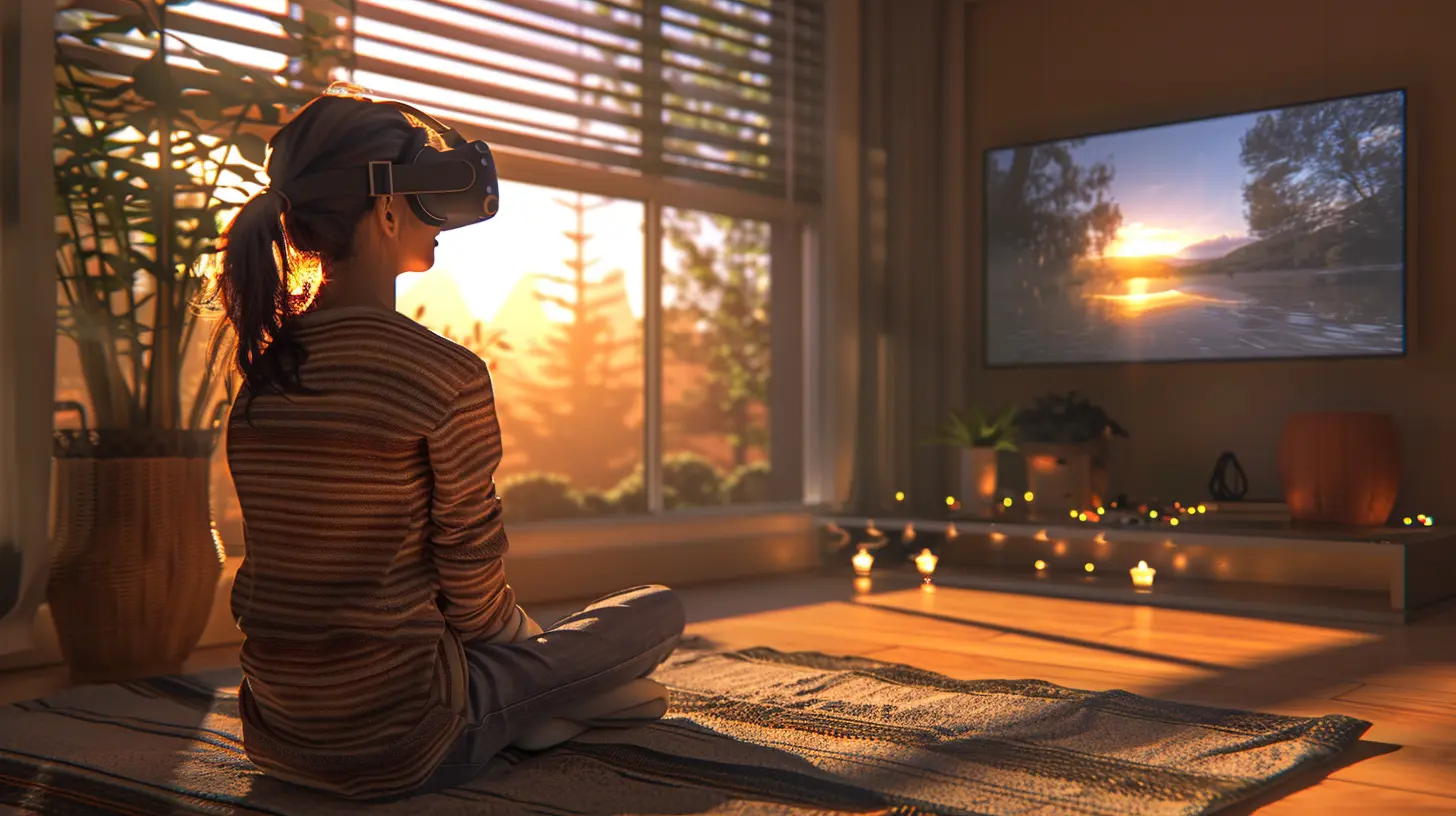
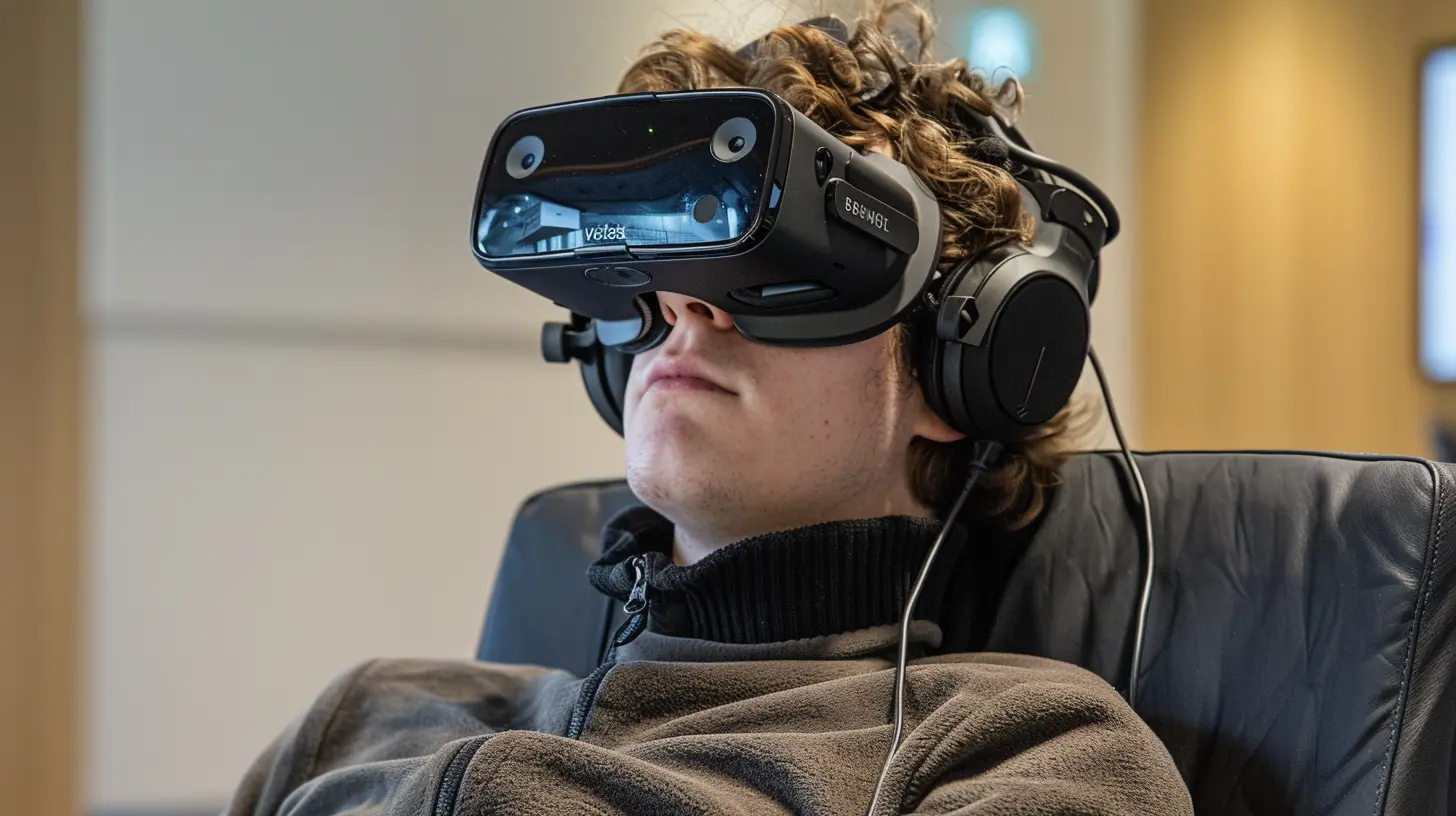
Before we jump into the nitty-gritty of how VR helps with mental health, let’s quickly break down what VR actually is. Virtual reality is an immersive technology that uses a headset and sometimes handheld controllers to create a simulated environment. When you pop on a VR headset, you’re instantly transported to another world—whether that's a serene beach, a bustling city, or even outer space. The idea is that you feel like you're really there, almost tricking your brain into believing you're in a different place.So, how does this relate to mental health treatment? Well, imagine being able to face your deepest fears or practice mindfulness in a completely safe, controlled virtual environment. That’s the promise of VR in mental health care.
The Role of VR in Mental Health Treatment
1. Exposure Therapy for Anxiety and Phobias
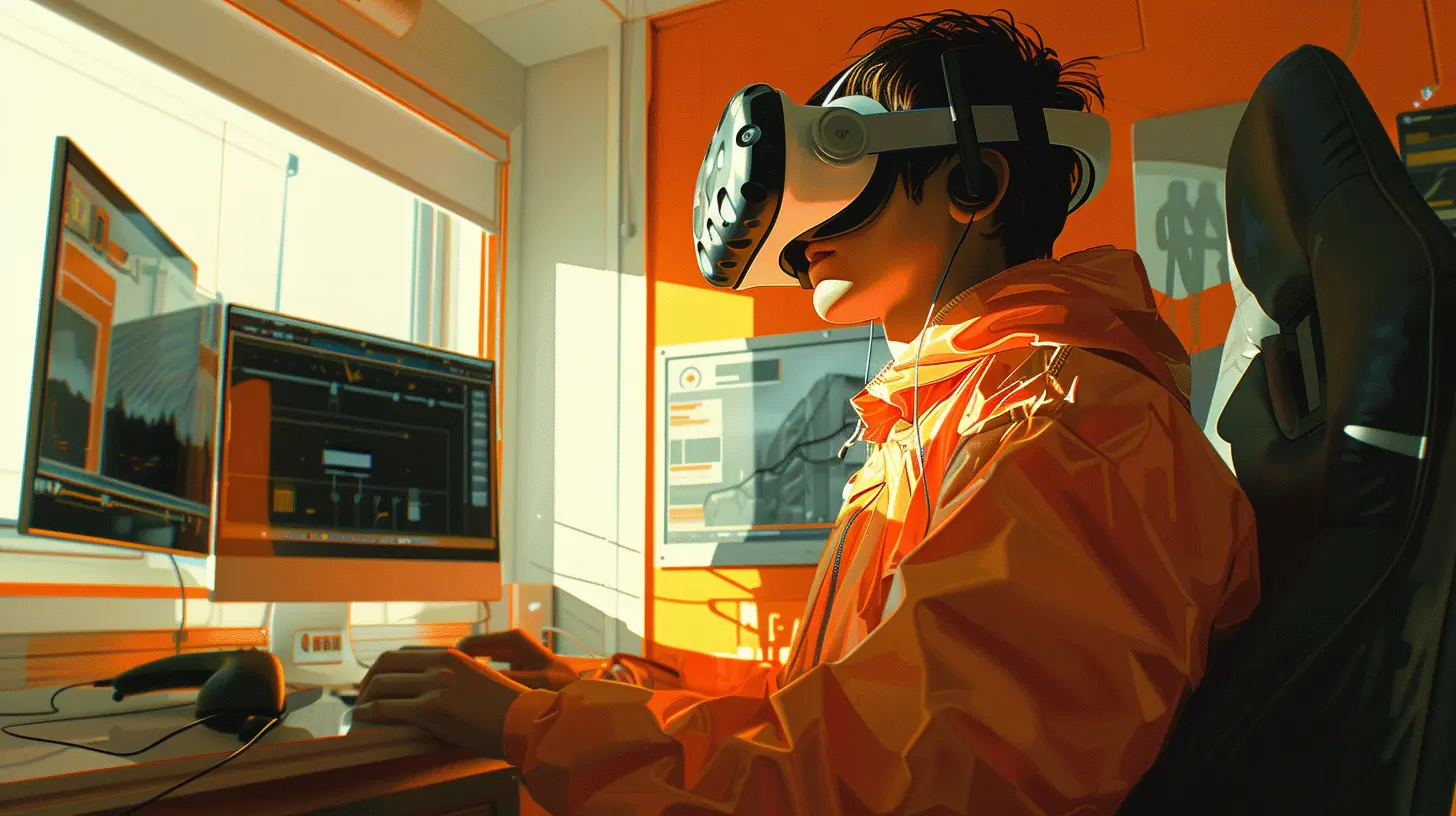
One of the most common uses of VR in mental health treatment is exposure therapy, especially for people dealing with anxiety, PTSD, or specific phobias. In traditional exposure therapy, patients are gradually exposed to their fears in real life, which can be overwhelming. But with VR, the therapist can control every aspect of the environment, making it easier to gradually expose the patient to their fears in a safe and controlled way.For instance, if someone has a fear of flying, they might start by simply being in a virtual airplane, without the stress of actually flying. As they become more comfortable, the exposure can increase until they’re ready for the real deal. The beauty of VR is that it allows for incremental exposure, which can be customized to each person’s comfort level.
2. Treating PTSD
Post-traumatic stress disorder (PTSD) is another area where VR is making waves. For veterans and trauma survivors, reliving traumatic experiences can be incredibly difficult and triggering. But VR allows therapists to replicate traumatic scenarios in a controlled, therapeutic setting. Using VR, patients can confront their trauma and work through it in a way that feels safer and less overwhelming than traditional therapy methods.This kind of controlled exposure can help patients process their emotions, reduce avoidance behaviors, and ultimately heal from their trauma. The experience is carefully guided by therapists, ensuring that patients are never pushed too far beyond their limits.
3. Mindfulness and Stress Reduction
Another fascinating application of VR in mental health is for mindfulness and relaxation exercises. Sometimes, sitting in a regular therapy office just doesn’t cut it. But what if you could meditate on a tranquil beach, surrounded by calming waves and a gentle breeze? VR can transport you to peaceful environments that enhance the effectiveness of mindfulness practices.Research has shown that VR can help lower stress and anxiety by immersing people in calming, serene environments. Whether it’s a lush forest, a quiet mountaintop, or a cozy cabin, these virtual spaces can make mindfulness exercises more engaging and effective. And the best part? You don't even have to pack a suitcase.
4. Cognitive Behavioral Therapy (CBT)
Cognitive Behavioral Therapy (CBT) is one of the most widely used forms of therapy for mental health disorders like depression and anxiety. VR can take CBT to the next level by allowing patients to practice real-life scenarios in a virtual setting. For example, someone with social anxiety can practice engaging in conversations or attending social events in a simulated environment before doing it in real life.The ability to practice in a safe, non-judgmental space is one of the huge advantages of using VR in therapy. It allows patients to rehearse coping strategies and challenge negative thought patterns in a way that feels less intimidating.
The Benefits of Using VR in Mental Health Treatment
1. Controlled Environment
One of the biggest advantages of using VR for mental health treatment is the control it offers. In real life, therapists can't control every variable. But in a virtual environment, they can. This allows for a more personalized and tailored therapy experience. Whether it's adjusting the intensity of a feared scenario or creating the perfect environment for mindfulness, VR gives therapists unprecedented control over the therapeutic process.2. Safe Exposure
Let’s face it—facing our fears is tough. VR makes exposure therapy safer and more manageable. Since it’s a virtual world, patients can confront their fears without any real-world consequences. If someone panics during a VR session, they can simply take off the headset. This makes it easier for patients to engage with the therapy process and push their boundaries in a safe, supportive environment.3. Convenience and Accessibility
Another major perk of VR therapy is that it’s incredibly convenient. In some cases, patients can even use VR tools from their own homes, making mental health treatment more accessible than ever. For people who live in remote areas or have difficulty traveling to a therapist’s office, VR therapy could be a game-changer.4. Increased Engagement
Let’s be real—sometimes traditional therapy can feel a bit... dry. VR adds an element of immersion and engagement that can make therapy feel more interactive and, dare I say, fun. This increased engagement can lead to better outcomes, as patients may be more motivated to stick with their treatment if it feels less like a chore and more like an experience.
Challenges and Limitations of VR in Mental Health
Of course, like any new technology, VR isn’t without its challenges.1. Cost and Accessibility
While VR is becoming more affordable, the upfront cost of a VR headset can still be a barrier for some people. Plus, not all therapists are trained in using VR for mental health treatment, so finding a provider who offers VR therapy can be difficult in some regions.2. Technological Limitations
Though VR technology has come a long way, it’s not perfect. Some people may experience motion sickness or discomfort when using VR, which could limit its effectiveness for certain patients. Additionally, the technology still requires further development to fully replicate real-life experiences.3. Not a One-Size-Fits-All Solution
It’s important to remember that VR isn’t a magic bullet for mental health treatment. It’s a tool, and like any tool, it works better for some people than for others. Not everyone will respond positively to VR therapy, and traditional methods may still be the best option for certain individuals.The Future of VR in Mental Health Treatment
So, where is all of this headed? VR is still a relatively new player in the world of mental health treatment, but its potential is enormous. As the technology improves and becomes more accessible, we can expect to see VR being used in more innovative ways to treat a wider range of mental health conditions.For instance, VR could be used for group therapy, allowing people from all over the world to meet in a virtual space. Or, it could be integrated with artificial intelligence to create personalized therapy experiences that adapt in real-time based on the patient’s needs. The possibilities are endless, and we’re just scratching the surface.
Conclusion
Virtual reality is no longer just about playing video games or watching 360-degree videos—it's making a real impact in the world of mental health treatment. From exposure therapy to mindfulness exercises, VR offers a unique, immersive way to help people heal. While there are challenges to overcome, the benefits of using VR in mental health treatment are undeniable. As technology continues to evolve, we can expect VR to play an even bigger role in shaping the future of mental health care.So, next time you think of VR, don’t just think of it as a fun gadget. Think of it as a tool that might help someone overcome their deepest fears, heal from trauma, or simply find moments of peace in a busy world.
all images in this post were generated using AI tools
Category:
Virtual RealityAuthor:

Jerry Graham
Discussion
rate this article
2 comments
Owyn Wells
VR: Where your therapist can take you anywhere—just not to the dentist!
February 18, 2026 at 3:41 AM
Jerry Graham
That's a great point! VR can take us to calming places, but some realities might still need to be faced in person.
Oberon McIntyre
This article beautifully highlights the transformative potential of virtual reality in mental health treatment, offering hope and new avenues for healing.
February 10, 2026 at 11:22 AM
Jerry Graham
Thank you for your kind words! I'm glad you found the article insightful and reflective of VR's promising role in mental health.