The Impact of AI-Driven Opponents in Mobile Gaming
3 June 2026
Artificial Intelligence (AI) is shaking things up in mobile gaming, making our virtual opponents smarter, faster, and sometimes even eerily human-like. Ever played a game where the AI opponent outsmarts you at every turn? Or one where it adapts to your gameplay style? That's the magic of AI in action.
This article dives deep into AI-driven opponents in mobile games—how they enhance gameplay, their pros and cons, and what the future holds. 
How AI Has Changed Mobile Gaming
Back in the day, gaming AI was pretty straightforward—enemies followed predictable patterns, making them easy to defeat once you learned their moves. But fast-forward to today, and things are drastically different. AI-driven opponents can now:- Learn from player behavior
- Adapt to different play styles
- Offer dynamic difficulty adjustments
- Provide a more immersive gaming experience
These advancements bring us closer to gaming experiences that feel more realistic and engaging than ever. 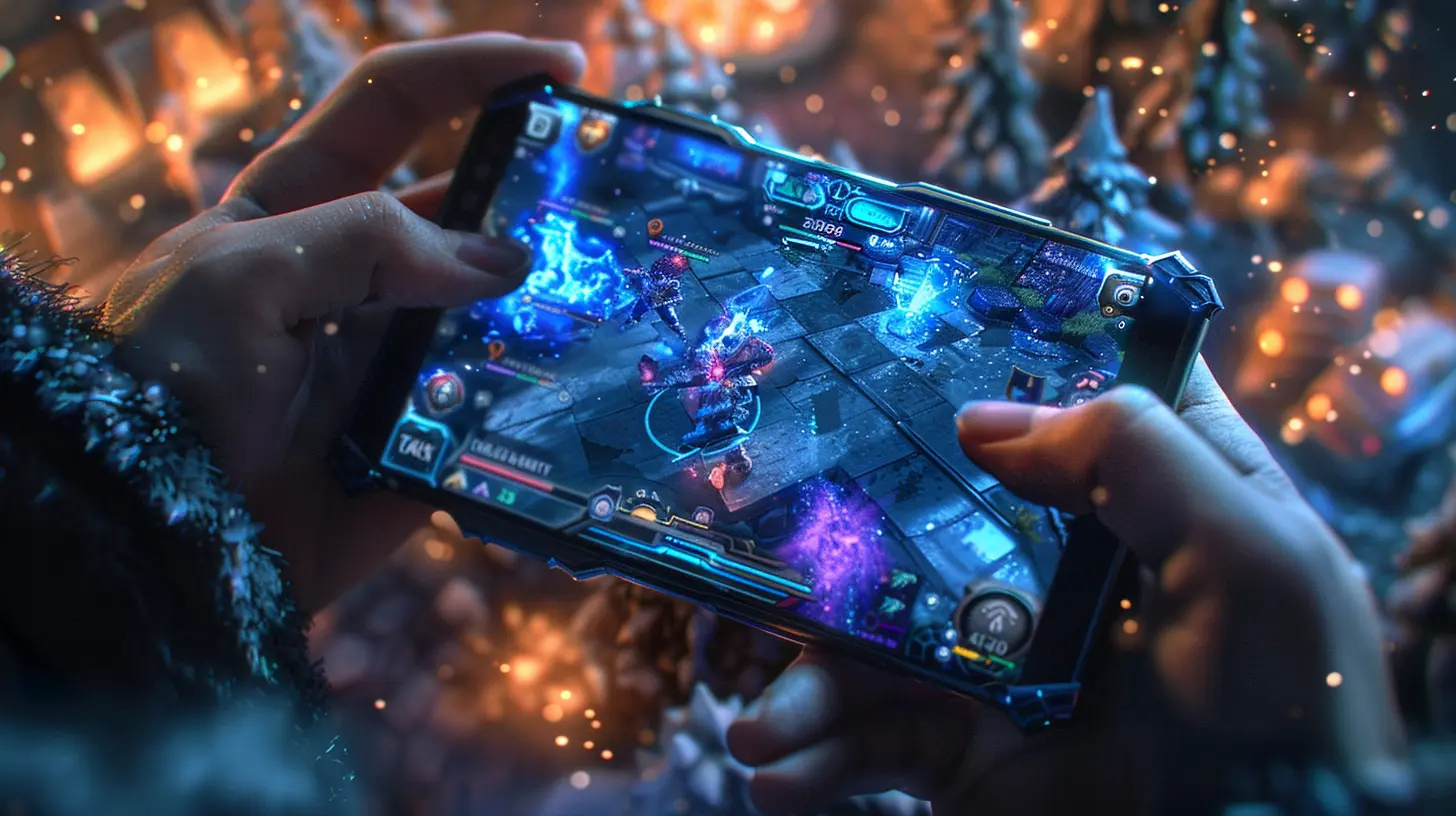
How AI-Driven Opponents Work in Mobile Gaming
So, how do these AI-powered foes actually work? The technology behind them revolves around machine learning, behavioral algorithms, and procedural generation. Let’s break it down.1. Machine Learning & Adaptation
Modern AI in mobile games isn’t just about responding to pre-set commands—it learns. Imagine playing a racing game where the AI drivers adjust their speed and tactics based on how aggressively you drive. The more you play, the smarter the AI gets.2. Behavioral Algorithms
AI opponents use behavioral algorithms to predict a player's moves. For instance, in a strategy-based game like Clash Royale, AI-controlled opponents may analyze past player actions and counter them with advanced tactics.3. Procedural Generation
This technique helps AI create unique gaming experiences. Take rogue-like games—every level feels fresh because AI constantly generates different enemy behaviors and level layouts.
The Pros of AI-Driven Opponents in Mobile Gaming
AI-driven enemies bring some major advantages to mobile gaming. Let’s go through the key benefits.1. More Challenging & Engaging Gameplay
Gone are the days of mindless enemies running straight into your attacks. AI-driven opponents force you to think, strategize, and adapt, making every battle feel fresh.2. Personalized Gaming Experience
AI adapts to your skill level, meaning no more frustration from levels that are too easy or impossibly hard. Instead, AI strikes a balance, making sure you’re always at the edge of your seat.3. Improved Single-Player Experience
Multiplayer matches are fun, but what if you could have competitive gameplay without needing human opponents? AI-driven enemies offer a multiplayer-like challenge in single-player mode.4. Smarter NPCs
Ever played a game where NPCs (non-playable characters) seem brain-dead? AI fixes that. In open-world mobile games, AI-powered NPCs interact more intelligently, making the world feel alive.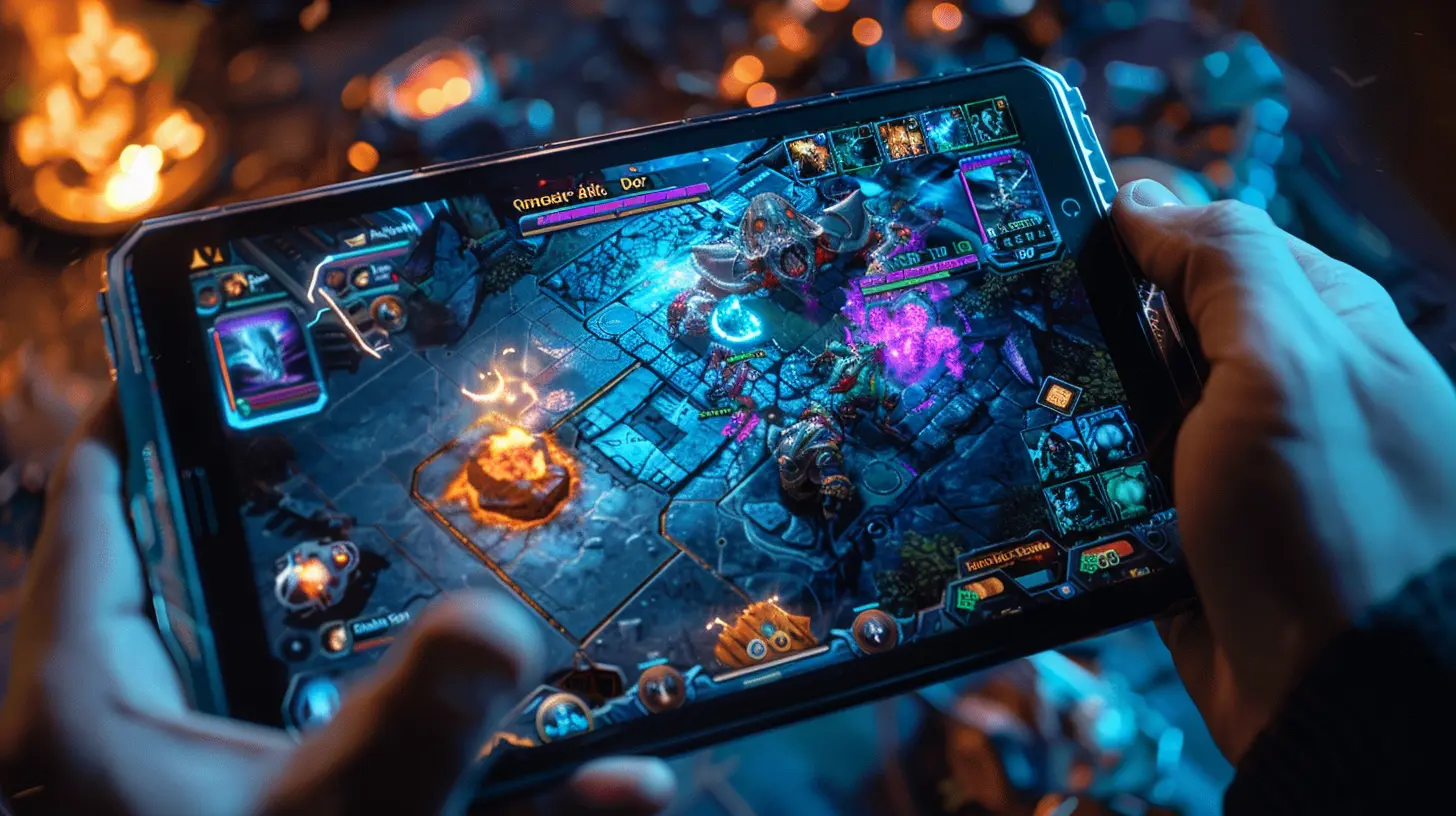
The Cons of AI-Driven Opponents
As exciting as AI-driven opponents are, they aren't perfect. Let’s look at the downsides.1. Predictable Over Time
Even the best AI can become repetitive. Once you identify patterns in AI behavior, the challenge diminishes.2. Overpowered AI Opponents
Ever faced an AI enemy that feels "too good"? Some developers crank up AI difficulty to impossible levels, leading to frustrating gameplay.3. High Resource Consumption
AI in games demands more processing power, which can strain mobile devices, causing overheating and battery drain.4. Lack of Human Element
AI-driven opponents are smart, but they still lack the creativity and unpredictability of real human players. Nothing beats the excitement of battling against a real person online.AI in Mobile Gaming Genres
AI is flexing its muscles across various gaming genres. Here’s how it's leaving its mark:1. First-Person Shooters (FPS)
AI opponents in FPS games can now take cover, flank players, and react dynamically instead of running blindly into gunfire.2. Strategy Games
From chess apps to real-time strategy games, AI opponents analyze and counter your moves to keep things challenging.3. Racing Games
AI drivers don’t just follow a fixed route anymore—they adjust their pace and tactics based on player behavior.4. Role-Playing Games (RPGs)
AI-driven enemies in RPGs adapt to your combat style, forcing you to switch up strategies instead of spamming the same attacks.5. Sports Games
AI teams in mobile sports games adjust their gameplay based on your tactics, making matches feel more dynamic.The Future of AI in Mobile Gaming
So, what’s next for AI-driven opponents? Here are some exciting possibilities:1. Hyper-Realistic AI Opponents
With advancements in AI, future mobile games may feature AI opponents that mimic real human behavior so well that you won’t even realize you’re playing against a computer.2. AI That Learns Like a Human
Future AI could use deep learning to constantly evolve, remembering how you play and challenging you in entirely new ways.3. AI-Powered Game Masters
Imagine AI acting as a real-time game master, adjusting difficulty, introducing new challenges, and ensuring every session feels unique.4. AI-Generated Storylines
AI might not just control opponents—it could influence game narratives, creating dynamic stories that adapt based on your choices.Final Thoughts
AI-driven opponents have revolutionized mobile gaming, making it more immersive, challenging, and personalized. While there are still challenges to overcome, the future of AI in mobile games looks incredibly promising.As technology continues to advance, we might soon find ourselves playing against AI so sophisticated that we can’t tell whether it’s a machine or a real person on the other side of the screen. Ready for the challenge?
all images in this post were generated using AI tools
Category:
Mobile GamingAuthor:

Jerry Graham
Discussion
rate this article
1 comments
Derek Oliver
Great insights on AI's role in mobile gaming! The way AI-driven opponents challenge players not only enhances the gaming experience but also pushes us to improve our skills. It's exciting to see how technology can create dynamic and engaging gameplay. Keep up the fantastic work in exploring these innovations!
June 29, 2026 at 2:39 AM
Jerry Graham
Thanks for the feedback! I'm glad you found the insights valuable. AI truly is transforming mobile gaming in exciting ways.