The Future of Augmented Reality Shopping in 2027
17 April 2026
Remember the last time you bought a pair of shoes online and held your breath, hoping they’d fit? Or tried to picture if that new sofa would actually look good in your living room, or just become a bulky regret? We’ve all been there. Shopping, for all its digital convenience, has always had a gap—a chasm, really—between the pixel on your screen and the physical object in your home. But what if I told you that by 2027, that gap won’t just be bridged; it will be erased? Welcome to the future of Augmented Reality (AR) shopping, a world where your environment becomes the store, and every purchase is a confident, immersive experience. Let’s pull back the curtain.
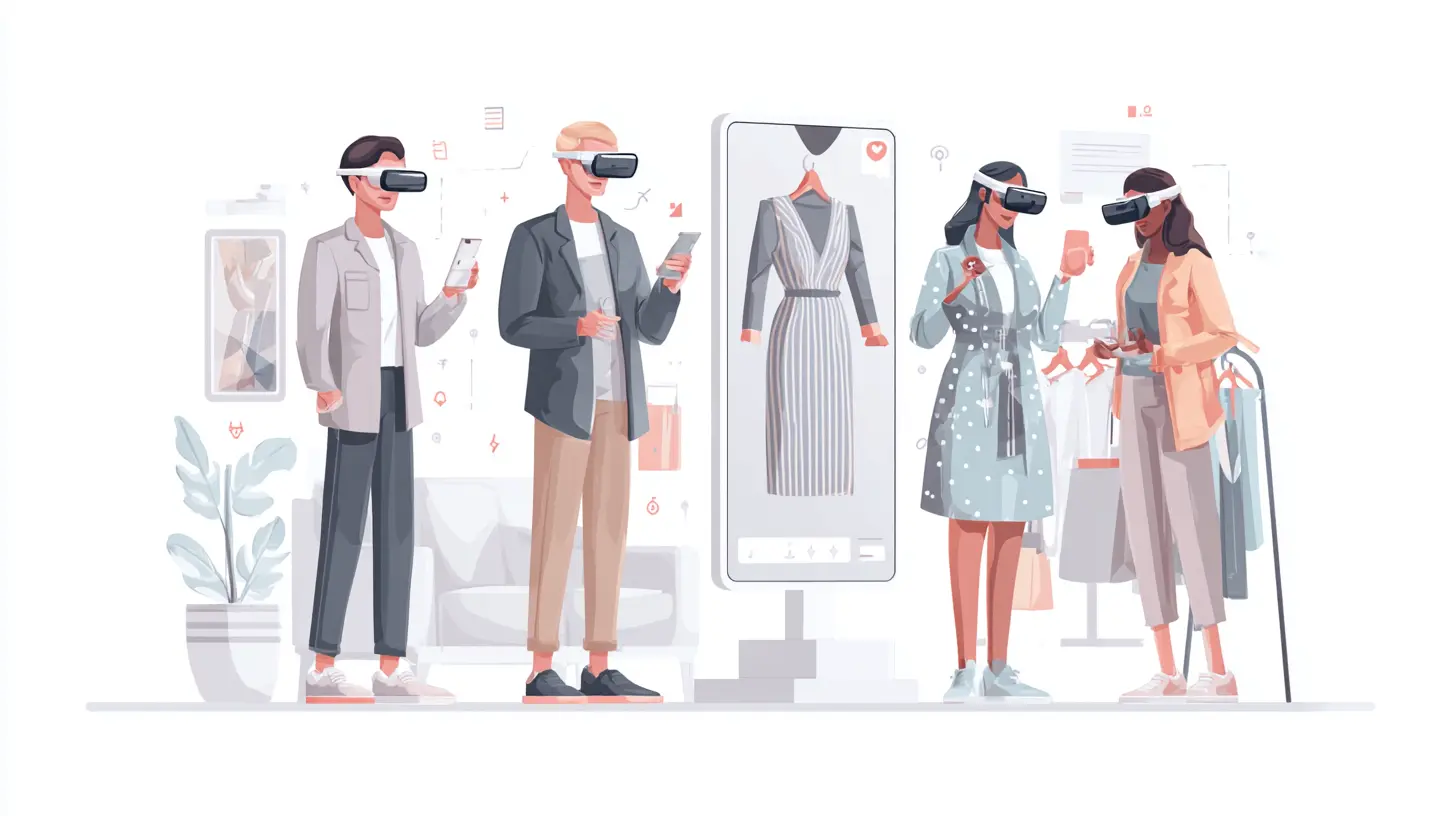
From Novelty to Necessity: The AR Shopping Tipping Point
Let’s be honest, AR shopping right now can feel a bit like a party trick. "Ooh, I can see a virtual couch in my room!" It’s cool for a minute, but the novelty often wears off. The models can be clunky, the scaling is sometimes off, and the experience feels disconnected. It’s like trying to have a deep conversation with a chatbot from 2010—you see the potential, but the execution isn’t quite there.By 2027, this changes. Drastically. AR shopping will shed its "novelty" skin and become as essential as the "Add to Cart" button is today. Why? Because the technology underpinning it will have matured from a sprout into a mighty oak. We’re talking about hyper-accurate spatial mapping, powered by LiDAR and advanced camera systems in everyday devices, that understands your room’s dimensions, lighting, and textures down to the millimeter. It won’t just place an object; it will understand the environment. Imagine a virtual rug that knows if your floor is hardwood or tile and adjusts its sheen accordingly. That’s the level of fidelity we’re heading toward.

The 2027 AR Shopping Experience: A Day in the Life
Let’s paint a picture. It’s 2027, and you need a new reading lamp.You don’t open a website; you activate your AR layer—through smart glasses, your phone, or even a contact lens display. You simply say, "Show me mid-century modern floor lamps," and instantly, a curated selection from your favorite retailers materializes in the empty corner by your armchair. You flick your wrist to cycle through options. One lamp you select not only appears in perfect scale but also casts a realistic pool of warm, ambient light onto your actual book and rug. You can walk around it, crouch down, and see how the brass finish interacts with the afternoon sun streaming through your window.
But it goes deeper. A tiny icon hovers near the lampshade. You tap it, and suddenly, you see the lamp’s "material story"—a visualization of where the wood was sourced, the carbon footprint of its shipping, and even peer reviews left in AR by friends in your network who own it. You decide to buy. With a glance and a blink, the purchase is authenticated via biometrics. Two hours later, the real-world counterpart arrives, looking exactly as it did in your AR space. No surprises. Only satisfaction.
This isn’t science fiction. This is the logical endpoint of current trends in computer vision, 5G/6G connectivity, blockchain for provenance, and AI-driven personalization.
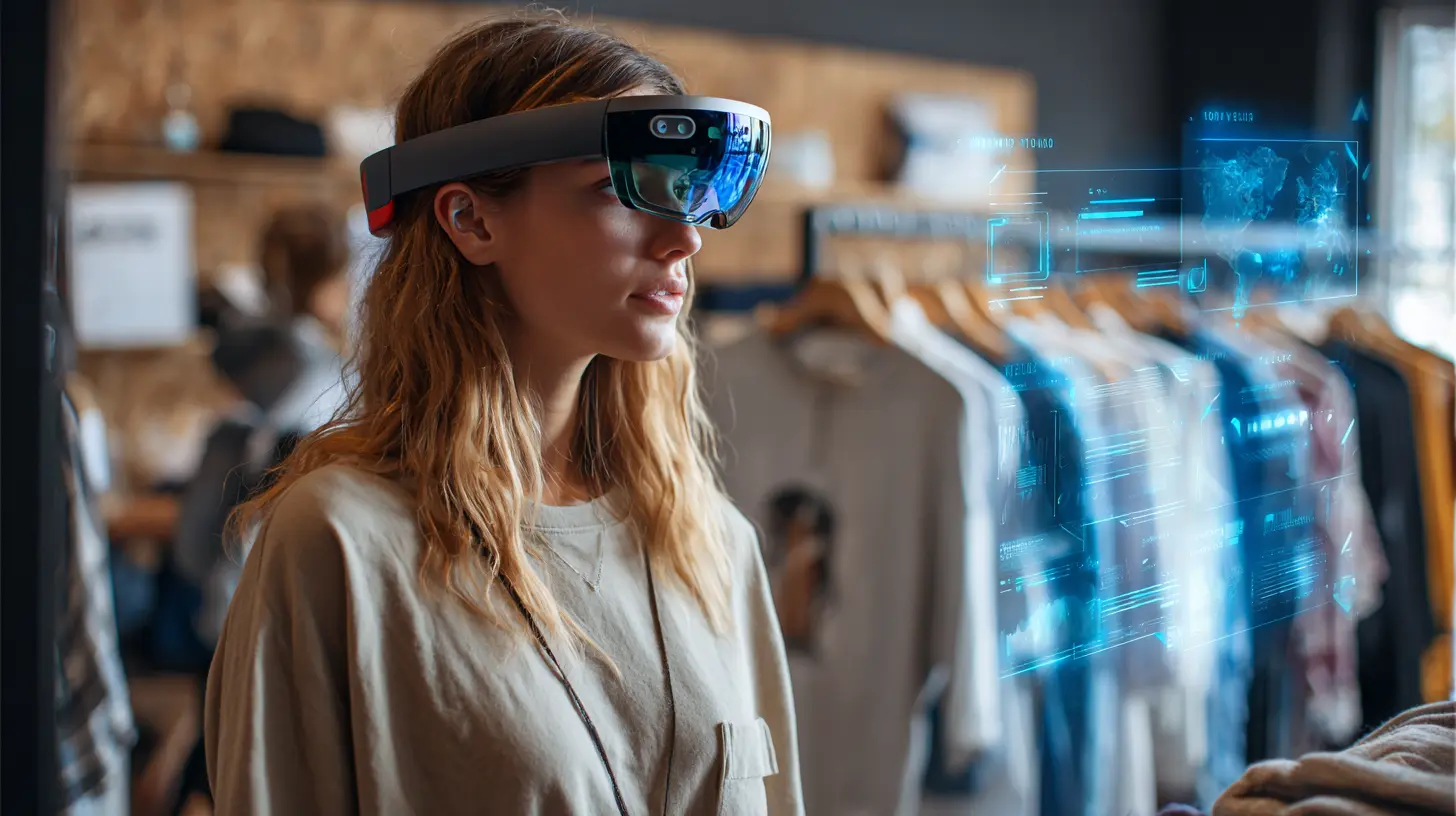
The Stores Come to You: The Death of the Generic Digital Shelf
One of the biggest shifts by 2027 will be the complete personalization of inventory. Right now, online stores are like massive, endless warehouses. You’re the one digging through the bins. In 2027, the warehouse intelligently comes to you.Your AR shopping assistant, powered by a sophisticated AI that knows your style, budget, past purchases, and even your current mood (inferred from your music playlist or calendar), will pre-filter the entire world of commerce. It will know you’re allergic to certain fabrics and hate the color mauve. It will understand that your apartment has low ceilings and suggest appropriately scaled furniture. The "store" is now a dynamic, living entity built uniquely for you, projected into your personal space. It’s the difference between searching for a needle in a haystack and having the needle gently placed in your hand.
Social Shopping Reborn: Try-On Parties and Shared Spaces
Remember going shopping with friends? The opinions, the laughs, the "oh, you have to try this on!"? E-commerce made shopping solitary. AR in 2027 will make it profoundly social again, but without geographical limits.You’ll be able to create a shared AR "try-on room" with friends scattered across the globe. All of you can try on digital versions of the same outfit from a new boutique in Seoul, seeing each other's avatars (or real-life feeds) in the clothes, offering feedback in real-time. It becomes an event. For home goods, you can grant permission for a designer or a trusted friend to "enter" your living room AR layer and place suggestions directly into your space. It’s collaborative, fun, and eliminates the loneliness of the current online shopping cart.
Hyper-Personalization and the Data Dilemma
Of course, this hyper-personalized, environment-aware shopping nirvana comes with a cost: data. An immense amount of it. Your AR device will need to understand the contents of your home, your movements, your aesthetic reactions (tracking where your gaze lingers). By 2027, the major battleground won't just be who has the best AR tech, but who manages this data with the most transparency and trust.We’ll likely see the rise of "personal data vaults," where you control what spatial and preference data is shared, with whom, and for how long. You might allow a furniture brand to scan your living room for a one-time design session, but revoke that access immediately after. The companies that win will be those that are crystal clear about this exchange, offering undeniable value in return for your spatial data. It will be a new social contract for the digital age.
Beyond Retail: The Seamless Blend of Content and Commerce
In 2027, the line between inspiration and transaction will blur into invisibility. You’ll be watching a cooking show in AR, and the host will use a beautiful ceramic bowl. You’ll look at it, a subtle icon appearing. A quick gesture adds it to your cart for later. You’re reading a digital novel where the protagonist wears a stunning jacket; you can pause, inspect it on your own avatar, and purchase it without ever leaving the narrative flow.Commerce becomes contextual and ambient, woven into the fabric of your digital life rather than being a separate, jarring destination. This is "burstiness" in practice—commerce will burst into your world at the exact moment of inspiration, not when you reluctantly open an app.
The Challenges on the Horizon: Accessibility, Fatigue, and Reality
It won’t all be smooth sailing. For this future to be equitable, the hardware must be affordable and accessible. Will we all be wearing $3,000 smart glasses by 2027? Probably not. The technology will likely exist across a spectrum, from high-end eyewear to sophisticated phone-based experiences that are nearly as good.There’s also the question of "AR fatigue." Will we want to live in a world where every surface is a potential ad? Thoughtful design and user-controlled filters will be critical. You’ll need "shopping mode" just like you have "airplane mode" today.
Finally, there’s the human element. Part of shopping is the tactile feel, the serendipitous find, the casual chat with a store clerk. The challenge for AR pioneers is to not just replicate the transactional part of shopping, but to invent new ways to deliver those uniquely human joys in a digital space.
Conclusion: Not Just Seeing, But Knowing
The future of AR shopping in 2027 isn’t about putting a silly hat on your cat in your camera feed. It’s about confidence. It’s about closing the imagination gap that has plagued e-commerce since its inception. It’s the shift from hoping something will look right to knowing it will.We are moving from a 2D, flat-web shopping paradigm to a 3D, spatial, and contextual one. Your environment becomes the ultimate interface. By 2027, the question won't be, "Should I use AR to shop?" It will be, "How did we ever shop without it?" The future isn't about staring at a screen; it's about enhancing your world so seamlessly that the digital and physical become one cohesive, shoppable reality. Get ready. Your living room is about to become the most personal, convenient, and insightful store you’ve ever visited.
all images in this post were generated using AI tools
Category:
E Commerce TechnologyAuthor:

Jerry Graham
Discussion
rate this article
2 comments
Flynn Jennings
Exciting insights on AR shopping! By 2027, I envision personalized virtual experiences reshaping consumer habits, integrating AI for tailored recommendations. The blend of social interaction and immersive technology will enhance engagement. However, challenges like privacy and accessibility must be addressed to ensure widespread adoption and create a seamless shopping experience.
April 20, 2026 at 4:59 AM
Jerry Graham
Thanks for your thoughts! I agree that personalized experiences will be key. Addressing privacy and accessibility will definitely shape the future of AR shopping. Exciting times ahead!
Rivenheart McWhorter
Exciting insights! As AR technology advances, the future of shopping in 2027 looks promising with immersive experiences, enhanced personalization, and seamless integration into our daily lives.
April 17, 2026 at 11:59 AM
Jerry Graham
Thanks for the feedback! I agree, the potential for AR in shopping is truly exciting.