The Evolution of VR Headsets: From Concept to Mainstream
5 July 2026
Virtual reality (VR) headsets have come a long way from being a science fiction dream to becoming an essential part of gaming, training, and even healthcare. But how did we get here? What began as experimental technology has evolved into sleek, immersive devices that transport users to entirely new worlds.
In this article, we'll take a deep dive into the history of VR headsets, tracing their journey from the earliest concepts to today’s cutting-edge devices.
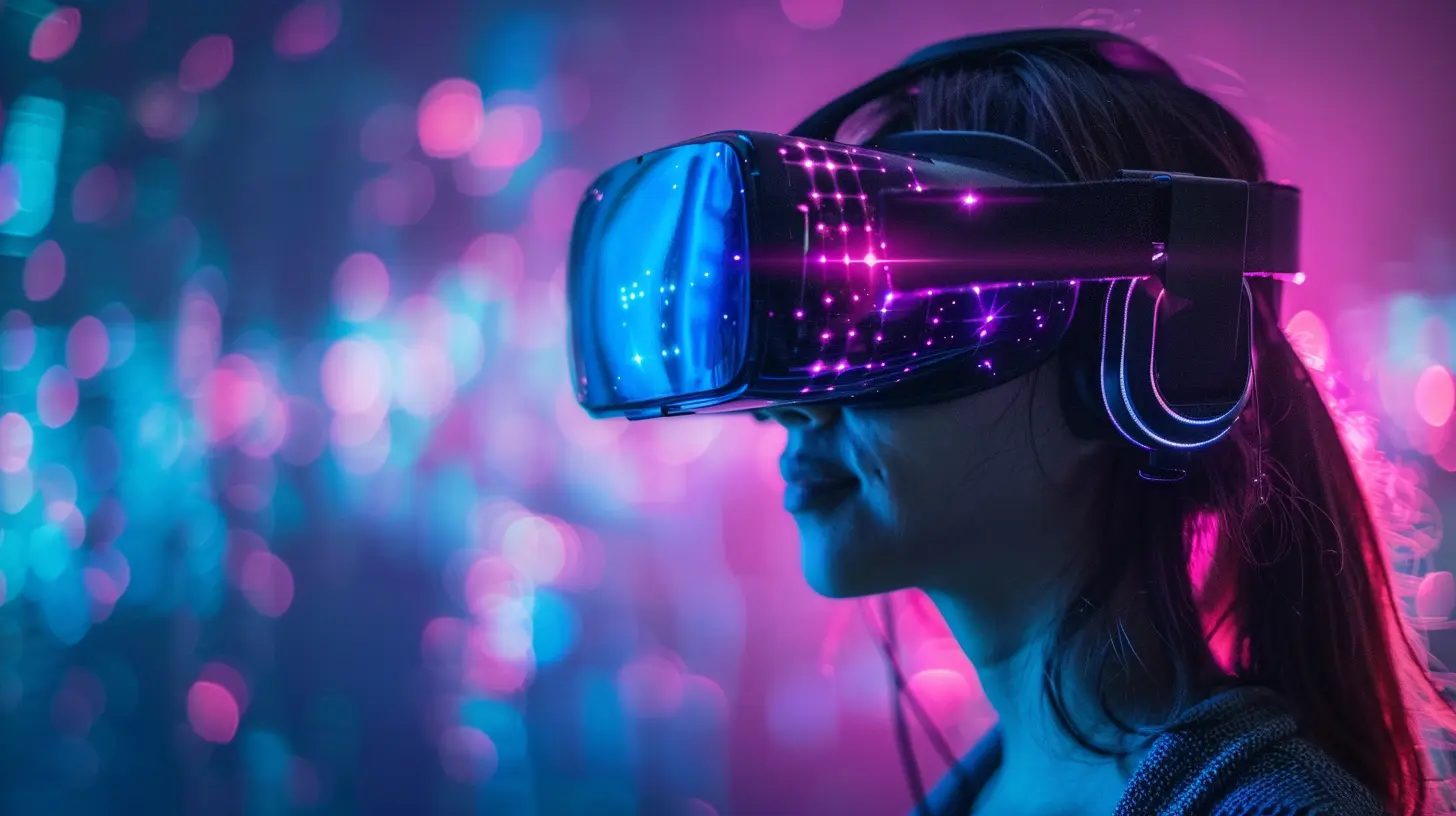
The Early Days of Virtual Reality
The idea of stepping into a virtual world isn't new. In fact, the concept dates back as far as the 19th century when stereoscopic photography was invented. This technique used two side-by-side images to create an illusion of depth, much like how our eyes perceive the real world. But the first real attempt at VR came much later.The Birth of VR: The 1960s and 1970s
In the 1960s, Morton Heilig, a visionary filmmaker, designed the Sensorama, a machine that combined 3D visuals, sound, smell, and vibrations to create an immersive experience. Though not a wearable device, it was one of the earliest steps toward VR.Then came the Sword of Damocles in 1968, developed by Ivan Sutherland and his student Bob Sproull. This was the first true VR headset, featuring a head-mounted display (HMD). The catch? It was so heavy that it had to be suspended from the ceiling—hence the ominous name.
Although these inventions were groundbreaking, they were far from practical. The technology was still in its infancy, limited by bulky hardware and primitive graphics.
The 1980s and 1990s: VR Enters the Public Eye
Fast forward to the 1980s, and VR was starting to become more than just an idea for researchers. Companies like VPL Research, founded by Jaron Lanier, began developing VR gloves and headsets. This was when terms like "virtual reality" started becoming mainstream.In the early 1990s, several gaming companies tried to bring VR to the masses. Remember the Virtual Boy by Nintendo? It was one of the first consumer VR devices, but it flopped due to poor graphics, discomfort, and a lack of content.
Meanwhile, companies like Sega and arcade developers introduced VR systems, but the hardware remained expensive and impractical for home use.
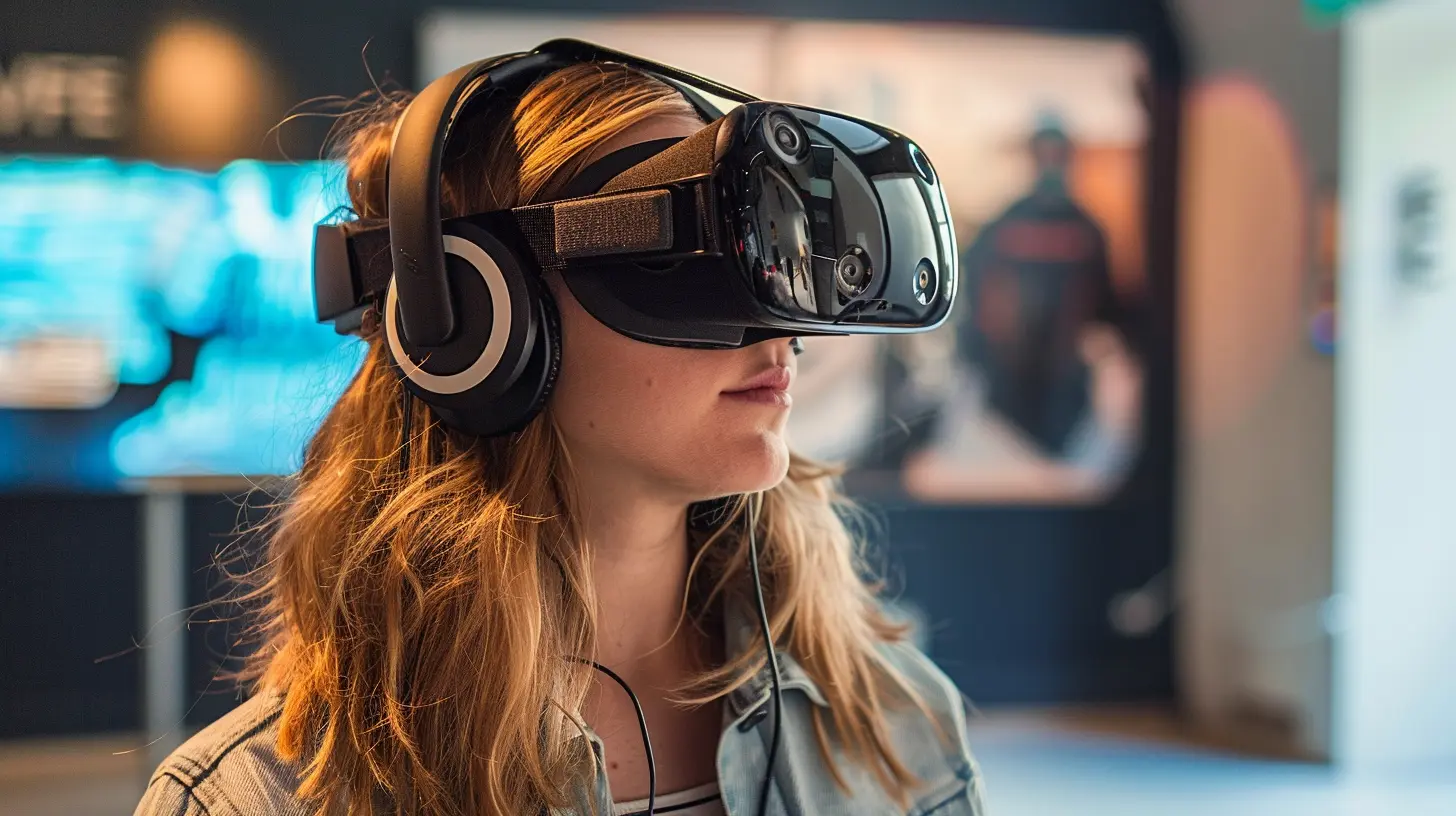
The 2000s: The Calm Before the Storm
The early 2000s saw a lull in VR development. The technology simply wasn't ready for mainstream adoption. Computers weren’t powerful enough, displays weren’t sharp enough, and motion tracking was far from accurate.However, researchers and tech enthusiasts continued to push boundaries. Military and medical institutions used VR for training simulations, but the average consumer was still left out of the experience.
Everything changed in the early 2010s.
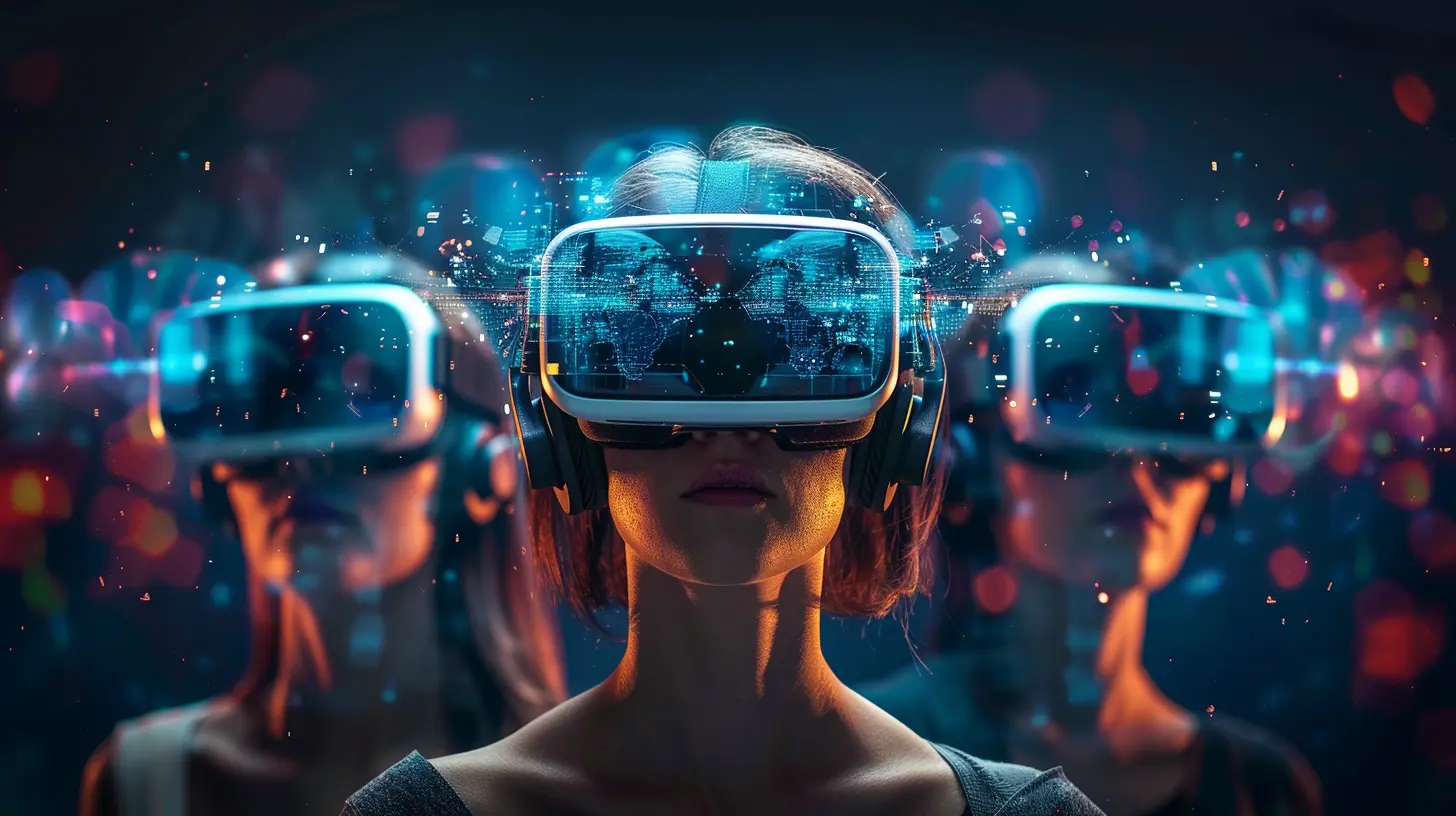
The Rise of Modern VR: 2010s and Beyond
The real turning point for VR came with the Oculus Rift. In 2012, a young engineer named Palmer Luckey created a prototype that reignited interest in VR. His Kickstarter campaign raised millions, proving there was serious demand for an immersive experience.The Oculus Revolution
Facebook (now Meta) took notice and acquired Oculus for $2 billion in 2014. This move signaled that VR was not just a niche technology—it had real potential for the future.Following Oculus, other tech giants jumped into the game:
- HTC and Valve introduced the HTC Vive, bringing advanced motion tracking and room-scale VR.
- Sony launched PlayStation VR, making VR gaming more accessible to console players.
- Google experimented with mobile VR using Google Cardboard and Daydream.
Suddenly, VR wasn't just for tech enthusiasts—it was becoming a household name.
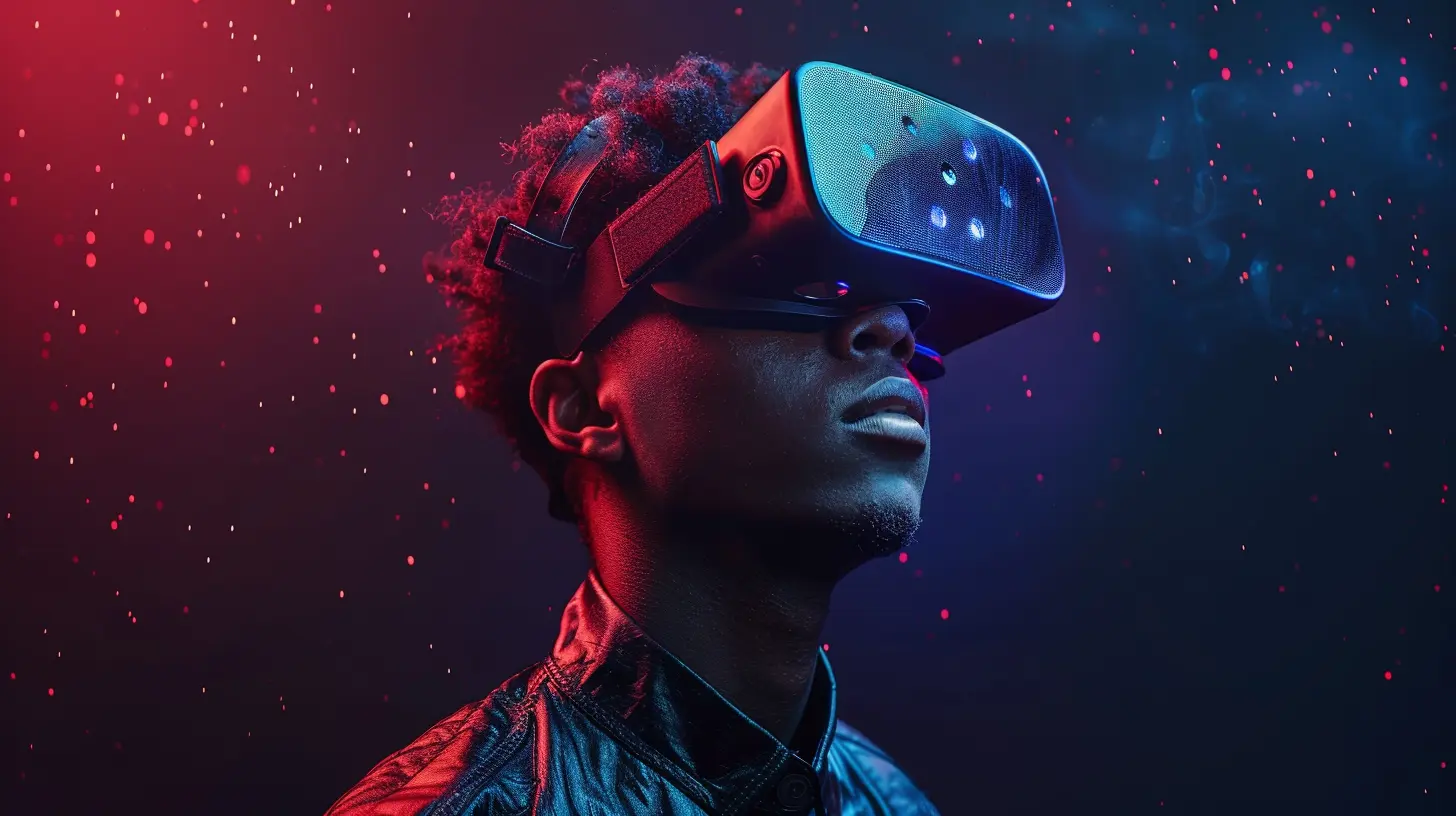
The Quest for Wireless VR
While early headsets delivered immersive experiences, they had one major downside: wires. Being tethered to a PC or console limited freedom of movement, making the experience less immersive.Oculus took a huge leap forward with the Oculus Quest in 2019. This standalone headset eliminated the need for external hardware, offering a completely wireless VR experience with built-in tracking.
Other companies followed suit:
- HTC Vive Focus pushed standalone VR further.
- Pico and other emerging brands introduced all-in-one solutions.
Wireless VR was now a reality, making the technology more convenient and accessible than ever.
VR in the 2020s: A New Era
As of today, VR has cemented itself in gaming, education, training, and even therapy. But the advancements haven’t stopped.The Rise of the Metaverse
With the rise of the metaverse, companies like Meta (formerly Facebook) have doubled down on VR development. The Meta Quest 3 and Apple’s Vision Pro are pushing VR beyond gaming, integrating it into workspaces, social platforms, and more.Improved Graphics and AI Integration
New VR headsets now feature 4K displays, eye tracking, and AI-driven experiences. Graphics have reached near-photorealistic levels, creating even deeper immersion.Companies like Sony, HTC, and Lenovo continue refining their devices, expanding VR’s use in virtual meetings, fitness, and medical training.
What’s Next for VR?
So, where is VR headed next?- Lighter, Sleeker Designs: Future headsets will become more comfortable and less bulky.
- Better Haptics: Advanced gloves and bodysuits will simulate touch and physical interactions.
- Mixed Reality (MR) Integration: Devices like the Apple Vision Pro are already blending VR with augmented reality (AR), making it more versatile.
- More Affordable Options: As technology improves, prices will drop, making VR more accessible to a wider audience.
Conclusion
From clunky prototypes to sleek wireless devices, VR headsets have evolved dramatically over the decades. What once seemed like a futuristic dream is now a reality that continues to change the way we play, work, and interact.As companies invest billions into VR and the metaverse, one thing is certain: we’re just scratching the surface of what’s possible. The future of VR is bright, and it’s only going to get better from here.
all images in this post were generated using AI tools
Category:
Vr HeadsetsAuthor:

Jerry Graham
Discussion
rate this article
1 comments
Regina Sawyer
This article highlights the fascinating journey of VR technology. It's impressive to see how far we've come in such a short time.
July 15, 2026 at 10:59 AM
Jerry Graham
I appreciate your thoughts! It's amazing to see how VR has transformed from a concept to an essential part of our tech landscape.