The Best Tech Gifts for the Holidays in 2027
18 September 2026
Gift giving has always been about paying attention. The best presents say, "I noticed something about you," and tech gifts are no exception. But in 2027, the tech landscape has shifted in ways that make choosing well both easier and harder. Easier, because prices on genuinely good hardware have come down and the gap between mid-range and flagship has narrowed. Harder, because the marketing noise around artificial intelligence has made it nearly impossible to tell which products actually improve daily life and which simply slap a chatbot onto a speaker and call it innovation.
This guide is for anyone who wants to give a tech gift that gets used every day, not one that ends up in a drawer by February. I will walk through the categories that matter, explain the trade-offs, and point out the mistakes that trip up even thoughtful shoppers.

Start With the Person, Not the Product
Before you look at a single spec sheet, answer three questions about the recipient.First, what do they already own and love? A person who carries a five-year-old phone is not necessarily waiting for an upgrade. They might be holding onto it because it works, because they dislike change, or because they cannot justify the cost. Gifting them a new phone can feel like an accusation rather than a kindness. A better move is often an accessory that makes their existing device better.
Second, what frustrates them daily? The best gifts solve small, recurring annoyances. A tangled charging cable. Earbuds that die mid-commute. A laptop that overheats during video calls. When you frame your search around a specific friction point, you stop browsing and start solving.
Third, what is their tolerance for setup? Some people genuinely enjoy configuring a new gadget. Others want it to work the moment they open the box. This single trait should eliminate half your options immediately.
Audio: Still the Safest Bet in Tech Gifting
Headphones and earbuds remain the most reliable tech gift category, and for good reason. Nearly everyone uses them, quality differences are audible to non-experts, and prices span every budget.Over-Ear Headphones
For a gift that feels substantial, over-ear headphones win. In 2027, active noise cancellation has matured to the point where mid-priced models perform close to premium ones. The practical difference between a two-hundred-dollar pair and a four-hundred-dollar pair is now mostly in materials, comfort over long sessions, and microphone quality during calls.Who should get these: commuters, remote workers, students in shared housing, anyone who flies more than a few times a year.
What to watch for: weight and clamping force. A headphone that sounds spectacular but presses on the ears becomes unbearable after ninety minutes. If you can, choose a model with a generous return window so the recipient can test comfort themselves.
A common mistake: buying studio-style headphones for casual listeners. Flat, analytical sound is a tool for mixing music, not a pleasure device for the average person. Most listeners prefer a warmer tuning with fuller bass.
True Wireless Earbuds
Earbuds make a better gift for people who are active, travel light, or lose things. They are also easier to fit into a stocking or a modest budget.The key trade-off in 2027 is between fit and features. Earbuds with silicone tips seal better and produce stronger bass, but some people find them uncomfortable. Open-style earbuds that rest outside the ear canal feel weightless and let in ambient sound, which is safer for runners and cyclists, but they leak audio and offer weaker bass.
If you do not know the recipient's ear shape, open-style designs are the lower-risk choice. They fit almost everyone acceptably, even if they fit no one perfectly.
The Case for a Gift Card Here
Audio is deeply personal. Sound signature, fit, and app ecosystem all matter, and none of them can be guessed reliably. If you are unsure, a gift card to a retailer with a strong return policy is not a cop-out. It is respect for the recipient's preferences. Pair it with a handwritten note explaining what you were thinking, and it lands well.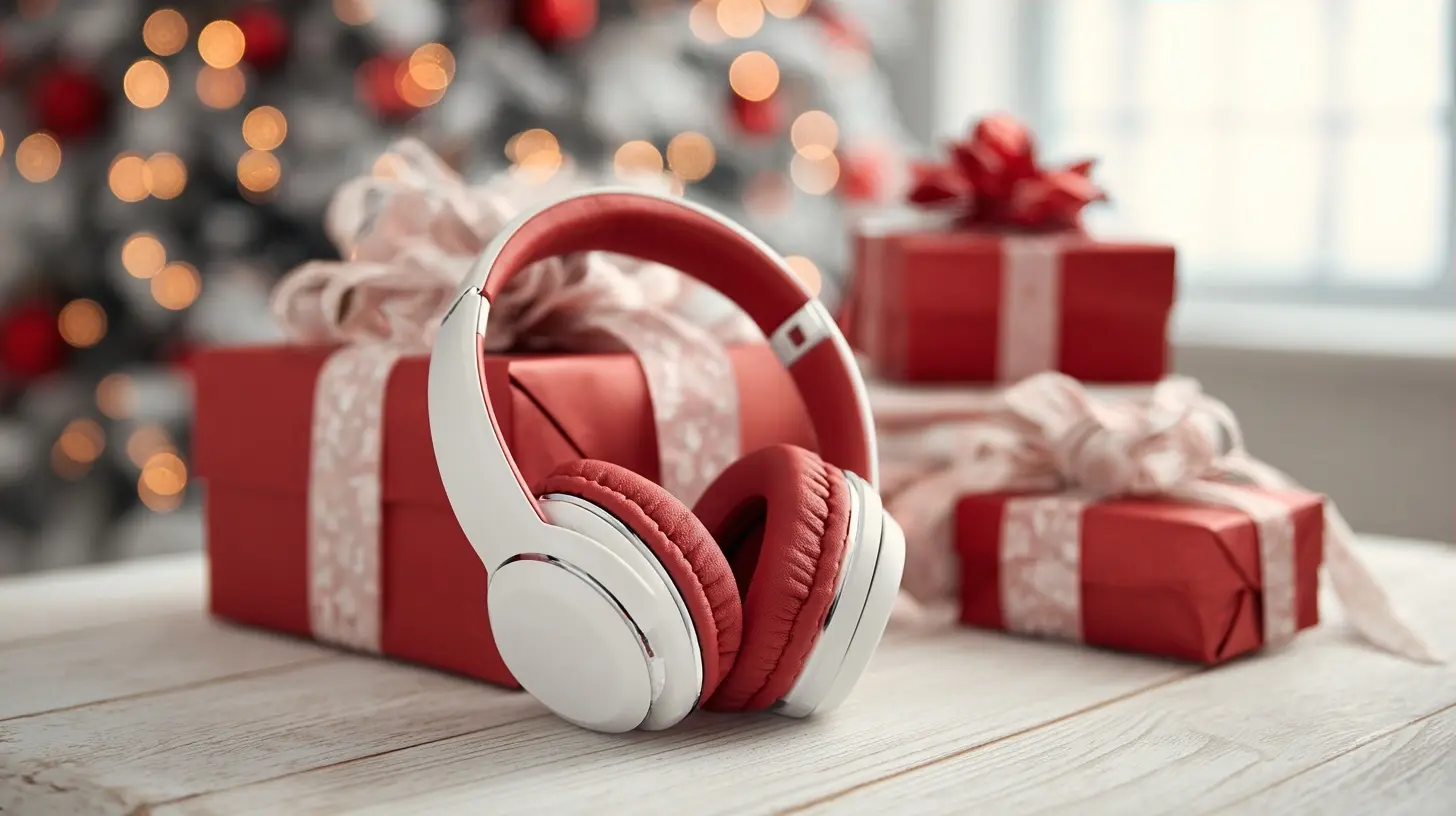
Smart Home: Powerful but Easy to Get Wrong
Smart home devices have become genuinely useful in the past few years, but they remain the category most likely to disappoint. The reason is almost always compatibility.Check the Ecosystem First
Before buying any smart device, determine which voice assistant and phone platform the recipient uses. A device built for one ecosystem may work partially or awkwardly with another. This is not a matter of brand loyalty. It is a matter of how much setup friction you are handing someone as a gift.If the recipient uses an iPhone and already has smart speakers or a smart display from the same brand, stay within that family. If they use Android and favor a different assistant, follow that instead. Mixed households exist and can work, but they require patience and sometimes third-party apps to bridge gaps.
Smart Speakers and Displays
A smart display is usually a better gift than a plain speaker because it adds a visual layer: recipes, video calls, security camera feeds, timers you can see from across the kitchen. The screen makes the device feel purposeful rather than like a novelty.Who benefits most: people who cook, people who video call family, people who want a bedside clock with more function.
Who should skip it: anyone who is uncomfortable with always-listening microphones. Respect that preference. It is reasonable, and there are excellent non-connected gifts to give instead.
Smart Lighting
Smart bulbs are an underrated gift because the payoff is immediate and the cost is low. A starter kit with a hub and two or three bulbs lets someone try automations without committing to a whole house.The misconception to avoid: assuming smart bulbs replace wall switches. They do not, and if someone turns off the physical switch, the bulb loses power and stops responding to app or voice commands. For renters and people who want simplicity, smart plugs that control lamps are often the smarter gift. They are cheaper, they work with any lamp, and they do not require changing fixtures.
Security Cameras and Video Doorbells
These are thoughtful gifts for homeowners, but they carry privacy and subscription considerations. Many cameras offer basic live viewing for free but charge monthly for recorded history. A gift that creates an ongoing bill is not fully a gift. Either choose a model with local storage, such as a microSD card or a base station, or be upfront that you are covering the first year of service.
Wearables: Fitness Trackers, Smartwatches, and Rings
Wearables sit in a strange place. They are personal, they touch the skin, and they collect intimate data. That makes them wonderful gifts for the right person and awkward ones for everyone else.Fitness Trackers and Smartwatches
The dividing line is simple. If the recipient already wears a watch they love, do not replace it. If they wear nothing on their wrist and have expressed interest in tracking steps, sleep, or workouts, a tracker is a strong gift.In 2027, the meaningful differences between brands come down to battery life and phone compatibility. Some watches last a week or more on a charge but pair best with Android phones. Others last a day or two and integrate seamlessly with iPhones. Match the watch to the phone, then match the style to the person. A rugged outdoor watch on someone who dresses formally will sit in a drawer.
Smart Rings
Smart rings have found a real audience among people who want sleep and recovery tracking without a screen on their wrist. They are subtle, comfortable overnight, and often more accurate for sleep than wrist devices because they sit on a finger with steadier blood flow.The catch is sizing. A ring must fit precisely, and sizes vary between brands. Never buy a smart ring as a surprise without confirming the size through the manufacturer's sizing kit. If that ruins the surprise, consider giving the sizing kit itself as a placeholder gift with a note about what is coming.
The Subscription Trap
Many wearables charge for detailed insights. The hardware may cost one price, but the features that make it interesting, like sleep coaching or recovery scores, often require a monthly fee. Before buying, check what works without a subscription. If the free tier is thin, factor the ongoing cost into your decision, or choose a brand that includes its core features outright.For the Home Office and Remote Worker
Remote and hybrid work is now standard for a large share of knowledge workers, and the right accessory can meaningfully improve someone's day. This is a category where practical gifts beat flashy ones.Monitors and Monitor Arms
A second monitor is one of the highest-value upgrades a laptop user can receive. It reduces window switching, eases eye strain, and makes multitasking feel less frantic. But monitors are bulky and hard to wrap, and the recipient may already have one.A monitor arm is the smarter gift in many cases. It frees desk space, allows height and angle adjustment, and costs far less than a new display. Just confirm the recipient's monitor is compatible with the mounting standard, which most modern displays are.
Keyboards and Mice
Peripherals are personal, but the ergonomic angle gives you a safe opening. A split keyboard or a vertical mouse can reduce wrist strain for someone who types all day. These are not impulse purchases for most people, which makes them excellent gifts. They are things the recipient wanted but never bought for themselves.Low-profile mechanical keyboards are a good middle ground. They offer a satisfying typing feel without the loud clatter that annoys roommates and coworkers on calls.
Desk Lighting and Cable Management
Do not overlook the unglamorous stuff. A quality desk lamp with adjustable color temperature helps during late work and reduces eye fatigue. A well-designed cable tray or under-desk organizer transforms a chaotic workspace into something calm. These gifts cost little, and they get used daily.
Tablets and E-Readers: Know the Difference
People often confuse these two, and the confusion leads to disappointing gifts.A tablet is a general-purpose device. It browses the web, runs apps, plays games, and can serve as a second screen. It is heavier, has a bright backlit display, and needs frequent charging.
An e-reader uses an electronic paper screen that reflects light rather than emitting it. It is easier on the eyes over long reading sessions, lasts weeks on a charge, and disappears in your hand in a way a tablet never does. It is also far worse at almost everything else.
Choose a tablet for someone who wants one device to do many things. Choose an e-reader for someone who reads a lot, especially before bed, and complains about screen glare or battery life. If they read on a phone already, an e-reader is a genuine upgrade. If they read occasionally, it will gather dust.
Gaming Gifts That Work Beyond Gamers
Gaming hardware has quietly become some of the most versatile tech you can give.A wireless controller now pairs with phones, tablets, and computers, not just consoles. It is a great gift for someone who plays mobile games, streams games, or wants a more comfortable way to play on a laptop.
A portable gaming handheld is another option, but this category moves fast. Hardware that is impressive this year may feel dated in two. If you go this route, buy from a brand with a track record of software updates and a healthy resale market, so the recipient is not stuck with an orphaned device.
Headsets deserve a mention too. A good gaming headset doubles as a general-purpose headset for calls and video meetings. Look for a model with a detachable or retractable microphone so it does not look odd during work hours.
Smartphones and Laptops: Handle With Care
Big-ticket devices are the riskiest gifts in tech. They are expensive, deeply personal, and often tied to carrier contracts, trade-in credits, and ecosystem lock-in.If you are considering a phone or laptop as a gift, ask directly. Surprise is overrated when the stakes are this high. A better approach is to offer to cover part of the cost and let the recipient choose the exact model. You get the joy of giving something meaningful. They get a device that fits their needs.
If you must choose yourself, prioritize battery life and storage over camera megapixels and processor benchmarks. Most people notice a dying battery and a full drive long before they notice a faster chip.
Accessories That Punch Above Their Price
Not every great gift needs to be expensive. Some of the most appreciated tech gifts are small, practical, and used constantly.A high-quality power bank with enough capacity to charge a phone two or three times is a reliable choice, especially for travelers. Look for one that supports fast charging and includes the right cable for the recipient's phone.
A multi-port charging brick replaces a tangle of adapters and turns any outlet into a charging station. It is the kind of gift people do not think to buy but use every single day.
A sturdy phone stand, a laptop sleeve with real padding, or a compact surge protector for travel all fit the same mold. They solve a specific problem, they cost little, and they earn their place in a bag.
Common Mistakes to Avoid
Even well-intentioned shoppers stumble in predictable ways. Here are the traps worth sidestepping.Buying for the person you wish they were. If someone has never expressed interest in fitness, a smartwatch will not convert them. If they do not cook, a smart display in the kitchen is decoration. Gift to the actual person.
Ignoring the subscription cost. A device that requires a monthly fee is a recurring obligation. Either choose hardware without mandatory subscriptions or offer to cover the first year.
Forgetting about compatibility. Check the phone platform, the charging port, and the ecosystem before you buy. A great product in the wrong environment becomes a frustrating one.
Overlooking setup burden. Some devices need an app, an account, and a firmware update before they do anything useful. If the recipient is not technical, choose something that works out of the box or offer to set it up with them.
Chasing specs over experience. A higher number on a box does not always mean a better daily experience. Comfort, battery life, and reliability matter more than benchmarks for most people.
How to Present a Tech Gift Well
The unboxing matters. Charge the device before you give it. Install any required app on your own phone first so you can walk the recipient through setup. Include a short note explaining why you chose it, especially if it solves a problem they mentioned months ago. That detail is what turns a gadget into a memory.If the gift requires a choice the recipient should make, such as a color, a size, or a fit, give a placeholder with a clear promise. A printed photo of the item with a note saying "we will pick the right one together" is more thoughtful than a wrong guess.
Final Thoughts
The best tech gift in 2027 is not the one with the most impressive spec sheet. It is the one that fits the person in front of you. Audio gear remains the safest category. Smart home devices reward research. Wearables work beautifully for the right wrist and poorly for the wrong one. Accessories deliver outsized value for modest budgets.Start with the person. Identify a real friction point in their day. Choose a device that solves it without adding a subscription, a compatibility headache, or a setup burden. Do that, and your gift will still be in use long after the holidays are forgotten.
all images in this post were generated using AI tools
Category:
Tech AccessoriesAuthor:

Jerry Graham