How VR is Being Used to Help People Overcome Phobias
8 May 2026
Phobias can be debilitating, keeping people from living their lives to the fullest. Whether it's the fear of heights, flying, spiders, or public speaking, these anxieties can hold individuals back. But what if there was a way to face fears in a safe and controlled environment? Enter Virtual Reality (VR)—a groundbreaking tool that's changing the way we tackle phobias.
VR technology is no longer just for gaming—it’s proving to be a game-changer in the field of mental health. In this article, we'll dive into how VR is being used to help people overcome phobias, why it works, and what the future holds for this innovative therapy. 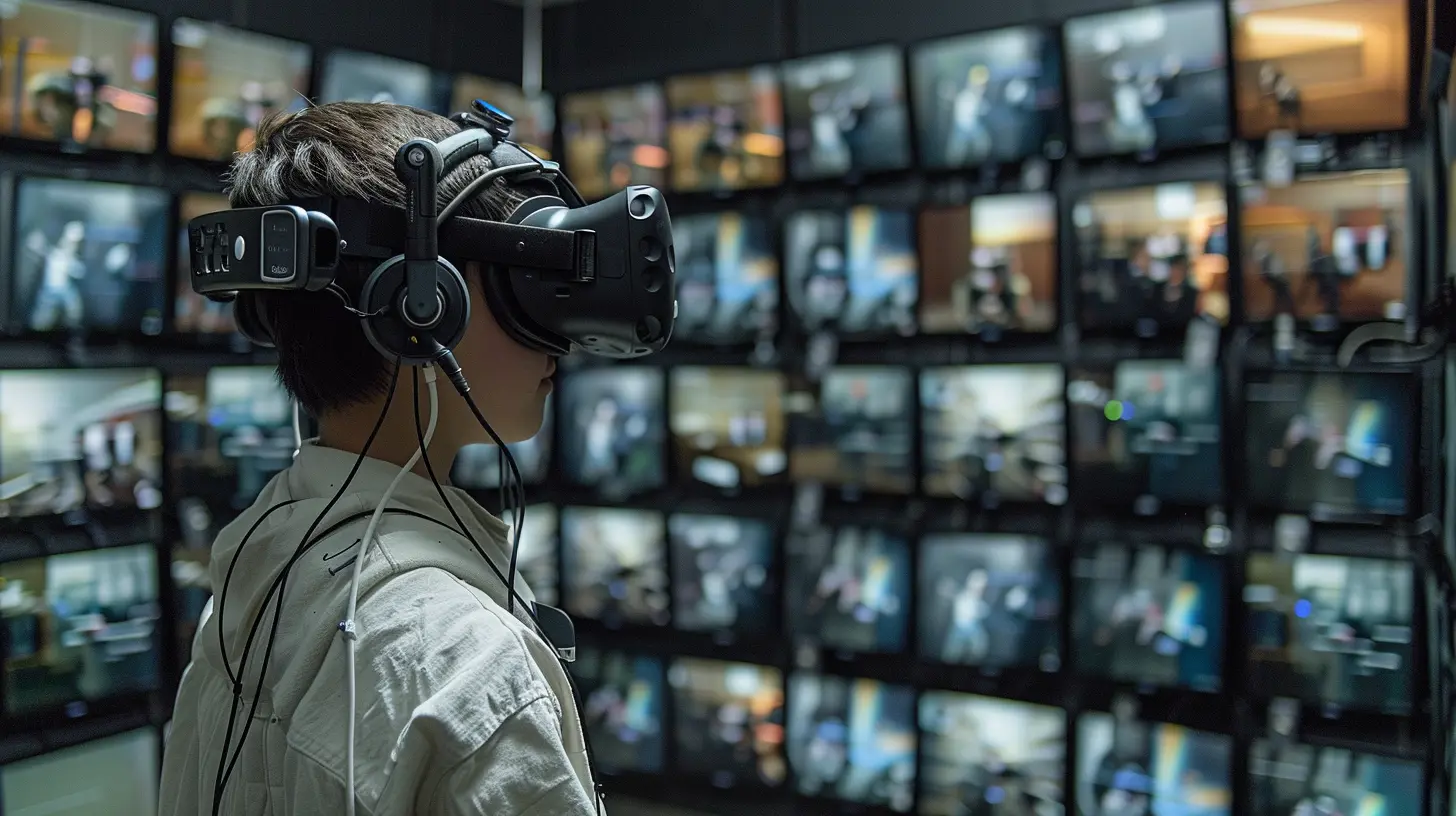
Understanding Phobias
Before we delve into VR therapy, let's first understand what phobias actually are.A phobia is an intense, irrational fear of something that poses little or no real danger. Unlike general fears, phobias can cause extreme distress and even lead to avoidance behavior. Some common phobias include:
- Acrophobia (fear of heights)
- Arachnophobia (fear of spiders)
- Claustrophobia (fear of confined spaces)
- Aerophobia (fear of flying)
- Glossophobia (fear of public speaking)
For many individuals, traditional treatments such as cognitive-behavioral therapy (CBT) and exposure therapy have been effective, but they can also be daunting. This is where VR steps in to revolutionize treatment. 
How VR Therapy Works
Virtual Reality Exposure Therapy (VRET) is a modern take on exposure therapy, a well-established treatment method. The idea is simple yet powerful—gradually exposing individuals to their fears in a virtual setting, allowing them to confront anxieties in a controlled and safe environment.1. Safe and Controlled Exposure
One of the biggest advantages of VR therapy is that patients can confront their fears without facing real-world consequences. Afraid of flying? Instead of immediately booking a flight, you can put on a VR headset and experience a simulated flight scenario. This helps desensitize fear responses gradually.2. Customizable Experiences
Traditional exposure therapy often depends on creating real-world scenarios that may not always be practical. VR, on the other hand, allows therapists to customize experiences based on individual needs. Whether it’s standing on a virtual glass bridge or handling a (virtual) tarantula, VR can simulate any fear-inducing scenario with incredible realism.3. Real-Time Guidance from Therapists
During VR therapy sessions, therapists can monitor a patient’s reactions in real-time. They can adjust scenarios, provide reassurance, and guide patients through relaxation techniques, making the process more effective.4. Repeated Exposure, Anytime
Unlike real-world exposure, which can be expensive or logistically difficult, VR therapy allows for repeated exposure sessions at any time. The more frequently an individual faces their fear in a simulated environment, the more desensitized they become.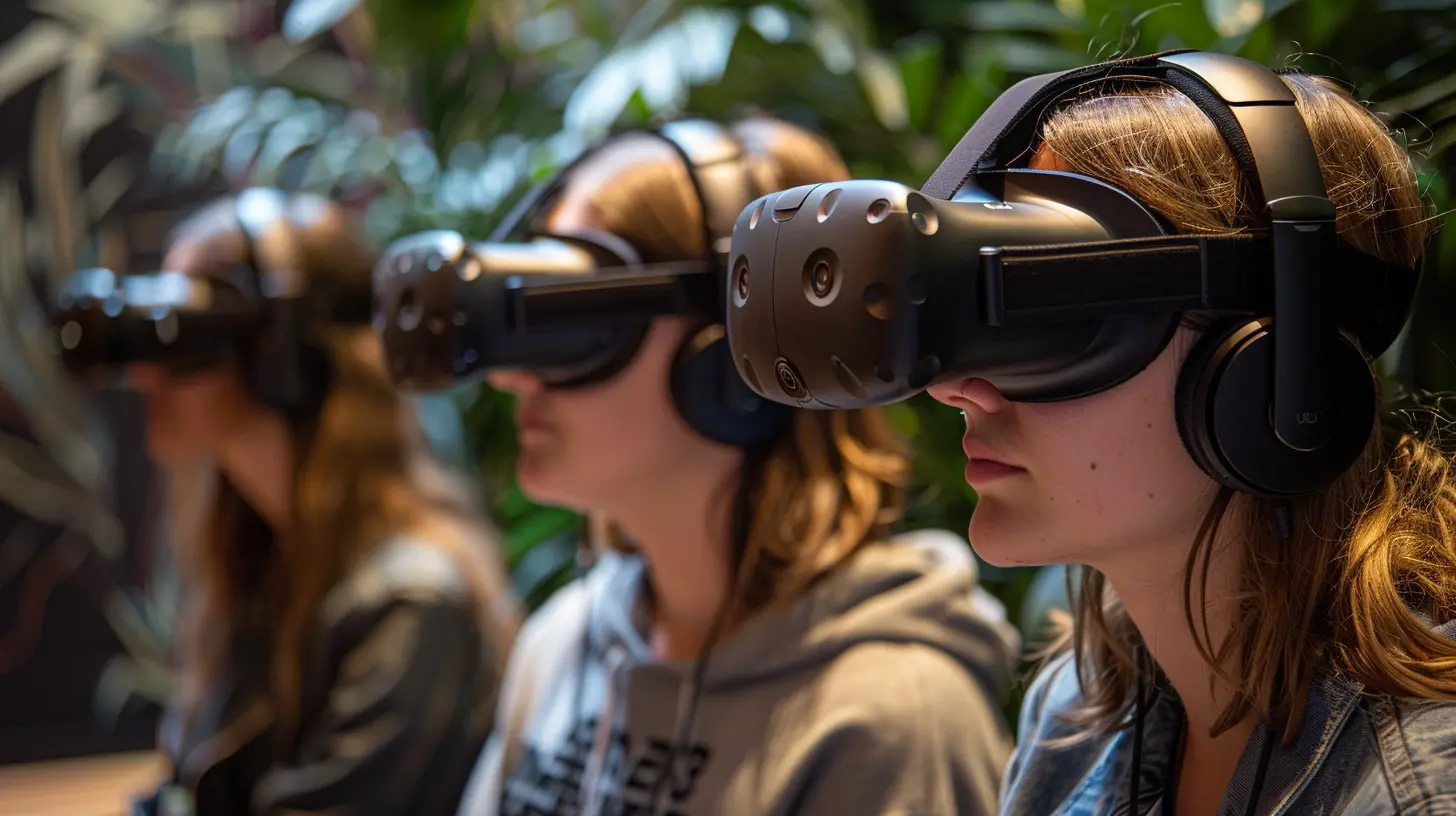
Why VR Therapy Works
You might be wondering—why does VR therapy work so well for overcoming phobias? The answer lies in how the brain processes fear.It Tricks the Brain
VR is designed to be immersive, engaging multiple senses at once. Even though a person knows they are inside a virtual simulation, their brain reacts as if the experience is real. This is a psychological phenomenon called presence, which makes VR a remarkably effective therapeutic tool.It Reduces Avoidance Behavior
One of the biggest challenges with phobias is that people will go to great lengths to avoid what they fear. VR therapy helps break this cycle by encouraging individuals to face their anxieties in a controlled environment. Over time, this repeated exposure weakens the fear response.It Can Be Gradual and Adaptive
VR therapy allows for a step-by-step approach to facing fears. Someone with a fear of heights might start by standing on a virtual balcony before progressing to a virtual skyscraper. This gradual exposure helps build confidence and reduces fear over time.
Real-Life Applications of VR Therapy
Now, let’s take a look at how VR therapy is being used to help people with specific phobias.Fear of Heights (Acrophobia)
One of the most common phobias, acrophobia, can be effectively treated with VR. Patients can start small—standing on a virtual step stool—before progressing to higher and more challenging environments like bridges or skyscrapers.Fear of Flying (Aerophobia)
For those who dread air travel, VR can simulate boarding a plane, experiencing turbulence, or sitting through an entire flight. This repeated exposure helps travelers feel more comfortable before they take an actual flight.Fear of Spiders (Arachnophobia)
With VR, patients can begin with mild exposures, such as looking at a virtual spider from a distance. As they become more comfortable, they can progress to interacting with or even "holding" a virtual spider, all without the real-world risks.Fear of Public Speaking (Glossophobia)
Public speaking anxiety is incredibly common, but VR provides a solution. By simulating a virtual audience, individuals can practice speeches, receive feedback, and become more confident in their public speaking abilities.Fear of Medical Procedures (Trypanophobia)
Some people experience extreme anxiety at the thought of injections or medical procedures. VR therapy helps by gradually exposing individuals to virtual medical environments, reducing anxiety when facing the real thing.The Future of VR in Phobia Treatment
As VR technology continues to evolve, its applications in mental health will only expand. Future advancements could include:- More Realistic Simulations – Improved graphics and haptic feedback could enhance the realism of VR, making it an even more effective treatment tool.
- AI-Driven Therapy – Artificial intelligence could personalize therapy sessions, adapting scenarios in real time based on a patient’s progress.
- Wider Accessibility – As VR headsets become more affordable, more people may gain access to therapy from the comfort of their own homes.
VR is proving to be a revolutionary tool in mental health, offering people a safe, effective, and life-changing way to overcome their deepest fears.
Final Thoughts
Phobias can feel overwhelming, but they don’t have to control your life. Thanks to the power of Virtual Reality, people are finding new ways to confront their fears in a safe and effective manner. Whether you struggle with heights, public speaking, flying, or something else, VR therapy offers a promising solution.Could VR be the future of phobia treatment? With technology advancing at a rapid pace, it certainly seems like we’re heading in that direction. So, if you're looking to conquer your fears without jumping straight into the deep end, VR therapy might be worth considering!
all images in this post were generated using AI tools
Category:
Virtual RealityAuthor:

Jerry Graham
Discussion
rate this article
2 comments
Bennett McSweeney
Incredible to see technology like VR making real strides in helping people conquer their fears!
June 13, 2026 at 2:28 AM
Jerry Graham
Thanks for your feedback! It's exciting to see how VR is changing lives.
Farrah Cantu
This article highlights a fascinating intersection of technology and psychology. By immersing individuals in controlled environments, VR provides a safe space to confront fears. This innovative approach not only promotes healing but also reshapes our understanding of treatment methodologies for phobias.
May 14, 2026 at 12:37 PM
Jerry Graham
Thank you for your insightful comment! I'm glad you found the intersection of technology and psychology intriguing. VR truly is changing the way we approach treatment for phobias.