How Virtual Reality is Revolutionizing the World of Online Collaboration
4 May 2026
Let’s face it—collaborating online hasn’t always been the smoothest ride. You’ve got frozen video calls, misread Slack messages, and let’s not forget the awkward “You’re on mute” moments. But guess what? There’s a new player in town, and it’s completely shaking up the way we work together. Yep, we’re talking about Virtual Reality (VR).
VR has gone way beyond gaming and is making a massive splash in the professional world. It's turning those flat, lifeless Zoom meetings into dynamic, interactive, and downright fun experiences. Imagine sitting in a virtual boardroom with your colleagues from across the globe or brainstorming ideas on a virtual whiteboard that everyone can interact with in real-time. Sounds like sci-fi? Not anymore!
In this article, we’re diving deep into how VR is revolutionizing online collaboration—sprinkling in some mind-blowing examples and a whole lot of optimism for what the future holds. So grab your virtual headset—or just a comfy seat—and let’s get into it.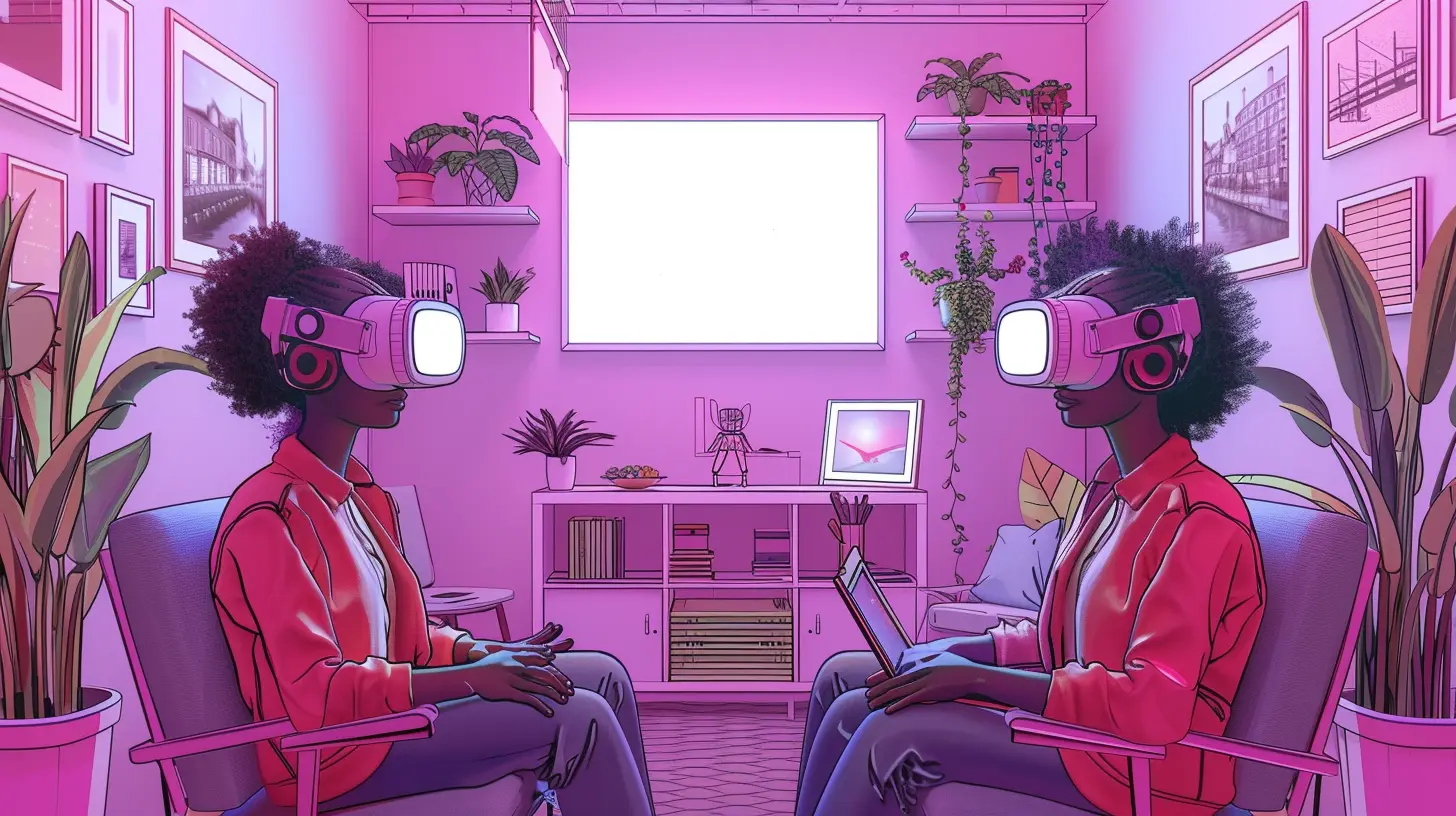
What’s the Big Deal With VR Anyway?
Alright, let’s start from the top. Virtual Reality is a computer-generated environment that simulates physical presence in real or imagined worlds. You strap on a headset and bam— you’re in a 360-degree, immersive digital space. You can look around, move your hands (thanks to controllers or gloves), and interact with virtual objects and people like they're right in front of you.So why is this such a game-changer for teamwork? Because it brings back the human element that gets lost in traditional online communication. It’s the difference between reading a postcard and actually visiting the place.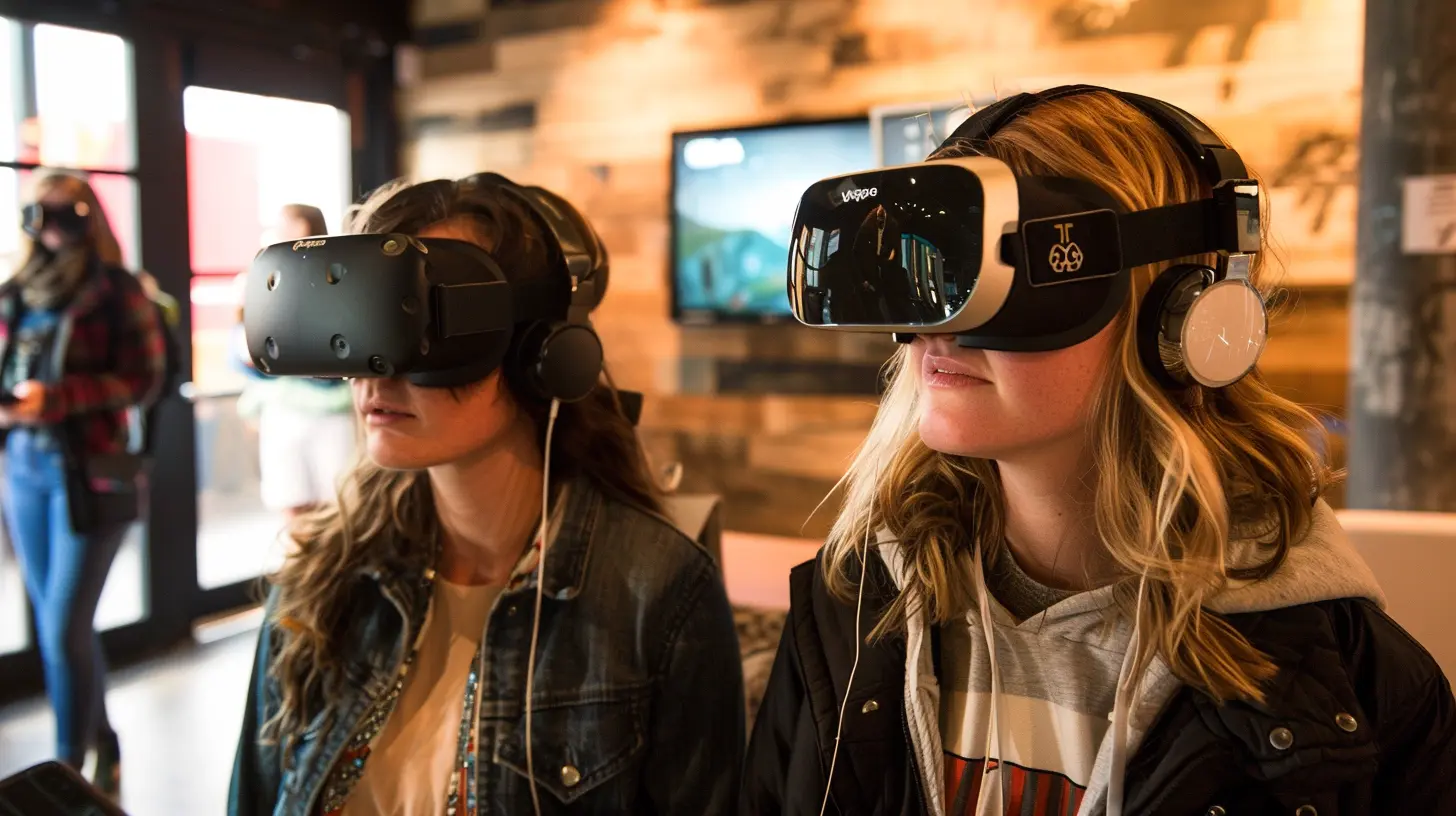
The Problem With Traditional Online Meetings
Don’t get me wrong—Zoom and Microsoft Teams have been lifesavers. But they have major limitations:- Lack of presence: You're looking at faces in boxes, not feelings or true engagement.
- Zoom fatigue: You’re drained after endless back-to-back calls.
- Limited interactivity: Drawing on a whiteboard? Sharing your screen? It’s not exactly seamless.
- Miscommunication: Tone and body language are often misinterpreted or completely missed.
That’s where VR swoops in like a superhero in a headset.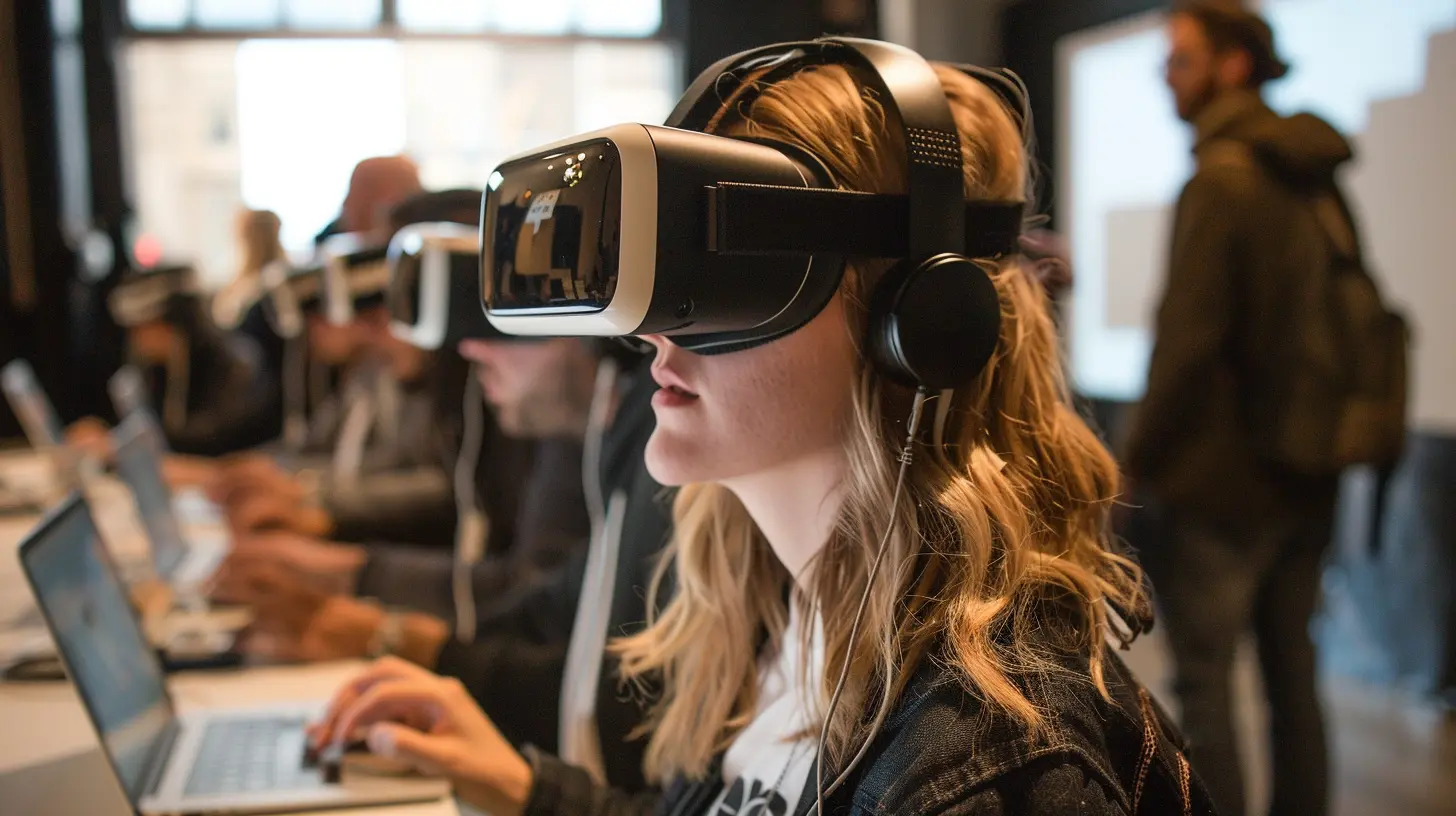
Enter VR: The New Frontier of Collaboration
When you step into a VR meeting, you’re not just in a call—you’re in a shared virtual space. You see your colleagues as avatars, you speak in spatial audio (where voices come from specific directions), and you gesture, move, and interact naturally. It's like teleportation—without the jet lag!Think of it like this: traditional video calls are like reading a script over the phone, while VR is like acting in a play on stage. It just feels more real.
1. Real-Time Interaction With a Human Touch
One of the biggest perks of VR is how human it feels. Avatars can mimic your gestures and movements, so you’re not just a floating head anymore. You can high-five, pass virtual objects, or scribble on a 3D whiteboard while discussing ideas.You know that magic of brainstorming in person? VR brings that spark back.
2. Virtual Workspaces That Feel Like Home
Say goodbye to staring at 2D documents all day. In VR, workspaces are fully customizable, interactive, and energizing. Think floating dashboards, roomy 3D presentation areas, and environments like rooftops, libraries, even outer space—choose your vibe!Plus, you can segment spaces for different tasks. Need a focus room? Boom. Want a group chat area? Done. It’s like building your dream office with zero rent costs.
3. Breaking Down Geographic Barriers
Working with a team spread across different cities—or even continents? No problem. VR makes it feel like you’re all sitting in the same room, sipping coffee and bouncing ideas around. It eliminates time zone fatigue, travel expenses, and that feeling of detachment.It’s like having your team in your pocket, but way cooler.
4. Enhanced Training and Onboarding
You can’t talk VR without mentioning how it’s flipping training and onboarding on its head. New hires don’t just read manuals—they walk through realistic simulations. Whether it's operating machinery, learning soft skills, or customer service practice, VR offers hands-on experiences without real-world risks.Picture learning how to fly a plane—not through slides, but by actually sitting in a virtual cockpit. That’s the power of VR.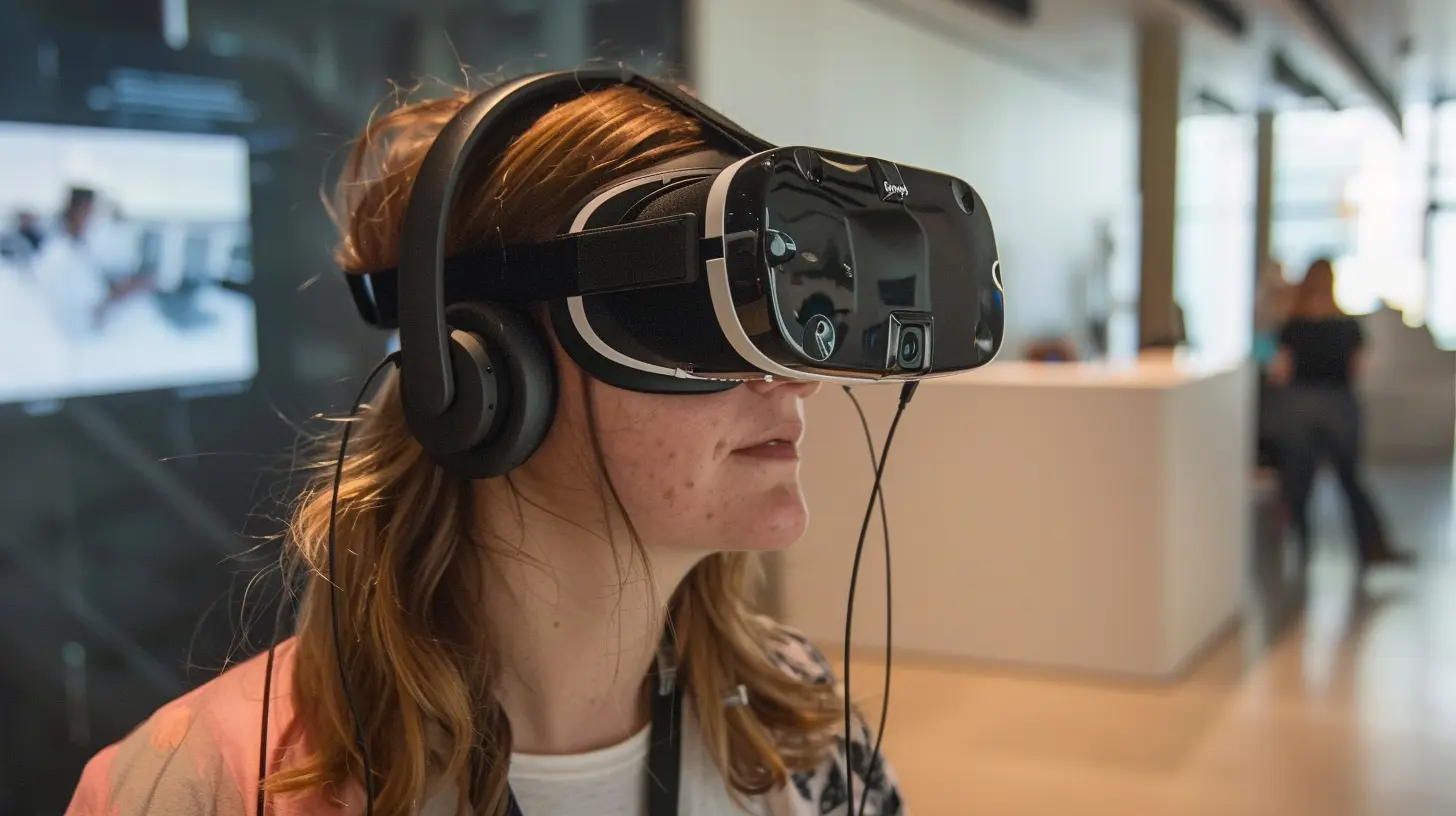
Industry Applications: Who’s Using VR to Collaborate?
You might be wondering—okay, this sounds awesome, but is anyone actually doing it? Oh yes, and it’s catching on fast.Tech Giants Are All In
Companies like Meta, Google, and Microsoft are investing billions into virtual workspaces. Meta’s Horizon Workrooms, for instance, offers full-fledged remote collaboration hubs with whiteboards, note-taking tools, and more.Microsoft’s Mesh for Teams integrates VR features directly into your usual workflow, making the transition easier for traditional teams.
Education Goes Virtual
Universities and schools are using VR to host virtual classrooms, lab simulations, and student meetups. It transforms remote learning from boring screens to engaging environments. Students can take virtual field trips, perform science experiments, or even build 3D models—all in real-time collaboration with peers.Design & Architecture Take It Up a Notch
Architects and designers are loving VR for its ability to showcase 3D models collaboratively. Teams can walk through a blueprint, tweak designs on the fly, and make better decisions—without waiting weeks for revisions.Remote Healthcare Teams
Medical professionals use VR to collaborate on diagnoses, surgical planning, or training simulations. It supports better coordination between global specialists and faster, more informed care.Challenges? Sure. But They’re Being Tackled Fast
Now, let’s keep it real—VR isn’t all rainbows and unicorns just yet. There are a few bumps on the road:- Cost of equipment: Headsets and VR-ready tech aren’t cheap (yet).
- Learning curve: Getting used to the interface can take a hot minute.
- Physical fatigue: Long sessions can be tiring, especially for newbies.
But hey, so was Zoom when it first came out! The good news? These challenges are being addressed with:
- Affordable headsets (like Meta’s Quest series)
- User-friendly software interfaces
- Shorter and smarter VR sessions to reduce fatigue
Give it a couple of years, and these issues will feel like ancient history.
The Future of Online Collaboration is (Virtually) Here
We’re standing on the edge of a thrilling new era where distance doesn’t mean disconnection. With VR, working from home doesn’t mean being alone, and collaborating doesn’t mean compromising.Think about the possibilities:
- Global hackathons in 3D environments
- Team-building games that are fun, not forced
- Customer presentations that wow clients with interactive experiences
- Virtual museums, showrooms, or offices open 24/7
The world isn’t just getting smaller—it’s getting more connected, creative, and collaborative. And VR is the rocket fuel making it happen.
Why Your Team Should Start Exploring VR Today
If you’re still on the fence about adopting VR for your team, here’s a little nudge:- It boosts engagement and morale
- It encourages creativity and innovation
- It brings back the 'wow' factor in remote work
- It future-proofs your workflows
You don’t need to dive in head-first—just start small. Try out a free VR meeting app. Test a virtual whiteboard. Play around with it. Once you experience it, you’ll wonder how you ever did remote work without it.
Final Thoughts
Virtual Reality isn’t coming. It’s already here—and it’s transforming how we collaborate, communicate, and connect. In a world craving deeper human interaction and smarter digital tools, VR bridges that gap beautifully.It’s no longer about just working from anywhere—it’s about feeling like you’re really there, without ever leaving your living room. Mind. Blown.
So, whether you’re a startup founder, team leader, freelancer, or part of a global corporation, keep your eyes on VR. Because the way we work together has changed for good—and honestly, it’s never been more exciting.
all images in this post were generated using AI tools
Category:
Virtual RealityAuthor:

Jerry Graham
Discussion
rate this article
2 comments
Lumen Henderson
Virtual reality is changing how we collaborate online for the better.
June 10, 2026 at 10:28 AM
Jerry Graham
I completely agree. Virtual reality is opening up new possibilities for teamwork and connection that we never imagined possible.
Keira Yates
This is such an exciting topic! Virtual reality really has the potential to change how we connect and collaborate online. I can't wait to see how teams across the globe will benefit from these innovative tools...
May 5, 2026 at 11:04 AM
Jerry Graham
I share your excitement! Virtual reality is set to transform collaboration in amazing ways. It will be fascinating to watch these developments unfold.