How Virtual Reality is Revolutionizing the Automotive Industry
13 May 2026
The car industry is zooming ahead faster than ever, and no, it's not just because of electric vehicles or AI. One game-changing technology that's taking the wheel is Virtual Reality (VR). Yep, those futuristic headsets people once used just for gaming are now transforming how cars are designed, tested, sold, and even driven. It’s not just flashy tech—it’s redefining the whole auto game from blueprint to showroom.
So buckle up—we’re diving deep into how VR is shaking up the automotive world in some seriously jaw-dropping ways.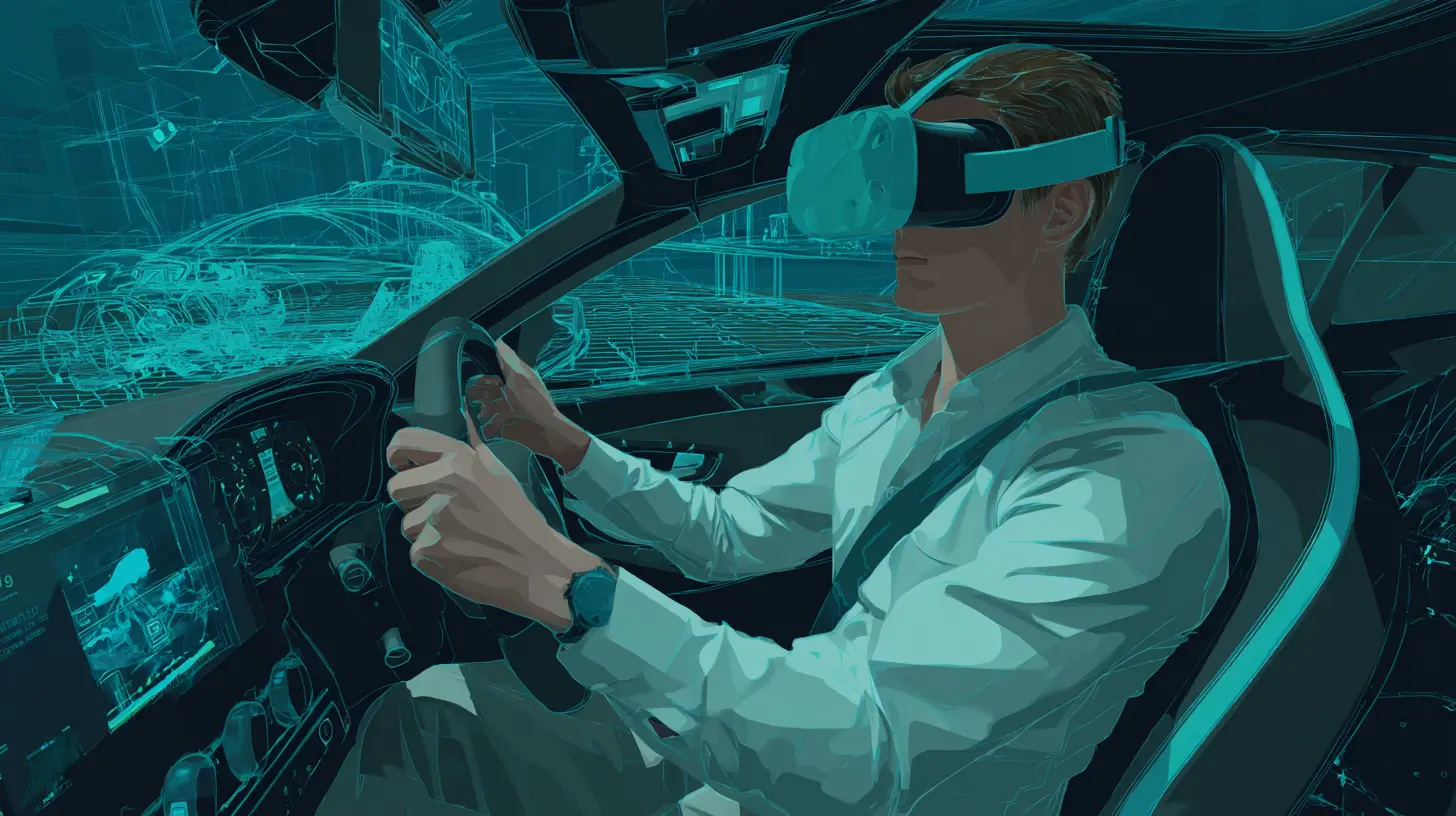
What Is Virtual Reality Anyway?
Before we hit the gas, let's make sure we're all on the same road. Virtual Reality (VR) is a simulated experience that can be similar to or completely different from the real world. You wear a headset (like the Oculus Rift or HTC Vive) and BOOM—you’re transported into a digital environment.But this isn't just about pretending you're on Mars or punching boxers in a video game. VR's immersive capabilities are exactly what make it such a perfect fit for the automotive industry.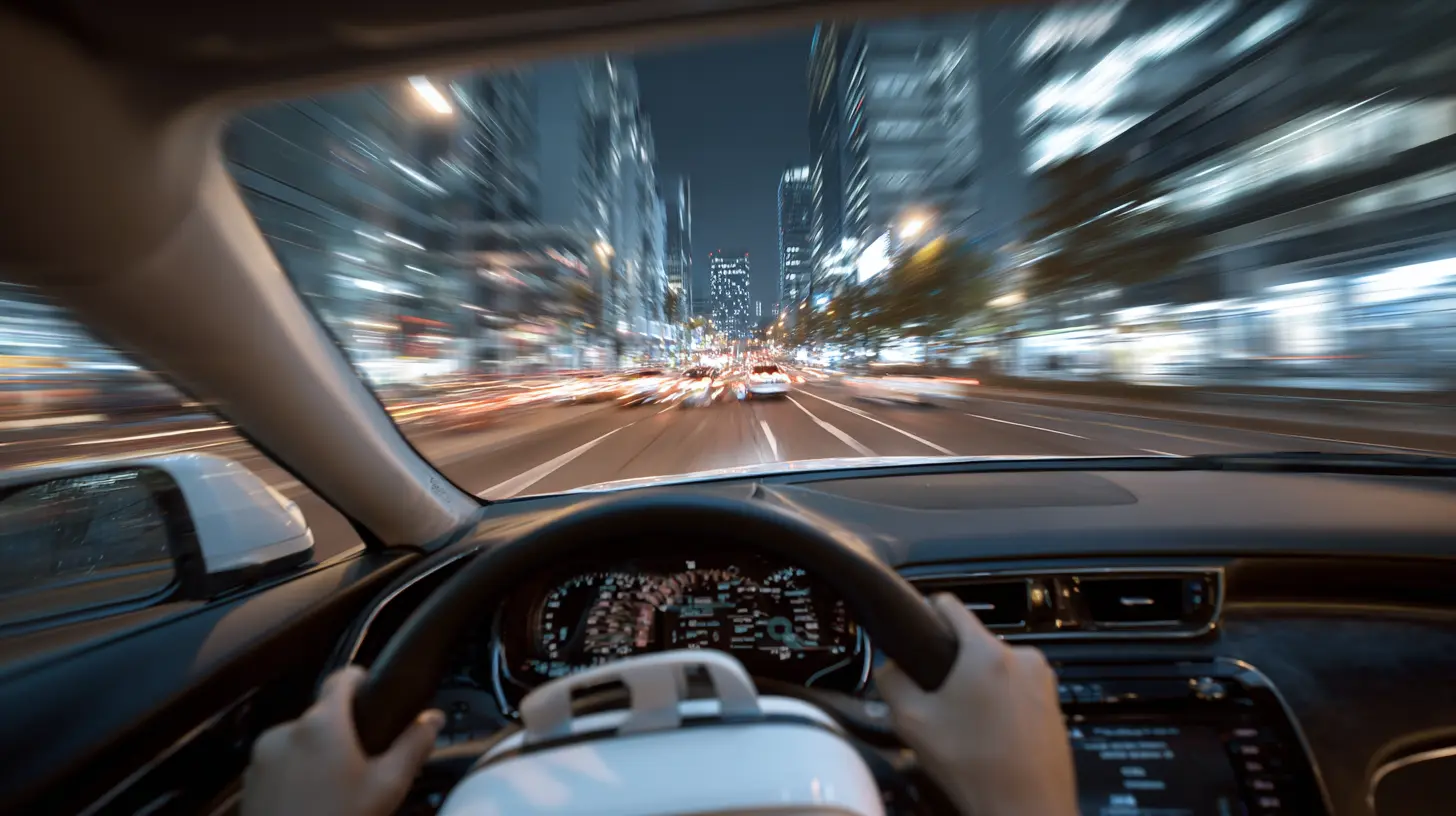
Virtual Prototyping: Bye-Bye Clay Models
Remember when car manufacturers used to build full-size clay models to design cars? Incredibly detailed, sure—but also crazy expensive and time-consuming. VR has flipped this model on its head.Now, designers and engineers can walk around (and inside) a virtual car prototype without even touching a lump of clay. Using VR, they can tweak designs in real-time, from the shape of headlights to the feel of the interior. It’s like Photoshopping a real car while standing inside it.
Benefits of VR Prototyping:
- Cuts weeks or months off the design process- Saves millions in physical model expenses
- Makes collaboration seamless, even from different continents
- Allows immediate feedback and rapid revisions
Designing a car feels more like sculpting in mid-air now, and it's changing how fast companies can innovate.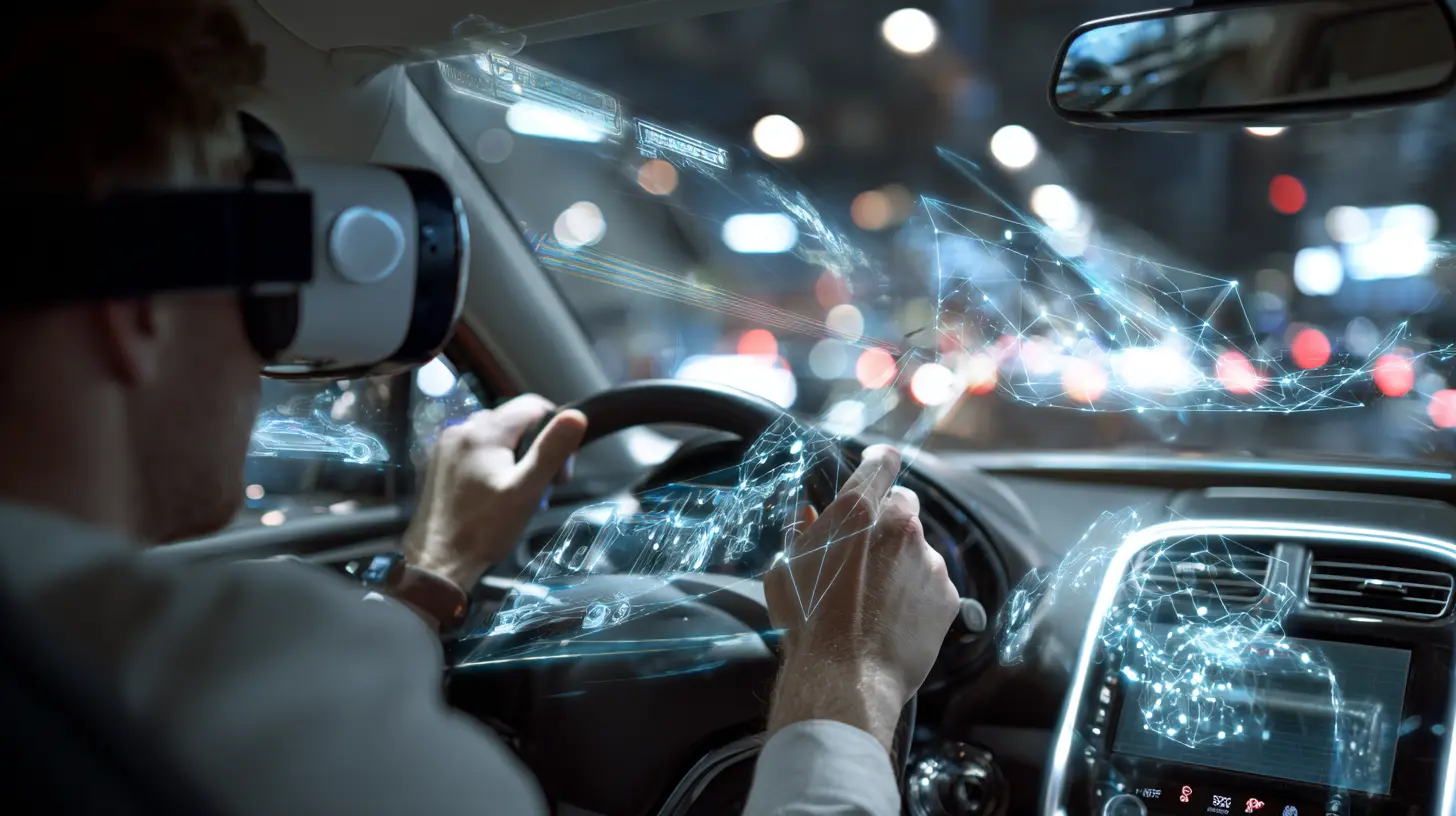
Enhanced Vehicle Testing: Driving Before It Exists
Testing a car's performance before it's even built sounds like sci-fi, right? But with VR, engineers can simulate a car’s behavior under different conditions—rain, snow, extreme heat, or even a high-speed collision.Imagine test-driving a concept car at 200 mph on a virtual track to evaluate aerodynamics and handling, without burning fuel or risking lives. That’s not just cool—it’s cost-efficient and super safe.
VR Testing Helps With:
- Crash simulations and safety features- Simulated road tests to optimize performance
- Identifying flaws early in the process
- Reducing environmental impacts of physical tests
It’s like having a crystal ball for your car's performance—before it’s even real.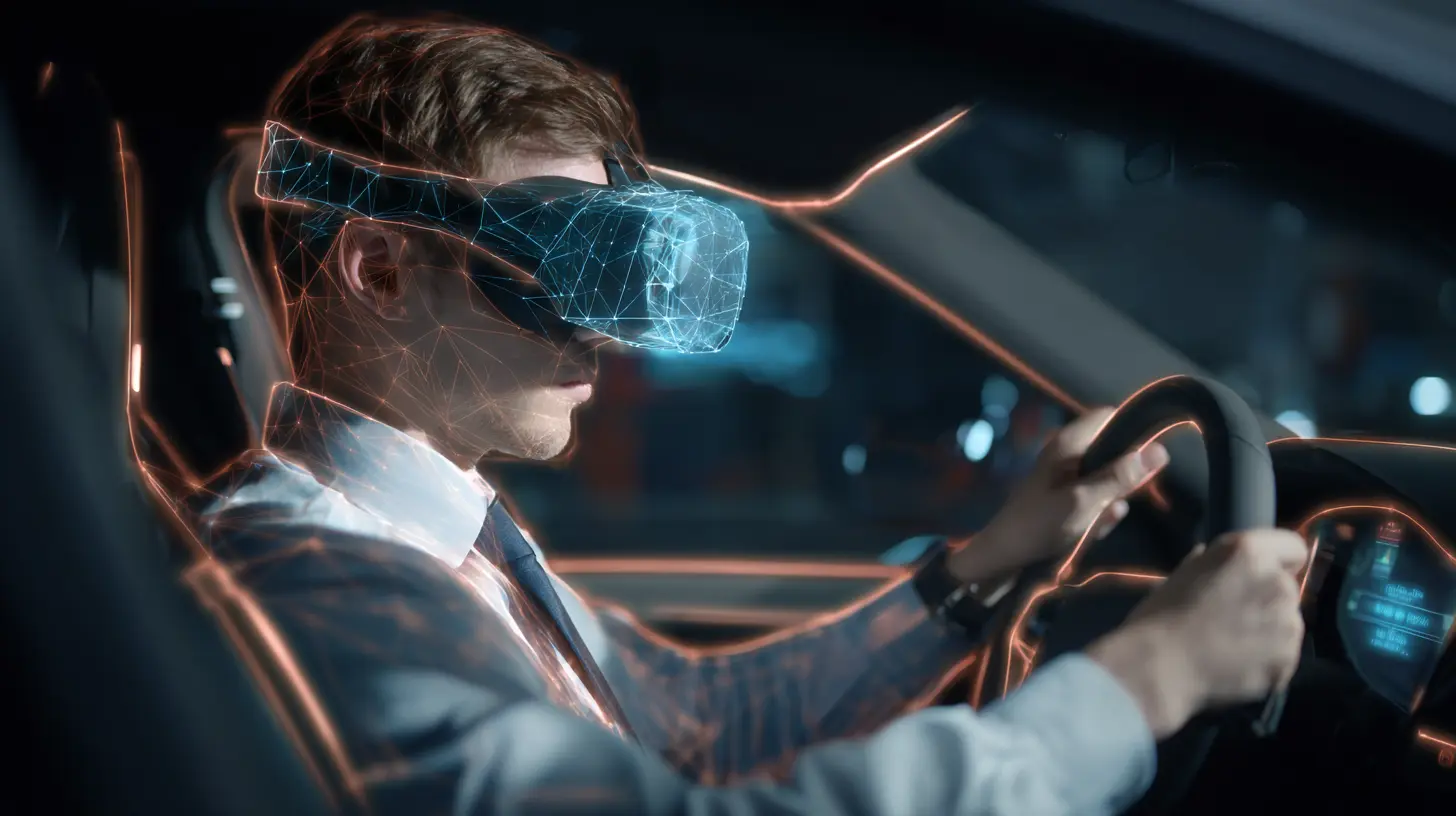
Transforming the Car Buying Experience
Here’s where things get personal. Ever tried buying a car online? It’s clunky. Sure, pictures and videos help—but they don’t give you the feel of sitting in the driver’s seat or checking out the trunk space.That's where VR steps in.
Car dealerships are now offering virtual showrooms where you can customize, explore, and even “test drive” vehicles from your living room. Want to see what your future ride looks like in midnight blue with leather seats and a sunroof? Pop on a headset and take a spin.
How VR is Enhancing Shopping:
- Virtual test drives offer realistic previews- Customers can explore features and customizations interactively
- Reduces pressure from sales reps by letting you browse solo
- Makes online car buying a more immersive experience
Think of it as window shopping—if the window was a portal to a car you could actually walk through.
VR in Manufacturing: Precision Meets Efficiency
You might think VR is only for design and sales, but it’s making a huge splash on the factory floor, too.Workers and engineers are using virtual reality to train more effectively and avoid costly mistakes. Need to learn how to assemble the engine block? Strap on a VR headset and practice in a risk-free environment. It’s like having a cheat code to real-world training.
Advantages in the Manufacturing Process:
- Train employees without using actual materials- Simulate assembly lines to spot inefficiencies
- Reduce injuries and errors
- Get new workers trained faster and more effectively
It’s hands-on training without the actual hands-on risk.
Helping Auto Giants Collaborate Across The Globe
Picture this: a designer in Germany and an engineer in Japan working on the same car model at the same time... from thousands of miles apart. Sounds impossible?Not with VR.
Companies are now creating shared virtual environments where teams around the world can meet, brainstorm, and test features—all in real time. It’s basically Zoom on steroids, tailored specifically for car development.
Benefits of Global VR Collaboration:
- Cuts down on travel costs and delays- Promotes real-time design adjustments
- Speeds up decision-making
- Encourages creative problem solving across borders
Distance isn't a barrier anymore—it's just a timezone.
Revolutionizing Employee Training
Let’s face it—training can be boring, repetitive, and not super effective. But throw VR into the mix and suddenly, you’re inside a 3D interactive module where you’re learning by doing.Whether it’s customer service reps learning how to handle complex questions, or mechanics understanding new EV components, VR makes learning engaging. Plus, making mistakes in virtual reality doesn’t mean damaging a $100,000 car.
VR Training Perks:
- Higher retention rates compared to traditional training- Safe, repeatable learning environments
- Saves time and money on training materials
- Gamified experiences boost engagement
Who knew learning could actually be... fun?
VR and Augmented Reality: The Dynamic Duo
Quick side note—while VR creates a whole new world, AR (Augmented Reality) adds digital elements to your actual environment. And when you combine both? Pure magic.For example, some auto companies are using AR-enhanced VR to provide mechanics with real-time instructions as they work on cars. Or they overlay safety instructions over real vehicles during training.
It’s like having a virtual expert standing next to you, pointing out what to do—without saying a word.
The Future Is Already Here
So where is all this heading? Well, companies like BMW, Audi, Ford, and Tesla are already knee-deep in VR integration. They’re using it in everything from concept phases to customer engagement.Even startups are jumping in, offering VR solutions tailored to autonomous driving, advanced AI integration, and predictive maintenance.
And as VR hardware becomes more affordable, expect to see even mid-sized car brands jumping on the bandwagon. It’s not a trend—it’s a transformation.
Challenges? Yeah, But Nothing Major
Of course, no tech is perfect. VR still comes with headaches (sometimes literally). Some users experience motion sickness, and the initial setup cost can be steep. Plus, creating hyper-realistic VR environments can be time-consuming.But honestly? The pros far outweigh the cons. Most of these problems are already being tackled with better hardware, faster processors, and smarter software.
Final Lap: Why VR Is No Longer Just a Buzzword
Virtual Reality has gone from being a nerdy gimmick to a high-octane tool that's reshaping everything from design desks to dealership floors. It’s making the car industry smarter, faster, safer, and way more engaging.And what’s wild? We’re just scratching the surface.
So next time you think VR is just for gamers, remember—it might be designing your next car, training the person who builds it, and even helping you choose it from your couch.
Now that’s what I call driving innovation.
all images in this post were generated using AI tools
Category:
Virtual RealityAuthor:

Jerry Graham
Discussion
rate this article
2 comments
Carla Hayes
Wow, what an exciting time for the automotive world! Virtual reality is opening up a whole new dimension for car design and experience. Can't wait to see how this tech transforms our driving adventures. Buckle up, everyone... the future looks bright!
July 10, 2026 at 12:49 PM
Jerry Graham
Thanks for your enthusiasm! It's incredible to see how virtual reality is shaping the future of automotive design and experiences. Exciting times ahead!
Alana Jenkins
Virtual reality is transforming automotive design and customer experience.
May 16, 2026 at 12:14 PM
Jerry Graham
I completely agree. Virtual reality is a game changer, allowing for innovative designs and immersive customer interactions that reshape the automotive landscape.