How Smart Grids Are Enhancing Renewable Energy Distribution
18 May 2026
Let’s be real — we’re living in a time where our planet is shouting for help. Climate change, fossil fuel dependency, and rising energy demands are like waves crashing against a dam that’s ready to burst. But there's hope, and it doesn’t just come from switching to solar panels or wind farms. It comes from the way we manage and distribute that energy. Enter smart grids — the high-tech superheroes quietly transforming how we power our lives.
In this feel-good dive into the future, we're going to break down how smart grids are enhancing renewable energy distribution. Expect lightbulb moments, exciting innovations, and a glimpse into a cleaner, smarter future.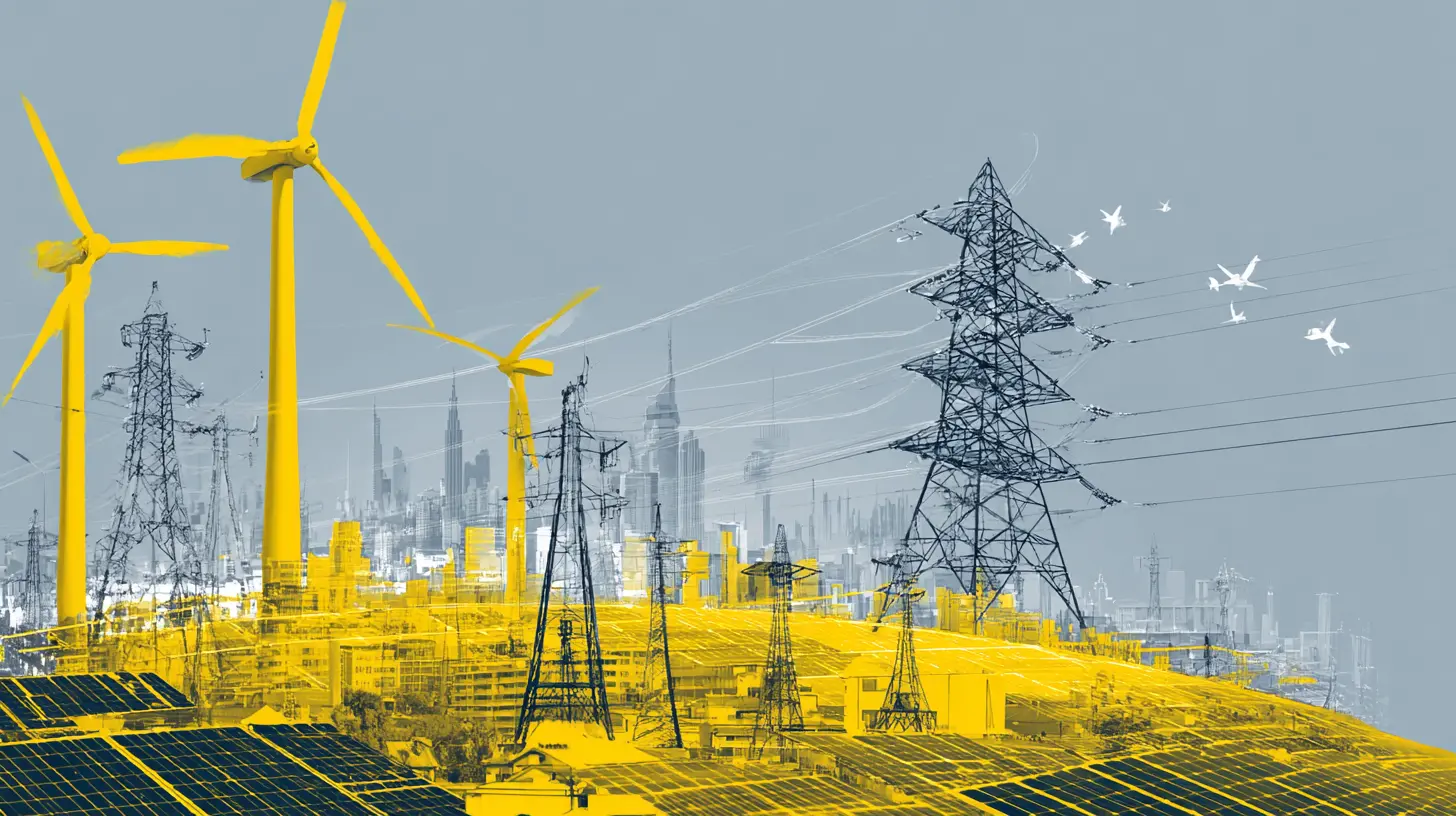
What Exactly Is a Smart Grid (And Why Should You Care)?
Imagine the old power grid as a one-way street. Energy flows from the power plant, down the line, into your home, and that’s it. It’s rigid, outdated, and not built for handling the unpredictable nature of renewable energy from the sun or wind.Now, flip that image on its head. A smart grid is a dynamic, two-way conversation between energy producers and consumers. Think of it as a living, breathing, intelligent network that responds instantly to what's happening with energy supply and demand.
Why should you care? Because smart grids are the secret sauce that makes it possible to use more green energy without blowing a fuse — literally.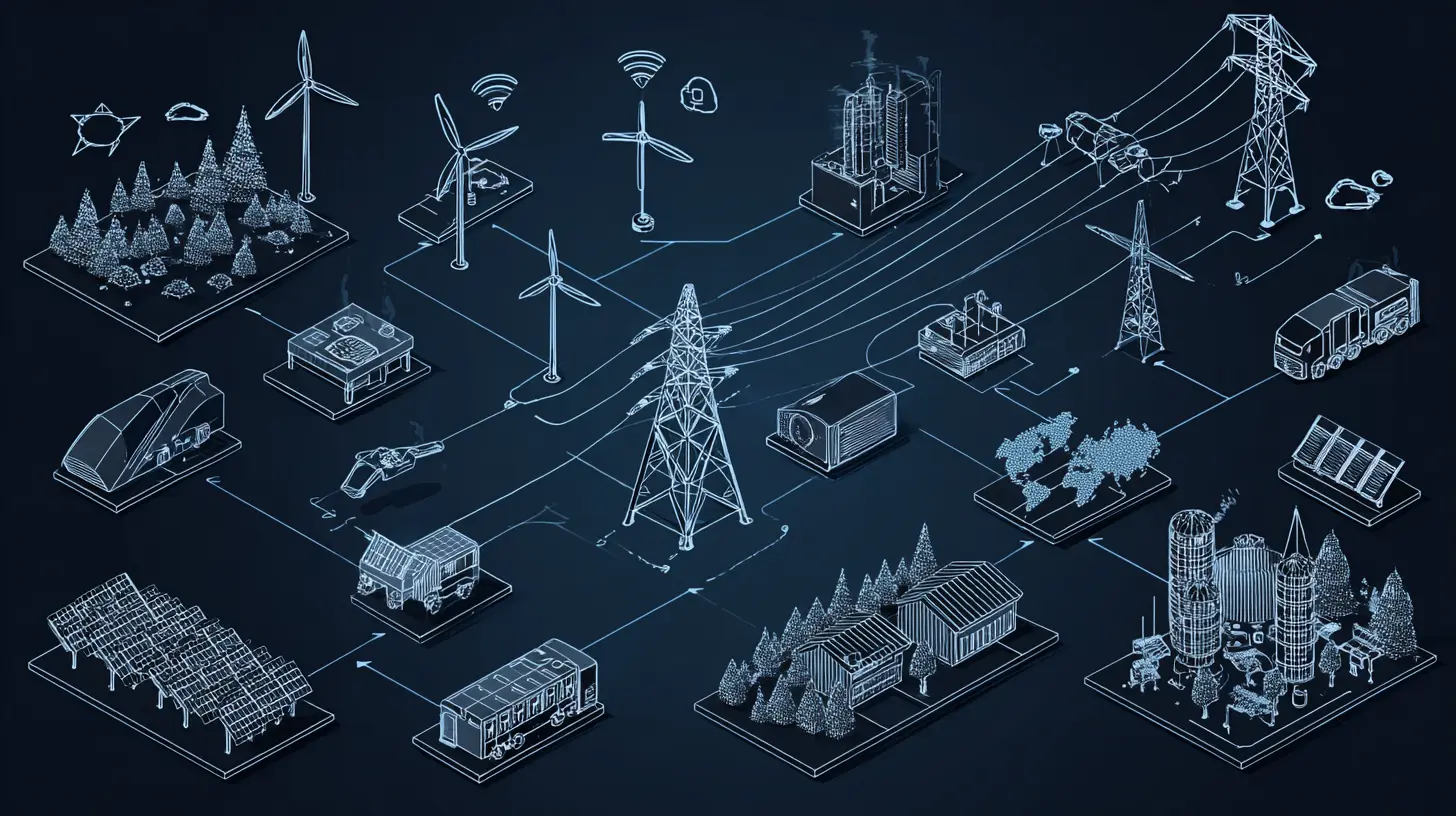
The Renewable Energy Challenge: Why Traditional Grids Fall Short
Here’s the deal: renewable energy is amazing, but it’s a bit moody.- Solar energy? Only when the sun shines.
- Wind energy? Only when it’s breezy.
With traditional grids, this inconsistency is a nightmare. They’re not built to handle sudden surges or drops in energy supply. That means wasted energy or even blackouts. It’s like trying to fill a swimming pool with a leaky hose — inefficient and frustrating.
Smart grids change the game by balancing energy in real-time, redirecting it where it’s needed most, and storing the rest for later.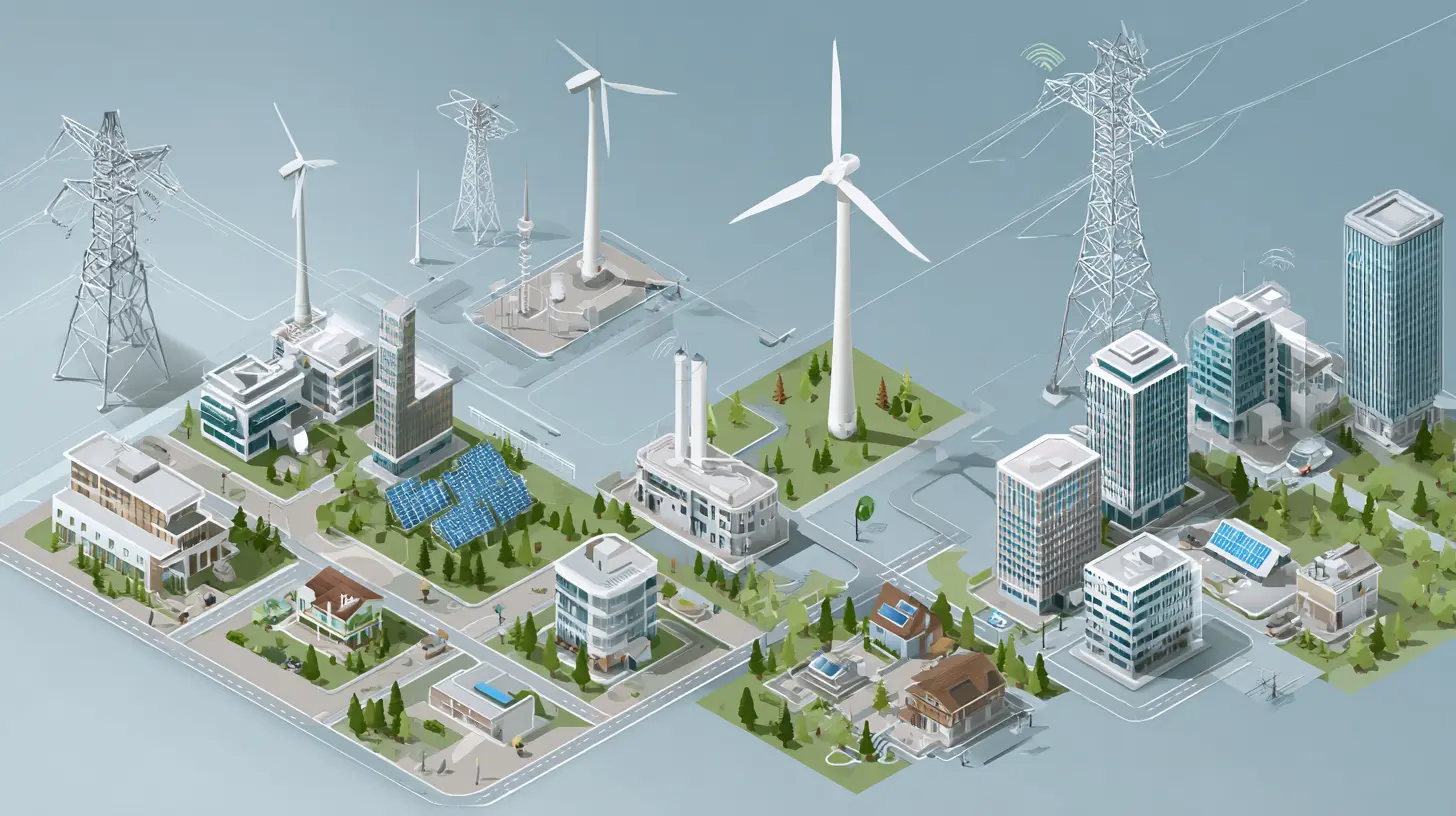
How Smart Grids Make a Difference
So, how exactly are smart grids enhancing renewable energy distribution? Let’s break it down.1. Real-Time Monitoring and Response
Smart grids are packed with sensors, smart meters, and automated controls. Think of them as having eyes and ears all over the power network. They know when the wind picks up in one region or when there's a solar flare halfway across the country.With this real-time data, smart grids can instantly shift power flows, balance loads, and adjust distribution. No guesswork. No human delays. Just smart, fast decisions.
2. Integrating Distributed Energy Resources (DERs)
Back in the day, power came from big, centralized plants. Now, anyone with rooftop solar panels is a mini-power generator. But connecting thousands of these small energy producers to the traditional grid? That’s a mess.Smart grids welcome these distributed energy resources with open arms. They act like traffic controllers, coordinating power from all these small sources and feeding it smoothly into the grid.
You know how Spotify intelligently curates playlists from different artists depending on your mood? Smart grids do that with energy — blending sources to create a stable output.
3. Energy Storage Optimization
Batteries are the best friends of renewable energy. They store excess power when production is high and release it when it’s low. But managing this storage efficiently? That’s where smart grids shine.With AI-driven algorithms, smart grids decide the best times to store energy and when to use it. Kind of like putting money into savings when you’re flush and taking it out when things get tight — except, it’s electrons we’re talking about.
4. Minimizing Energy Waste
Traditional grids waste a lot of energy. Transmission losses, overloads, and inefficiencies add up. But smart grids use predictive analytics to optimize routes and loads, ensuring power flows through the most efficient path.It’s like using Google Maps to find the quickest, least congested way home — only for electricity.
5. Enabling Demand Response
Smart grids don’t just manage supply — they manage demand too. Through smart appliances, time-based pricing, and real-time communication, they encourage users to consume energy when it’s most available and cheapest.Imagine your dishwasher waits to run until your solar panels are pumping out power. That’s not science fiction — it’s what’s happening right now in smart homes.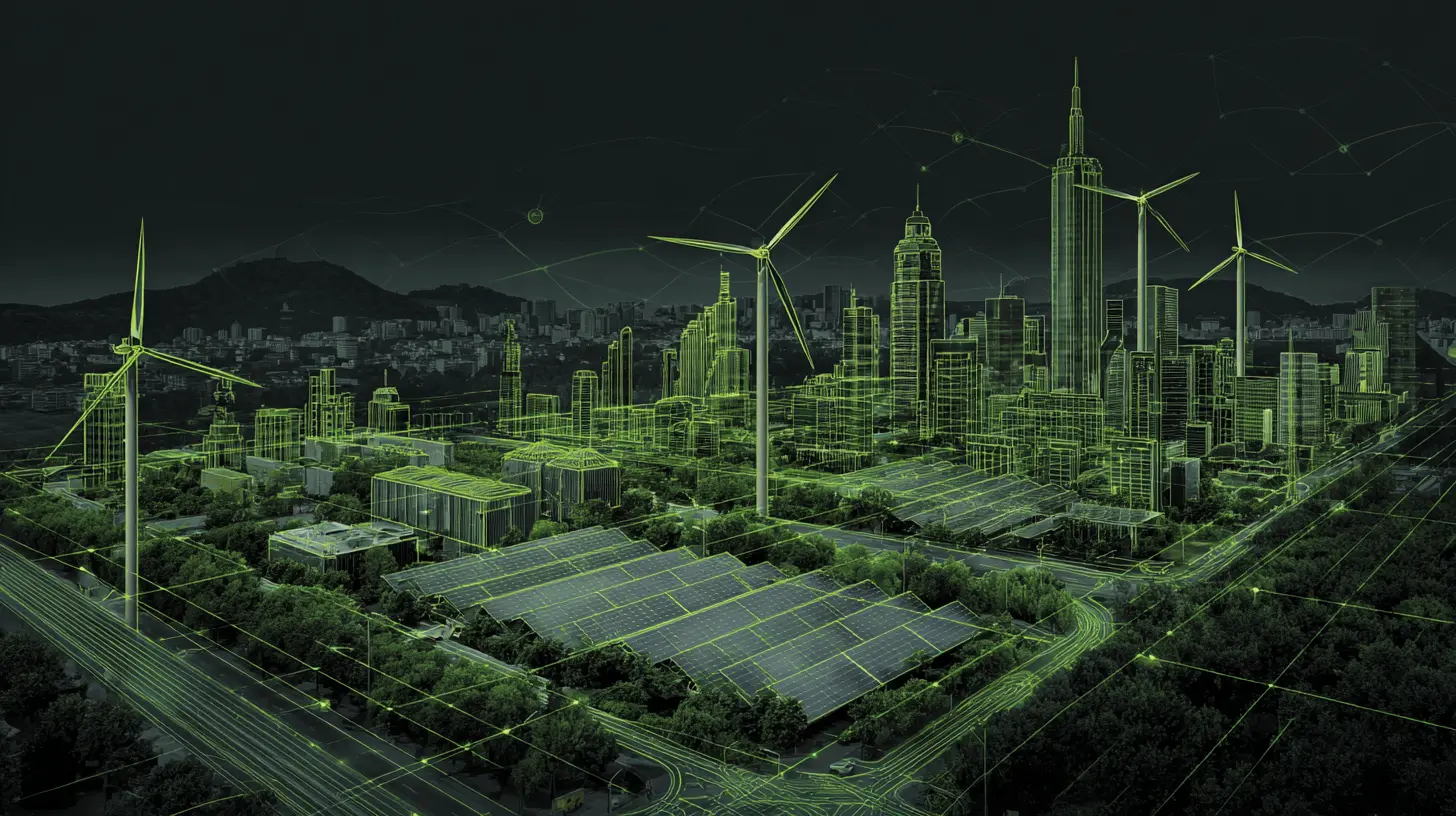
The Role of AI and Big Data in Smart Grids
Let’s talk brains. Smart grids aren’t just hardware — they’re powered by AI and big data. These systems analyze mountains of data from sensors, weather forecasts, usage patterns, and more.They learn. They adapt. And they optimize.
This means smart grids can predict when a neighborhood’s energy use will spike, when a storm might disrupt solar production, or when energy prices will fluctuate.
It’s like having a weather app, financial planner, and energy coach all rolled into one.
Benefits Beyond Distribution
While we’ve focused on how smart grids enhance renewable energy distribution, the benefits don’t stop there.Better Reliability
Outages? A thing of the past. Smart grids isolate faults quickly and reroute power, keeping the lights on even when things go sideways.Lower Costs
Efficient energy use means lower production costs, which trickles down to your utility bill. Plus, you can sell back excess power if you’re a small-scale producer — win-win.Empowered Consumers
With smart meters and real-time data, consumers get full control over their energy usage. Knowledge is power — literally.Environmental Impact
More renewables, more efficiency, less reliance on fossil fuels. Smart grids are a direct route to slashing greenhouse gas emissions.Real-World Examples of Smart Grids in Action
Alright, enough theory — let’s look at some real-world magic.United States
In places like California, smart grid tech has helped manage massive loads of solar energy. During heatwaves, when everyone cranks up the AC, smart grids balance demand without triggering blackouts.Europe
Germany, a leader in renewables, uses smart grids to seamlessly integrate wind and solar into its national energy mix — even exporting excess energy to neighbors.Asia
China and South Korea have invested heavily in smart grid infrastructure to support their rapidly growing renewable capacity, ensuring stability and reliability.Challenges Smart Grids Still Face
Don’t get us wrong, smart grids aren’t perfect. Some bumps in the road include:- Cybersecurity risks – A connected grid is a vulnerable grid if not protected properly.
- High upfront costs – Building the infrastructure isn’t cheap.
- Regulatory hurdles – Policies need to catch up with the technology.
But the payoff? Absolutely worth it.
The Future Looks Bright — and Green
Here’s the bottom line: Smart grids are the backbone of a renewable-powered world. They make green energy practical, scalable, and reliable. They connect millions of small producers to form one massive, planet-saving network.We’re not just talking about energy here. This is about resilience, innovation, and empowerment. This is about giving power — actual and metaphorical — back to the people.
So next time you see a solar panel or wind turbine, remember: it’s smart grids working behind the scenes that make it all possible.
The future of energy isn’t just renewable. It’s intelligent.
all images in this post were generated using AI tools
Category:
Environmental TechAuthor:

Jerry Graham
Discussion
rate this article
2 comments
Peyton McGarvey
Smart grids are revolutionizing renewable energy distribution by optimizing efficiency and reliability. By integrating advanced technology, they help manage supply and demand more effectively, paving the way for a sustainable energy future. Exciting times ahead!
July 18, 2026 at 12:28 PM
Jerry Graham
Absolutely! Smart grids are key to a sustainable future, making energy distribution smarter and more efficient. Exciting developments are on the horizon!
Simon Newman
Smart grids represent a pivotal shift in energy distribution, intertwining technology and sustainability. They not only optimize renewable resources but also empower communities to take charge of their energy futures.
May 21, 2026 at 11:52 AM
Jerry Graham
Thanks for your insights! Smart grids truly are transforming the way we manage energy, making it more sustainable and empowering.