How E-Commerce Platforms Are Entering the Metaverse
1 September 2026
The term "metaverse" has been floating around tech circles for years, but the actual movement of e-commerce into these virtual spaces is no longer a futuristic experiment. It is a structural shift in how digital storefronts operate, how brands engage with customers, and how transactions are validated. The current phase is not about building a single virtual mall. It is about creating persistent, interactive environments where shopping behaves differently than it does on a flat webpage.
For e-commerce platforms, the metaverse represents a new distribution channel with its own rules for discovery, conversion, and customer retention. The platforms that are making real progress are not simply porting their catalogs into 3D. They are rethinking the entire purchase journey, from product representation to payment rails, and even the concept of ownership itself.
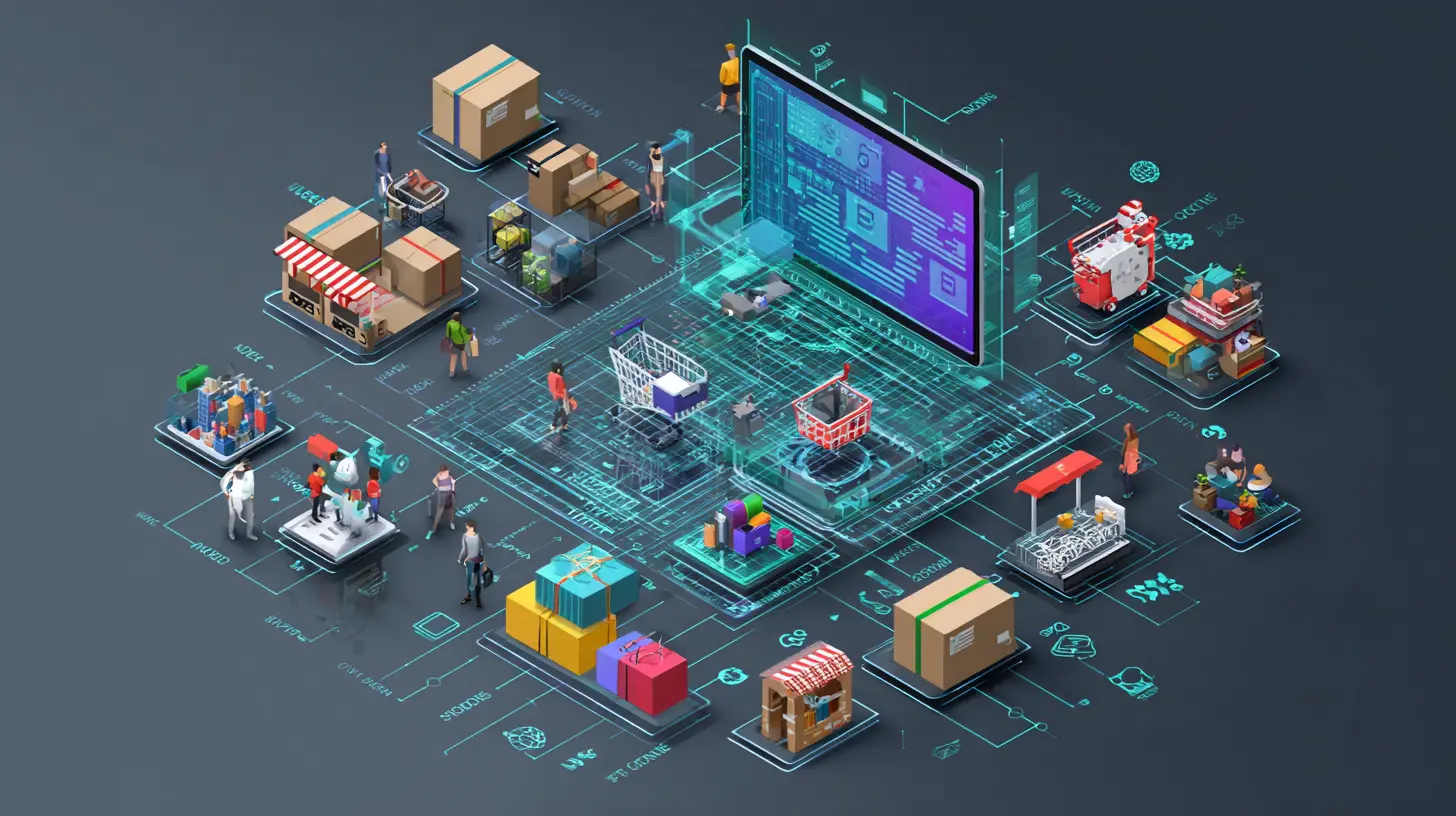
The Difference Between a Virtual Store and a Metaverse Commerce Experience
Many companies claim they have entered the metaverse because they launched a virtual showroom or a branded game level. That is a common misconception. A virtual store that exists as a standalone 3D website is not a metaverse experience. It is an interactive catalog. The metaverse implies a shared, persistent space where multiple users can interact with each other and with the environment simultaneously, and where the state of that environment continues to exist even after you leave.For e-commerce, this distinction matters more than it seems. In a virtual store, the customer is a passive viewer. In a metaverse environment, the customer is an active participant who can influence the space, interact with other shoppers, and even modify the products they are considering. This changes the emotional and cognitive load of the purchase decision.
Consider the difference between looking at a sofa on a webpage and walking around that same sofa in a shared space with a friend who is also looking at it from another angle. The second scenario allows for social proof, shared decision-making, and a sense of scale that a static image cannot provide. Platforms that understand this are building for social presence first and commerce second.
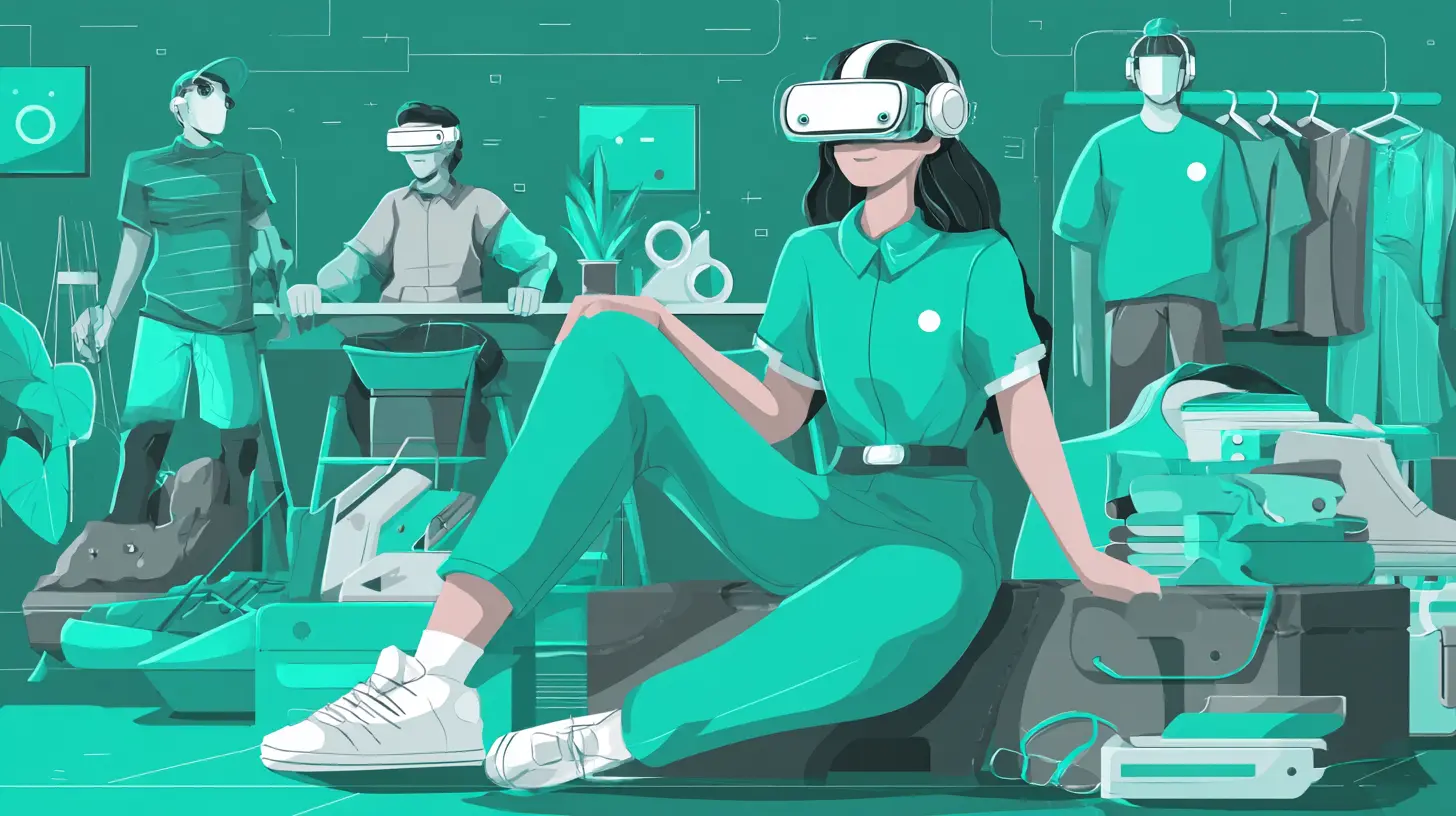
Why E-Commerce Platforms Are Investing in Virtual Worlds
The motivation is not purely about novelty. There are concrete business drivers behind the push into virtual worlds.First, customer acquisition costs on traditional channels like social media and search engines have risen steadily. The metaverse offers a less saturated environment where early entrants can capture attention without bidding against thousands of other advertisers. It is a form of organic reach that resembles the early days of the mobile app stores.
Second, the metaverse provides richer behavioral data. In a traditional e-commerce session, you know what a user clicked, how long they hovered, and whether they added an item to the cart. In a metaverse, you know where they walked, what they looked at first, how long they stood near a product, and whether they interacted with it. This spatial data reveals intent in ways that clickstream data cannot.
Third, there is the matter of digital ownership. Non-fungible tokens and blockchain-based verification allow platforms to sell digital goods that hold value outside the platform. This is not just about selling virtual sneakers. It is about creating a secondary market where customers can trade, resell, or transfer their purchases. That creates a new revenue stream through transaction fees and royalties, which is something a standard e-commerce platform cannot easily replicate.
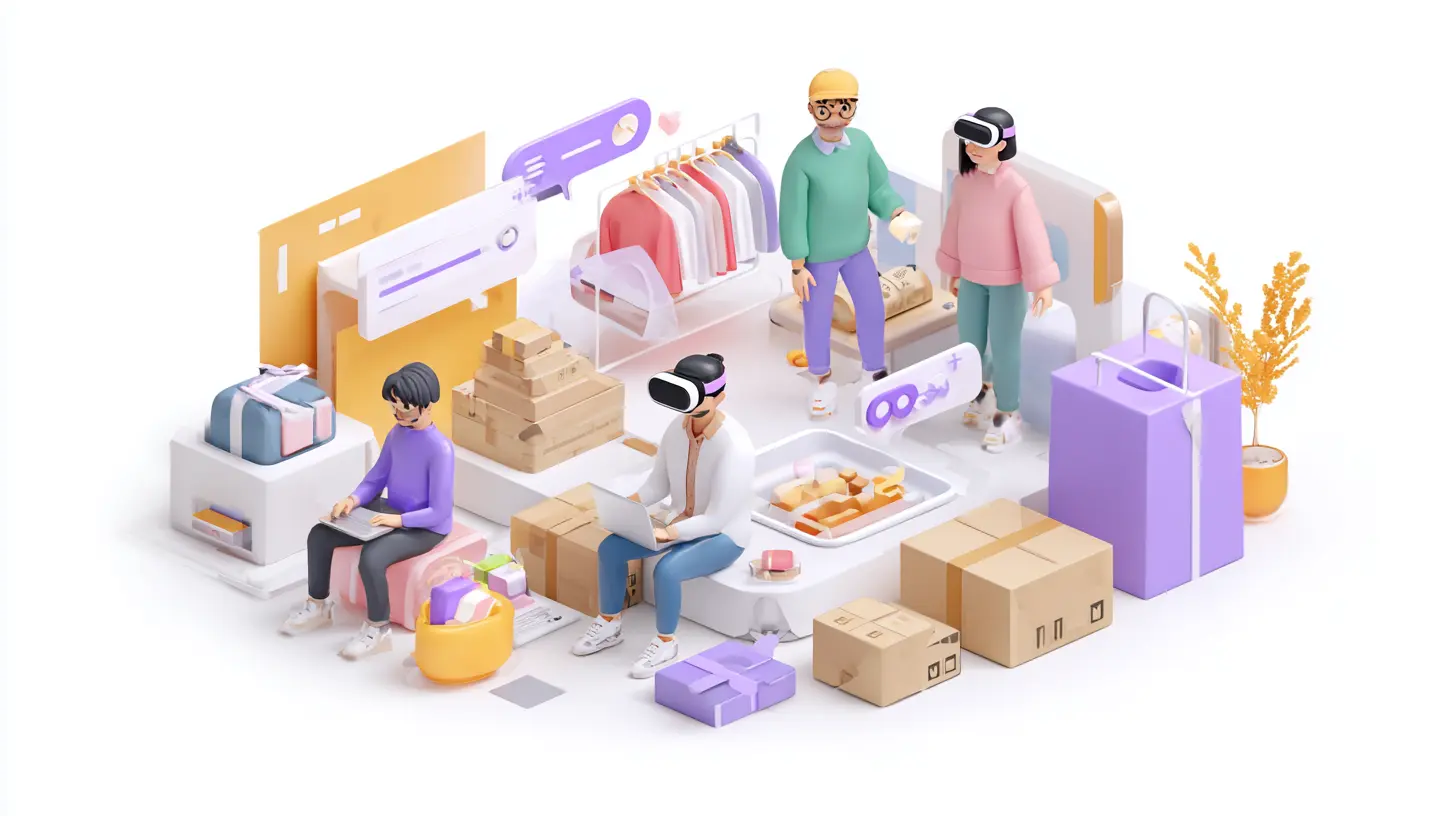
The Role of Digital Twins in Product Representation
One of the most practical applications of the metaverse in e-commerce is the digital twin. A digital twin is a highly accurate virtual replica of a physical product. It is not just a 3D model. It includes material properties, weight simulation, lighting response, and even the way the product behaves under stress.For categories like furniture, apparel, and automotive, digital twins solve a longstanding problem: the inability to fully evaluate a product without physical inspection. A digital twin allows a customer to see how a jacket drapes on a virtual body, how a chair reflects light at different times of day, or how a car door closes with the correct acoustic feedback.
The practical challenge is the cost of production. Creating a truly accurate digital twin is expensive and requires specialized scanning and modeling equipment. Platforms that attempt to do this at scale for every SKU will face significant operational overhead. The best practice is to prioritize digital twins for high-ticket items or products with high return rates, where the investment pays off through reduced returns and increased conversion confidence.

Payment Infrastructure and Virtual Economies
E-commerce platforms entering the metaverse quickly realize that the payment stack is different. Traditional payment gateways like credit cards and digital wallets still work for fiat transactions, but the metaverse introduces crypto-native payments, smart contracts, and tokenized assets.The key issue is not whether to accept cryptocurrency. The issue is how to handle the settlement layer. When a customer buys a virtual land parcel, a digital art piece, or an in-game item, the transaction often occurs on a blockchain. That means the e-commerce platform must decide whether to hold the private keys, integrate with a custodial service, or rely on third-party wallets.
There is a trade-off between control and convenience. If the platform holds the assets, it can offer a smoother checkout experience but takes on the security burden of custody. If the platform forces users to connect their own wallets, it reduces friction for crypto-native users but creates a barrier for mainstream customers who do not want to manage seed phrases.
A balanced approach is a hybrid model. Let users pay with fiat for convenience, but offer a crypto checkout for those who prefer it. Then, provide a custodial wallet that is optional but recommended for holding virtual goods. This avoids alienating either user group while keeping the platform in control of the transaction flow.
Social Commerce and the Shift from Solo Browsing
One of the most underappreciated aspects of metaverse e-commerce is the social layer. In traditional online shopping, the experience is largely solitary. You browse, you compare, you buy. The metaverse changes this by allowing multiple users to shop together in real time.This has profound implications for high-consideration purchases. A couple buying a couch can view it together, move it around a virtual living room, and discuss it without being in the same physical location. A group of friends can try on virtual outfits and give each other feedback before making a purchase. This social validation reduces the anxiety that often accompanies online purchases, particularly for fashion and home goods.
Platforms that build social shopping features need to think about moderation and safety. When users can interact in real time, there is always a risk of harassment or inappropriate behavior. The platform must implement reporting tools, mute options, and potentially AI-driven content moderation. The cost of this infrastructure is significant, but the payoff is a higher average order value and lower return rates.
Digital Fashion and the Real Money in Virtual Goods
The fashion industry has been the fastest adopter of metaverse commerce, and for good reason. The margins on digital fashion are extremely high. Once a 3D model is created, it can be sold an infinite number of times with no manufacturing cost, no inventory, and no shipping.But the real opportunity is not just selling digital clothes for avatars. It is the crossover between digital and physical purchases. A customer who buys a virtual jacket for their avatar might also want the physical version. Brands can bundle these purchases, offering a discount when both are bought together. This creates a new form of cross-selling that does not exist in traditional e-commerce.
The challenge with digital fashion is the lack of interoperability. An item purchased in one metaverse platform will not necessarily work in another. This is a major limitation that consumers do not always understand. Until there is a universal standard for avatar dimensions and item formats, digital fashion will remain platform-specific. E-commerce platforms should be transparent about this limitation to avoid customer frustration.
The Importance of Identity and Persistent Avatars
A critical element that separates successful metaverse commerce from failed attempts is the treatment of user identity. In traditional e-commerce, you have a profile with purchase history and preferences. In the metaverse, you have an avatar that represents you across sessions.The avatar is not just a visual representation. It is a container for your digital possessions, your social graph, and your reputation. When an e-commerce platform allows users to carry their avatar into different experiences, it creates a sense of continuity. The user is not starting from scratch every time they enter a new virtual space.
Platforms that build their own isolated avatar systems are making a strategic error. They are forcing users to rebuild their identity, which creates friction and reduces the likelihood of return visits. The better approach is to support existing identity standards or at least allow users to import their avatars from major platforms. This is technically difficult because of different skeletal structures and rendering engines, but it is a solvable problem with enough engineering effort.
The Friction of Hardware and Accessibility
No discussion of metaverse e-commerce is complete without addressing the hardware barrier. Virtual reality headsets are still expensive, and many consumers find them uncomfortable for extended use. The metaverse does not require VR, but the most immersive experiences do.E-commerce platforms have two options. They can build for VR-first and risk alienating the majority of users who do not own headsets. Or they can build for mobile and desktop first, with VR as an optional enhancement. The latter approach is more practical for reaching a broad audience, but it sacrifices some of the immersion that makes the metaverse compelling.
A pragmatic strategy is progressive enhancement. Offer a fully functional 2D web interface that works on any device. Then provide an enhanced 3D mode that runs on standard laptops and phones without a headset. Finally, offer a full VR experience for those who have the hardware. This tiered approach allows the platform to capture users at every level of technological adoption.
Common Mistakes Platforms Make When Entering the Metaverse
There are several recurring errors that platforms make when they attempt to enter this space. The most common is treating the metaverse as a marketing stunt rather than a real commerce channel. A temporary virtual pop-up store that exists for two weeks does not build lasting customer relationships. It generates press coverage but does not create a sustainable revenue stream.Another mistake is ignoring the existing community. Many platforms try to build their own virtual world from scratch, spending millions on proprietary engines and infrastructure. They would be better served by integrating with existing metaverse platforms that already have a user base. This is the difference between building a new city and opening a store in an existing city. The latter has immediate foot traffic.
A third mistake is misunderstanding the target audience. The people who are active in the metaverse today are not necessarily the same demographic as the average online shopper. They tend to be younger, more tech-savvy, and more interested in gaming and digital collectibles. A platform that tries to sell insurance or home appliances in the metaverse before establishing a core audience of digital-native shoppers will likely fail. The strategy should be to start with products that have natural appeal to this demographic and then expand.
The Trade-Off Between Centralized and Decentralized Approaches
There is an ongoing debate about whether metaverse commerce should be built on centralized platforms like those controlled by large tech companies or on decentralized protocols that no single entity owns.Centralized platforms offer a smoother user experience, better customer support, and more reliable transaction processing. They can enforce quality standards and handle disputes. The downside is that they control the rules, and they can change those rules at any time. A platform that builds its entire business on a centralized metaverse is at the mercy of the platform operator.
Decentralized platforms offer more freedom and ownership. Users truly own their digital assets because they are recorded on a public blockchain. However, the user experience is often worse. Transactions can be slow, the interfaces are less polished, and there is no customer support to call when something goes wrong.
For most e-commerce platforms, a hybrid approach is the most sensible. Use a centralized infrastructure for the front-end experience, payment processing, and customer service. Use a decentralized ledger for the ownership records of high-value digital items. This gives you the best of both worlds: a reliable shopping experience and verifiable ownership that the customer can take elsewhere if they choose.
Practical Steps for Implementing a Metaverse Commerce Strategy
If you are an e-commerce platform considering this move, the first step is not to buy virtual land or hire a 3D design team. The first step is to define what problem you are trying to solve. Are you trying to reduce return rates? Are you trying to increase average order value? Are you trying to engage a younger demographic? The answer will determine which parts of the metaverse are worth investing in.Once you have a clear objective, start with a pilot program that is small in scope but high in learning value. Choose one product category and one metaverse platform. Build a simple experience that allows customers to view the product in 3D, customize it if possible, and purchase it without leaving the environment. Measure the conversion rate against your traditional web store. Collect feedback from users about what was confusing and what was valuable.
Do not try to build everything at once. The technology stack for metaverse commerce is still immature, and standards are evolving. By starting small, you can iterate quickly and avoid locking yourself into a proprietary system that will be obsolete in two years.
The Future of Search and Discovery in Virtual Commerce
One area that is often overlooked is how customers will find products in the metaverse. Traditional e-commerce relies heavily on search engines and recommendation algorithms. In a virtual space, search is different. Users can walk into a virtual store, but they can also teleport, fly, or follow a guide. The way they navigate affects what they see.This has implications for product placement and merchandising. In a physical store, the layout determines what customers notice. In the metaverse, the layout is even more important because there are no physical constraints. A platform can create a store that changes its layout based on user behavior, showing different products to different users in the same space.
The challenge is that this kind of dynamic merchandising requires significant computational resources. Rendering a fully personalized environment for each user is expensive. The practical solution is to use a hybrid approach where the base environment is the same for everyone, but specific product displays and interactive elements are personalized. This is similar to how a physical store might have a standard layout but use digital signage that changes based on who is looking at it.
What Buyers Should Consider Before Making a Metaverse Purchase
For the consumer side, there are important considerations before spending money in the metaverse. The first is resale value. Digital items may be sold back, but the liquidity is extremely low compared to physical goods. Do not assume that a virtual item will hold its value.The second consideration is platform risk. If the platform that hosts the metaverse goes bankrupt or shuts down, what happens to your purchases? If you bought a virtual item that is stored on a centralized server, you could lose it entirely. If it is on a blockchain, you retain ownership, but you may lose the ability to use it in that specific environment.
The third consideration is the actual utility of the item. A virtual jacket might look great, but if it cannot be worn in any other metaverse or game, its utility is limited. Always check the interoperability of the item before buying.
A Realistic Outlook on the Speed of Adoption
It is important to be clear about the pace of change. The metaverse is not going to replace traditional e-commerce in the next few years. The majority of online shopping will continue to happen on standard websites and mobile apps. What the metaverse offers is a complementary channel for specific use cases: high-ticket items that benefit from 3D visualization, digital goods that have inherent virtual value, and social shopping experiences that cannot be replicated on a flat webpage.The platforms that will succeed are those that treat the metaverse as an extension of their existing commerce strategy, not a replacement for it. They will use it to solve specific problems, measure the results rigorously, and scale only what works. This is not a gold rush. It is a gradual integration of new technology into an established industry.
all images in this post were generated using AI tools
Category:
E Commerce TechnologyAuthor:

Jerry Graham
Discussion
rate this article
2 comments
Jade Bass
The article insightfully explores how e-commerce platforms are leveraging the metaverse to enhance user experience and engagement. By integrating virtual reality and interactive environments, they are reshaping shopping, making it immersive and personalized for consumers.
October 4, 2026 at 11:34 AM
Kenneth Brooks
E-commerce in the metaverse could redefine our shopping experiences entirely.
September 10, 2026 at 12:07 PM
Jerry Graham
Absolutely, the metaverse offers a unique way to enhance interaction and personalization in shopping. It's an exciting frontier for both consumers and brands.