How Data Analytics is Transforming Healthcare
28 January 2026
Data is the new oil—sounds familiar, right? Well, in the world of healthcare, this couldn't be truer. With the enormous volumes of medical records, lab reports, imaging data, and even wearable device outputs floating around, healthcare is drowning in data. But here's the twist: thanks to data analytics, this overwhelming flood is turning into a life-saving tide.
Let’s dive into how data analytics is radically transforming healthcare, not just in some futuristic setting, but right here, right now.
What is Data Analytics in Healthcare Anyway?
Before we get too far ahead of ourselves, let’s clear up what we mean by data analytics in healthcare.At its core, it’s the process of collecting, analyzing, and interpreting vast amounts of healthcare data to make smarter decisions. This could involve anything from improving diagnoses to adjusting treatment plans to preventing diseases. Think of it as giving doctors and healthcare systems a supercharged crystal ball—one fueled by information.
The Need for Smart Decisions in Modern Healthcare
Let’s be honest—today’s health systems are stretched thin. Budgets are tight. Staff are overwhelmed. And patient expectations? Higher than ever.Add to that the rise of chronic diseases and an aging population, and you’ve got a recipe that screams, “We need help!” That’s where data analytics comes in, acting like a backstage tech crew making sure the healthcare show runs smoother, faster, and more accurately.
Real-World Applications of Data Analytics in Healthcare
Okay, enough with the big picture. What does this transformation actually look like on the ground? Let’s dig into some tangible ways data analytics is flipping the script in healthcare.1. Predictive Analytics: Spotting Illness Before It Kicks In
Wouldn’t it be great if your doctor could tell you that you’re at risk for a heart attack—before it ever happens? That’s the magic of predictive analytics.Using historical data (like your past health records, lifestyle choices, and even genetic information), predictive models can forecast your risk for diseases. Healthcare providers can then step in with preventative care—saving lives and truckloads of money in the process.
It’s like having a weather forecast—but for your heart or blood sugar.
2. Personalized Medicine: One-Size-Fits-All is Out
Remember those one-size-fits-all treatments that only worked for "most people"? Yeah, those days are numbered.Data analytics allows doctors to tailor treatments specifically to an individual’s genetic makeup, lifestyle, and medical history. This customized approach—often called precision medicine—is getting more accurate by the day.
It’s like having a GPS navigation system for your personal health journey. No more guessing, just precise turns toward recovery.
3. Enhanced Patient Outcomes: Getting Better, Faster
At the end of the day, the goal is simple: help patients get better, quicker.By analyzing past treatment successes and failures, health systems can adjust and pick the routes that are most effective. For example, analytics can spotlight which drug combinations work best for certain types of cancer or how rehabilitation timelines differ patient-to-patient.
It’s all about cutting through the noise and getting to what works best.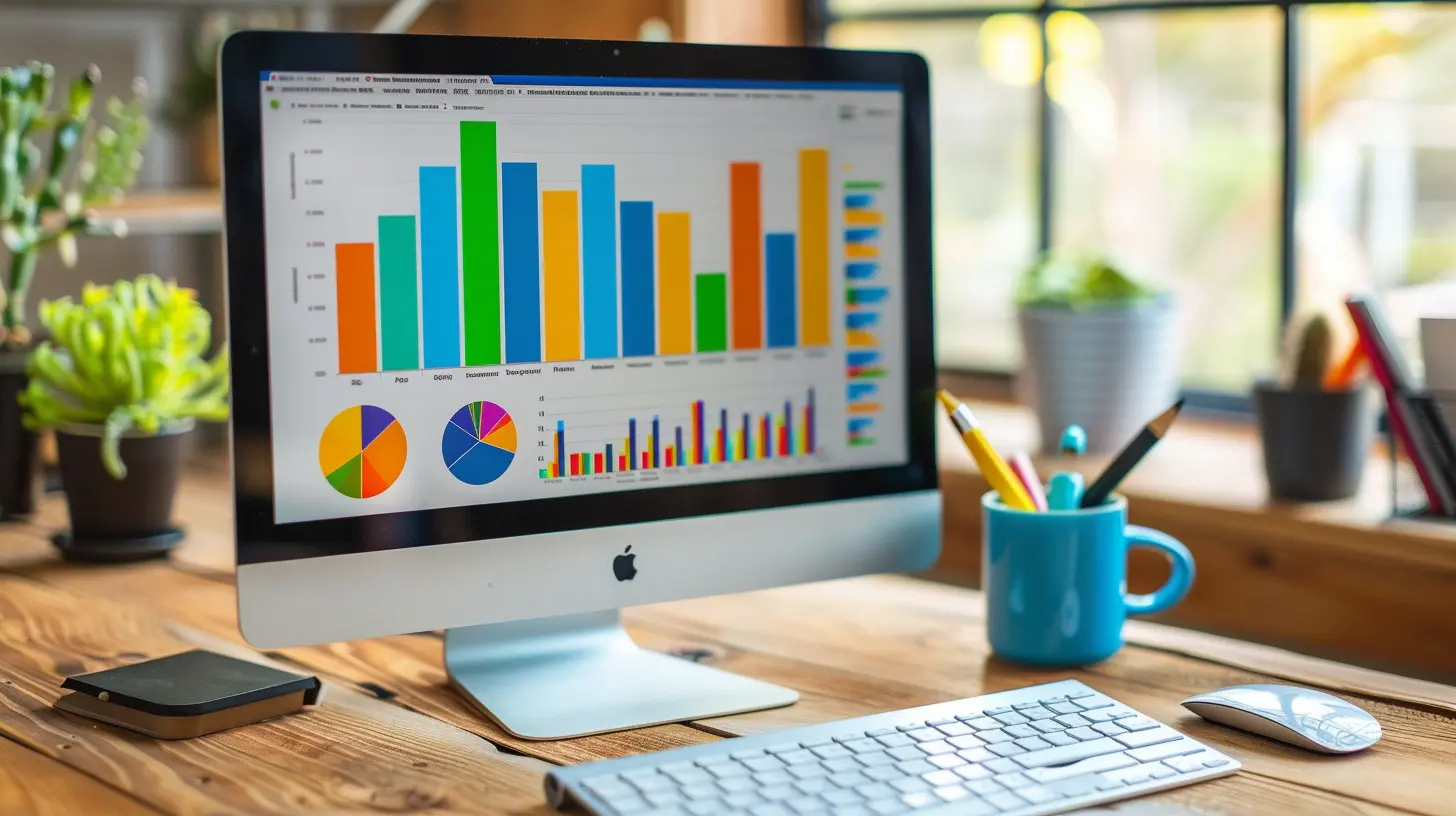
Data Analytics and Hospital Operations
Let’s not forget that hospitals are businesses too. Juggling patients, staff, inventory, and finances is no small feat. Here’s how analytics is helping behind-the-scenes.1. Resource Optimization: Doing More with Less
Think of a hospital like a busy airport. Too many planes (or patients) and not enough gates (or beds)? Chaos.Data analytics helps hospitals predict patient admission rates, allocate staff accordingly, and manage supplies more efficiently. This not only boosts operational efficiency but also keeps patients safer and happier.
2. Reducing Readmissions: Stopping the Revolving Door
Hospitals hate re-hospitalizations. It’s bad for patients, and it’s costly.By using analytics to spot high-risk individuals before they leave the hospital, care teams can provide follow-up plans that actually stick. That means healthier patients and less unnecessary return visits.
Improving Public Health with Population Analytics
This goes way beyond individual treatment. With population health analytics, public health officials can keep an eye on entire communities.Take the COVID-19 pandemic. Data analytics helped track outbreaks, predict spikes, and even assess vaccine effectiveness. Today, the same tools are used to monitor flu seasons, mental health trends, and more.
It’s like having a health radar system for cities and nations.
Data from Wearables and IoT: The Game Changer
Your smartwatch isn’t just counting steps anymore. It’s feeding real-time health data—like heart rate, sleep patterns, and even oxygen levels—into massive health databases. Now, imagine combining that with analytics.Doctors can monitor chronic conditions remotely. Emergency teams can be alerted before an incident occurs. And patients? They’re more engaged and in control of their own health.
This is healthcare getting a turbo boost from tech we wear on our wrist.
Challenges? Oh Yeah, There Are a Few
Of course, it’s not all sunshine and rainbows. There are some serious hurdles we need to tackle.1. Data Privacy and Security
This one's a biggie. We’re talking about sensitive health data here. Making sure it’s kept safe from hackers and data breaches is non-negotiable. Encryption, firewalls, and strong access controls are crucial.2. Data Silos and Integration Issues
Hospitals and healthcare providers often use different systems that don’t talk to each other. This makes it hard to get a full picture of a patient’s health. Breaking down these data silos and integrating information is a work in progress.3. Skill Gaps
High-tech analytics tools are great. But you need people who know how to use them. Training healthcare professionals in data literacy is key to unlocking the true potential of analytics.The Future? Even Smarter Health
If you think things are advanced now, just wait. With advancements in artificial intelligence and machine learning, the next wave of analytics will be smarter, faster, and possibly even more accurate than human doctors in certain scenarios.We’re looking at things like:
- AI-assisted surgeries
- Real-time diagnostic tools powered by deep learning
- National health databases that can prevent pandemics
Healthcare isn't just evolving. It's gearing up for a tech revolution.
Final Thoughts
Alright, let’s bring it all home.Data analytics is no longer a buzzword. It's the engine under the hood of modern healthcare—revving up diagnostics, driving better outcomes, and keeping everything running smoothly. From personal treatment plans to public health policies, every corner of healthcare is feeling the ripple effect.
Sure, there are challenges. But with the right mix of innovation, security, and skill-building, the sky really is the limit. Healthcare isn’t just treating patients anymore—it’s understanding them, predicting what they need, and doing it more effectively than ever before.
And at the heart of all of that? Good old data analytics.
all images in this post were generated using AI tools
Category:
Data AnalyticsAuthor:

Jerry Graham
Discussion
rate this article
2 comments
Vivian Roth
Great insights! It's inspiring to see how data analytics is revolutionizing healthcare, enhancing patient care, and improving outcomes. Excited to witness the future innovations in this vital field!
February 17, 2026 at 12:10 PM
Jerry Graham
Thank you for your kind words! I'm thrilled to hear you're excited about the future of data analytics in healthcare. It truly has the potential to transform patient care.
Zayne Roth
Great insights! Excited for healthcare's future!
January 28, 2026 at 1:26 PM
Jerry Graham
Thank you! I share your excitement for the future of healthcare with data analytics!