How Blockchain is Changing Mobile Game Economies
21 June 2026
Mobile gaming has come a long way from simple, ad-supported casual games to complex, feature-rich experiences with in-game economies. But there's a new player in town shaking things up—blockchain. This technology is revolutionizing mobile game economies, giving gamers real ownership of digital assets and creating new ways to earn money while playing.
So, how exactly is blockchain transforming mobile gaming? Let’s dive in.
What is Blockchain in Gaming?
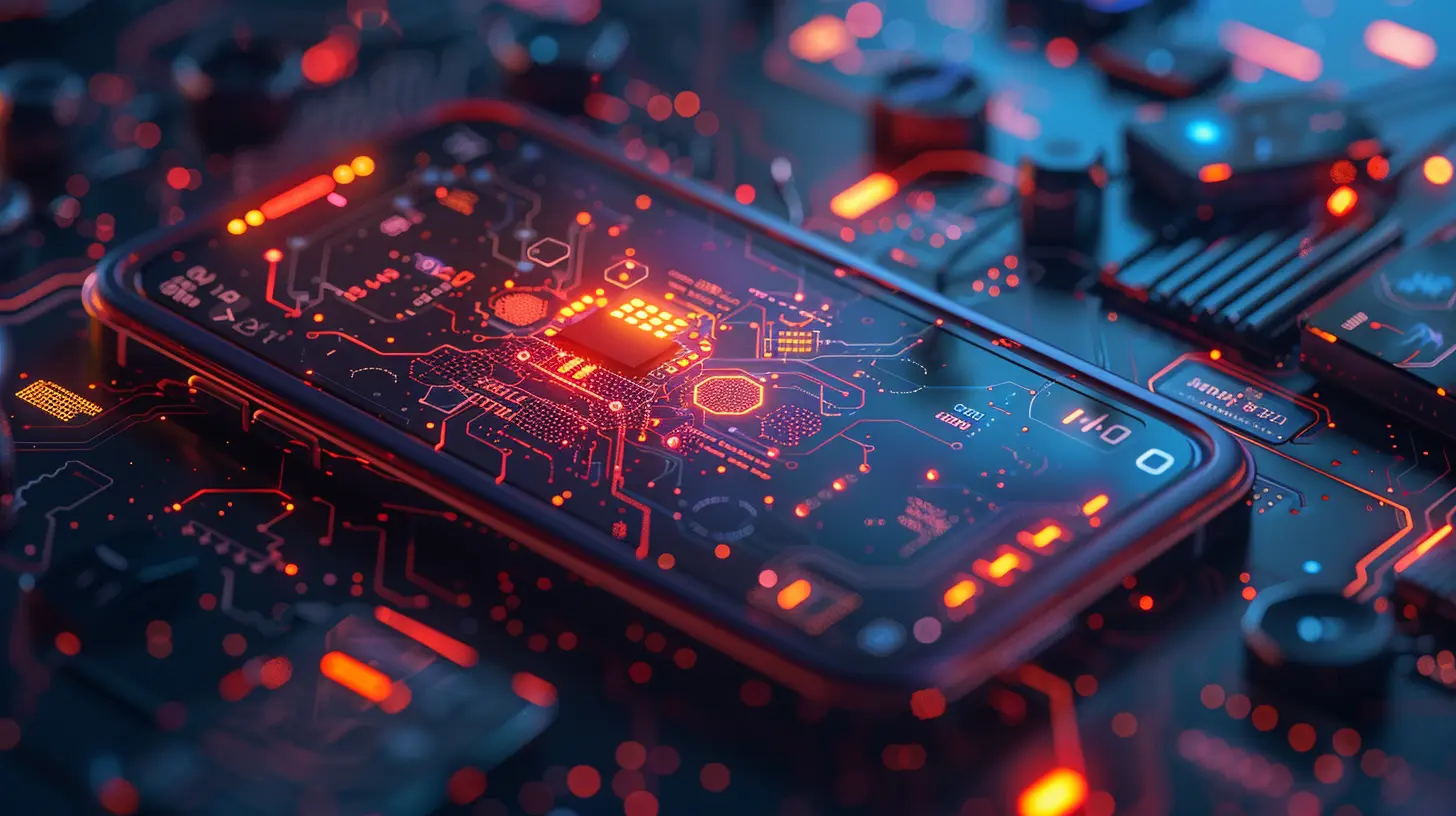
Before we jump into how it's changing game economies, let’s break down what blockchain actually is in the gaming world.Blockchain is a decentralized ledger technology that records transactions securely and transparently. In gaming, this means that in-game assets, like skins, weapons, characters, or currency, can exist on a blockchain, making them verifiable, tradeable, and even transferable between different games.
No more shady game economies where developers have full control—blockchain hands the power back to the players. 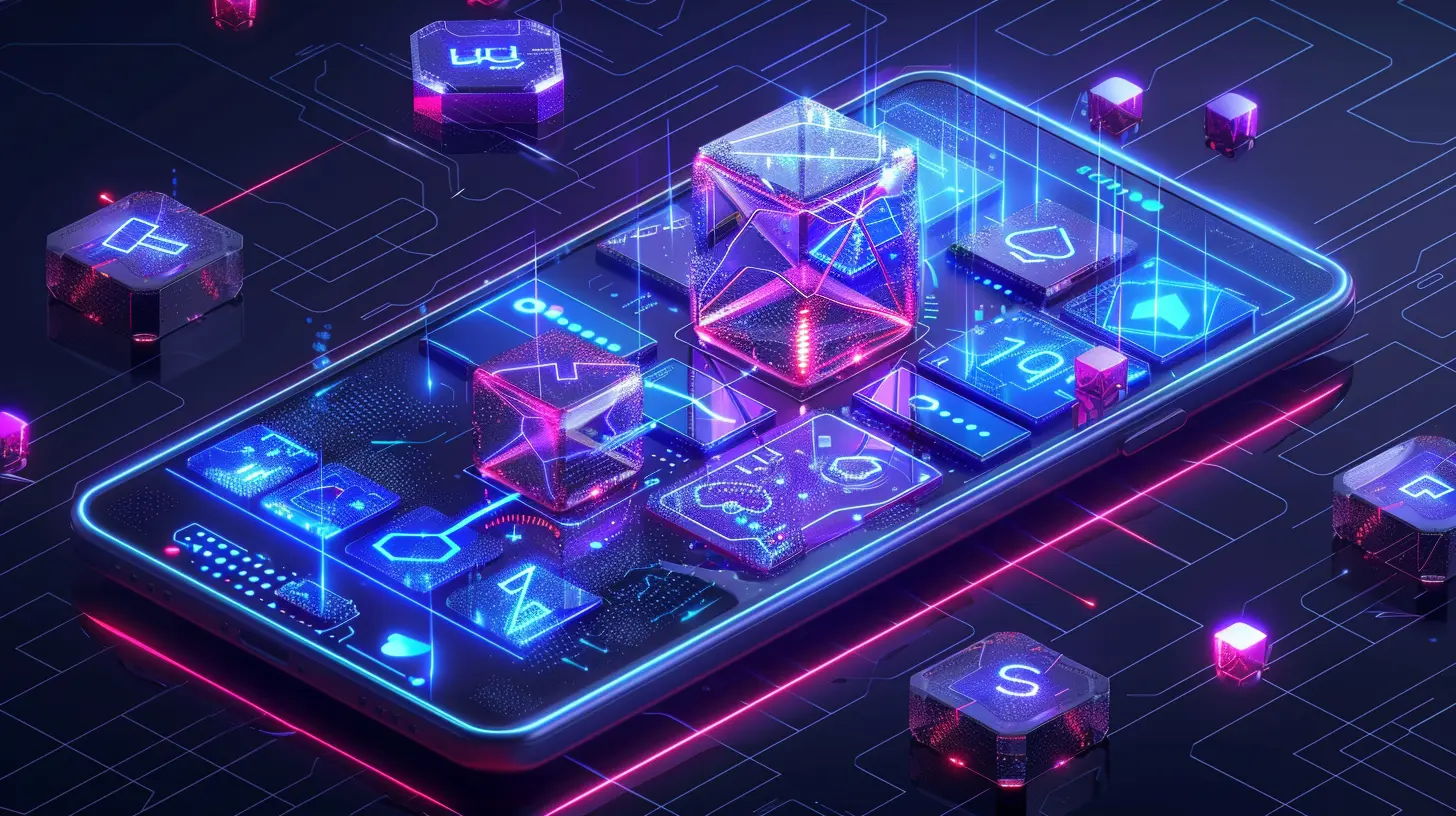
How Blockchain is Revolutionizing Mobile Game Economies
1. True Ownership of Digital Assets
In traditional mobile games, everything you buy—skins, upgrades, characters—belongs to the game developer, not you. If the game shuts down or you get banned, poof! Everything is gone.With blockchain, in-game assets are often represented as NFTs (non-fungible tokens), which means you actually own them. You can trade, sell, or even use them across different games (if the games allow it).
Imagine buying a rare sword in one RPG and using it in another game—something impossible in traditional gaming but becoming a reality with blockchain.
2. Play-to-Earn (P2E): Gaming as a Source of Income
The Play-to-Earn (P2E) model is one of the biggest disruptions blockchain has brought to mobile gaming. Instead of just spending money, players can actually earn while playing.Some blockchain games allow players to earn rewards through:
- Completing Missions – Earn tokens or NFTs by progressing in the game.
- Selling Digital Assets – Trade in-game items for cryptocurrency or fiat money.
- Staking & Yield Farming – Some games let players stake tokens and earn passive rewards.
A great example is Axie Infinity, where players breed, train, and battle creatures called Axies—each represented as an NFT. Many players worldwide, especially in developing countries, have made full-time incomes from playing.
3. Interoperability Between Games
Traditionally, in-game assets stay locked within their respective games. But blockchain allows interoperability, meaning assets can be used across multiple games or platforms.For instance, if two games run on the same blockchain, your character from one game could be playable in another. This is something traditional gaming companies could never pull off—but with blockchain, it’s happening.
4. Transparency and Fairness
Let’s be honest—mobile game economies often feel rigged. Whether it’s unfair loot boxes, pay-to-win mechanics, or shady in-game marketplaces, players rarely feel in control.Blockchain brings transparency because every transaction is recorded on a public ledger, ensuring game economies are fair. Developers can’t secretly manipulate drop rates or inflate item prices without players noticing.
This also eliminates fraud—since blockchain-based items cannot be counterfeited, the black markets for fake in-game items become obsolete.
5. Reduced Dependency on Middlemen
In traditional mobile gaming, everything goes through centralized authorities—app stores, payment processors, and publishers all take a cut. This inflates costs for both players and developers.Blockchain allows direct peer-to-peer transactions, cutting out these middlemen. Players can buy and sell items directly within the game economy, often with lower fees and faster transactions.
For developers, blockchain-based games can run on decentralized networks, reducing hosting and maintenance costs. This creates more sustainable economies where both gamers and game creators benefit.
6. Tokenized In-Game Currencies
Many mobile games already use virtual currencies (gold, gems, coins), but they’re usually worthless outside the game. Blockchain allows for these currencies to be tokenized, meaning they exist as real, tradeable cryptocurrencies.A game token like SAND (from The Sandbox) or AXS (from Axie Infinity) can be traded on crypto exchanges for real money, making in-game rewards actually valuable in the real world.
Gamers now have an economic stake in the games they play, creating deeper engagement and long-term player retention.
7. Decentralized Game Governance
In traditional games, decisions about updates, balance changes, and monetization strategies are decided entirely by developers. Players have little to no say.Blockchain games introduce decentralized governance using DAOs (Decentralized Autonomous Organizations). This allows players to vote on key game decisions, such as:
- Changes in game mechanics
- The introduction of new assets or characters
- Updates to in-game economies
This ensures that games evolve in ways that benefit both players and developers, rather than just maximizing profits for the company. 
Challenges and Limitations of Blockchain in Mobile Gaming
Of course, it's not all smooth sailing. Blockchain gaming still faces some hurdles:- Scalability Issues – High transaction costs and slow speeds on some blockchains can make games frustrating.
- Regulatory Uncertainty – Governments are still figuring out how to regulate blockchain gaming and NFTs.
- Barrier to Entry – Many players aren’t familiar with crypto wallets, decentralization, or NFTs, making onboarding difficult.
- Speculation Risks – Some blockchain games feel more like investment schemes than actual games, which can scare off traditional gamers.
That said, as blockchain technology matures, these issues will likely be addressed, paving the way for more widespread adoption. 
The Future of Blockchain in Mobile Gaming
So, what’s next? Blockchain-powered mobile games are still in their early stages, but the potential is massive.With companies like Ubisoft, Epic Games, and Animoca Brands diving into blockchain gaming, mass adoption isn’t far off. We’re heading toward a future where:
- Games reward players with real-world value
- Virtual worlds become interconnected economies
- Players gain unprecedented control over their gaming assets
The fusion of AI, AR/VR, and blockchain will take mobile game economies to completely new levels, blurring the line between gaming and real-world finance.
Final Thoughts
Blockchain isn’t just changing mobile game economies—it’s redefining the relationship between players and developers. Gamers can finally own, trade, and earn from their digital assets, making mobile gaming more exciting and financially empowering than ever before.While challenges remain, one thing is clear: blockchain is here to stay, and its impact on mobile gaming will only grow from here.
What do you think? Would you play a blockchain-based mobile game, or do you prefer the traditional gaming model? Let’s discuss in the comments!
all images in this post were generated using AI tools
Category:
Mobile GamingAuthor:

Jerry Graham
Discussion
rate this article
1 comments
Rex Riley
Blockchain is transforming mobile game economies by enabling true ownership of in-game assets. Players can trade, sell, or even earn from their digital items, which adds real value and fosters community engagement. This shift not only enhances user experience but also creates new revenue models for developers in a competitive market.
June 28, 2026 at 2:48 AM
Jerry Graham
You're right. Blockchain is reshaping the way players interact with games, turning digital items into real assets. This not only boosts player engagement but also opens up fresh revenue streams for developers. It's an exciting time for the industry.