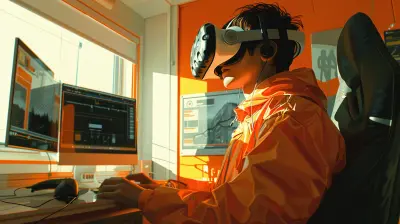
How AI is Shaping the Future of Education
2 July 2026
Alright, let’s get real for a second — education? Yeah, it’s been due for a glow-up for way too long. We're not talking about swapping chalkboards for whiteboards (yawn). We’re talking full-on artificial intelligence — the tech that’s doing more than just recommending your next Netflix binge. It’s creeping (okay, zooming) into classrooms, online platforms, even your kid’s homework help apps.
Whether you’re a student, teacher, parent, or just a curious techie, AI in education isn't just a fancy buzzword anymore. It's the new class monitor, teacher’s assistant, and career advisor — all rolled into one, with zero coffee breaks required.
So buckle up, because we’re diving deep into how AI is reshaping education as we know it — and trust me, this ride is anything but boring.
? Welcome to the Era of AI–Powered Learning
Gone are the days when education was just one-size-fits-all. Remember sitting in a massive classroom, blinking blankly at a teacher who talked so fast, it felt like they were on 2x speed? And if you didn’t get it, well... tough luck. AI is here to flip that script.Personalized Learning? Yes, Please!
AI doesn’t believe in cookie-cutter approaches. It gets to know you — your strengths, your struggles, even the topics you secretly loathe. It uses data (yep, all those quiz scores and test patterns) to tailor a learning experience that actually fits you. Think of it like Spotify for education: recommending lessons and content you actually need and like.Imagine a math app that knows you’re great with geometry but always fumble with algebra, so it gives you extra help only where needed. No more wasting time on stuff you’ve already mastered. Efficient? Heck yes.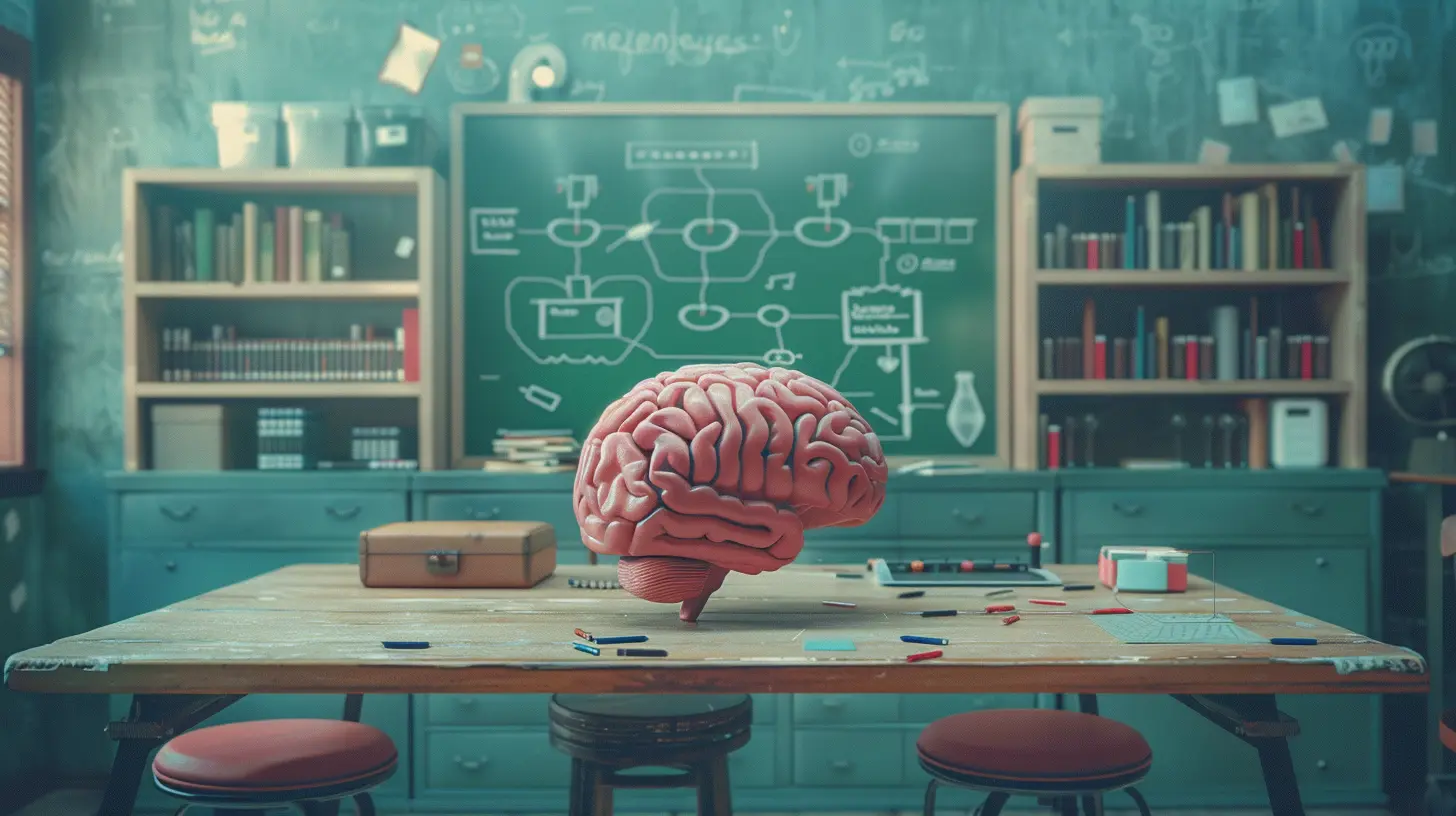
? Virtual Tutors & AI Teaching Assistants: Welcome to 24/7 Homework Help
Let’s be honest — not everyone has access to private tutors. But AI tutors? Totally affordable. Tools like ChatGPT or Google’s Gemini are acting like that chill friend who’s always there to explain concepts, break down tough subjects, and even quiz you till you get it right.Need Help at 2 AM? No Problem.
Whether you’re a night owl or just remembered you have a test in six hours (been there!), AI doesn’t sleep. It’s available around the clock, offering instant feedback and explanations — none of that dreaded “wait till tomorrow” nonsense.Plus, AI doesn’t judge. Ask it a million times what mitochondria do, and it’ll still answer with the same level of enthusiasm. Your human teacher? Not so much.
? Language Barriers? AI Says, “Not Today!”
In a global world, classrooms are packed with students who speak different languages. That used to be a real hurdle, but AI translation tools are breaking that down faster than you can say “Bonjour.”Real-Time Translation & Language Learning
AI tools are now translating lectures on the fly, turning textbooks into multiple languages, and offering dynamic subtitles during live classes. This isn’t just cool — it’s game-changing for non-native speakers trying to keep up.And let’s talk about language learning apps powered by AI (hello, Duolingo and Babbel). These platforms don’t just drill vocabulary. They adapt your lessons based on what you mess up and what you ace. It’s like having a patient, multilingual bestie in your pocket.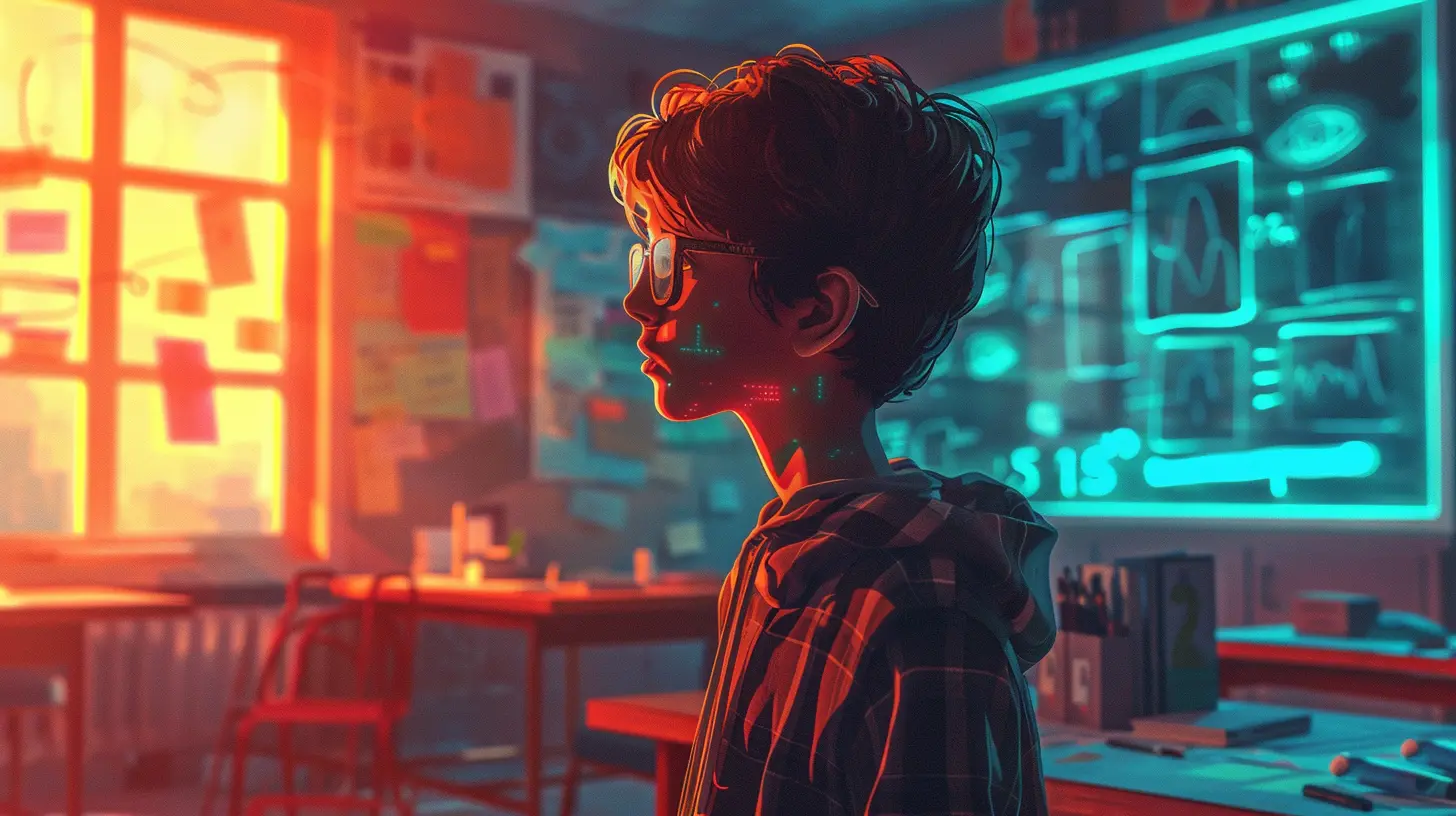
? Smarter Classrooms, Better Management
AI isn’t just for students. Teachers are getting a serious upgrade, too. With AI automating all the boring stuff — grading, attendance tracking, data analysis — educators can finally focus on what actually matters: teaching and connecting with students.Automated Grading? A Teacher’s Dream
Teachers spend hours grading papers. It’s exhausting. AI swoops in, handles objective assignments like multiple-choice quizzes or short answers in seconds, and even provides detailed feedback. That means quicker turnaround times and more personalized attention for students.AI also helps flag students who might be falling behind, offering early intervention insights. It's like having eyes everywhere, without being creepy.
? Adaptive Testing: Your Test, Your Way
Remember standardized tests? Yeah, those “one-size-fits-none” nightmares. AI is making assessments smarter with adaptive testing. These candy-crushing-style quizzes get harder or easier depending on how you're doing.Fairer, Faster, and Less Stressful Exams
Because adaptive tests morph based on your response, they’re actually measuring what you know — not how well you can sit through a three-hour test without mentally checking out.Plus, AI can analyze your answers to pinpoint specific areas you need to work on. It’s like having a diagnostic tool for your brain!
? Gamification + AI = Learning That’s Actually Fun
Kids (and let’s be real — adults, too) love games. AI is making learning fun by turning it into a game where you level up, earn rewards, and compete with friends. And no, it’s not just fluff — it’s backed by serious science.Why It Works
AI gamification taps into reward centers in the brain. You stay engaged longer, retain more, and hey — you might even enjoy learning. Platforms like Kahoot!, Quizizz, and Minecraft: Education Edition are showing just how powerful this combo can be.You’re not zoning out during a lecture — you’re engaged, focused, and probably laughing a little, too.
? Making Education Accessible for All — Finally!
AI has the potential to close the education gap — globally. Think remote villages without schools now getting AI-powered tablets. Think students with disabilities using voice recognition, text-to-speech, and personalized content delivery. This is equity in action.Special Needs? AI’s Got Your Back.
Whether a student is dyslexic, visually impaired, autistic, or has ADHD — AI tools can adapt content in ways that traditional education often can’t. It listens, learns, and accommodates without judgment or delay.The goal is clear: everyone gets a fair shot at education, no matter where they are or what challenges they face.
? The Not-So-Rosy Side (Because We’re Keeping It Real)
Let’s not sugarcoat it — AI in education isn’t all sunshine and A+ scores.Bias, Privacy & The Human Element
- Bias: If the data fed into AI is biased, so are the results. That means we’ve got to be super careful with how we train these digital brainiacs.- Privacy: AI systems collect a ton of data. Ensuring student privacy and data protection is a must.
- The Human Touch: Can AI replace teachers? Short answer — nope. Education isn’t just about facts, it’s about connection. Machines can’t empathize (yet), and let’s be real — no AI bot can replace that one high school teacher who believed in you when no one else did.
? What Does the Future Hold?
The future? It’s looking sexy. We're talking AI integrating with Virtual Reality (VR) to create immersive history lessons where you can walk the streets of ancient Rome. Or pairing with blockchain to create secure, verifiable degrees.Life-Long Learning Grows Up
AI will also power life-long learning. As the job market evolves, people will need to retrain. AI makes that process faster, cheaper, and personalized. Whether you're 22 or 62, learning will be as easy as launching an app.? So, Is AI the Ultimate Game Changer?
Let’s put it this way — AI isn’t just shaping the future of education. It’s giving it a full-blown personality makeover. Faster, smarter, more inclusive and — dare we say — fun. While there are still kinks to work out, the benefits far outweigh the hiccups.Education is no longer just about dusty textbooks and lectures on monotone. It’s about interactivity, personalization, and using every tool tech can offer to ignite curiosity and boost potential.
? Final Thoughts? AI in Education is Straight-Up Revolutionary
We’re witnessing a transformation so big, classrooms in 2030 will look nothing like they do now. Teachers will become facilitators. Students will drive their own learning. And AI? It’ll be the behind-the-scenes wizard making it all happen.So next time someone tells you AI is just a tech trend, hit 'em with this: AI isn’t the future of education. It’s the present. And it’s only getting started.
all images in this post were generated using AI tools
Category:
Artificial IntelligenceAuthor:

Jerry Graham
Discussion
rate this article
1 comments
Jessamine Hayes
AI in education is a game changer. It personalizes learning, offers real-time feedback, and makes resources more accessible. But we must ensure it enhances teaching rather than replace the human element in classrooms.
July 2, 2026 at 4:51 AM
Jerry Graham
Absolutely agree. Balancing AI's advantages with the human touch is key to maximizing its potential in education.