From Sci-Fi to Reality: The Evolution of Augmented Reality Eyewear
13 November 2026
Augmented Reality (AR) eyewear has transitioned from the realm of science fiction into practical applications across various sectors. This article delves into the intricate journey of AR eyewear, tracing its evolution, practical implementations, and challenges while providing insights into what the future might hold.
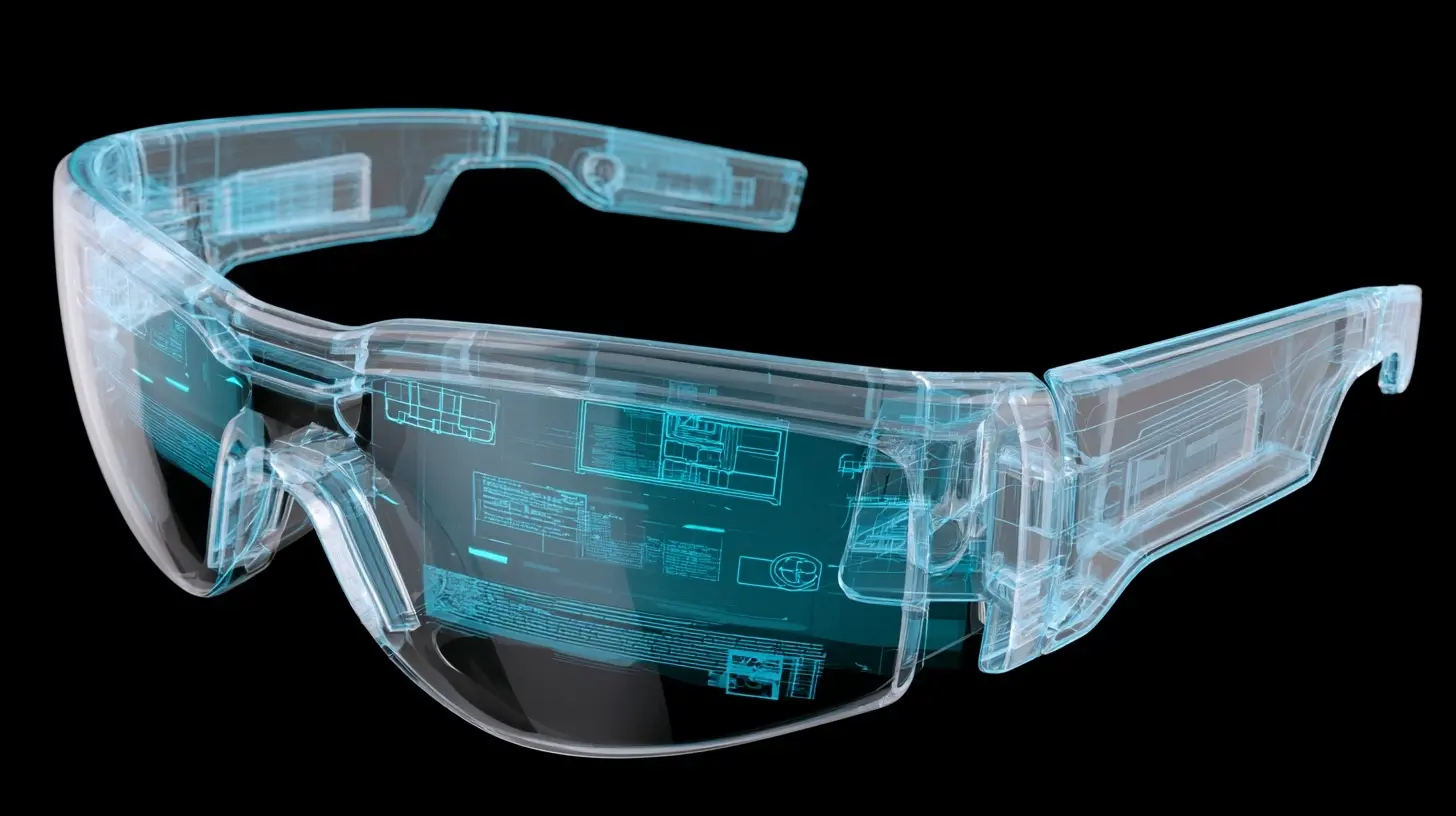
The Concept of Augmented Reality
What is Augmented Reality?
At its core, augmented reality overlays digital information onto the real world. Unlike virtual reality, which immerses users in a completely digital environment, AR enhances the user's perception of their surroundings by integrating digital elements. This technology can manifest through various devices, but eyewear has gained particular attention for its potential to create a seamless blend between the virtual and physical worlds.Early Inspirations from Science Fiction
The origins of AR can be traced back to science fiction literature and films. Works like "Neuromancer" by William Gibson and the "Terminator" series popularized the concept of digital overlays and interactive environments. These creative explorations laid the groundwork for technological advancements that would eventually bring AR into reality.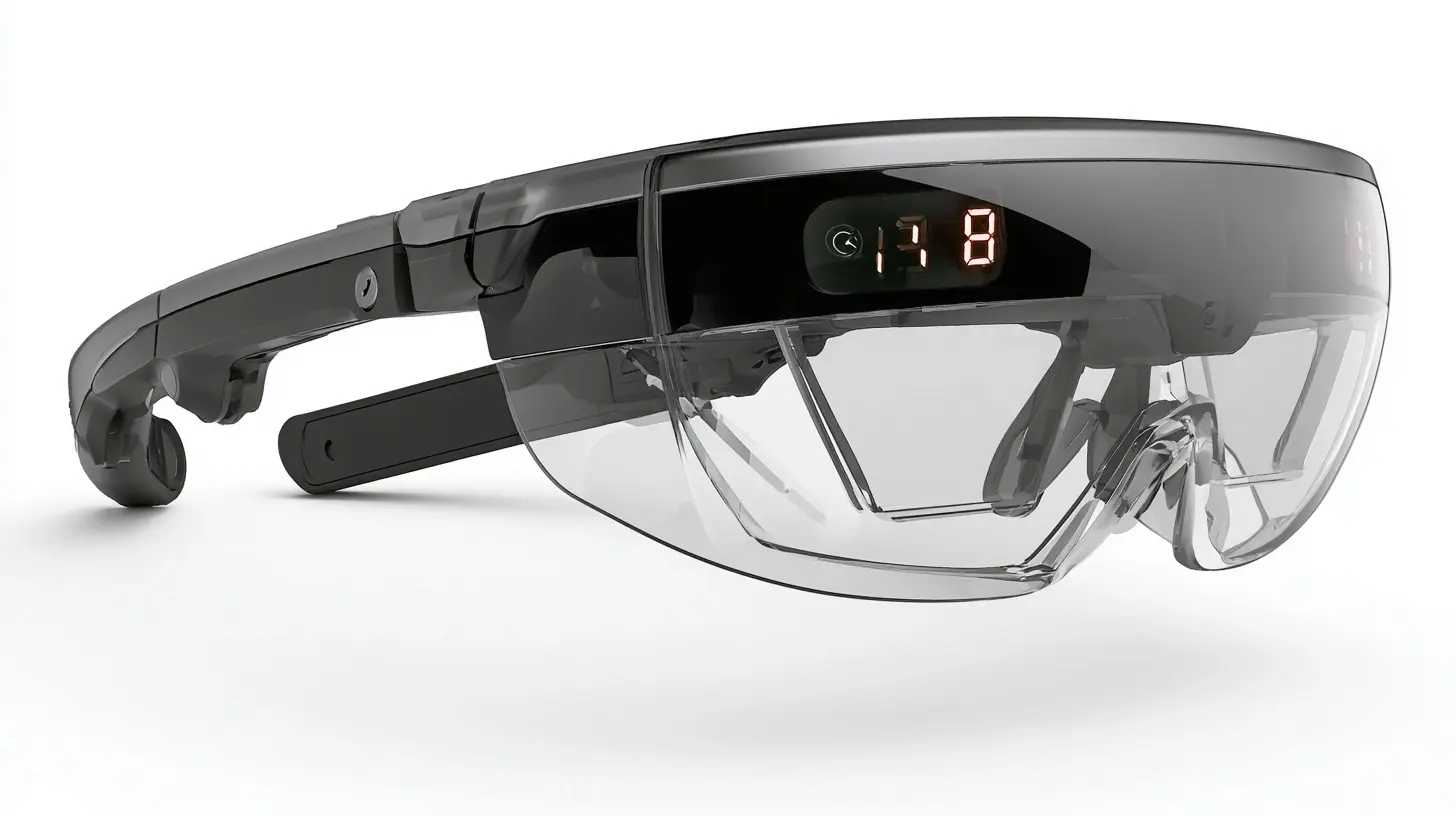
A Brief Historical Context
The Rise of AR Technology
The development of AR technology began in the late 20th century, but it wasn't until the 2010s that significant advancements made AR eyewear feasible for consumer use. Notable milestones include:- 1990: The term "augmented reality" is coined by Tom Caudell, a researcher at Boeing.
- 2000: The first AR glasses designed for commercial use are developed, but they remain bulky and impractical.
- 2013: Google Glass is released, marking a pivotal moment in AR eyewear history, despite its mixed reception.
Key Players and Innovations
The AR eyewear landscape has evolved rapidly, driven by major tech companies and startups alike. Important players include:- Microsoft: The HoloLens, launched in 2016, offered a more sophisticated approach to AR, targeting business and enterprise applications.
- Magic Leap: Founded in 2010, this company aims to create immersive experiences with its Magic Leap One headset, emphasizing a blend of physical and digital worlds.
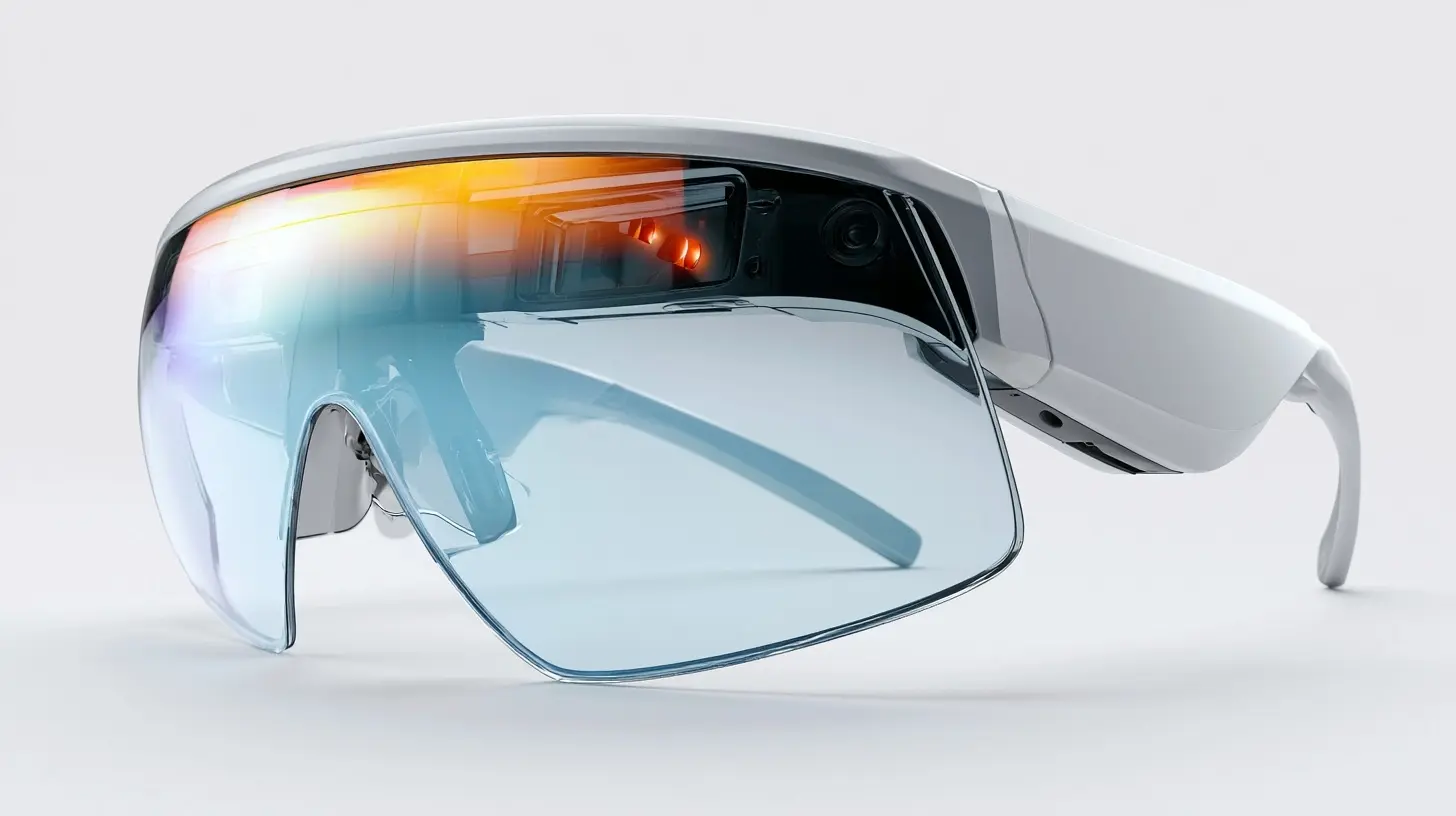
Current Applications of AR Eyewear
Industrial and Enterprise Solutions
AR eyewear has found substantial traction in industrial settings. Companies like Boeing and GE use AR for assembly line assistance, allowing workers to visualize assembly instructions in real-time. This not only speeds up the process but also reduces errors, making operations more efficient.Benefits in Industrial Applications
- Increased Efficiency: Workers can access information hands-free, allowing them to focus on tasks without breaking concentration.- Training and Onboarding: New employees can be trained more effectively using AR overlays to guide them through complex tasks.
Healthcare Innovations
The healthcare sector is another area where AR eyewear shines. Surgeons use AR to overlay critical data during operations, improving precision and outcomes. For instance, AR can project 3D images of organs, aiding in surgical planning.Considerations for Healthcare Applications
- Accuracy and Reliability: AR systems must be rigorously tested to ensure they provide precise and reliable data.- User Training: Medical professionals require training to effectively use AR tools, which can be a barrier to widespread adoption.
Consumer Applications
While industrial and healthcare applications lead the charge, consumer AR eyewear is gradually gaining traction. Companies like Snapchat have introduced AR glasses that enhance social media experiences by allowing users to apply digital filters in real-time.Challenges in Consumer Adoption
- Cost: High prices can deter consumers from purchasing AR eyewear, especially when compared to smartphones that offer similar functionalities.- Privacy Concerns: With cameras integrated into eyewear, users face potential privacy issues, raising questions about data security.
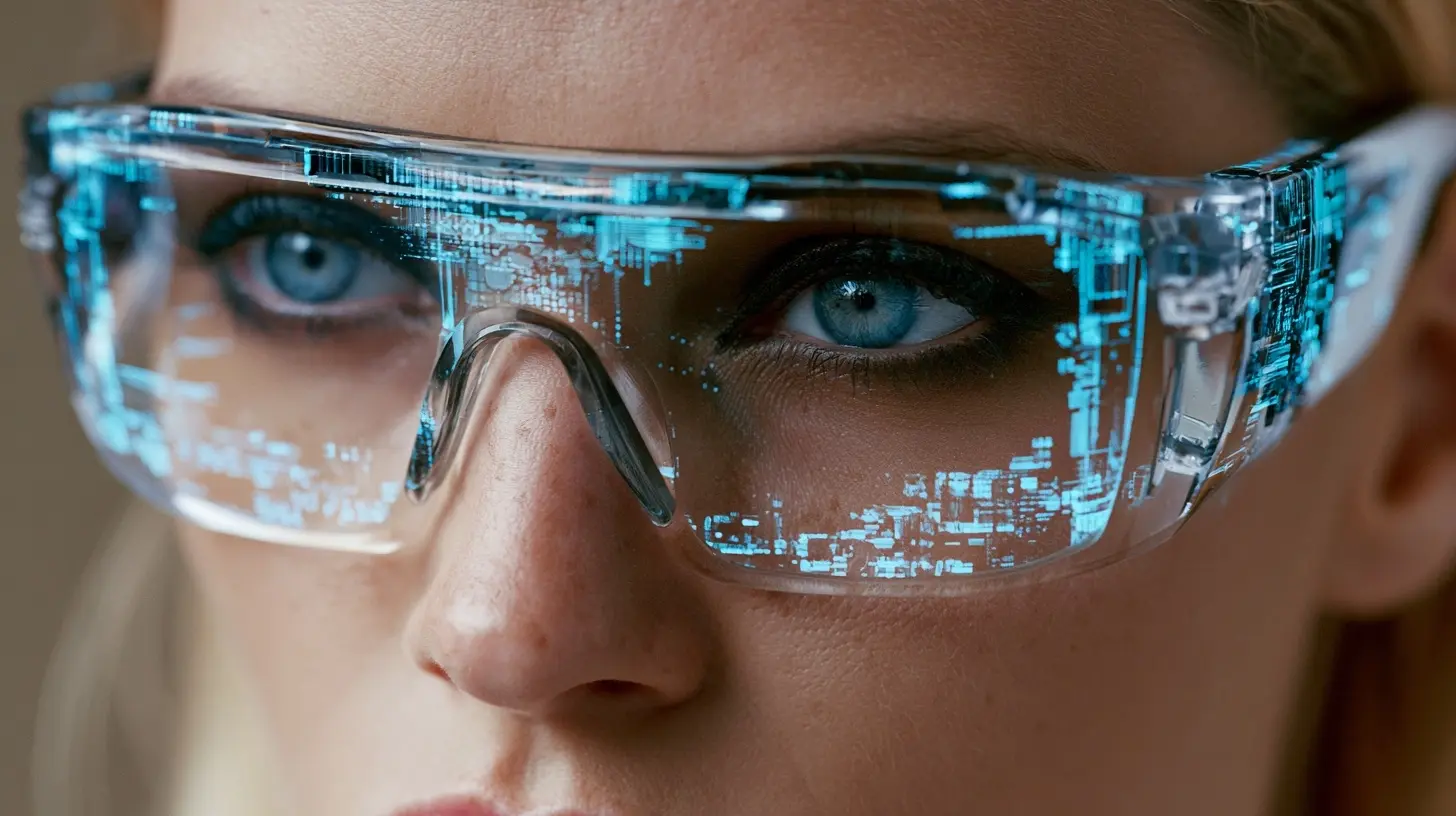
The Technology Behind AR Eyewear
Key Components of AR Systems
Understanding the components that make AR eyewear functional helps demystify the technology:1. Optics: These elements project digital images onto the user's field of view, typically using waveguides or micro-displays.
2. Sensors: AR devices utilize cameras, accelerometers, and gyroscopes to track the environment and user movements.
3. Processing Power: AR eyewear requires significant processing capabilities to render graphics and manage data in real-time.
Comparing Technologies
There are several technologies that underpin AR systems, each with its own set of advantages and limitations:- Optical See-Through: This approach allows users to see the real world through transparent displays, ideal for applications requiring awareness of the physical environment.
- Video See-Through: Users view the world through cameras, which can introduce latency but allows for more complex overlays.
Challenges and Limitations
Technical Limitations
Despite advancements, AR eyewear faces significant hurdles:- Field of View: Many AR systems have a limited field of view, restricting the amount of digital information that can be displayed at once.
- Battery Life: The high processing demands of AR applications can drain batteries quickly, necessitating frequent recharging.
User Acceptance
The success of AR eyewear hinges not just on technology but also on user acceptance. Factors influencing this include:- Usability: Devices must be comfortable for extended wear and easy to use without extensive training.
- Social Acceptance: Wearing AR glasses in public can attract attention, leading to social discomfort for some users.
The Future of AR Eyewear
Trends to Watch
The future of AR eyewear is promising, with emerging trends that could shape its trajectory:- Integration with AI: As artificial intelligence becomes more sophisticated, AR eyewear could provide even more personalized and context-aware experiences.
- 5G Connectivity: The rollout of 5G networks will enhance AR experiences by reducing latency and enabling more complex interactions.
Potential Market Growth
The AR eyewear market is projected to grow significantly in the coming years, driven by advancements in technology and increasing applications. However, companies must navigate challenges related to privacy, usability, and cost to succeed.Practical Advice for Consumers and Businesses
For Consumers
When considering AR eyewear, keep the following factors in mind:- Purpose: Identify how you plan to use the device. Is it for entertainment, fitness, or professional applications?
- Compatibility: Ensure that the eyewear is compatible with your existing devices and applications.
For Businesses
Businesses looking to implement AR eyewear should:- Conduct Pilot Programs: Start with small-scale implementations to test effectiveness before full-scale adoption.
- Invest in Training: Ensure staff are adequately trained to maximize the benefits of AR technology.
Common Misconceptions
Myth: AR is Just a Fad
While AR technology has had its ups and downs, its applications in various industries suggest it is far more than a passing trend. The integration of AR into everyday activities indicates a shift toward more immersive experiences.Myth: AR Eyewear is Only for Tech Savvy Users
While early adopters may be more familiar with tech, advancements in user interface design are making AR eyewear accessible to a broader audience. Intuitive controls and simplified functionalities cater to users of all tech backgrounds.Conclusion
The evolution of augmented reality eyewear showcases a fascinating journey from science fiction to a tangible reality. As technology continues to advance, AR eyewear stands poised to transform numerous industries while enhancing everyday life. By understanding its capabilities, limitations, and potential applications, consumers and businesses can make informed decisions about this innovative technology.
all images in this post were generated using AI tools
Category:
Ar GlassesAuthor:

Jerry Graham