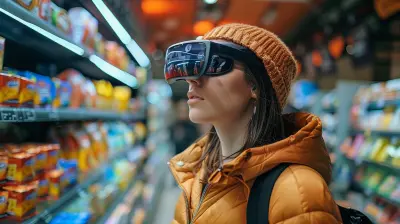
Exploring the Future of VR Headsets: What to Expect
6 June 2026
Virtual Reality (VR) has come a long way since the clunky gear and pixelated landscapes of its early days. Remember when the idea of stepping into a totally immersive 3D world seemed like something out of a sci-fi movie? Well, that’s no longer fiction. It's very real—and it's evolving fast.
So, what’s next for VR headsets? Are we heading toward a future where popping on a lightweight, sunglasses-sized device transports us to full-blown digital universes? Will haptic suits and mind-controlled interfaces become part of our everyday gear? Let’s take a closer look and dive into what the future has in store for VR headsets.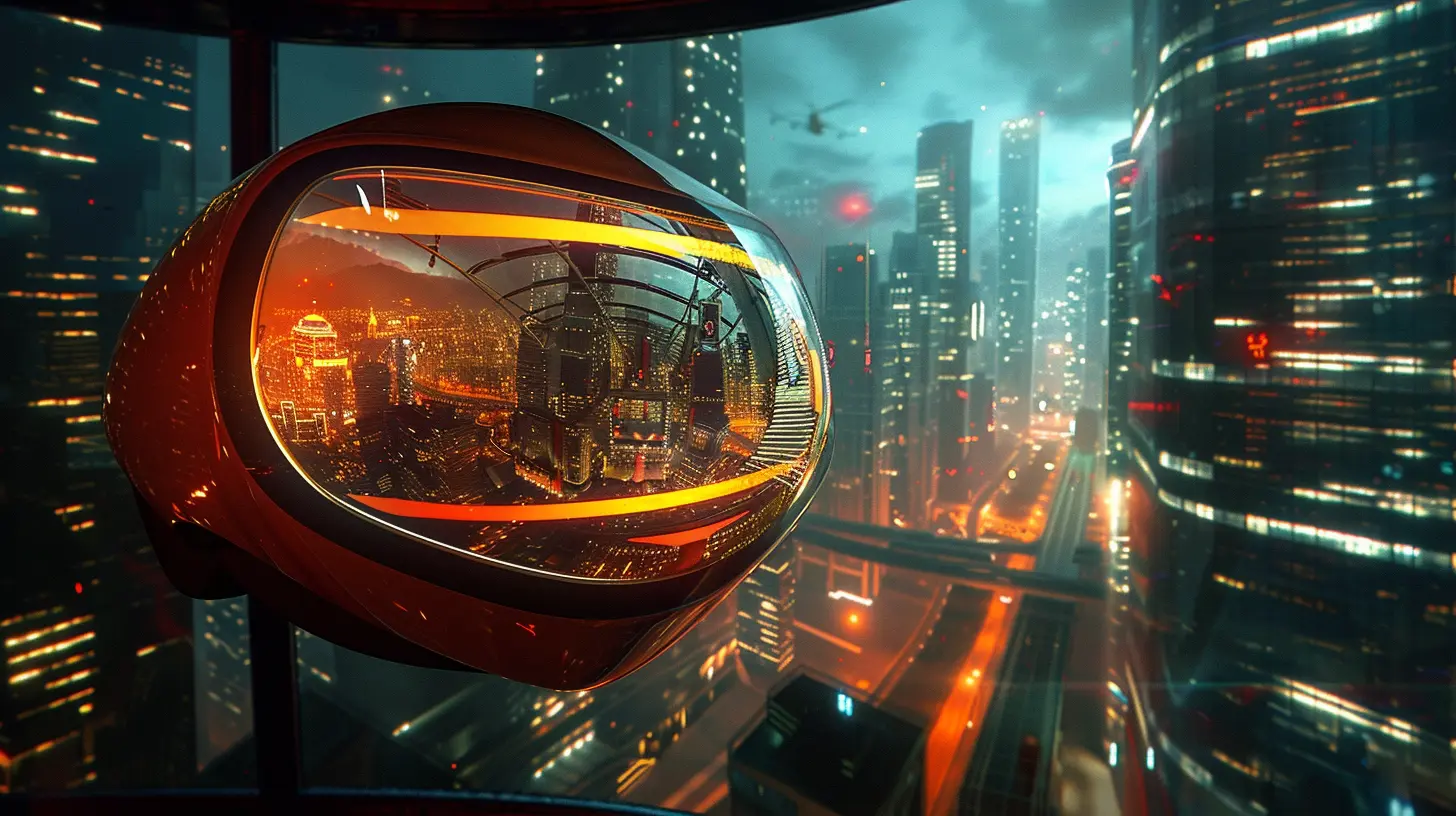
The VR Revolution: Where Are We Now?
Before we peek into what’s coming, let’s get our bearings. Right now, VR headsets are mostly used for gaming, training simulations, virtual tourism, and even remote work. Big players like Meta (with the Quest series), Sony (with PlayStation VR), and HTC (with the Vive lineup) dominate the market. But we're still in early days.Yes, the current generation of VR headsets has improved drastically—better resolution, improved field of view, and motion tracking that doesn’t make us feel like we're ice-skating on a banana peel. But we can all agree: we're not quite at Star Trek-level holodecks yet.
The Design Game: Making VR Headsets Sleeker and Smarter
Let’s face it—most VR headsets still make us look like we’re about to weld a car. Bulky, heavy, and just plain awkward. But all that is changing. The future is about going smaller, smarter, and, dare I say, cooler.Lighter Builds and Better Comfort
Next-gen VR headsets are all about comfort. We're talking featherlight materials, balanced head straps, and breathable pads. Some companies are even playing around with pancake lenses (yep, that’s a real thing) to drastically reduce the depth and weight of the headset.Imagine slipping on something that feels like sunglasses but packs the power of a full gaming computer. That’s the goal.
Wireless is the Way
Remember the days of tripping over cables while battling dragons in your living room? Wireless tech is taking over. The next wave of VR headsets will rely heavily on ultra-fast wireless connections like Wi-Fi 6 and potentially 5G. No cords, no limits.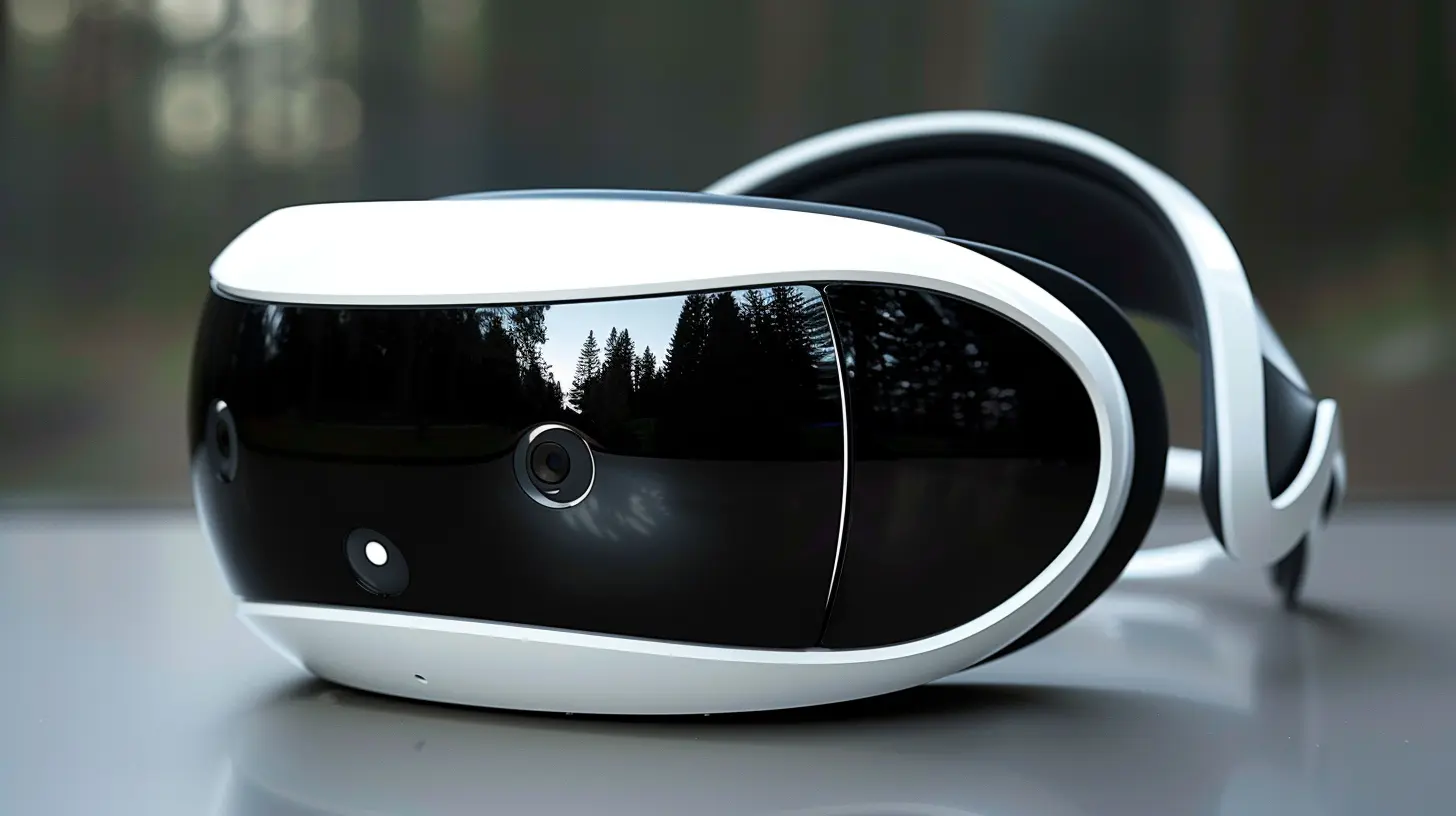
Making It Real: Display and Resolution Advances
Have you ever noticed that slight blur or pixelation in your current VR headset? That’s because even the best current-gen devices struggle with resolution and pixel density. But not for much longer.Retina-Level Displays
We’re moving toward what's called "retina resolution"—that’s high enough that your eyes can’t distinguish individual pixels. Companies like Apple and Meta are already working on displays with over 2,000 pixels per inch. That means ultra-crisp visuals, lifelike textures, and zero screen door effects.Wider Field of View
Right now, most VR headsets give you tunnel vision. You're aware of the borders, and it kills the magic a bit. But future designs are aiming for a 200-degree field of view, matching what your eyeballs naturally see. The result? Total immersion.
Tracking Evolution: Inside-Out, Eye, and Full-Body Magic
What’s VR without precise tracking? Clunky movements and lag can turn even the best games into awkward flops. The future promises smarter, seamless integration between our movements and the virtual world.Inside-Out Tracking Gets Smarter
We’ve already moved beyond those sensor towers you had to place around your room. Inside-out tracking uses cameras on the headset to map your surroundings and track your movement. Coming models will improve this with faster processors and more neural-network-based tracking algorithms. Just put it on, and you’re good to go.Eye-Tracking and Foveated Rendering
Here’s where it gets sci-fi cool: eye-tracking. Future VR headsets will know exactly where you're looking, and render that area in full detail while reducing quality in your peripheral vision (a concept called foveated rendering). The best part? It saves loads of computational power, making VR smoother and more realistic.Full-Body Tracking With Fewer Devices
Right now, full-body tracking usually means strapping a bunch of gadgets all over yourself. The future? One device, maybe two. Some companies are testing AI-driven tracking software that maps out your whole body using just the headset's onboard sensors. It's like motion capture, minus the Hollywood budget.Haptic Feedback: Touching the Virtual World
Have you ever wished you could feel the texture of a surface in VR? What if you could feel the tension of a bowstring or the soft squish of a stress ball?The Gloves Are Coming Off—Literally
VR gloves and haptic suits are hitting the market, letting you touch and feel digital environments. This tech uses tiny motors or even air pressure to simulate touch. Future VR headsets will likely pair seamlessly with these devices, bringing an entirely new layer of realism.Force Feedback and Beyond
We're not just talking vibrations. We’re looking at real resistance—like actually feeling the weight of an object. That opens up crazy new doors for fitness, training, and yes, next-level gaming.Smarter AI and Personalized Experiences
Next-gen VR isn’t just about sharper visuals or fewer cables. It’s about smarter, more tailored experiences.Adaptive AI Companions
Imagine entering a VR world where AI characters remember your past actions, learn your preferences, and even adapt their behavior to your playstyle. The integration of machine learning in VR games and apps is going to make virtual experiences feel more alive than ever.Real-Time Language Translation
Machine-learning-powered VR headsets might soon offer real-time language translation. That means attending meetings, playing games, or just hanging out with people across the globe—no language barriers.Mixed Reality and Passthrough: The Best of Both Worlds
Why choose between the real and virtual world when you can blend them?Better Passthrough Cameras
Current passthrough tech is still a bit grainy and awkward. But future headsets are aiming for full-color, high-resolution passthrough. This will let users see their surroundings clearly, while digital objects are overlaid where needed. AR meets VR, and suddenly your coffee table becomes a dashboard.Mixed Reality Workspaces
Think about virtual monitors floating in your living room or adjusting your lighting using gesture controls. That’s not a pipe dream anymore—it’s around the corner. These mixed-reality workspaces could completely alter how we work and play.The Rise of Social VR and the Metaverse
No article on VR's future would be complete without mentioning the M-word: Metaverse.Next-Level Social Interaction
VR isn’t just about solo gaming anymore. Platforms like Horizon Worlds and VRChat are paving the way for meeting friends, attending concerts, and even going on virtual dates in immersive, digital environments.As headsets get better, the barriers between virtual and real social interaction will shrink significantly. Avatars will become more realistic, expressions more nuanced, and experiences more memorable.
Interoperability and Virtual Economies
Future VR ecosystems could feature shared worlds between platforms, universal avatars, and thriving digital economies. Imagine earning real cash for designing a killer virtual outfit or hosting a popular VR event.The lines between digital and physical life are going to blur—and fast.
Power and Performance: The Engines Behind the Magic
Let’s not forget what makes all this tech tick.Next-Gen Processors and GPUs
As VR tasks become more demanding—handling higher-resolution graphics, AI processing, and real-time tracking—future headsets will need powerhouse chips. Think custom GPU-CPU combos, neural engines for AI tasks, and quantum leaps in power efficiency.Cloud-Powered VR
Not all VR processing needs to happen on the headset. In fact, cloud-powered rendering is already being tested, letting lightweight devices tap into massive server power. Boom—console-quality experiences on your phone-sized VR headset.Ethics, Accessibility, and the Bigger Picture
Here’s where things get deep—because the future of VR isn’t just shiny tech and gamified fun.VR for Everyone
Expect major pushes toward making VR more affordable and accessible. That means lower-cost headsets, financing options, and accessibility features for those with disabilities. We can’t truly unlock VR’s potential if it’s only for the elite few.Privacy and Mental Health
With great immersion comes great responsibility. Future VR developers and manufacturers will need to address issues like data privacy, identity protection, and the potential mental health impacts of prolonged VR use.Let’s face it—living in a digital world is amazing, but we’ve got to keep it safe and healthy too.
Summing It All Up
So, what can we expect from the future of VR headsets? In a word: everything. Smaller, lighter, smarter devices that pull us into hyper-realistic worlds, blend reality with virtual magic, and connect us in ways we’ve only dreamed of.We're heading toward a future where the barrier between reality and the digital realm is paper-thin. Whether you're a gamer, employee, student, artist, or casual explorer—virtual reality will have something amazing for you.
Sure, we’re not quite living in The Matrix yet (and, thankfully, without the dystopian vibes). But the road ahead looks promising—and wildly exciting.
Strap in, folks. VR 2.0 is coming, and it’s going to blow minds.
all images in this post were generated using AI tools
Category:
Vr HeadsetsAuthor:

Jerry Graham
Discussion
rate this article
1 comments
Caden Riggs
It's exciting to see how VR technology is evolving. I hope it brings new experiences that connect us all.
June 6, 2026 at 11:07 AM
Jerry Graham
I share your excitement! The potential for VR to create new connections is incredible. Let's see where this technology takes us.