Exploring the Future of Standalone VR Headsets: No PC Required
8 June 2026
Virtual reality (VR) has come a long way from its bulky, wired beginnings. Remember when you needed a powerful gaming PC or console just to experience VR? Those days are fading fast. Standalone VR headsets—no PC, no wires, just pure immersion—are taking over, and the future looks incredible.
With technology advancing at lightning speed, standalone headsets are evolving from niche gadgets to mainstream devices. But what does the future hold? Will they completely replace tethered headsets? Can they deliver the same level of performance? Let’s dive in and find out. 
The Rise of Standalone VR Headsets
Not too long ago, VR required expensive equipment and complex setups. Then came the likes of the Oculus Quest, proving that you don’t need a PC or external sensors to enjoy virtual reality. Suddenly, VR became wire-free, hassle-free, and much more accessible.Now, with companies like Meta, HTC, and Apple pushing boundaries, standalone headsets are becoming faster, sharper, and more powerful. And let’s be honest—who wants to be tethered to a PC when you can roam free in VR? 
Why Standalone VR is the Future
1. Cutting the Cord for Good
One of the biggest drawbacks of traditional VR headsets is the annoying cable setup. It’s like being leashed to a desk while trying to dive into a digital world. Standalone VR eliminates that completely, allowing true freedom to move and explore without tripping over wires.2. No Expensive PC Required
Gaming PCs can cost a small fortune, and not everyone wants to spend thousands just to experience VR. Standalone VR headsets pack powerful processors, built-in storage, and high-resolution displays into a single device, making VR more affordable and accessible.3. Compact and User-Friendly
VR has always had a bit of a learning curve, but modern standalone headsets are plug-and-play. No external sensors, no complicated setup—just put it on, turn it on, and jump straight into your favorite virtual worlds.4. Wireless Streaming for PC-like Performance
Okay, so maybe standalone headsets don’t quite match the raw power of a high-end PC. But streaming technology is catching up FAST. With Wi-Fi 6 and cloud gaming integration, standalone VR can wirelessly connect to a PC or even stream directly from the cloud.This means that even if a headset doesn’t have built-in top-tier graphics, it can still deliver high-end visuals without needing a massive gaming rig. 
What’s Next for Standalone VR?
Technology isn’t slowing down, and neither is VR. So what’s coming next?1. Better Graphics & Faster Refresh Rates
Early standalone VR headsets struggled with blurry screens and low refresh rates. But with each new generation, we’re getting higher resolutions, better lenses, and faster refresh rates. Devices like the Quest 3 and Apple Vision Pro are already pushing the limits.In the near future, we can expect 4K and even 6K displays with ultra-smooth 120Hz refresh rates—all without external hardware.
2. More Powerful Onboard Processing
Standalone headsets are running on mobile chipsets, but don’t let that fool you. Processors like Qualcomm’s Snapdragon XR series are built specifically for VR and AR, and they’re getting closer to PC-level performance.Imagine running AAA-quality games and experiences without ever needing a PC or console. That’s where we’re headed.
3. Longer Battery Life
Let’s be real—battery life has been one of the biggest limitations. Most standalone VR headsets last 2-3 hours tops, which isn’t ideal for long gaming sessions or VR productivity. But with advancements in battery efficiency and wireless charging, we might soon see headsets that can last an entire day on a single charge.4. Expanding the VR Ecosystem
VR isn’t just for gaming anymore. The future of VR spans multiple industries:- Virtual Workspaces – Imagine attending meetings inside a digital office instead of a boring Zoom call.
- Fitness & Wellness – VR workouts are already booming, and future headsets will make them even more immersive.
- Education & Training – What if students could step inside their history books or medical students could practice surgeries in VR?
- Social VR – The metaverse is still evolving, but with better standalone headsets, digital hangouts will feel almost real. 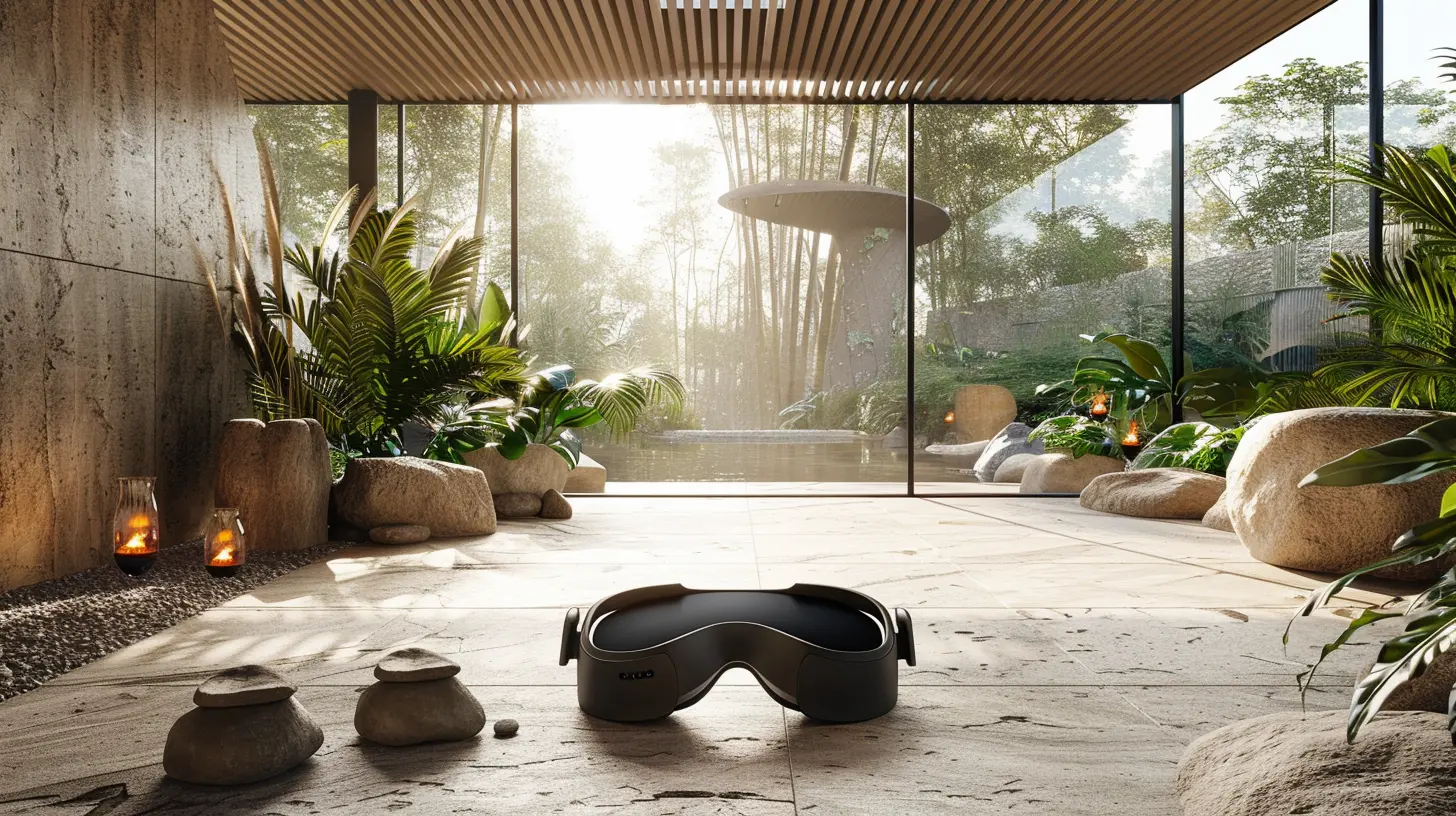
Will Standalone VR Completely Replace PC VR?
The short answer? Not yet.Standalone headsets are improving fast, but hardcore gamers and professionals will still need the extra power of a PC—at least for now. There’s only so much processing a headset can handle on its own.
That said, with cloud rendering, better chips, and advanced wireless streaming, we’re getting closer to a future where standalone VR is just as good as PC VR.
And let’s face it—most people just want an easy, convenient way to experience VR without the headaches of a full-blown setup.
The Verdict: Standalone VR is the Future
The shift to standalone VR is inevitable. With better displays, faster chips, and cloud-powered gaming, these devices are becoming more powerful, more affordable, and more versatile.While hardcore enthusiasts may still prefer PC-based VR for now, most users will gladly trade a few performance compromises for ultimate convenience and freedom.
So if you’re on the fence about VR, here’s the reality—standalone VR is the future, and it's only going to get better from here.
Final Thoughts
We’re standing at the edge of an exciting future. Standalone VR headsets are evolving at breakneck speed, making virtual experiences more immersive and accessible than ever before. Whether you’re a gamer, a creator, or just someone curious about VR, the next few years are going to be wild.One thing’s for sure—wires are a thing of the past, and VR without limits is just getting started.
all images in this post were generated using AI tools
Category:
Vr HeadsetsAuthor:

Jerry Graham
Discussion
rate this article
1 comments
Alexa McCallum
Standalone VR headsets are reshaping access to immersive experiences, making virtual worlds more accessible and pushing innovation forward.
June 15, 2026 at 4:41 AM
Jerry Graham
Absolutely, standalone VR headsets are a game changer. They open up new possibilities for users and drive innovation in the tech landscape. Exciting times ahead!