Are Wireless VR Headsets Worth the Investment?
12 June 2026
Virtual Reality (VR) isn’t just science fiction anymore. It’s real, it’s here, and it’s changing the game—literally and figuratively. Over the past few years, we’ve seen VR evolve from something you’d only see in a futuristic movie to a full-blown, immersive tech experience that anyone can access. One of the hottest topics around VR right now? Wireless VR headsets.
You’ve probably heard some buzz about them. Maybe you’ve even tried one on at a friend’s house or at a tech expo. But here’s the million-dollar question: Are wireless VR headsets worth the investment? Let’s dive in, explore all sides of the digital coin, and figure out if going wireless is the future—or just fancy hype.
VR Has Come a Long Way
Back in the early days of VR, you needed a super-powerful PC, a tangle of wires, and enough floor space to moonwalk across. It was exciting, but also a little overwhelming (and honestly, kind of awkward). But innovation doesn’t sleep, and neither does the tech world.Fast forward to today—wireless VR headsets are changing the game. Devices like the Meta Quest 2 and HTC Vive XR Elite are untethering us from our computers and giving us the freedom to roam in virtual worlds without tripping over cords. Freedom of movement? Yes, please.
What Exactly IS a Wireless VR Headset?
Let’s break it down simply. A wireless VR headset is exactly what it sounds like—a headset that doesn’t need to be physically connected to a console or computer via cables. That means no wires hanging off your head like spaghetti.Most wireless headsets are standalone devices, meaning they have a built-in screen, storage, processor, and battery. They run the show all on their own. Some can optionally connect to PCs wirelessly for more advanced content—but the idea is, you’re free.
Sounds awesome, right? But there's more to the story.
Why People Are Falling in Love With Wireless VR
1. True Freedom of Movement
One of the biggest selling points of wireless VR is movement—pure, unrestrained movement. Imagine swinging a virtual sword or ducking under a holographic laser without worrying about tripping over cables. It’s the kind of immersion you just can’t get when you're plugged into a computer like The Matrix.Wireless VR gives you the ability to move naturally through your environment, which makes games, workouts, and even VR meetings way more engaging and realistic.
2. Portability and Convenience
Unlike their wired counterparts, wireless VR headsets are portable. You can take your headset to your friend’s house, your office, or even on vacation (hey, some people do it). They usually don’t require external sensors or cameras, so setup takes just a few minutes.That’s a big deal when you just want to jump in and play. No one wants to spend 30 minutes rearranging furniture and troubleshooting hardware before blasting alien robots, right?
3. No More Cable Chaos
Cables are annoying. They clutter up your room, limit your movement, and are constantly getting tangled. With wireless VR, they’re just... gone. Goodbye, trip hazards. Hello, clean setup.There’s something incredibly satisfying about slipping on a headset and being in the action instantly—no plug-ins, no fuss.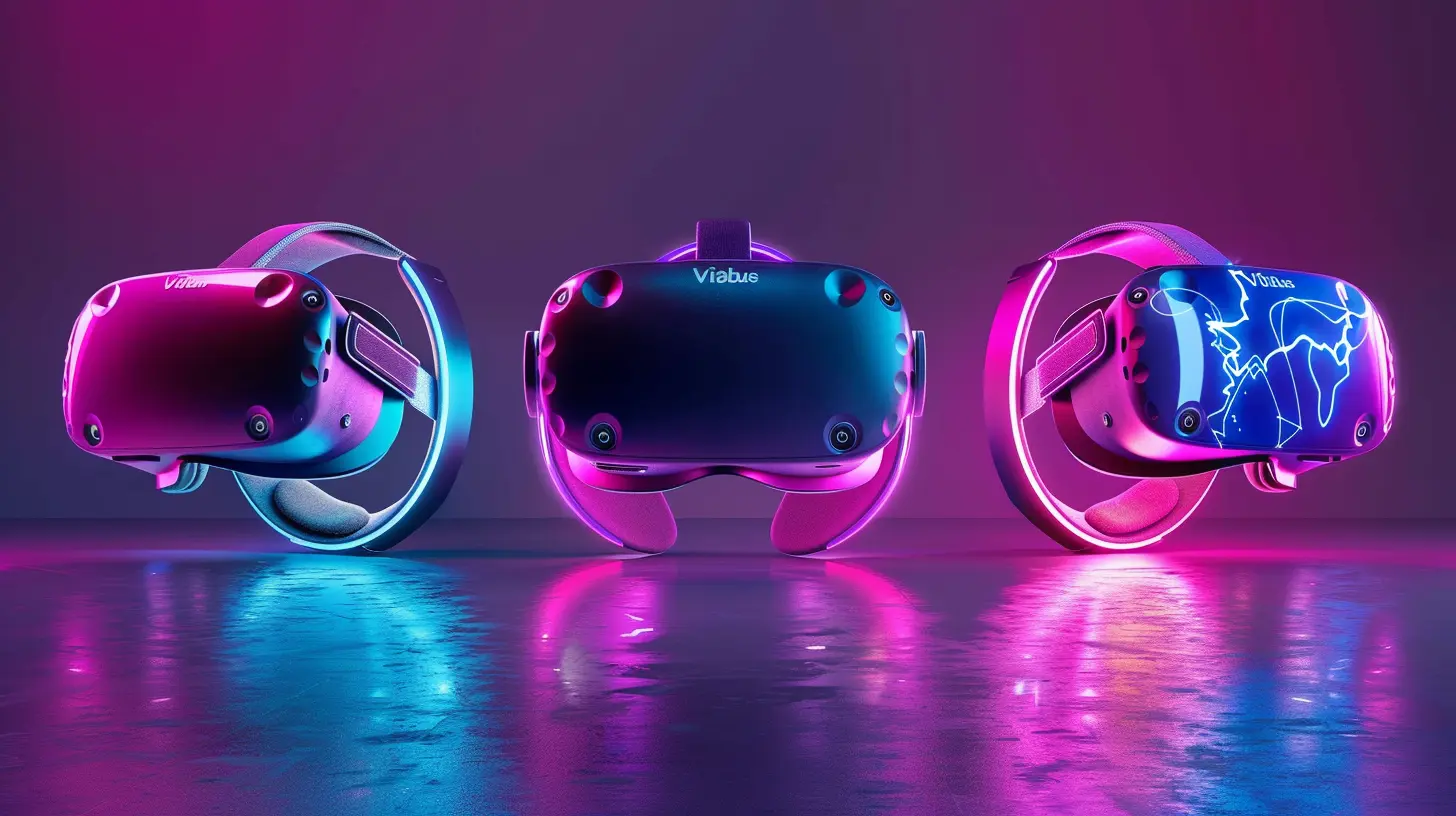
The Flip Side: Wireless VR Isn't Perfect
Now, let’s not get too dreamy just yet. Like all technology, wireless VR headsets come with trade-offs.1. Battery Life
Remember, these devices run on batteries. That means you’re only getting a couple of hours of gameplay at a time before you need to plug in and recharge. If you’re deep into a game or in the middle of a VR workout, a low battery warning can be a real vibe-killer.2. Processing Power Limitations
Although tech is improving, standalone headsets still don’t have the sheer muscle that high-end PCs offer. That means the graphics might not be as sharp, the worlds not as detailed, and the frame rates not as silky.For casual users, this isn’t a huge deal. But if you’re a hardcore gamer or developer looking for max fidelity, this could be a dealbreaker.
3. Content Availability
Not every game or application is available on every wireless headset. Some content is still locked behind PC-only platforms or requires sideloading (a fancy term for manually installing unofficial apps). It’s getting better, but it’s something to keep in mind.Cost Breakdown: Are You Getting Your Money’s Worth?
Okay, let’s talk dollars and sense. Are wireless VR headsets worth the price tag?A standalone device like the Meta Quest 2 starts at around $299, while more advanced models like the Quest Pro or HTC Vive XR Elite can run you upwards of $1,000. That might sound steep—but here’s the kicker: you don’t need a gaming PC, external cameras, or extra gear. Everything you need is built-in.
Compare that to a high-end wired system. Once you factor in the headset itself, the PC to run it, and any other accessories, you could easily be spending upwards of $2,000 or more.
In that light, wireless VR is kind of a bargain—especially if your goal is ease, accessibility, and fun.
Who Should Invest in Wireless VR?
Still on the fence? Let’s break it down by use case.?️ Casual Gamers
If you like gaming but don’t want to go down the rabbit hole of heavy-duty setups, wireless VR is 100% worth considering. It’s easy to use, affordable, and has a ton of fun games and experiences.? Remote Workers & Professionals
Virtual meetings are going fully 3D. Platforms like Horizon Workrooms and Spatial let you collaborate in virtual offices with avatars and all. If you work remotely and want a cutting-edge way to connect, this is your moment.? Fitness Enthusiasts
VR fitness is a real thing, and it’s surprisingly intense. Apps like Supernatural and FitXR turn your living room into a workout studio. Wireless VR makes this seamless. No more stepping over cords mid-squat.???? Families and First-Timers
If you’re new to VR and want to dip your toes in without spending a fortune, a wireless headset is a great entry point. Simple setup, kid-friendly games, and tons of educational content make it a great choice for all ages.Future Proofing: Is Now the Right Time to Buy?
You might be wondering, “Should I wait for the next big thing?” And yeah, that’s always a possibility. Tech never stops evolving. But here’s the deal—wireless VR is already amazing, and it’s only getting better.With each new model, battery life improves, graphics get sharper, and performance catches up to wired systems. Investing now doesn’t mean you’re getting a lesser experience. It means you’re getting the best of what’s available today—and trust me, that’s already pretty incredible.
Plus, many headsets receive regular software updates and can even benefit from future cloud-streamed content. So buying today doesn’t mean you’re stuck in 2024. Your headset might grow with you.
The Verdict: So, Are Wireless VR Headsets Worth the Investment?
In a word? Yes.If you value freedom, convenience, and cutting-edge tech, wireless VR is absolutely worth it. It brings you into an immersive world without the chains—and it does it at a relatively affordable price.
Sure, it’s not perfect. Battery life could be longer, and some hardcore gamers might still prefer the graphical edge of wired setups. But for the vast majority of users—from casual gamers to remote workers to fitness buffs—the benefits far outweigh the drawbacks.
Think of it like cutting the cord from your old landline phone. Once you go wireless, it's hard to imagine going back.
So, whether you want to slay dragons, meet with coworkers as a 3D avatar, or smash calorie goals in VR boxing—wireless headsets are opening the door. The real question is… are you ready to step through it?
TL;DR: Quick Pros and Cons
| Pros | Cons ||-------------------------------|------------------------------------|
| Total freedom of movement | Limited battery life |
| Minimal setup and portable | Less powerful than wired systems |
| Clean, cable-free experience | Not all content available |
| Affordable all-in-one devices | Still evolving tech |
Final Thoughts
Technology exists to make our lives better, more exciting, and more connected. Wireless VR is doing exactly that. It’s taking immersive experiences and making them more accessible than ever. If you’ve been on the edge, wondering whether to take the plunge—this might be your sign.So go ahead, unbox that headset, charge it up, and dive into a new reality. You might just find that it’s an investment not just in tech—but in your imagination.
all images in this post were generated using AI tools
Category:
Vr HeadsetsAuthor:

Jerry Graham
Discussion
rate this article
1 comments
Nell Erickson
Wireless VR headsets offer freedom of movement and a more immersive experience, but consider your budget and usage. If you're a dedicated gamer, the investment could be worthwhile.
June 17, 2026 at 3:08 AM
Jerry Graham
I appreciate your insight. Balancing budget with usage is key, especially for gamers looking to enhance their experience.