AI-Assisted Virtual Reality: Enhancing Immersive Experiences
6 July 2026
Virtual Reality (VR) has taken enormous strides over the past decade, transforming from a niche technology into a powerful tool used in gaming, healthcare, education, and beyond. But with the integration of Artificial Intelligence (AI), VR is no longer just a digital escape—it's an intelligent, adaptive, and deeply immersive experience.
AI-assisted VR is redefining how we engage with virtual environments, making them more responsive, realistic, and personalized. So, how exactly is AI enhancing VR, and what does this mean for the future of digital experiences? Let’s dive in! 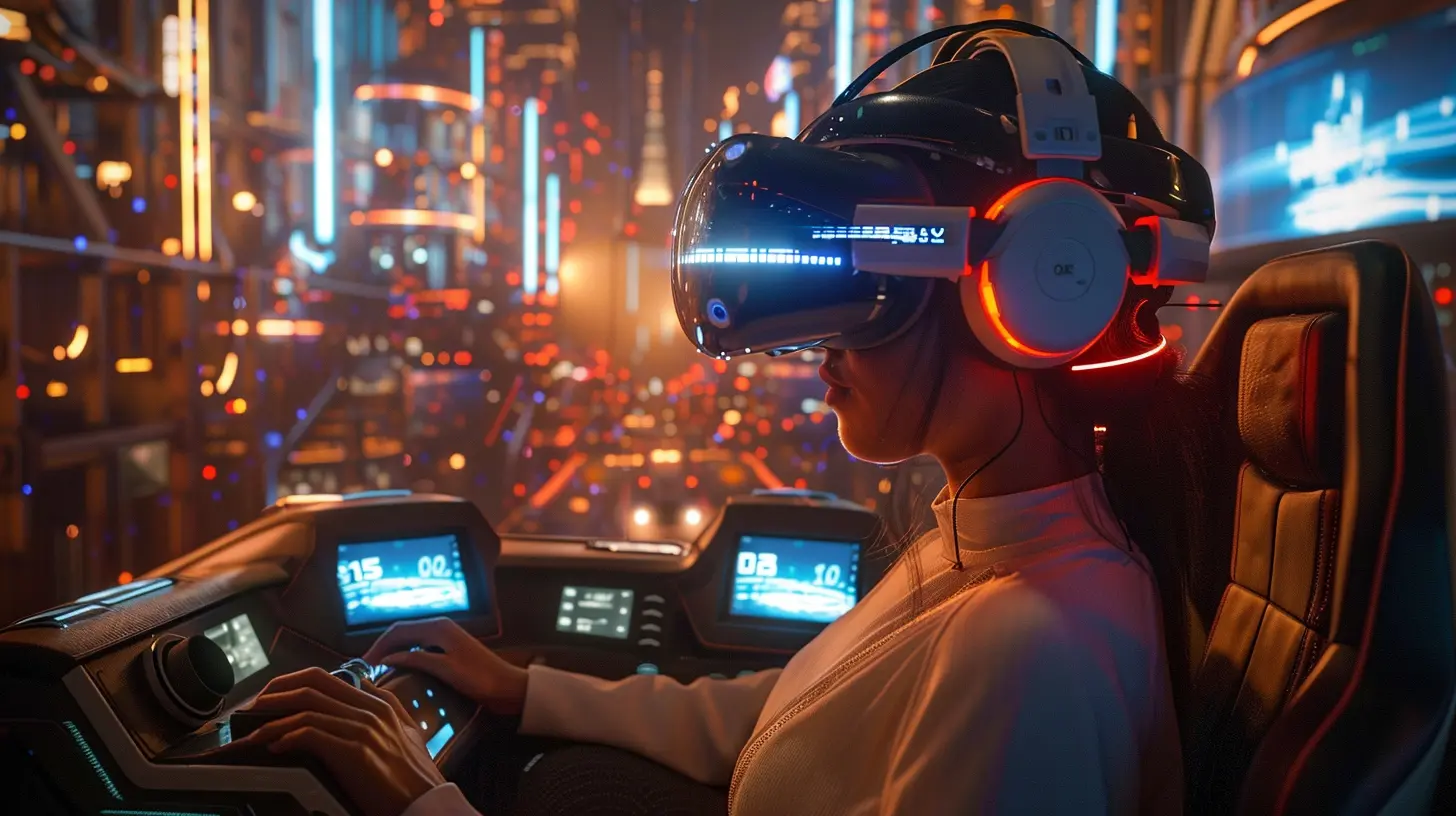
The Evolution of Virtual Reality
Before we talk about AI's impact, let’s take a step back and look at where VR started. Initially, VR was a simple simulation of environments using stereoscopic displays and motion tracking. Early VR systems were clunky, expensive, and lacked realism. But as hardware and software improved, VR became more accessible and lifelike.However, one thing remained a challenge—interaction. While VR could transport users into digital worlds, these environments often felt rigid and predictable. That’s where AI comes in. 
How AI Transforms Virtual Reality
AI and VR are a match made in tech heaven. AI introduces adaptive algorithms, machine learning, and natural language processing (NLP) that elevate VR beyond static environments. Let’s break down the key ways AI is revolutionizing VR experiences.1. Realistic & Adaptive Environments
Have you ever played a VR game where everything felt scripted? The characters follow predetermined paths, objects behave in predictable ways, and there’s little room for dynamic interactions. AI changes that.With AI-driven procedural generation, virtual worlds can build themselves dynamically based on user interactions. This means environments evolve in real-time, adapting to how users move, make decisions, or interact with objects. Imagine wandering through a haunted house where ghosts don’t just follow a set path but react based on your fear levels—now that’s immersion!
2. Smarter NPCs (Non-Playable Characters)
NPCs in traditional VR often feel robotic. They repeat pre-recorded lines, have limited responses, and lack real intelligence. AI-powered NPCs, however, can learn from player behavior and respond naturally.Using machine learning and NLP, NPCs can understand spoken dialogue, remember past interactions, and adapt their responses accordingly. This makes interactions feel more human-like and engaging. Picture an AI-driven tour guide in a virtual museum who answers your questions in real-time and remembers what interests you—it’s like having a personal assistant inside VR!
3. Enhanced Motion Tracking & Gesture Recognition
Ever tried using VR controllers and felt limited? AI helps improve hand tracking, facial recognition, and body movement interpretation.With deep learning algorithms, AI refines motion tracking to make virtual interactions smoother and more intuitive. Instead of using controllers, imagine using just your hands to manipulate objects naturally in VR, with AI predicting your intended movements with incredible accuracy.
Some VR systems even integrate AI to detect eye movements, allowing characters or objects to react based on where you’re looking. For example, in a horror game, AI could make a monster move only when you look away—creepy, right?
4. Personalized Experiences & Recommendations
AI's ability to analyze user behavior means VR experiences can be tailored to each individual. Whether in gaming, education, or fitness, AI collects data on user preferences and adjusts the content accordingly.- Gaming: AI can adjust difficulty levels in real-time based on a player’s skill.
- Education: Virtual classrooms can personalize learning speed and style based on student performance.
- Fitness: AI-powered VR workouts adapt intensity levels based on endurance and past workout data.
This personalization ensures that each user gets the most optimized and engaging experience possible. 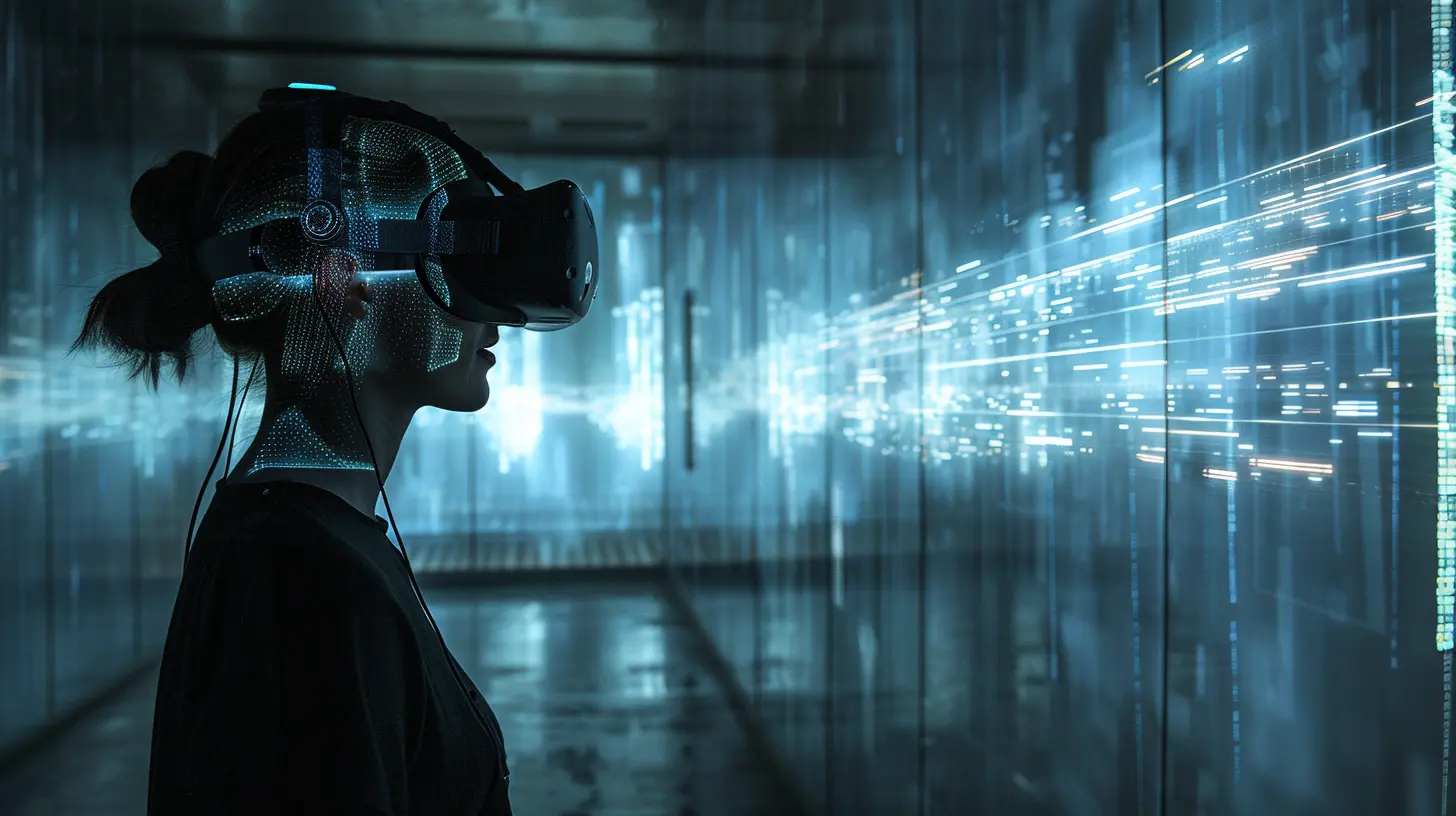
AI in Different VR Industries
Now that we understand how AI enhances VR, let’s see how this combination is shaking up different industries.1. Gaming & Entertainment
VR gaming has already seen tremendous growth, but AI takes it to the next level. AI-driven NPCs provide unpredictable and lifelike interactions, while AI-generated environments ensure no two playthroughs are ever the same.Even outside of gaming, AI-assisted VR is enhancing virtual concerts, live performances, and cinematic experiences. Imagine watching a VR movie where the storyline changes based on your emotions and reactions—interactive storytelling like never before!
2. Healthcare & Therapy
AI-powered VR is making waves in medical training, treatment, and mental health therapy.- Medical Training: AI simulates real-time medical procedures, allowing doctors to practice surgeries in a lifelike virtual space.
- Pain Management: AI-driven VR environments immerse patients in calming, adaptive scenery to reduce pain perception.
- Mental Health Therapy: AI-assisted VR exposure therapy helps treat PTSD, phobias, and anxiety by adjusting scenarios based on user responses.
3. Education & Training
Learning in VR is far more engaging than reading from a textbook. AI enhances this by tailoring lessons to students' needs. Imagine a history class where AI adapts the course based on what subjects interest you the most.Corporate training is also benefiting from AI-powered VR simulations, allowing employees to practice real-world skills in a risk-free virtual environment.
4. E-Commerce & Retail
AI-assisted VR shopping experiences are the future of e-commerce. With AI-driven avatars, shoppers can try on clothes virtually, and AI can provide personalized recommendations based on previous purchases and style preferences.Retailers are also using AI-driven VR to create virtual storefronts, allowing customers to explore and interact with products in a lifelike environment. 
The Future of AI-Assisted VR
While AI-enhanced VR is already making waves, the future holds even greater possibilities.1. Brain-Computer Interfaces (BCI)
Imagine controlling VR with just your thoughts. AI-powered Brain-Computer Interfaces (BCI) are being developed to interpret brain signals and translate them into VR actions, eliminating the need for controllers.2. Fully AI-Generated Virtual Worlds
With advancements in AI, entire VR worlds could be generated in real-time based on user preferences. Whether you want a cyberpunk city, a medieval fantasy realm, or a futuristic utopia, AI could build your dream world instantly.3. AI-Driven Social VR
Social VR platforms like Meta Horizon and VRChat are already popular, but AI will make social interactions even more natural. AI could act as a virtual moderator, ensure safe interactions, or even create realistic AI-driven friends to accompany users in virtual spaces.Final Thoughts
AI-assisted VR is not just about making virtual worlds more beautiful—it’s about making them smarter. Whether it's dynamic environments, intelligent NPCs, improved gesture recognition, or personalized experiences, AI is pushing VR to new heights.As AI and VR continue to evolve together, it's exciting to think about the future possibilities. One thing’s for sure—reality as we know it is no longer limited to the physical world. The digital realm is getting more intelligent, immersive, and interactive than ever before.
Are you ready for the future of AI-driven VR?
all images in this post were generated using AI tools
Category:
Artificial IntelligenceAuthor:

Jerry Graham
Discussion
rate this article
1 comments
Rex Pruitt
AI's role in VR is reshaping how we experience digital worlds.
July 7, 2026 at 4:06 AM
Jerry Graham
Absolutely! AI is transforming VR by creating more interactive and personalized experiences, making digital worlds feel more alive and engaging.